How to Oil Scalp with Braids for Healthy Hair and Scalp Care
Oiling your scalp with braids is an effective way to keep your scalp moisturized, prevent dryness, and reduce itchiness without disturbing your protective style. Since braids can make scalp access tricky, using the right technique and oils ensures your scalp remains healthy and your hair grows strong.
Maintaining a hydrated scalp under braids is vital because secured hair limits natural oil distribution, increasing dryness and flaking. Proper scalp care with braids helps avoid discomfort and promotes a clean environment for your hair follicles, which supports growth and overall hair health.
This article will explain the best oils to use, how to apply them effectively without ruining your braids, tips to prevent buildup, and how often you should oil your scalp to achieve the best results while wearing braids.
Choosing the Right Oils for How to Oil Scalp with Braids

Lightweight Oils Ideal for Scalp Moisturizing
When oiling a scalp with braids, lightweight oils are preferable because they penetrate the skin without leaving heavy residue. Jojoba oil mimics natural scalp oils, absorbs quickly, and balances sebum production, making it a popular choice for maintaining scalp moisture.
Other lightweight options include grapeseed oil and almond oil, both of which provide hydration without clogging pores. These oils can soothe flaky skin and reduce itchiness associated with tight braids.
- Jojoba oil
- Grapeseed oil
- Almond oil
Nourishing Oils to Promote Scalp Health and Growth
Heavier oils like castor oil and coconut oil offer rich nutrients that strengthen hair follicles and support growth. Castor oil, rich in ricinoleic acid, improves circulation when massaged into the scalp, encouraging healthy hair development beneath braids.
Coconut oil penetrates the hair shaft and protects against protein loss, but it should be used sparingly to avoid buildup on the scalp. Combining these nourishing oils with lighter oils can balance moisture and health benefits.
- Castor oil
- Coconut oil
Techniques for Applying Oil to Your Scalp with Braids

Using a Dropper or Applicator Bottle
A dropper or an applicator bottle with a narrow tip allows you to deposit oil precisely at the scalp between braid sections. This method prevents excess oil on the hair strands, preserving the neat look of braids while effectively moisturizing the scalp.
Start by parting your braids in the areas where you see dryness or feel itching, then gently squeeze a few drops of oil onto the exposed scalp. Use your fingertips to massage in circular motions to stimulate blood flow and distribute the oil evenly.
- Part braids to expose scalp
- Apply oil with dropper
- Massage gently into scalp
Spray Oils and Scalp Mist Alternatives
Oil-infused scalp sprays are convenient options that can mist lightweight oils across your scalp without disrupting braids. They’re especially useful for quick hydration and relief from itching on-the-go.
Choose sprays that contain natural oils suited for scalp care with braids and apply them daily or as needed. Follow up with a gentle scalp massage to enhance absorption and comfort.
- Use oil-based scalp mist
- Apply daily or as needed
- Massage after application
Frequency and Timing for Oiling Scalp with Braids

How Often Should You Oil Your Scalp?
Oiling your scalp every 3 to 4 days typically balances moisture without causing buildup when you have braids. Over-oiling can weigh down braids and cause residue, while under-oiling may lead to dryness and itchiness.
Observe how your scalp responds and adjust frequency if you notice increased dryness or oiliness. During dry seasons or in harsh climates, a more frequent schedule might be beneficial.
- Every 3-4 days standard
- Adjust based on scalp needs
For more on this, see our related guide: How Much Braiding Hair for Knotless Braids? The Complete Answer.
Best Time of Day to Apply Scalp Oil
Applying oil at night allows the oils to penetrate deeply while you sleep, minimizing the risk of transfer to clothing or furniture. Some prefer morning application to refresh the scalp and reduce buildup from sweat or environmental exposure.
Choose a routine that fits your lifestyle, but always avoid excessive overnight oiling if you notice scalp irritation or clogged follicles.
- Nighttime absorption benefits
- Morning refresh option
Maintaining Braid Integrity While Oiling the Scalp

Avoiding Excess Oil on Braids
One challenge when oiling scalp with braids is preventing oil from saturating the braids, which can lead to frizz and buildup. Applying oil directly to the scalp with controlled tools helps maintain the braid style's crispness.
Pat excess oil off with a soft cloth if necessary and avoid heavy oils near the braid roots to keep styles lasting longer and looking fresh.
- Apply oil sparingly
- Use precise tools
- Remove excess oil promptly
Protecting Braids During Oil Treatments
After applying oil, cover your braids with a satin scarf or bonnet to reduce oil transfer to pillows and maintain moisture retention. This practice also minimizes friction, helping braids stay intact and preventing breakage.
Keeping braids clean and dry between oiling sessions also prevents bacterial buildup and keeps the scalp healthy.
- Use satin scarf/bonnet
- Keep braids clean and dry
Signs Your Scalp Needs More or Less Oil with Braids

Identifying Dry Scalp and Flakiness
If you notice persistent dryness, itching, or flaky skin around your braids, these can be signs that your scalp needs more frequent or richer oiling. Untreated dry scalp under braids can also cause discomfort or even scalp irritation.
Incorporate oils known for their moisturizing properties and increase the frequency of application, ensuring not to overdo it and weigh down your braids.
For more on this, see our related guide: How Long Do Knotless Braids Last? the Complete Answer.
When to Reduce Oiling Frequency
Excess oiling may result in greasy scalp, clogged pores, or buildup around braid roots. If you experience itchiness without dryness or notice your braids becoming heavy and sticky, consider reducing how often and how much oil you apply.
A clean scalp and lighter application can prevent these issues while keeping your braids looking fresh and your scalp balanced.
Additional Scalp Care Tips While Wearing Braids
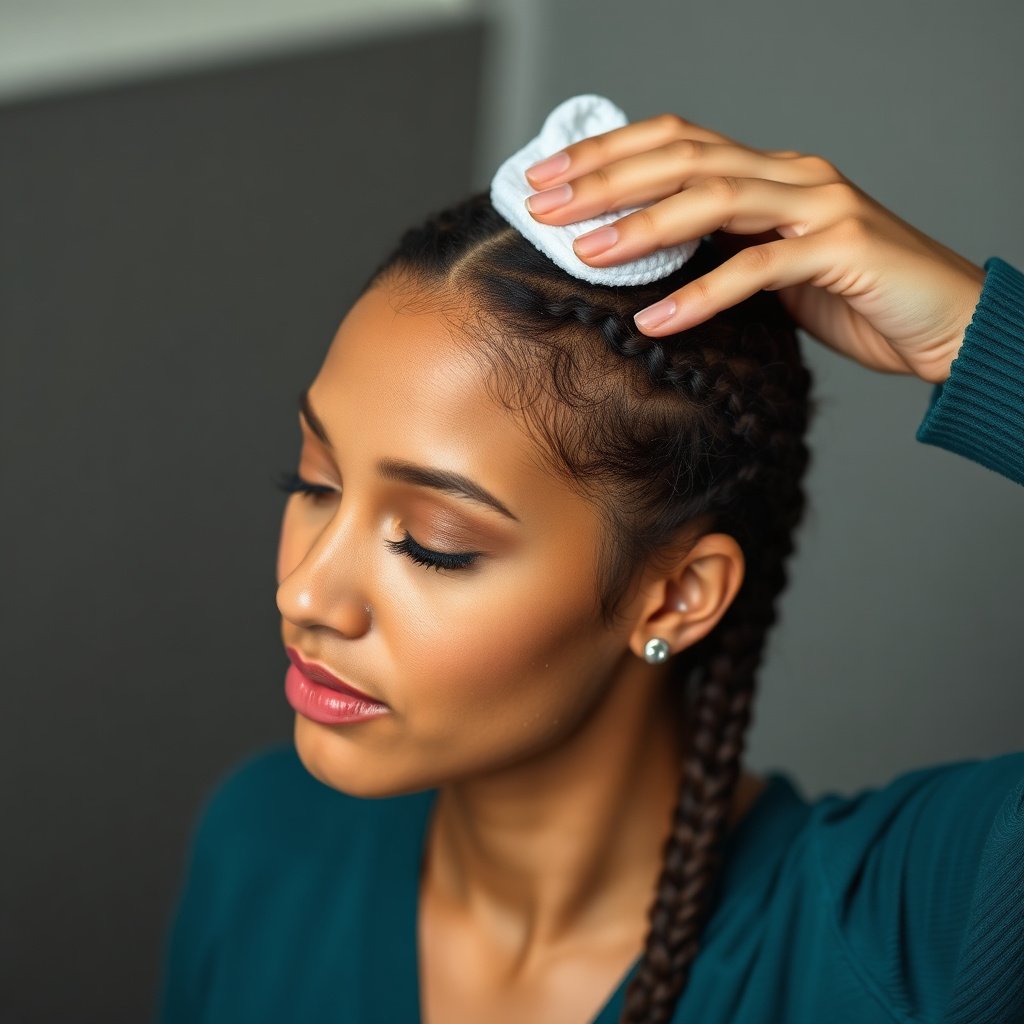
Cleansing and Exfoliating the Scalp
Regular cleansing with gentle, scalp-friendly shampoos or co-washing is important to remove buildup from oils, sweat, and products. Using a scalp brush or exfoliating treatment helps clear dead skin cells, reducing flakiness under braids.
Aim to cleanse your scalp every 1-2 weeks, depending on your lifestyle and scalp condition, to maintain a healthy environment for hair growth.
- Gentle shampoo or co-wash
- Use scalp brush or exfoliator
For detailed insights on scalp care and hair health, visit the NIH’s National Institute of Arthritis and Musculoskeletal and Skin Diseases. scalp care and hair health information.
Massage and Blood Circulation for Scalp Health
Massaging your scalp stimulates blood flow, nourishing hair follicles and promoting growth. Even with braids, gentle massages with your fingertips during oil application can be beneficial.
Incorporating short scalp massages daily or every few days can relieve tension caused by tight braids and help distribute natural oils.
- Gentle finger massages
- Stimulate blood circulation
Types of Oils for Scalp Care with Braids Comparison
This table highlights common oils used for braids, their benefits, and application tips to help you select the best option for your scalp needs.
| Oil Type | Weight | Key Benefits | Best Usage Frequency |
|---|---|---|---|
| Jojoba Oil | Lightweight | Balances sebum, fast absorption, reduces itchiness | Every 3-4 days |
| Castor Oil | Heavier | Stimulates blood flow, promotes hair growth | Weekly or mixed with light oils |
| Coconut Oil | Medium-heavy | Protects hair shaft, reduces protein loss | Sparingly, biweekly |
| Grapeseed Oil | Lightweight | Hydrates scalp, non-greasy | Every 3-4 days |
| Almond Oil | Lightweight | Softens scalp, reduces inflammation | Every 3-4 days |
Frequently Asked Questions
Can I apply oil directly to my braids?
While you can lightly oil braids, it's best to focus oil application on the scalp to avoid buildup and frizz on the braids themselves.
How do I prevent scalp oil buildup under braids?
Use lightweight oils sparingly, apply only to the scalp, and cleanse regularly with gentle shampoos or co-washes to prevent buildup.
Is it okay to massage my scalp when I have tight braids?
Gentle scalp massages can improve circulation and reduce tension from braids, but avoid excessive pressure that might loosen or damage the braids.
How can I tell if my scalp is too oily or too dry under braids?
Dry scalp typically causes itching and flaking, while excessive oiliness leads to greasy roots and buildup. Adjust oiling frequency based on these signs.
What if my scalp feels itchy despite oiling?
Persistent itchiness may indicate buildup, product sensitivity, or scalp conditions. Cleanse your scalp thoroughly and consider seeing a dermatologist if irritation continues.
Key Takeaways
- Use lightweight oils like jojoba for regular scalp moisturizing with braids.
- Apply oil precisely to the scalp using dropper bottles or oil sprays.
- Oil your scalp every 3 to 4 days to maintain hydration without buildup.
- Combine scalp oiling with gentle massages and regular cleansing for best results.
Conclusion
Successfully oiling your scalp with braids requires balancing moisture without compromising your protective style. Understanding the right oils and application techniques is key since braids limit access to the scalp and can trap buildup. Selecting lightweight oils such as jojoba or grapeseed helps keep your scalp hydrated and comfortable, while occasional use of castor or coconut oil supports hair strength and growth. Regular care, including gentle massage and cleansing, ensures your scalp stays healthy during the entire duration you wear braids.
For most people, applying oil every three to four days works well to maintain optimal moisture levels without causing greasiness or buildup around braided roots. Using a dropper or applicator bottle to target the scalp rather than the braids protects the style’s neatness. If dryness or itchiness occurs frequently, slightly increasing oil frequency with a heavier oil mix can help. Conversely, reduce oiling if your scalp feels oily or your braids look weighed down. For daily refreshment, oil-infused scalp mists provide lightweight hydration without disrupting braids.
If you’re new to braids or scalp oiling, start with jojoba oil applied every few days using a dropper, combined with gentle scalp massages. Always keep your scalp clean by cleansing every one to two weeks to prevent buildup. This approach creates a comfortable, healthy environment underneath your braids, supporting hair growth and maintaining your style longer. Experiment carefully with frequency and oil types to find what your scalp needs most.