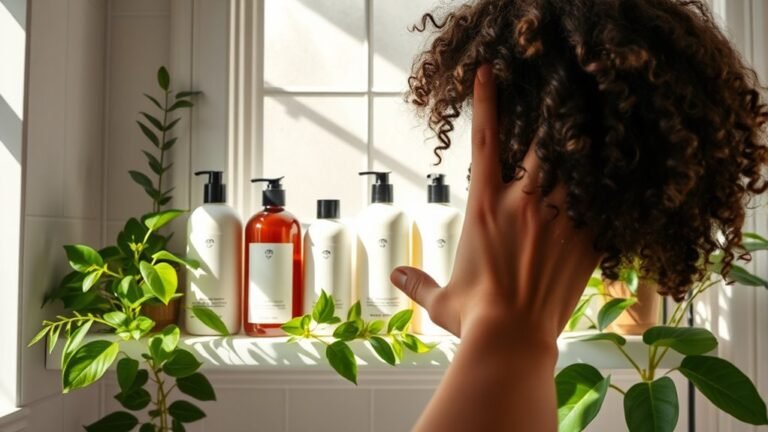
How to Moisturize Braids Without Causing Build-Up or Frizz
Moisturizing braids properly involves using lightweight, water-based sprays and natural oils to hydrate both the hair and scalp without weighing down the style or causing residue build-up. Applying moisture regularly helps prevent breakage and frizz, keeping braids neat and healthy throughout their wear.
Since braids can limit direct access to the scalp and hair strands, moisture often escapes, leading to dryness and itchiness. Maintaining a balance that nourishes your hair without overwhelming it is important to protect your strands and extend the longevity of your style.
This article will cover effective moisturizing techniques, suitable products for different hair types, how to maintain scalp health during braids, and tips to avoid common mistakes that cause dryness or frizz.
Understanding Moisture Needs for Braids

Why Moisturizing Braids Is Essential
Braids protect hair from daily manipulation but can also restrict moisture from reaching the hair shafts. Without regular moisturizing, hair strands become brittle and prone to breakage beneath the protective style. Hydration also helps minimize frizz and maintain the sleek look of freshly installed braids.
The scalp can become dry when covered by braids, sometimes causing itching or flaking. Consistent hydration supports scalp health by preventing dryness and promoting a comfortable environment for hair growth under the braids.
Types of Moisture Braids Need
Braids benefit most from water-based moisturizers that seep through the protective style without causing residue. Emollients like natural oils seal in that moisture and help smooth the cuticle to reduce frizz and tangling.
Choosing the right balance between water and oils is critical. Overusing heavy creams or oils can cause build-up that weighs down braids and leads to unpleasant smells or scalp irritation.
- Water-based leave-in sprays
- Natural oils (argan, jojoba, coconut)
- Lightweight hydrating serums
Daily Moisturizing Techniques for Braids
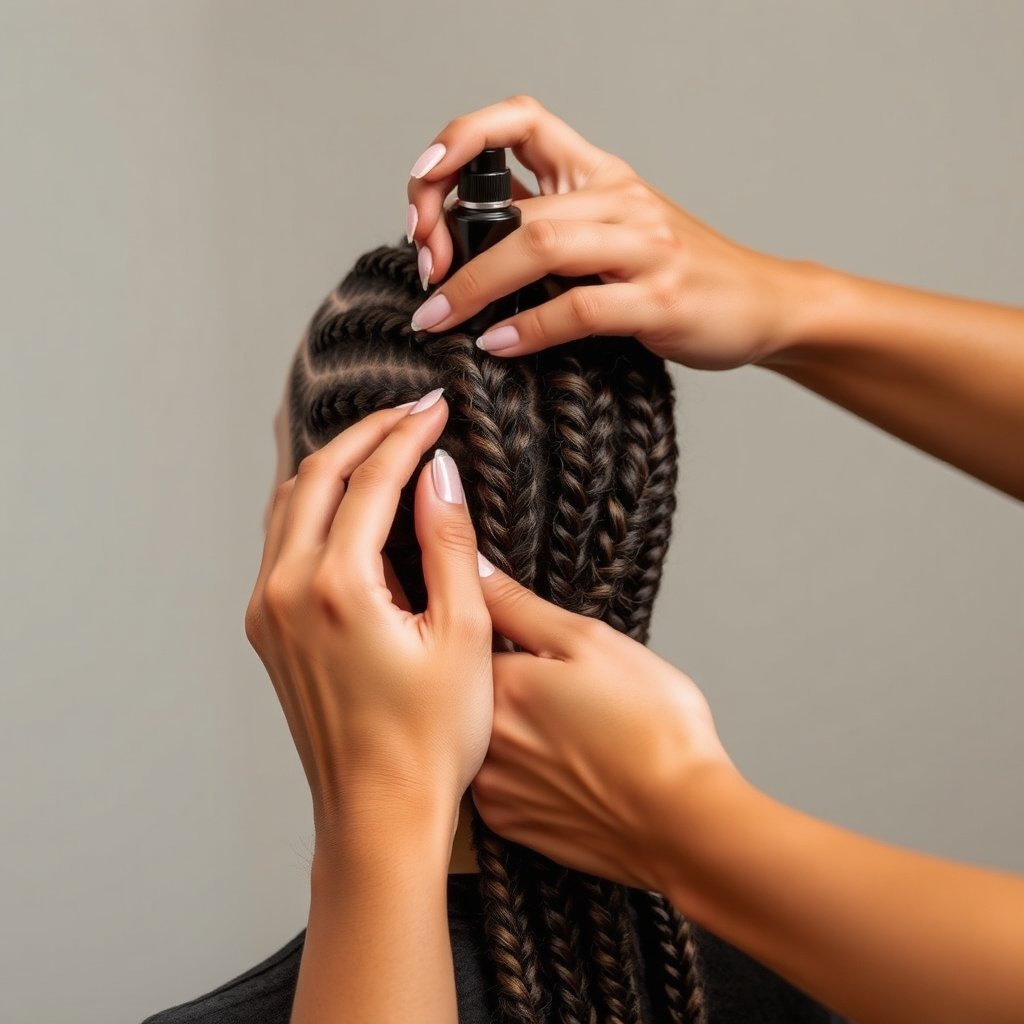
Using Spray Moisturizers Correctly
Spray moisturizers provide light hydration without disrupting braid tension or causing slickness. Aim to mist the scalp and braids evenly every one to two days, focusing on areas that feel dry or appear dull.
Avoid soaking the braids which can loosen them or increase drying time. Instead, a gentle mist followed by finger massaging helps distribute moisture into the scalp and between strands efficiently.
- Spray 6-8 inches from scalp
- Mist evenly without drenching
- Use twice weekly or as needed
Sealing Moisture with Oils
Locking in moisture after spraying with light natural oils prevents water from evaporating too quickly. Oils like jojoba or argan are preferred because they mimic the scalp’s sebum and don’t clog pores.
Apply oils sparingly to the scalp and braid roots using your fingertips. Too much oil can weigh braids down or cause build-up, especially when combined with product residues.
- Use 2-3 drops per section
- Apply directly to scalp and braid roots
- Avoid heavy oils (e.g., castor) on scalp
Maintaining Scalp Health During Braids
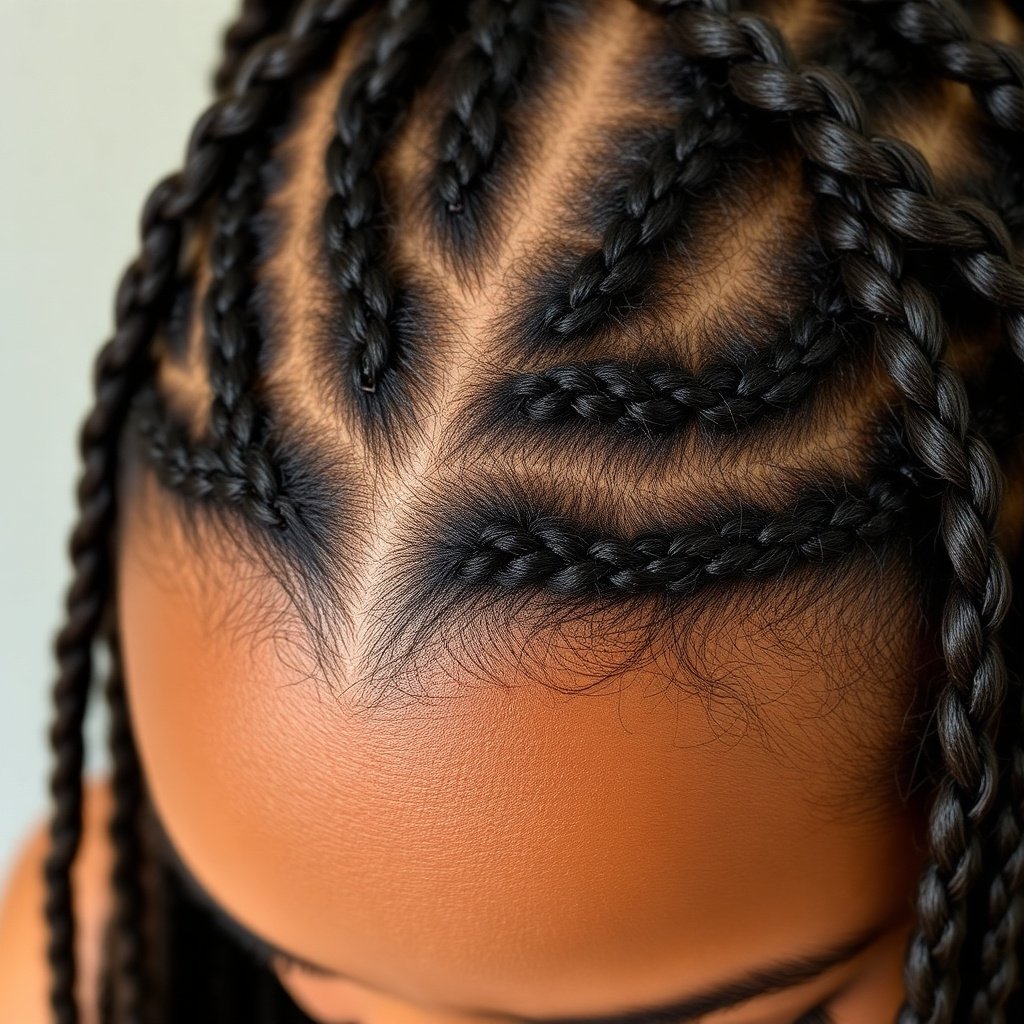
Cleansing Without Disrupting Braids
Maintaining scalp cleanliness is key to avoiding itchiness and flakes. Using a diluted shampoo or a scalp cleansing spray once a week helps remove buildup without unraveling the braids.
Dry shampoos and scalp treatments designed for braids can also refresh the scalp between washes but should not replace thorough cleansing.
- Dilute shampoo with water for gentle washing
- Focus on scalp, not braids directly
- Rinse thoroughly to avoid residue
For more on this, see our related guide: How to Moisturize Hair Under Braids for Lasting Hydration.
Scalp Moisturizing Tips
Apply lightweight moisturizing oils or sprays designed for scalp health to soothe dryness and reduce itching. Ingredients like tea tree oil and aloe vera calm irritation and support microbial balance.
Avoid over-applying heavy creams or products with silicones that can clog the scalp and contribute to discomfort during braiding styles.
- Use scalp-specific moisturizing sprays
- Perform gentle massage to stimulate circulation
- Avoid heavy ointments on scalp
Choosing the Best Hair Moisturizer for Braids
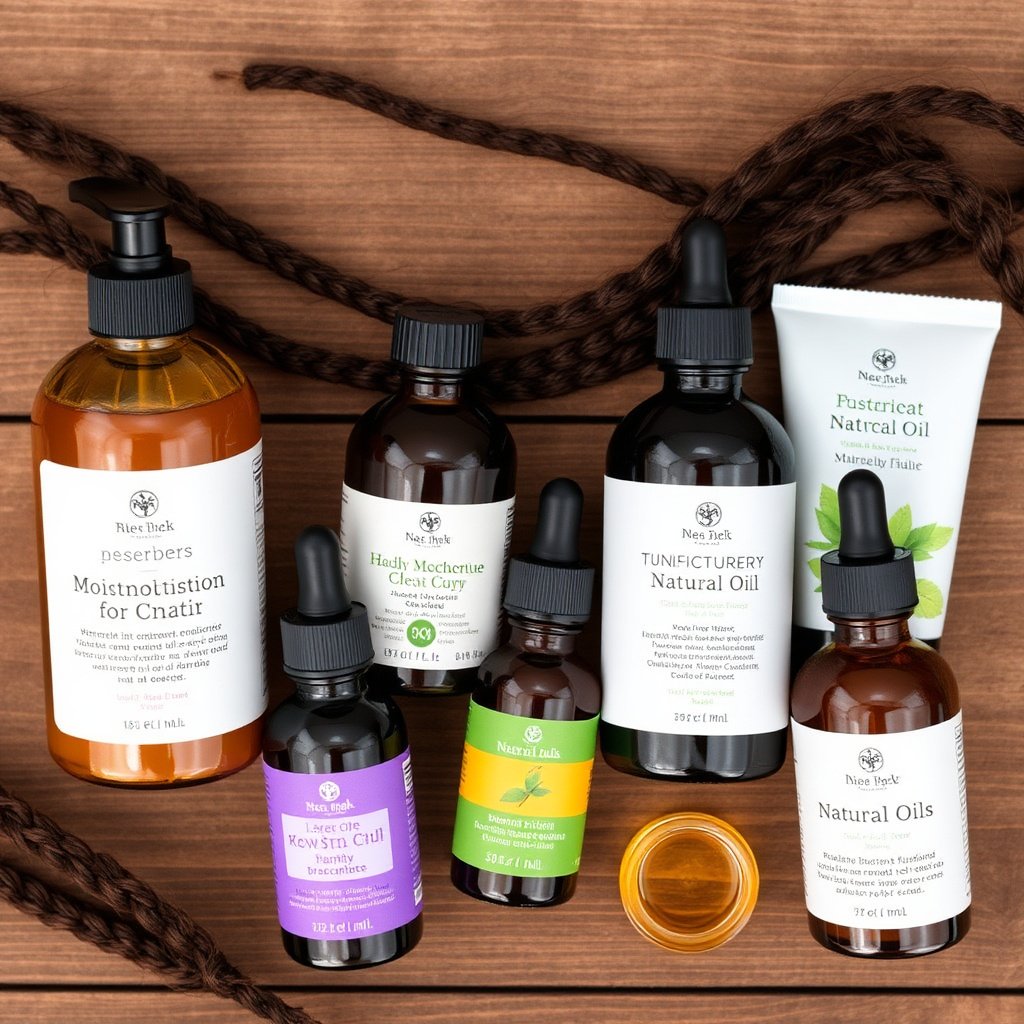
Water-Based Leave-In Conditioners
Leave-in conditioners with a water base hydrate without buildup and are ideal for braids. Look for alcohol-free formulas with humectants like glycerin or honey to attract moisture from the air.
These deliver the initial hydration step before sealing with oils, improving braid manageability and scalp comfort.
- Non-greasy formula
- Contains humectants
- Free from heavy silicones
Natural Oils That Seal Moisture
Choosing oils like argan, jojoba, or sweet almond oil helps lock in hydration without greasiness. These oils absorb well into the scalp and hair, reducing frizz and protecting braid integrity.
Avoid mineral oil or petroleum-based products, which can suffocate hair and cause buildup.
- Lightweight and non-comedogenic oils
- Rich in antioxidants and vitamins
- Absorbs quickly into hair and scalp
Common Mistakes to Avoid When Moisturizing Braids
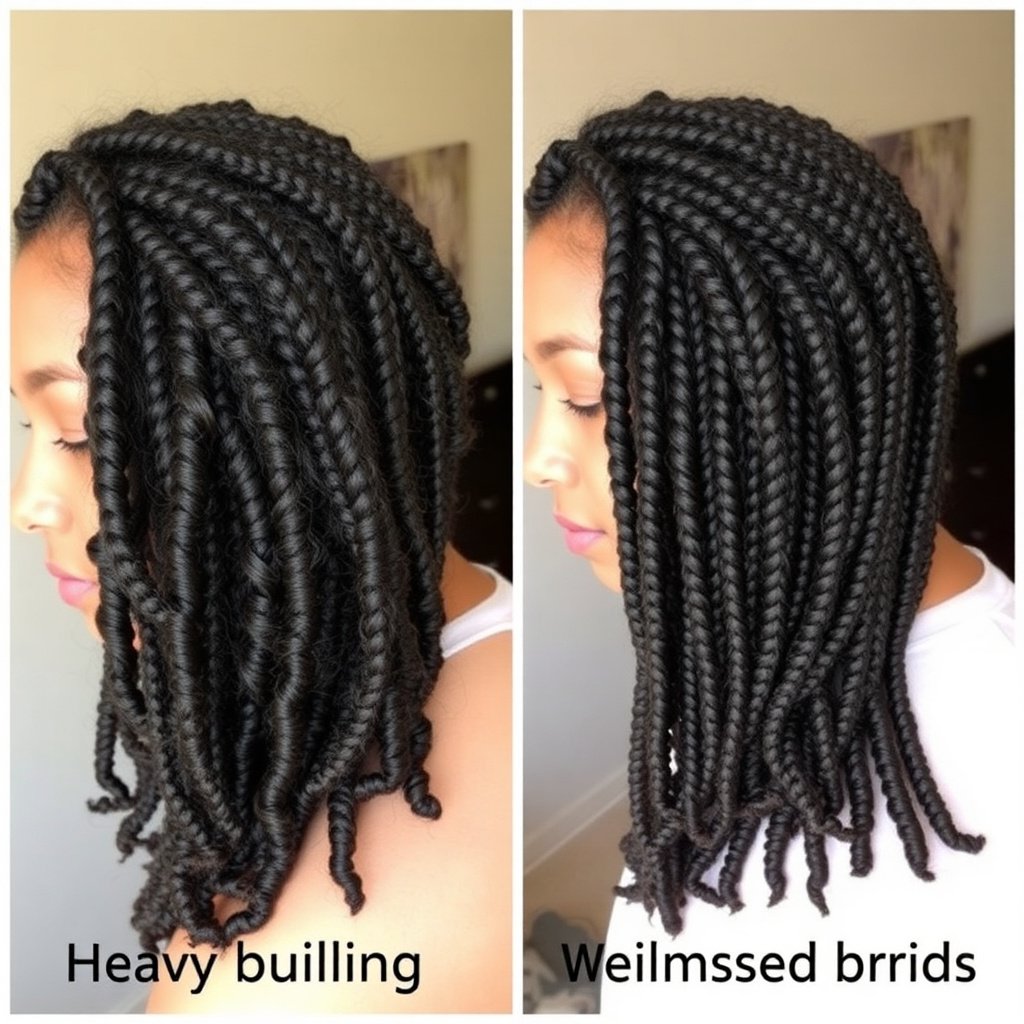
Overloading with Heavy Products
Using thick creams or too much oil creates residue on braids that attracts dirt and causes weight, leading to sagging or premature unraveling.
Heavy products can also clog the scalp’s pores, increasing itchiness and flakiness under braids. Stick to light moisturizers and oils in controlled amounts.
- Avoid products with petrolatum or heavy waxes
- Limit oil application frequency
- Use light sprays instead of creams
For more on this, see our related guide: How Much Braiding Hair for Knotless Braids? The Complete Answer.
Skipping Regular Moisturizing Routine
Neglecting regular moisturizing causes dryness and brittleness in braided hair, leading to frizz and breakage once the braids are removed.
A consistent routine tailored for your hair type maintains braid longevity and hair health.
- Moisturize scalp and braids every 1-2 days
- Adjust routine based on hair texture and environment
Enhancing Moisture Retention for Long-Lasting Braids

Protective Nighttime Care
Covering braids with a satin or silk scarf at night reduces friction, helping retain moisture and preventing frizz and breakage. Cotton fabrics can absorb moisture and cause dryness.
Alternatively, using a satin bonnet or pillowcase works well for moisture preservation.
- Use satin or silk scarves/bonnets
- Avoid cotton pillowcases
- Ensure scarf is snug but not tight
For more in-depth information about braids and their styling, visit the braids hair care on Wikipedia. braids hair care on Wikipedia.
Environmental Factors and Moisture
Environmental conditions such as dry weather or frequent sun exposure can strip moisture from braids. Using moisturizers with UV protection or emollients helps combat these effects.
Hydrating more frequently in dry climates or during winter maintains hair and scalp health.
- Apply moisturizer before outdoor exposure
- Use hydrating sprays with protective ingredients
Comparison of Moisturizing Products for Braids
Here's a comparison of popular moisturizing product types used for braids, highlighting their benefits and best use cases.
| Product Type | Hydration Level | Build-up Risk | Ease of Use | Best For |
|---|---|---|---|---|
| Water-Based Leave-In Spray | High | Low | Easy | Daily refreshing mist |
| Natural Oils (Jojoba, Argan) | Medium | Low | Moderate | Sealing moisture, scalp care |
| Heavy Creams or Butters | High | High | Moderate | Very dry hair (use sparingly) |
| Scalp Cleansing Sprays | Low | Low | Easy | Weekly scalp refreshment |
| Dry Shampoo | None | Moderate | Easy | Oil absorption, extending wash days |
Frequently Asked Questions
How often should I moisturize my braids?
Moisturize braids every one to two days with lightweight sprays and seal with light oils to maintain hydration without buildup.
Can I use heavy creams on braids?
Heavy creams can cause buildup and weigh down braids; they should be used sparingly and typically only on very dry hair types.
Is it necessary to moisturize the scalp under braids?
Yes, moisturizing the scalp prevents dryness and itchiness, promoting a healthy environment for hair growth beneath the braids.
What natural oils are best for sealing moisture on braids?
Light oils such as jojoba, argan, and sweet almond oil work best because they absorb well without clogging pores.
Will moisturizing braids cause them to unravel faster?
No, when done properly with light products and in moderation, moisturizing helps maintain braid integrity rather than causing unraveling.
Key Takeaways
- Use water-based sprays for light, effective hydration on braids.
- Seal moisture with lightweight natural oils like jojoba or argan.
- Keep the scalp moisturized to prevent dryness and irritation.
- Avoid heavy creams and overloading products to prevent buildup.
Conclusion
Moisturizing braids requires a thoughtful balance to maintain hair and scalp health while preserving the style's longevity. By selecting water-based moisturizers and natural oils, you provide gentle, effective hydration without risking buildup or frizz. Understanding your hair type's needs helps tailor the routine for best results, ensuring your braids stay neat and your hair strong during wear.
For those with finer hair textures or scalp sensitivity, lighter spray moisturizers combined with oils like jojoba offer the best hydration without heaviness. In contrast, thicker hair types experiencing dryness may benefit from occasional use of richer natural oils, but should still avoid heavy creams to keep the braids light. Regular scalp cleansing paired with moisturizing supports overall scalp comfort and braid freshness throughout the weeks worn.
To start, establish a routine that includes misting braids every two days, sealing with natural oils, and protecting hair at night with a satin scarf. Monitor how your scalp and braids respond and adjust product types or frequency to avoid dryness or buildup. This balanced strategy helps your braids remain healthy, moisturized, and stylish from installation to removal.