How to Keep Braids Neat: Practical Tips for Long-Lasting Style
Keeping braids neat requires a consistent routine focused on moisture, protection, and gentle handling. Immediately after braiding, applying a light oil or braid spray, and wrapping or covering with a silk scarf at night maintains smoothness and prevents frizz—this foundation is the key to long-lasting braid neatness.
Braids, while low maintenance compared to loose hair, still respond to regular care that prevents buildup and damage. Clean scalp practices, hydration, and careful daily upkeep extend your style’s fresh appearance, making your efforts worthwhile for both hair health and style longevity.
This article covers practical strategies including nighttime protection, cleansing routines, moisturizing methods, and product recommendations. You’ll also find advice tailored for different braid types, how to handle new growth, and styling options that help keep your braids looking sharp.
Preparing Your Hair Before Braiding
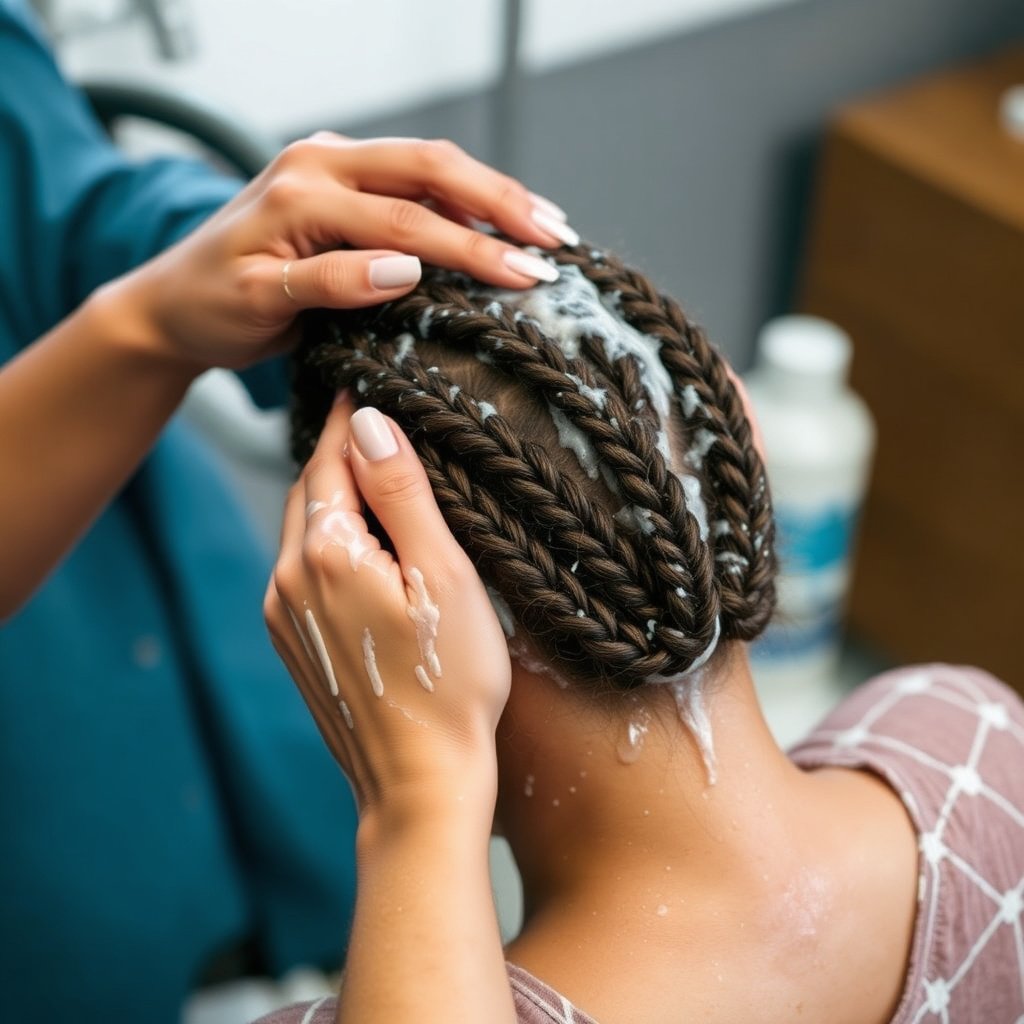
Cleansing and Conditioning to Prevent Build-up
Start with a clean scalp to help your braids last. Use a gentle sulfate-free shampoo to remove dirt and oils without stripping moisture. Follow with a deep conditioner to strengthen and soften your hair, preparing it to withstand the tension from braiding.
Avoid heavy products before braiding; residue can cause scalp itchiness and quicker buildup. Rinse thoroughly to prevent flaky scalp and promote a healthy environment under your braids.
- Sulfate-free cleansing
- Deep conditioning treatment
- Avoid heavy styling products
Detangling and Moisturizing Hair
Detangle your hair gently before braiding to minimize breakage. Use a wide-tooth comb and work from ends upward. Proper detangling helps prevent knots inside the braids, which can make them look messy sooner.
Apply a leave-in conditioner or lightweight moisturizer to keep hair supple and ready to hold the braid structure, improving the neatness and reducing frizz.
- Use wide-tooth comb
- Work from ends to roots
- Apply leave-in conditioner
Daily Maintenance to Keep Braids Neat

Moisturizing Your Braids Regularly
Moisture prevents hair fibers from becoming brittle and frizzy inside the braids. Use braid-friendly products like water-based sprays or light oils such as jojoba or coconut oil to hydrate without causing buildup or heaviness.
Spray your scalp and hair lightly at least every other day, focusing on the roots and braid strands to maintain an even texture and reduce dryness-induced unraveling.
- Use water-based braid sprays
- Apply light natural oils
- Target scalp and strands evenly
Protecting Braids Overnight
Protect your braids from friction and moisture loss by covering them with a silk or satin scarf or bonnet while sleeping. These materials lessen hair breakage and prevent frizz, preserving the sharp look of your braids over time.
Alternatively, using a satin pillowcase can achieve similar benefits if you prefer not to wrap your hair directly.
- Wrap with silk or satin scarf
- Use satin pillowcases
- Avoid cotton fabric friction
Cleansing Braids without Disrupting Style

Scalp Washing Techniques for Braids
To avoid frizz and loosening, cleanse your scalp carefully without aggressive rubbing. Use diluted shampoo applied directly to the scalp and massage lightly with fingertips, rinsing with gentle water flow to keep the braids intact.
Spot washing with dry shampoos or braid cleansers can extend time between washes and keep your skin healthy and free of buildup.
- Apply diluted shampoo to scalp
- Massage gently with fingertips
- Rinse carefully to avoid tangling
For more on this, see our related guide: How Much Braiding Hair for Knotless Braids? The Complete Answer.
Frequency and Products for Braid Washing
Washing your braids every 1 to 2 weeks limits buildup without encouraging frizz or loosening. Choose shampoos with moisturizing ingredients and avoid heavy conditioners that weigh down the braids or cause slip.
Use scalp toners or light astringents sparingly to control itchiness or excess oil, maintaining scalp health alongside braid neatness.
- Wash every 1-2 weeks
- Avoid heavy conditioners
- Use scalp toners sparingly
Handling New Growth and Loose Strands

Retouching Braids for a Polished Look
As natural hair grows out, roots can cause braids to look messy. Retouching with small, tidy braids along the hairline or the new growth zone refreshes your overall style without redoing the entire head.
Professional touch-ups every few weeks maintain braid neatness and reduce tension on the scalp caused by tight braids becoming loose with growth.
- Add small braids to new growth
- Schedule professional touch-ups
- Avoid excessive pulling when retouching
Managing Flyaways and Frizz
Flyaways around braids are common but manageable with a light edge control product or hair gel, applied sparingly along the hairline and braid edges to smooth stray hairs.
A soft-bristle brush or toothbrush wrapped in silk can gently buff edges without disturbing the braid integrity, keeping your style looking tidy.
- Use light edge control gel
- Brush edges with soft-bristle brush
- Avoid heavy product buildup
Styling Options to Maintain Neat Braids

Protective Styling with Braids
Creating buns, ponytails, or updos reduces exposure to friction and environmental elements that cause frizz and breakage. These protective styles help maintain braids’ neatness while also allowing hair to rest.
Choose soft accessories like scrunchies or satin wraps to avoid snagging or breaking the braids, preserving their smoothness and longevity.
- Wear buns or ponytails
- Use soft hair accessories
- Avoid tight rubber bands
For more on this, see our related guide: How Long Do Knotless Braids Last? the Complete Answer.
Refreshing Braids with Accessories
Decorative beads, cuffs, or threads can camouflage minor frizz or imperfections in older braids while adding visual interest. These accessories can refresh your hairstyle without extra manipulation.
Integrating colorful wraps or clips provides both style and subtle tension relief, helping maintain braid neatness and your personal flair.
- Add beads or cuffs
- Use decorative threads
- Incorporate colorful clips
Special Considerations for Different Braid Types and Hair Textures
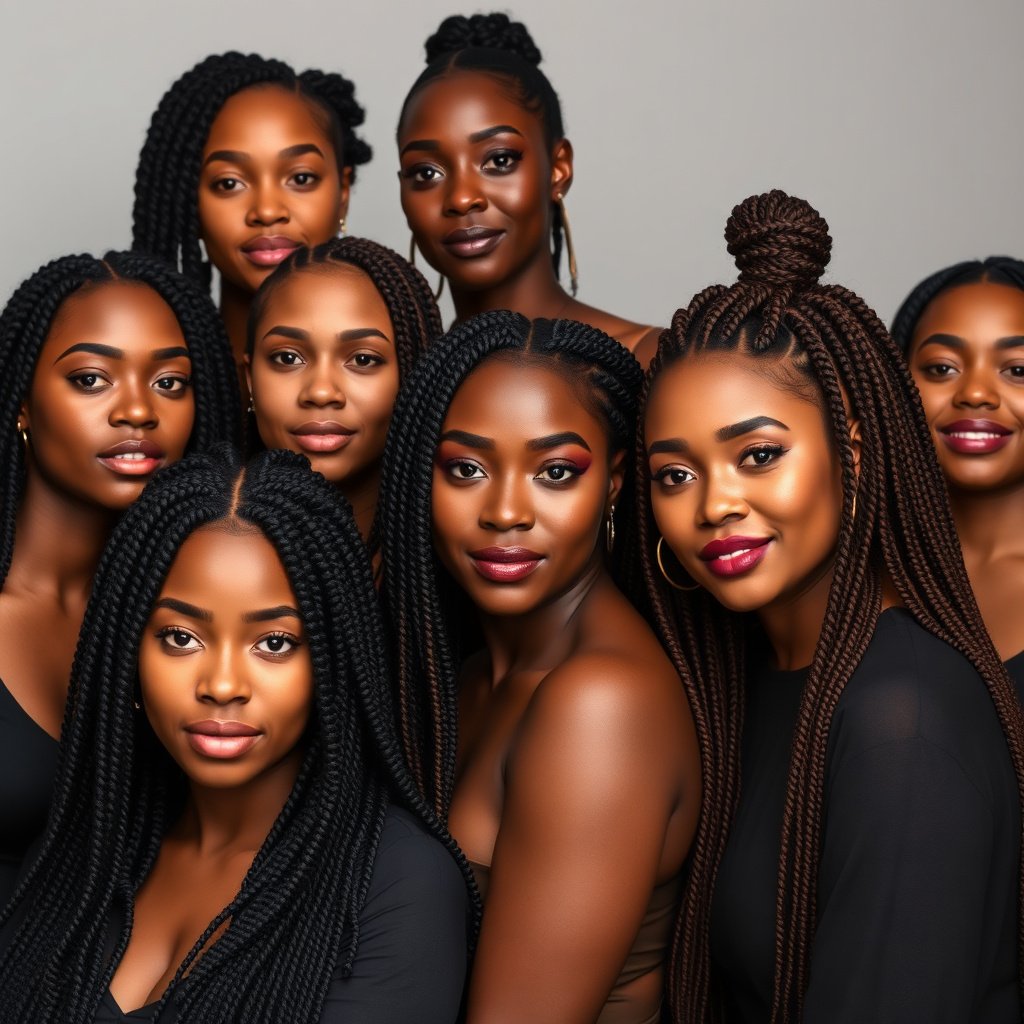
Care Tips for Box Braids and Twists
Box braids require moisture at the scalp and along the braid length but avoid heavy oils that attract lint or cause buildup. Light sprays and occasional gentle cleansing balance freshness with braid integrity.
Twists benefit from similar care but may need softer hold products to maintain their structure without stiffness, depending on hair texture.
- Moisturize with light sprays
- Avoid heavy oils
- Use gentle cleansing methods
For a broader understanding of braid styles and care, you can explore detailed information on braiding hairstyles and care. braiding hairstyles and care.
Adjusting Routine for Coarse or Fine Hair
Coarse hair usually tolerates heavier oils and thicker moisturizing creams to maintain flexibility in braids, while fine hair fares better with lightweight products preventing weighing down and slipping.
Adjust braid tightness accordingly; finer hair may need looser braids to avoid breakage, coarse hair can handle a firmer braid that holds shape longer.
- Use heavier oils for coarse hair
- Choose lightweight products for fine hair
- Adjust braid tightness by hair texture
Comparison of Different Braid Care Methods
Below is a comparison of popular braid care methods and their benefits for maintaining neatness and hair health.
| Method | Best For | Frequency | Key Benefit |
|---|---|---|---|
| Moisturizing Sprays | All hair types | Every 1-2 days | Prevents dryness and frizz |
| Silk or Satin Wrapping | All hair types | Every night | Reduces friction and breakage |
| Gentle Shampoo Wash | Oily scalps | Every 1-2 weeks | Cleans scalp without loosening braids |
| Edge Control Products | Fine or textured edges | Daily as needed | Smooths flyaways without buildup |
| Professional Retouching | Long-term braids | Every 4-6 weeks | Refreshes roots for polished appearance |
Frequently Asked Questions
How often should I moisturize my braids to keep them neat?
Moisturizing braids every one to two days with a light water-based spray or oil helps keep them hydrated, reduces frizz, and maintains neatness without buildup.
Can I wash my braids without causing them to frizz or unravel?
Yes, by using diluted shampoo applied gently to the scalp and rinsing carefully, you can wash braids every 1-2 weeks without disrupting their neat appearance.
What is the best way to protect braids while sleeping?
Covering braids with a silk or satin scarf or bonnet, or sleeping on a satin pillowcase reduces friction and moisture loss, helping braids stay neat longer.
How do I manage new hair growth without redoing all my braids?
Retouch new growth by braiding along the roots or scheduling professional touch-ups every few weeks to keep styles looking fresh without full redo.
Are heavy oils good for maintaining braid neatness?
Heavy oils can cause buildup and attract lint, so light oils or water-based moisturizers are preferred to keep braids neat and scalp healthy.
Key Takeaways
- Moisturize braids regularly with light, water-based products to prevent frizz.
- Protect braids at night using silk or satin scarves to reduce breakage.
- Cleanse the scalp gently to avoid buildup while maintaining braid structure.
- Manage new growth and flyaways with light edge control and timely touch-ups.
Conclusion
Successfully keeping braids neat involves a careful balance of hydration, protective styling, and gentle cleansing. Monitoring the condition of both your braids and scalp will guide how you adjust your routine. Regular moisture and minimal manipulation extend the life of braids while preserving hair health beneath.
For those with box braids or twists, daily moisturizing sprays combined with nightly silk wraps offer reliable maintenance. Individuals with fine hair should opt for lightweight products and gentler braiding tension to avoid damage, while coarser hair may benefit from thicker creams and firmer braids. Professional retouching every 4 to 6 weeks revitalizes the style when new growth appears noticeably.
To maintain your braids at their freshest, begin with a clean scalp and properly detangled hair before braiding. Incorporate regular moisturizing and protective measures, and schedule scalp cleanses without disturbing braid integrity. This approach will preserve neatness and allow your hair to thrive under the style.