How to Do Soft Locs: Step-by-Step Guide for Natural, Flexible Hair
Soft locs can be created by sectioning your hair and then twisting or braiding with added hair extensions to form lightweight, flexible dreadlocks. This technique results in locs that feel softer and more natural than traditional locs, allowing for versatility and less tension on the scalp. Achieving soft locs requires careful preparation, quality materials, and patience throughout the installation process.
Soft locs matter because they offer a protective style that promotes hair health while providing the textured loc appearance many desire. Unlike rigid or heavy locs, soft locs allow for easier styling and reduce breakage by avoiding excessive weight or tightness. This makes them a popular choice for those new to locs or anyone wanting a gentler alternative.
This article covers everything from prepping your hair, choosing extensions, the detailed installation method, common mistakes to avoid, and maintenance. Whether you want to self-install or understand the process before visiting a stylist, these sections will provide practical, clear instructions and tips for healthy, soft locs.
Preparing Your Hair for Soft Locs
Hair Washing and Conditioning
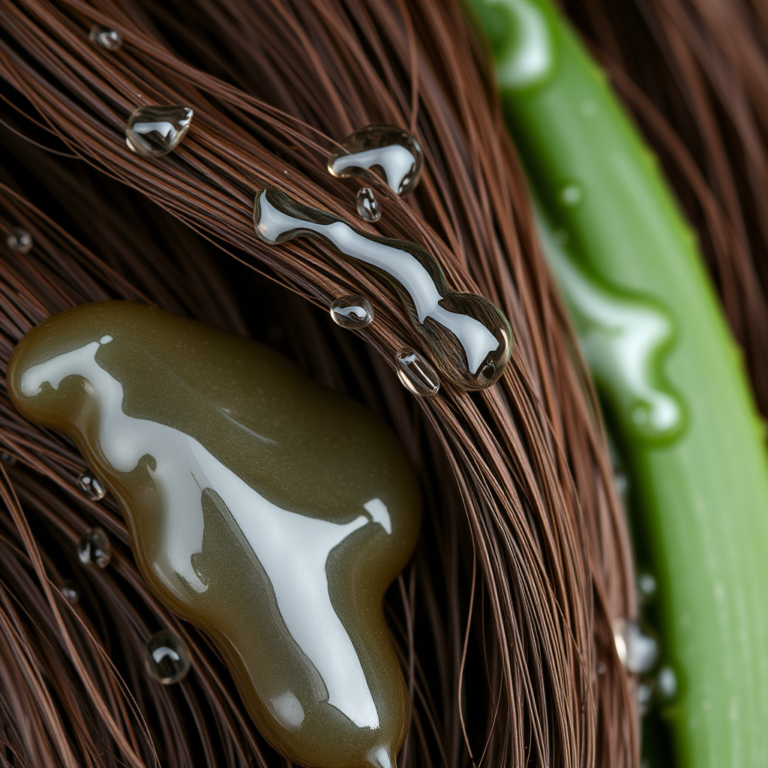
Start by thoroughly washing your hair with a residue-free shampoo to remove buildup that can cause locs to smell or deteriorate. Follow with a lightweight conditioner to moisturize without weighing the hair down or leaving residue. It's important your hair is clean to allow the locs to lock properly.
Avoid heavy oils or silicones after washing as these can prevent your hair from locking well. After conditioning, rinse completely and allow your hair to air dry or lightly towel dry, retaining some moisture which helps with the twisting process.
Sectioning and Detangling
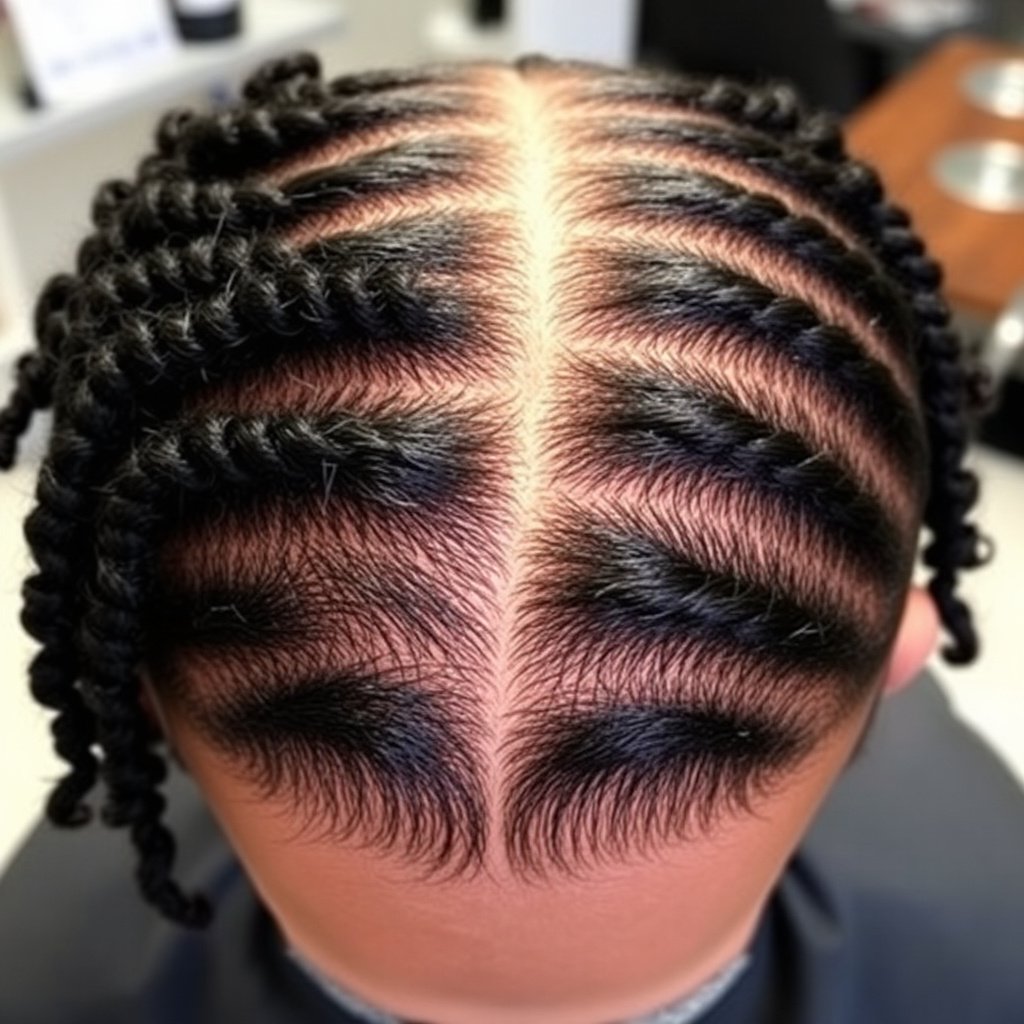
Use a tail comb to divide your hair into neat, uniform sections of your desired loc size. Smaller sections produce thinner locs; larger sections create chunkier styles. Secure each section with clips or bands to keep them separate.
Detangle each section carefully with a wide-tooth comb or fingers to prevent knots, which can interfere with the twist or braid foundation of your soft locs. Maintaining section uniformity ensures an even, polished look.
Choosing Extensions and Tools for Soft Locs
Selecting the Right Hair Extensions
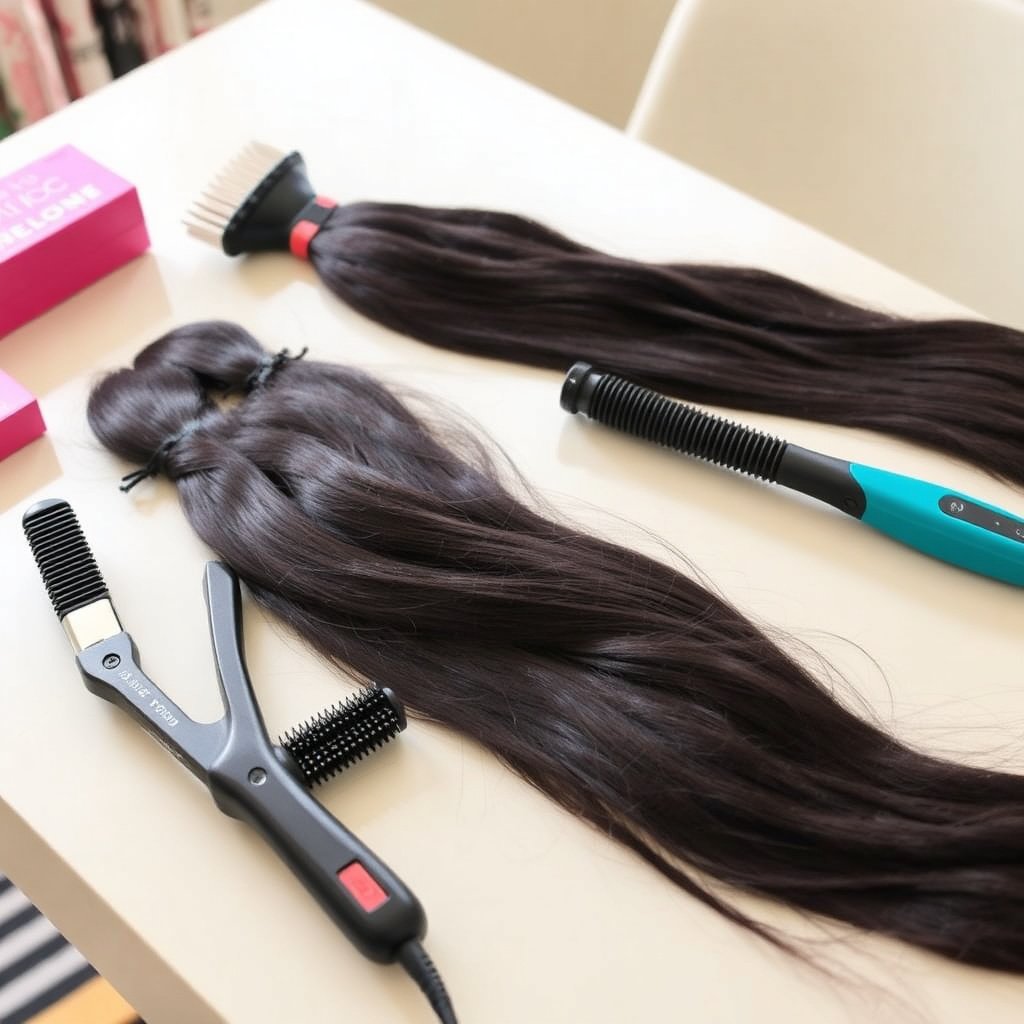
Synthetic hair like Kanekalon is most popular for soft locs because of its texture and flexibility, closely mimicking natural hair. You can opt for pre-curled or straight extensions depending on your style preference. Always choose high-quality synthetic hair to minimize frizz and tangling.
Human hair extensions are also an option but tend to be heavier and require more maintenance. The choice depends on your budget and the look you want to achieve.
- Kanekalon synthetic hair
- Pre-curled or straight options
- Human hair extensions (optional)
Essential Tools and Products
Basic tools include a rattail comb for sectioning, clips or bands to secure sections, and a spray bottle with water to keep hair moisturized. A good twisting gel or locking cream designed not to flake or harden your hair is essential for holding the loc without stiffness.
Optional items like crochet hooks help with tightening and shaping the locs after installation. Moisturizing sprays and light oils keep the locs nourished post-installation.
- Rattail comb
- Twisting or locking gel
- Moisturizing spray
- Crochet hook
Step-by-Step Soft Loc Installation Process
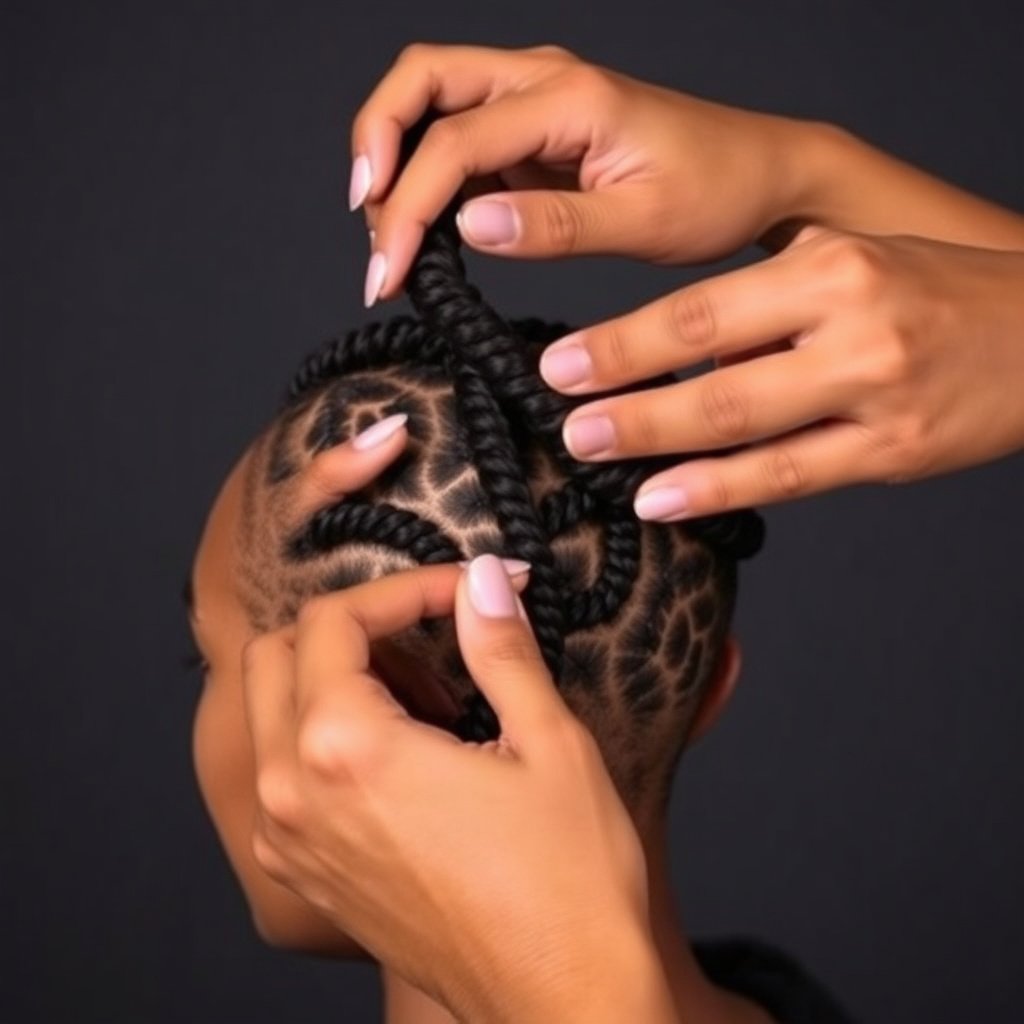
Creating the Foundation Twist or Braid
Begin with a damp hair section and apply a small amount of twisting gel to enhance grip. If you prefer, braid the section half-way for a stronger base, or twist it tightly if you want a sleek look. Some choose a two-strand twist for softness, while others prefer three-strand braids for durability.
Ensure the foundation is firm at the scalp but not too tight to avoid tension headaches or hairline damage. This foundation will be the anchor for wrapping the extension hair.
For more on this, see our related guide: Your Guide to Butterfly Locs Crochet Hair: Choosing With Confidence.
Wrapping Extensions for Soft Locs
Take the synthetic hair extension, fold or fan it, and begin wrapping it around the foundation twist tightly but smoothly. Wrap in a spiral motion from root to tip to create an even, loc-like appearance. The wrapping technique prevents bulkiness and promotes the signature softness of these locs.
Secure the end of the loc by tucking the extension hair into itself or using a small rubber band if necessary. Repeat for each section until the entire head is completed.
Caring for Your Soft Locs Over Time
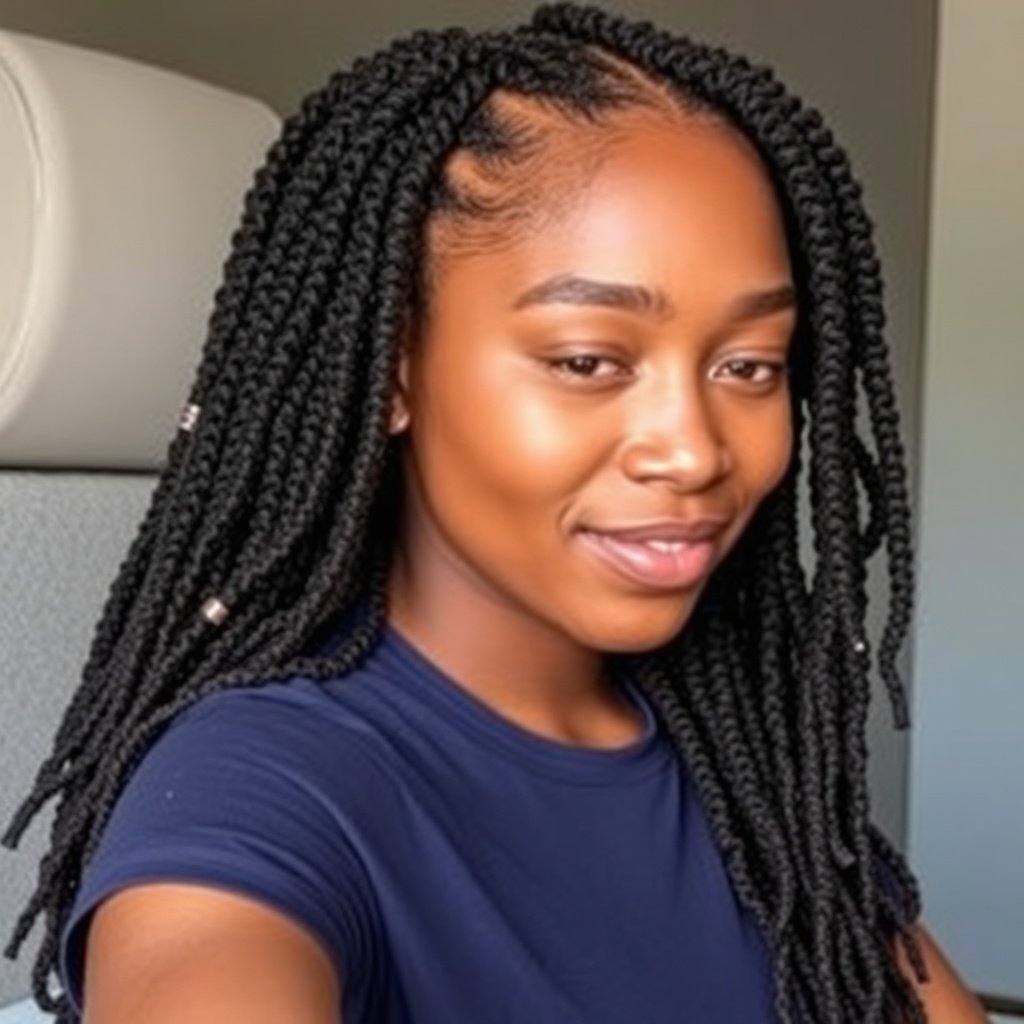
Routine Maintenance and Hygiene
Keeping your scalp clean with gentle washes every 1-2 weeks prevents buildup and itching without disrupting the locs. Use residue-free, moisturizing shampoos. Dry your hair thoroughly to avoid mildew inside the locs.
Between washes, spritz with water and use a light leave-in conditioner or moisturizing spray designed for locs to maintain flexibility and softness.
- Gentle shampoo every 1-2 weeks
- Thorough drying after washing
- Regular moisturizing sprays
Retwisting and Repairing Loose Locs
Soft locs require occasional retwisting at the roots to maintain neatness, usually every 4-6 weeks. Apply a light twisting gel and carefully twist new growth to blend with existing locs. Avoid over-tightening to protect follicles.
If a loc loosens or unravels, you can repair it with a crochet hook or by carefully wrapping extension hair again. Prompt repairs keep your style looking fresh and prevent tangling.
- Retwist every 4-6 weeks
- Use light gel to avoid stiffness
- Repair loosened locs promptly
Common Mistakes When Doing Soft Locs

Avoiding Overly Tight Installation
Pulling hair too tight during sectioning, twisting, or wrapping creates discomfort and potential damage like traction alopecia. Soft locs should feel secure but gentle at the roots to allow scalp circulation.
If locs feel painful or the scalp is red near the hairline after installation, loosen the sections before continuing to prevent hair loss.
For more on this, see our related guide: Distressed Locs Guide: What to Know Before You Buy.
Preventing Build-up and Product Residue
Using heavy waxes or non-water-soluble products can cause buildup inside locs over time, leading to odor or breakage. Stick to light gels and cleansing shampoos formulated for loc care.
Rinse hair thoroughly after product application and washing to keep locs fresh and healthy.
Styling Soft Locs for Various Looks

Simple and Everyday Styles
Soft locs can be worn down for a natural, flowing appearance or pulled into ponytails and buns for convenience. Their lightweight texture supports gentle everyday styling without causing scalp strain.
Accessorize with beads, cuffs, or wraps to personalize your look without disrupting the loc structure.
- Loose styles
- Low ponytails
- Beads and hair cuffs
For more information on the history and cultural significance of loc hairstyles, you can explore Dreadlocks on Wikipedia. Dreadlocks on Wikipedia.
Special Occasion and Protective Styles
Updos like high buns or elegant twists showcase soft locs beautifully for formal occasions. Rope twists or partial loc braids add texture for unique styles.
Protective styles also help extend loc lifespan by reducing friction and breakage during sleep or physical activity.
- High buns and twists
- Partial braid accents
- Protective sleeping styles
Soft Locs Installation Methods Comparison
Here’s a comparison of common soft loc installation techniques to help you choose the right one for your hair texture and style goals.
| Method | Skill Level | Time to Install | Durability | Hair Texture Best For |
|---|---|---|---|---|
| Two-Strand Twist with Extensions | Beginner to Intermediate | 4-6 hours | Moderate | All hair types, especially natural |
| Three-Strand Braid with Extensions | Intermediate | 5-7 hours | High | Thick or coarse hair |
| Interlocking Soft Locs | Advanced | 6-8 hours | Very High | Coarser, mature hair |
| Crochet Wrapping Method | Advanced | 3-5 hours | Moderate | Any hair type but requires practice |
Frequently Asked Questions
Can I do soft locs on chemically treated hair?
Yes, soft locs can be installed on chemically treated hair, but extra caution is needed as bleached or relaxed hair tends to be fragile. Moisturizing treatments before and after installation help maintain hair health.
How long do soft locs typically last before needing to be redone?
Soft locs usually maintain their look for about 4 to 8 weeks before requiring retwisting or repair depending on hair growth and styling habits.
Are soft locs damaging to natural hair?
When done properly without excessive tension, soft locs protect natural hair by reducing manipulation and breakage, promoting healthy growth.
Can I wash my hair with soft locs installed?
Yes, you can shampoo soft locs carefully with residue-free products every 1-2 weeks, drying thoroughly afterward to prevent buildup or mildew.
What products are best for maintaining soft locs?
Lightweight moisturizers, water-based leave-in conditioners, and specialized twisting gels designed for locs help maintain softness and reduce frizz.
Key Takeaways
- Soft locs combine protective twisting with hair extensions for a natural, lightweight style.
- Proper hair prep and skillful wrapping are essential for lasting, healthy locs.
- Regular maintenance avoids build-up and keeps locs soft and neat.
- Avoid tight installation and heavy products to protect hair follicles.
Conclusion
Approaching the process of how to do soft locs means balancing aesthetics with hair health from start to finish. Effective sectioning, selecting the right extensions, and mastering the twist-and-wrap technique create the foundation for beautiful, natural-looking locs that can last weeks with care. Paying attention to scalp comfort and avoiding too-tight wrapping preserves hair follicles and prevents breakage, ensuring the style remains enjoyable over time.
For those new to soft locs, beginning with the two-strand twist method offers manageable installation with reliable results, especially for softer or natural hair textures. Intermediate stylists might prefer three-strand braids for increased durability, particularly on thicker hair. Regardless of the method, keep maintenance on schedule using gentle cleansing and moisturizing routines. Using recommended products such as water-based gels and sprays helps maintain softness and reduces frizz, which supports the longevity of soft locs.
If you’re inspired to try soft locs yourself, prepare your hair carefully, invest in quality synthetic extensions, and follow the detailed steps for sectioning and wrapping. Whether you visit a stylist or do it at home, consistent upkeep is key to healthy, attractive locs. Consider your daily schedule and hair type to select the installation method that suits your lifestyle. For ongoing success, incorporate soft locs maintenance tips shared above and embrace gentle styling practices to keep your locs looking fresh and natural.