How to Do Passion Twists with Crochet: A Step-by-Step Guide
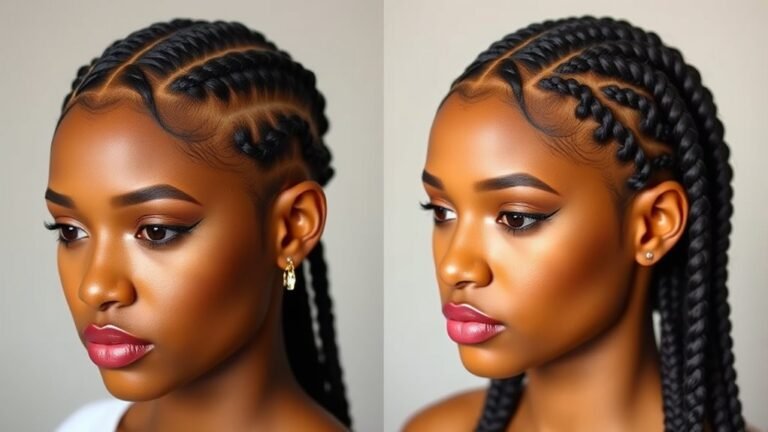
Passion twists with crochet can be done by starting with clean, detangled natural hair, sectioning it properly, and using pre-twisted or synthetic hair extensions looped through a crochet needle. This technique achieves long, curly, and textured twists that last for weeks and give a stylish, protective look without the tension of traditional twists.
This method matters because passion twists are not only stylish but also help protect natural hair from daily manipulation and environmental damage. Using crochet techniques reduces the time needed to install twists and helps prevent scalp stress, making it a popular choice among natural hair enthusiasts seeking both beauty and hair health.
In this article, you’ll learn which hair types work best for passion twists, the complete list of materials needed, step-by-step installation instructions, tips to maintain your twists, and a comparison of crochet versus twist-on methods. By the end, you'll be ready to create gorgeous passion twists with crochet that look professional and last.
Choosing the Best Hair for Passion Twists with Crochet
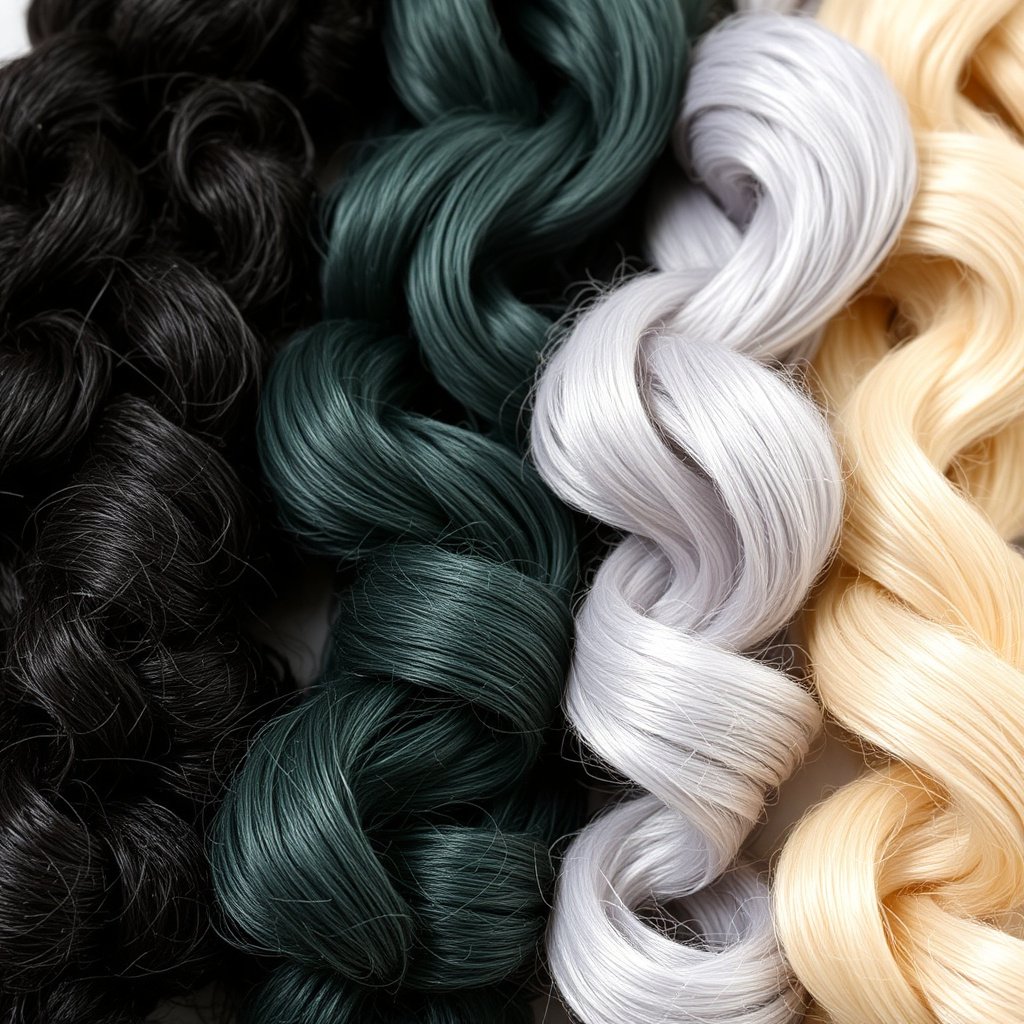
Types of Synthetic Hair Suitable for Passion Twists
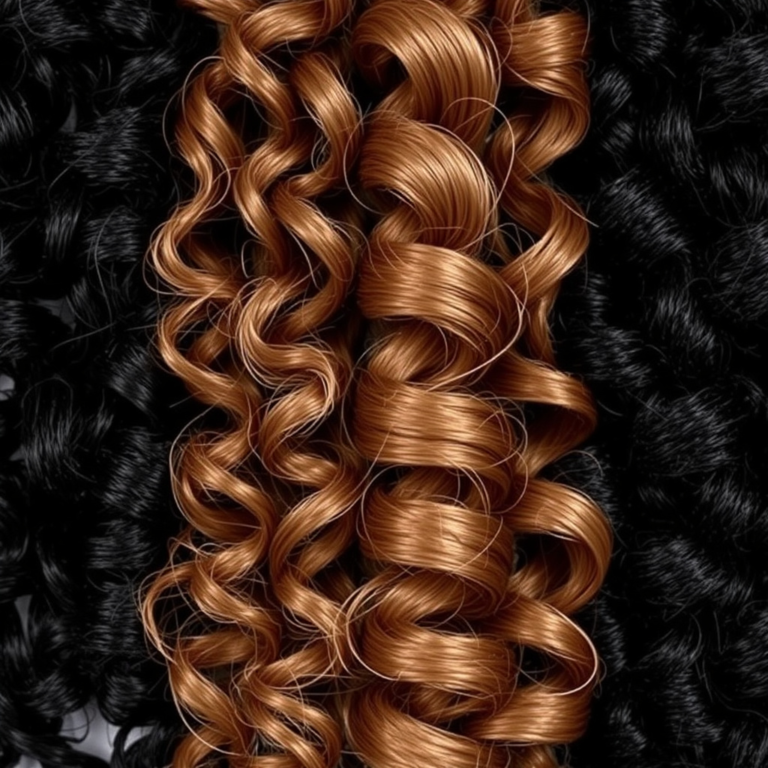
When doing passion twists with crochet, selecting the right synthetic hair can affect the overall look and longevity. Hair like Marley hair or kanekalon is popular because it mimics natural textures and holds twists well without unraveling quickly.
Heat-resistant synthetic options allow you to style the twists after installation, while standard synthetic hair provides a matte finish that blends well with natural hair. Choosing the right texture that matches your hair will give the most natural appearance.
- Marley hair for natural, coarse texture
- Kanekalon for smooth finish and curl definition
- Heat-resistant options for styling flexibility
- Avoid overly shiny hair to maintain a natural look
Length and Color Considerations
The length of hair you choose depends on the desired final look. Typically, 14 to 18 inches works well for shoulder-length to mid-back passion twists. Longer hair provides more styling options; however, it can increase installation time and maintenance.
For color, consider natural shades for subtle styles or vibrant colors for a bold statement. Many prefer ombré or two-tone hair for a dimensional effect. Matching the hair color closely to your natural hair creates a seamless blend.
- 14-18 inches is a common length range
- Select color based on skin tone and style goals
- Ombre and two-tone options add depth
- Avoid colors that fade quickly under sunlight
Essential Materials Needed for Passion Twists with Crochet
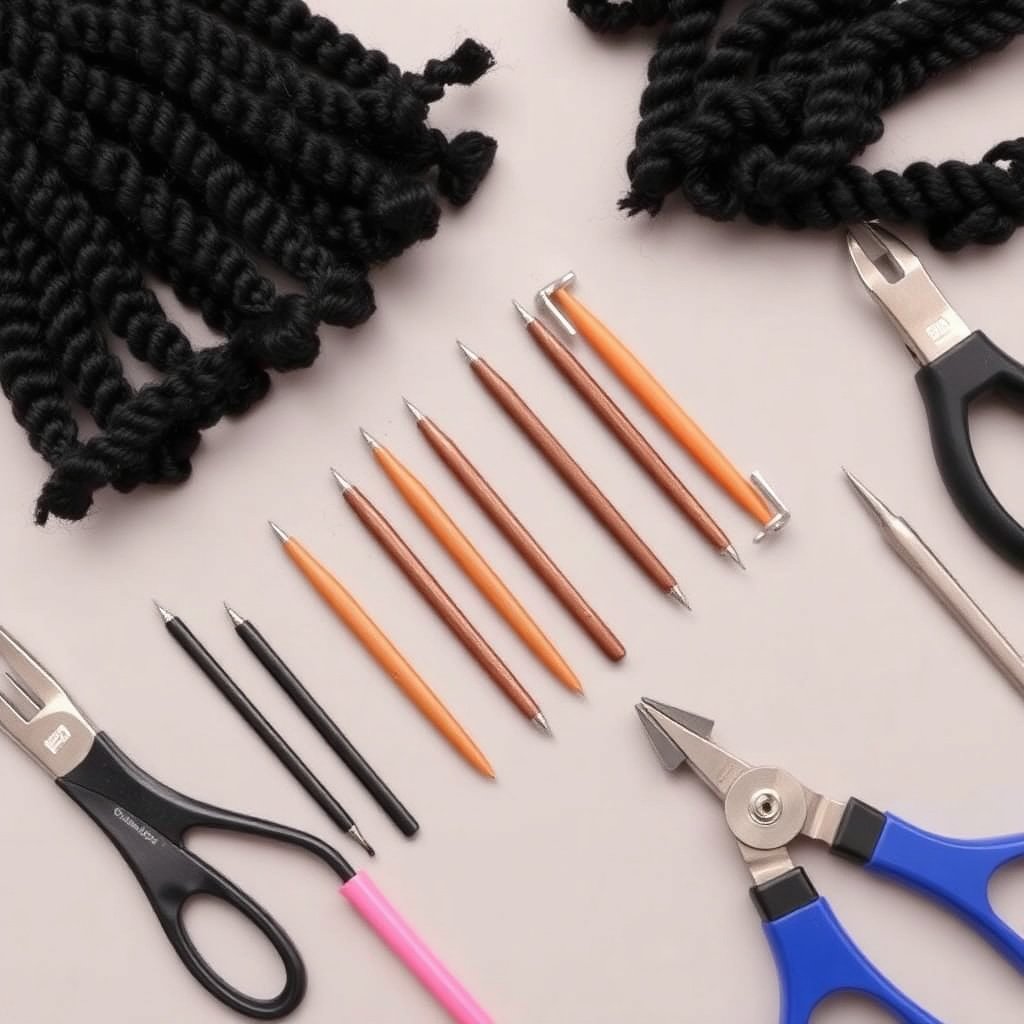
Tools and Accessories
To install passion twists with crochet, you will need a medium or large-size crochet needle designed to loop hair through your natural braids with ease. Additionally, having small rubber bands or clips, scissors, and a rat-tail comb will help create neat sections and secure ends.
Edge control gel or styling mousse can smooth edges and hold the twists in place, while a mirror setup ensures precision during installation. These tools make the process efficient and provide a polished finish.
- Medium/large crochet needle
- Rat-tail comb for parting
- Small rubber bands or clips
- Edge control or styling mousse
- Scissors to trim ends
For more on this, see our related guide: Your Guide to Crochet Passion Twist Hair: Choosing With Confidence.
Hair Preparation Products
Preparing your natural hair properly before installation is crucial for long-lasting results. Moisturizing sprays and leave-in conditioners keep hair hydrated, while setting lotions help manage frizz.
Some prefer light oils to seal in moisture before braiding. Clean and well-prepped hair allows twists to lay flat and reduces scalp irritation during wear.
- Leave-in conditioner
- Moisturizing spray
- Setting lotion or foam
- Light natural oil for sealing
- Clarifying shampoo used prior to braiding
Step-by-Step Installation of Passion Twists with Crochet

Preparing Natural Hair and Braiding
Begin by thoroughly cleansing and moisturizing your natural hair. Section your hair into manageable, even parts using a rat-tail comb. Each section will become the base for one passion twist.
Braid your natural hair into small, tight three-strand braids or cornrows. The size of these braids determines the final twist thickness. Secure ends with rubber bands if necessary to prevent unraveling during crochet installation.
- Clean and moisturize hair thoroughly
- Part hair into uniform sections
- Braid each section into three-strand braids or cornrows
- Secure braid ends with rubber bands
Crocheting the Passion Twists
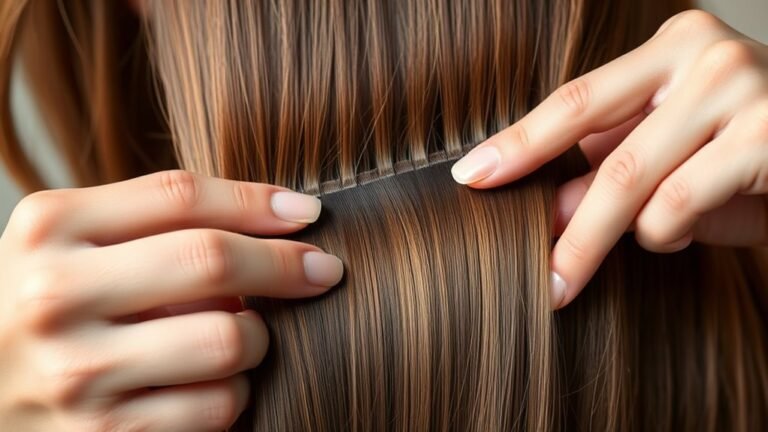
Using the crochet needle, insert it under the base braid and latch the synthetic hair loop onto the hook. Pull the loop through to create a closed latch. Then, unravel the synthetic hair if needed and twist it around itself around the natural braid.
Continue twisting down the length, ensuring the synthetic hair wraps tightly and evenly without gaps. To secure the end, seal with hot water if the synthetic hair allows or tuck the tip back into the twist for a neat finish.
- Insert crochet needle at braid base
- Loop synthetic hair and pull through
- Twist synthetic hair around natural braid tightly
- Seal or tuck ends for durability
Maintenance Tips for Longevity and Style

Daily and Weekly Care Routine
To extend the life of passion twists installed with crochet, regularly mist your scalp with a moisturizing spray to prevent dryness. Wearing a satin or silk scarf at night minimizes friction and frizz, preserving the twists' smooth texture.
Avoid heavy products that can cause buildup, and gently cleanse your scalp once a week using diluted shampoo applied with a cotton ball to maintain hygiene without disturbing the twists.
- Moisturize scalp with light sprays regularly
- Wear satin or silk scarf or bonnet at night
- Avoid heavy creams and oils
- Cleanse scalp gently weekly
Styling and Refreshing Passion Twists
To keep your passion twists looking fresh, occasionally apply a light mousse or setting foam to reduce flyaways. You can also retwist any loose sections by hand or carefully use a curling wand on heat-resistant synthetic hair.
Styles like half-up ponytails or bun variations add versatility while protecting the twists from daily wear. Refreshing edges with a small brush and lightweight gel maintains a clean appearance.
- Use mousse or setting foam sparingly
- Retwist loose ends by hand
- Heat-style with care on heat-resistant hair
- Keep edges smooth with lightweight gel
Comparing Passion Twists with Crochet and Traditional Twist-On Methods

Time and Skill Level Differences
Using crochet methods is generally faster, especially for beginners, since the synthetic hair is looped and twisted onto pre-braided hair. Traditional twist-on requires manually twisting the hair extension with natural hair strand by strand, which is time-consuming.
Crochet allows for a more uniform twist and reduces tangling, while twist-on demands more skill to achieve consistent tension and look. Thus, crochet suits those seeking quick installation without sacrificing style.
- Crochet is faster and beginner-friendly
- Twist-on takes longer and needs more skill
- Crochet reduces tangling
- Twist-on offers more control for twist tightness
For a broader understanding of natural hairstyles like passion twists, you can explore this detailed Wikipedia article. Passion twists hairstyle details.
Durability and Styling Versatility
Passion twists installed by the twist-on method often feel more natural and can last slightly longer since hair is directly twisted with extensions, creating a secure hold. Crochet twists may loosen faster but are easier to refresh or remove.
Both methods allow for versatile styling, but twist-on might offer more natural weight distribution. Crochet styles are less damaging to the scalp and are excellent for experimenters or those needing frequent style changes.
- Twist-on is more durable long-term
- Crochet twists easier to install and remove
- Both methods support various styles
- Crochet reduces scalp tension compared to twist-on
Passion Twists Installation Method Comparison
Here’s a comparison of crochet versus traditional twist-on techniques to help you decide which installation method suits your needs best.
| Method | Installation Time | Skill Level | Durability | Scalp Comfort |
|---|---|---|---|---|
| Crochet | 1-3 hours | Beginner to Intermediate | Moderate (3-6 weeks) | High comfort, low tension |
| Twist-On | 3-6 hours | Intermediate to Advanced | High (4-8 weeks) | Moderate comfort, more tension |
| Freehand Twists | Varies widely | Advanced | Moderate | Moderate to high tension |
| Braids with Twists | 3-5 hours | Intermediate | High | Comfort varies |
Frequently Asked Questions
Can I do passion twists with crochet on all hair types?
Yes, passion twists with crochet work best on natural, textured hair that can hold braids securely. Those with fine or straight hair may need extra products or smaller braids for the twists to stay in place.
How long do passion twists with crochet typically last?
With proper care, passion twists installed with crochet can last between 3 to 6 weeks. Longevity depends on hair growth rate and maintenance routines.
Is synthetic hair necessary for passion twists with crochet?
Using synthetic hair is common because it holds the twist shape and texture well. However, some prefer human hair extensions, but they may not retain the passion twist curl pattern as effectively.
Can I wash my hair while wearing passion twists with crochet?
Yes, you can wash your scalp gently with diluted shampoo while wearing passion twists, but avoid excessive soaking to prevent loosening the twists. Moisturizing regularly is recommended.
Are passion twists with crochet damaging to natural hair?
When installed and maintained properly, crochet passion twists are a protective style that minimizes damage by reducing tension and manipulation. Avoid excessively tight braiding to protect your scalp.
Key Takeaways
- Passion twists with crochet offer a quicker, less tense alternative to traditional twist methods.
- Choosing the right synthetic hair and length affects the style's natural look and durability.
- Proper hair preparation and maintenance extend the lifespan of crochet passion twists.
- Comparing installation methods helps select the best technique based on skill and desired longevity.
Conclusion
Deciding how to do passion twists with crochet involves weighing factors like installation time, hair type, and desired style durability. The crochet method stands out as an accessible and scalp-friendly technique, especially for those newer to twist installations or anyone seeking a less time-intensive option. Considering your natural hair texture and preferred twist thickness will guide your choice of hair extensions and braiding pattern, ensuring a comfortable and flattering result.
For those looking for quick styling, using Marley or kanekalon hair in lengths between 14 and 18 inches is ideal. Pair that with a medium crochet needle and simple parting tools to create uniform twists that hold shape well. If you want longer-lasting twists with a more natural feel, traditional twist-on methods might be preferable, though they require more skill and patience. The crochet approach is perfect for experimenting with vibrant colors or protective styles without heavy scalp tension.
If you're ready to try passion twists, start by gathering the recommended synthetic hair and tools, then follow the step-by-step installation guide provided here. Focus on maintaining moisture and protecting your edges during wear to maximize style longevity. Over time, you’ll find what adjustments work best for your hair texture and lifestyle, making passion twists with crochet a versatile and beautiful addition to your natural hair routine.