How to Do a Sew In with Leave Out: A Step-by-Step Guide
A sew in with leave out is a popular hair extension technique that blends natural hair with wefts sewn onto braided sections, leaving out a portion of your own hair for a seamless and natural finish. To do a sew in with leave out, start by braiding your hair close to the scalp, leaving a thin section of hair out around the front or the crown area, which will cover the tracks when the weave is sewn in.
This method protects your natural hair while allowing for versatile styling options because your own hair is partially visible. Leaving out some natural hair helps the extensions blend in smoothly, so the sew in looks realistic and feels lightweight. It’s especially beneficial for those wanting length or volume without sacrificing their natural texture or scalp health.
In this article, you’ll find a clear breakdown of the entire sew in with leave out process including preparing your hair, braiding techniques, choosing the right hair wefts, sewing methods, and maintenance tips to keep your extensions looking fresh longer.
Preparing Your Hair for a Sew In with Leave Out
Washing and Conditioning
Start with thoroughly washed and conditioned hair to ensure a clean base for your sew in hair extensions. Use a moisturizing shampoo and a deep conditioner to nourish your strands, since extensions can put some stress on your natural hair.
Make sure your hair is completely dry and detangled before moving on. This prepares your scalp and hair for the braiding process and helps avoid issues with irritation or discomfort under the weave.
Detangling and Sectioning
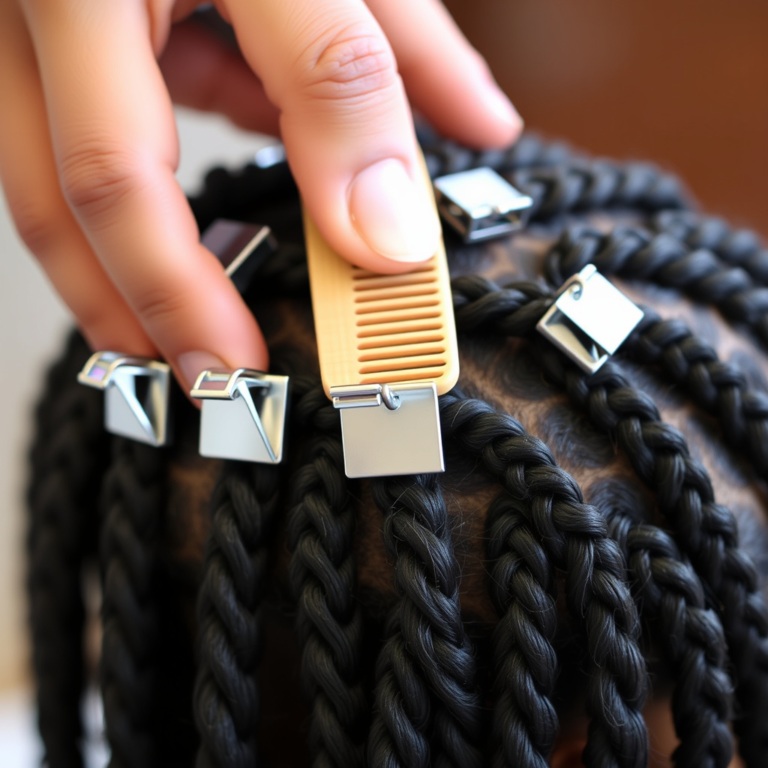
Detangle your hair using a wide-tooth comb or detangling brush to prevent breakage. Once detangled, divide the hair into sections where the braids will be made, and separate the leave out portion clearly.
The leave out area is typically along the front hairline or crown. Secure this section with clips or hair bands to keep it clean and separate from the braided areas, ready to be styled after applying the extensions.
Braiding Techniques for Sew In Hair Extensions

Choosing the Braid Pattern
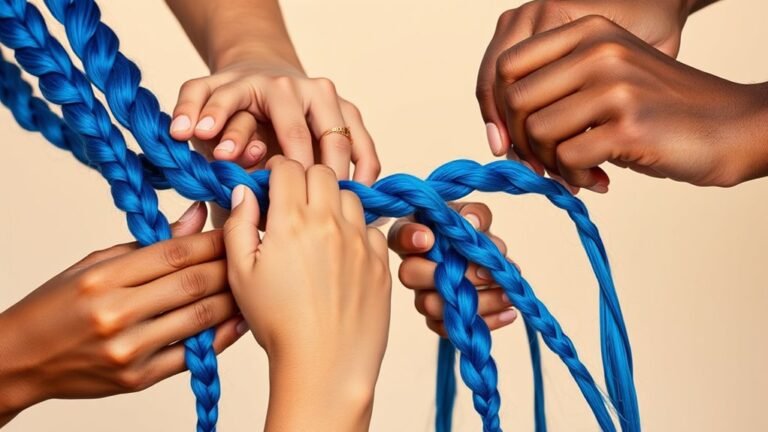
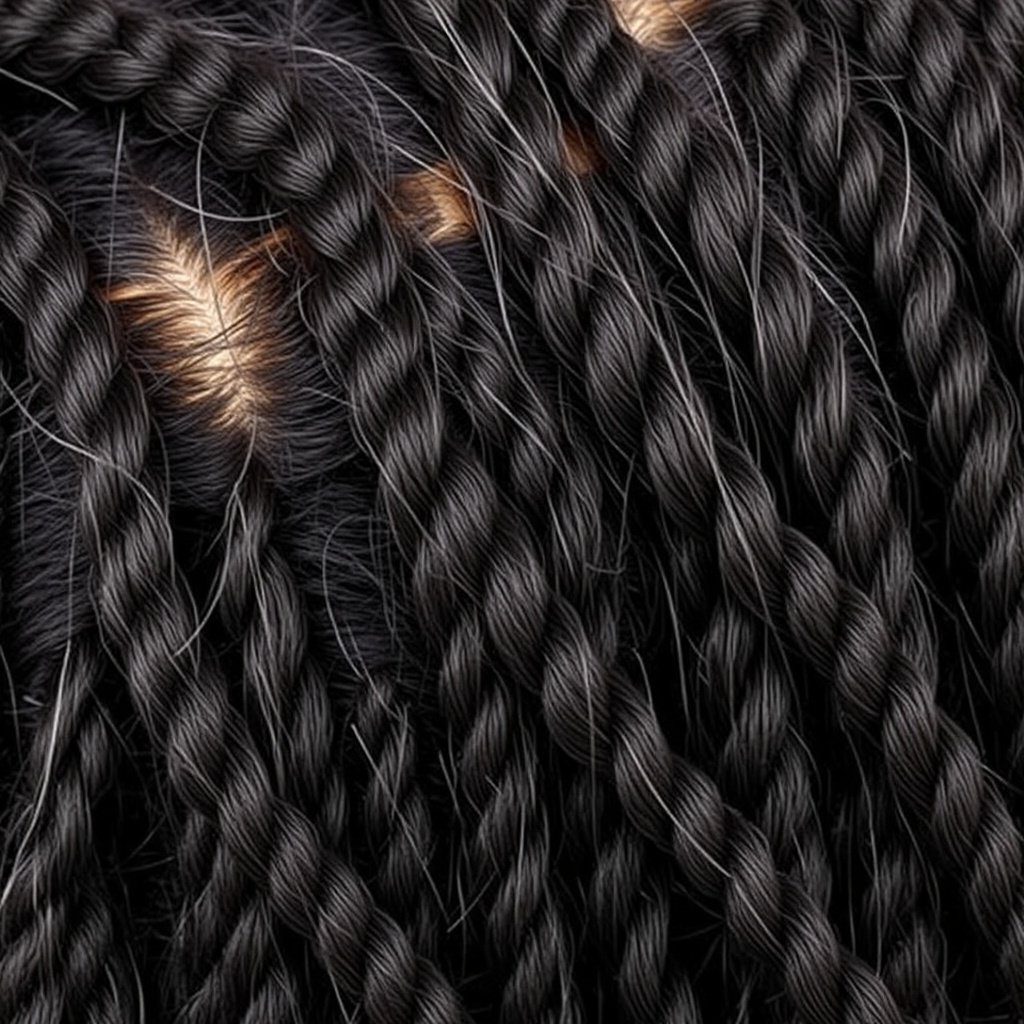
The most common braid pattern for sew ins is the traditional cornrow braid, which lays flat against the scalp and provides sturdy anchors for sewing the wefts. You can choose straight-back cornrows or curved patterns depending on your styling preference.
Ensure the braids are tight but not too tight to avoid scalp discomfort or hair damage. The tightness should balance good hold with comfort.
- Straight-back cornrows offer classic, easy sewing
- Curved cornrows mimic natural hair growth patterns
- Avoid overly tight braids to prevent tension headaches
Securing the Leave Out
The leave out section is not braided but must be carefully separated and styled to cover the tracks once the sew in is completed. This section should be flat and smooth for a natural look.
Use a light styling gel or edge control to sleek the leave out hair and blend it with the extensions for an invisible finish.
- Use gel or mousse for sleek finish
- Avoid bulky styles that reveal tracks
- Comb leave out flat and smooth
Choosing and Preparing Hair Wefts for Your Sew In

Selecting the Right Hair Type
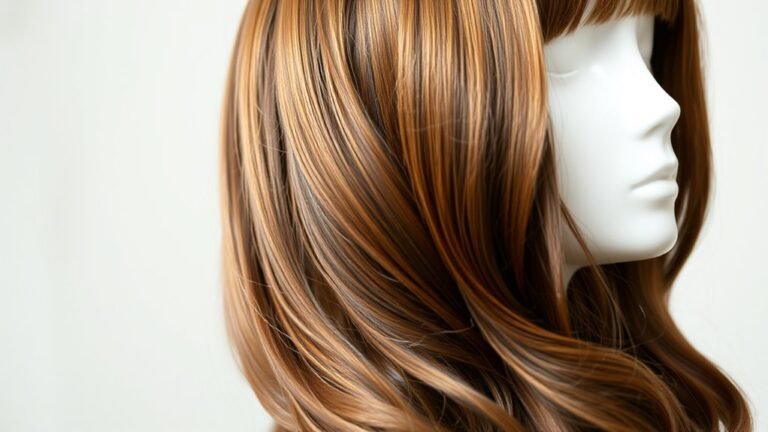
Choose hair wefts that closely match your natural hair texture and color for the best blend. Human hair wefts offer a more realistic appearance and can be styled with heat tools unlike synthetic alternatives.
Consider the length and volume you want—longer wefts provide dramatic length, while shorter ones add volume or bulk.
- Remy human hair is top quality
- Match texture for seamless blend
- Choose length based on styling goals
For more on this, see our related guide: Services Offered by Douglas J Salon: A Complete Guide.
Preparing Wefts for Sewing
Before sewing, measure and cut the hair wefts to fit the length of each braid row. Cut with sharp scissors to prevent fraying. Align the cut ends neatly to sew along the braid.
If desired, you can pre-fold or double the wefts for extra fullness. Some stylists also stretch or steam wefts slightly to make handling easier.
- Cut wefts to braid length
- Use sharp scissors for clean cuts
- Double wefts for volume if needed
Sewing in Hair Extensions with a Leave Out
Sewing Techniques
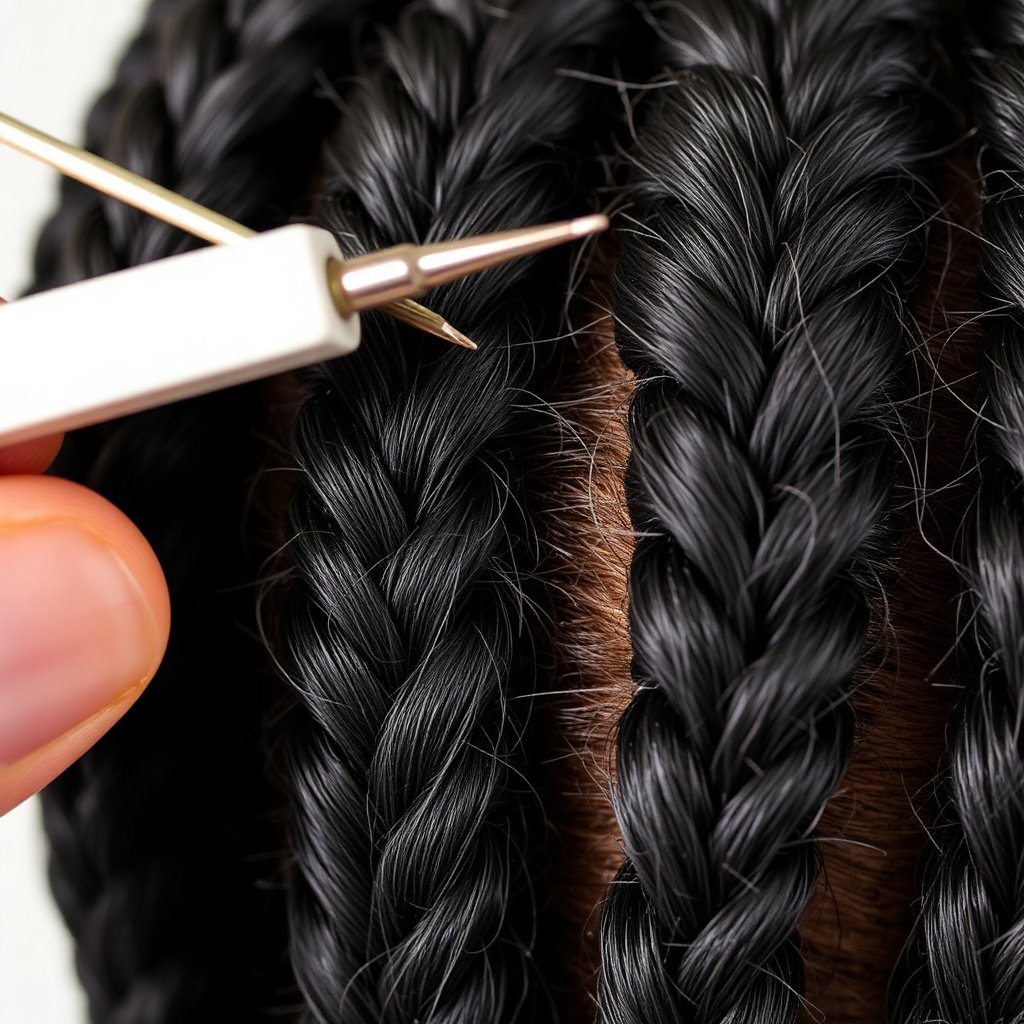
Thread a curved weaving needle with strong thread matching your hair color for invisibility. Begin sewing the wefts onto the braids starting from one end, using a lock stitch to secure the weft without slipping.
Take care to keep stitches close but not too tight, spacing them evenly to avoid creating bumps or lumps, which can show through the leave out.
- Use curved weaving needle for control
- Strong thread in matching color
- Lock stitch for secure hold
- Keep stitches even and spaced
Blending the Leave Out with Extensions
Once all wefts are sewn in, style the leave out hair to cover the braids neatly. You can straighten or curl the leave out for a seamless blend that hides the tracks and natural hair transitions perfectly.
This blending creates the illusion that the extensions are your natural hair, allowing for flexible styling including parting and updos.
- Style leave out to cover braids
- Use heat tools for curl or straight
- Blend leave out with extensions
Maintaining Your Sew In Hair Extensions

Daily Care
Keep your sew in hair extensions looking fresh by moisturizing your scalp regularly with light oils or sprays designed for weaves. Avoid heavy products that can cause build-up on the braids and wefts.
Wrap your hair with a satin or silk scarf at night to protect both your leave out and extensions from friction and tangling.
- Use lightweight oils for scalp
- Avoid heavy creams
- Protect hair at night with satin wrap
For more on this, see our related guide: Haute Pink Sew in Services & Salon: What Services Can You Expect?.
Washing and Styling
Wash your hair gently about once a week using sulfate-free shampoo and conditioner specifically for extensions. Focus on cleaning your scalp and the braids without rough rubbing to maintain the longevity of the sew in hair extensions.
Style carefully using heat tools on moderate settings and avoid over-manipulating to reduce breakage to your natural hair and the extensions.
- Use sulfate-free shampoo
- Wash hair weekly
- Use low heat settings
- Avoid excessive styling
Troubleshooting Common Sew In with Leave Out Issues

Dealing with Itchiness and Tightness
Itchiness or tight braids are often due to braiding too tightly or sweat build-up. Applying a soothing scalp spray or anti-itch treatment can help alleviate discomfort.
If the braids feel painful or cause headaches, loosening them or consulting a professional for adjustment is recommended to prevent hair damage.
- Use calming scalp sprays
- Keep braids loose, not tight
- Consult stylist if discomfort persists
For more detailed explanations about braiding patterns commonly used in sew in hair extensions, refer to this article on braiding techniques. braiding techniques.
Hiding Visible Tracks and Bumps
Sometimes tracks or sewn areas may be visible through the leave out. Use edge control products and strategic styling to lay the leave out flat over the braids.
If bumpiness occurs, it might be caused by uneven sewing or thick wefts. Adjust stitching or consider thinner wefts for a smoother finish.
- Use edge control for sleek finish
- Style leave out strategically
- Adjust stitching if bumps appear
Sew In with Leave Out vs Other Hair Extension Methods
This table highlights the key differences among popular hair extension techniques including sew ins with leave out.
| Category | Durability | Natural Look | Installation Time | Maintenance | Styling Flexibility |
|---|---|---|---|---|---|
| Sew In with Leave Out | 6-8 weeks | High | 2-4 hours | Moderate | High |
| Clip-In Extensions | Daily wear only | Medium | 15-30 minutes | Low | Very High |
| Tape-In Extensions | 4-6 weeks | High | 1-2 hours | Moderate | Medium |
| Fusion/Pre-Bonded | 3-4 months | Very High | 3-5 hours | High | Medium |
| Micro-Link Extensions | 2-3 months | High | 2-4 hours | Moderate | Medium |
Frequently Asked Questions
Can I wash my hair with sew in extensions and leave out?
Yes, you can wash your hair with sew in extensions and leave out. Use a gentle, sulfate-free shampoo and condition your hair carefully, focusing on the scalp and braids while avoiding rough handling of the leave out.
How long does a sew in with leave out usually last?
A sew in with leave out typically lasts between 6 to 8 weeks with proper care and maintenance before requiring reinstallation or adjustment.
Is a sew in with leave out damaging to natural hair?
Sew ins with leave out can protect natural hair when done properly with careful braiding and not too tight tension. However, excessive tightness or improper care may cause damage, so professional installation and maintenance are recommended.
Can I style the leave out hair like my natural hair?
Yes, the leave out section is your natural hair and can be styled freely with heat tools or products, allowing you to create a seamless blend with your sew in hair extensions.
What hair type works best for sew in hair extensions?
Sew in hair extensions work best on hair that is medium to thick and can be braided securely. Matching the texture of the extensions to your natural hair enhances the overall look.
Key Takeaways
- A sew in with leave out blends natural hair and extensions seamlessly through braided wefts and strategically left out hair.
- Preparation includes washing, conditioning, detangling, and sectioning the leave out hair carefully.
- Proper braid pattern and tension are vital to hair and scalp health.
- Maintenance involves gentle washing, moisturizing, and protecting hair at night.
Conclusion
Choosing a sew in with leave out as your hair extension method requires thoughtful planning and skillful execution. Throughout the process, the focus is balancing a natural appearance with the protection of your natural hair. This technique’s main appeal lies in leaving out a section of your own hair, which conceals tracks and creates an undetectable merge between your natural hair and extensions. Careful attention to washing, braiding, sewing, and styling ensures your hair looks great and stays healthy while wearing the extensions out for several weeks.
For those seeking durability combined with styling versatility, a sew in with leave out fits a range of hair types, particularly medium to thick textures that hold braids well. If you want quick installation or regularly change looks, clip-in extensions provide faster styling but less longevity. Tape-ins or fusion methods offer alternatives with different maintenance needs and durability. Still, the sew in remains an excellent choice for those who want volume and length with a seamless, natural finish that can be styled like their own hair.
If you’re considering a sew in with leave out, begin by consulting a skilled stylist or practicing the braiding and sewing techniques carefully at home. Invest in high-quality human hair wefts matched to your texture and learn to maintain your extensions with appropriate products and gentle care. This hands-on approach will give you a beautiful, long-lasting hairstyle that enhances your look while protecting your natural hair.