How to Bleach Knots on a Closure for a Natural Hairline
Bleaching knots on a closure involves lightening the dark, visible knots where hair is tied onto the lace. This process reduces the contrast between the hair and scalp, making the hairline appear more natural and less detectable. The key is a careful bleaching process that avoids damaging the delicate lace or weakening the hair strands.
Many people use lace closures to protect their natural hair and create seamless styles, but the visible black knots can be a giveaway that it's a wig or extension. By bleaching these knots, the lace mimics scalp color better, helping the hairstyle blend smoothly with your skin tone and enhancing overall aesthetics.
This article will walk you through each step of how to bleach knots on a closure, important safety tips to keep your lace intact, recommended products for the best results, and how to handle potential issues like over-lightening or hair breakage. We'll also cover post-bleaching care to maintain your closure’s longevity.
Understanding Bleaching Knots on a Closure

What Are Knots on a Closure?
Knots on a closure are small points where hair strands are manually tied onto the lace base. They secure each hair strand but tend to be visible when the closure is worn, appearing as tiny black dots that can make the hairline look less natural.
The visibility of knots depends on the lace color, hair type, and density. Since the knots sit right at the scalp level, they create a stark contrast on lighter skin tones, which is why many prefer to bleach the knots to mimic scalp color better.
Why Bleach the Knots?
Bleaching knots lightens the black dye in the knots themselves without affecting the surrounding hair much. This makes the lace appear closer to scalp color when installed, helping the closure blend seamlessly.
Bleaching also reduces the appearance of thick, unnatural knot clusters that can draw attention. Instead, it gives the illusion that hair is sprouting naturally from the scalp, enhancing the overall realism of your hairpiece.
Essentials Needed for Bleaching Knots Closure

Tools and Materials
You’ll need a gentle bleach powder formulated for hair, a low-volume developer (20 or 10 volume is best to avoid damage), a mixing bowl, an applicator brush, rubber gloves, and a plastic cap or shower cap.
To protect the lace and strands, have some conditioner or bonding cream ready to apply post-bleach. The proper ratio of bleach and developer is important to minimize hair shedding or lace weakening.
- Bleach powder (lightweight and gentle)
- 20 volume developer (preferably)
- Mixing bowl and brush
- Rubber gloves
- Plastic cap
- Conditioner or bonding cream
Choosing the Right Products
Select bleach and developer products designed for delicate or textured hair to lessen damage. Avoid strong or high-volume developers that can make knots brittle.
Some brands include bond protectors or conditioners mixed with bleach to add strength during the process. Review product instructions comprehensively and consider doing a strand test on the closure to verify results.
Step-by-Step Guide to Bleaching Knots on a Closure

Preparing and Mixing the Bleach
Start by mixing the bleach powder and developer in a roughly 1:2 ratio in a bowl until it reaches a smooth, creamy consistency to ensure easy application and minimum dripping.
Wear gloves to avoid skin irritation, and work in a well-ventilated area to avoid fumes. Mix small batches to keep the bleach fresh and reactive.
For more on this, see our related guide: Your Guide to 4X4 Lace Closure Wigs: Choosing With Confidence.
Applying Bleach to the Knots Safely
Place the closure on a flat surface and, using the brush, carefully apply the bleach only on the knots, avoiding excess bleach on the hair strands to prevent discoloration.
Cover the closure with a plastic cap and let the bleach sit for 10-15 minutes, checking frequently to prevent over-processing which can cause lace damage or hair fallout.
- Use precise brush strokes
- Minimize bleach contact with strands
- Set timer and monitor frequently
Post-Bleaching Care and Maintenance

Rinsing and Neutralizing
After bleaching, rinse the closure thoroughly with lukewarm water to remove all bleach residues. Avoid rubbing the lace during rinsing as this can loosen knots or cause tangling.
Optionally, apply a neutralizing shampoo to stop the chemical processing and balance the hair pH without stripping moisture from the strands.
Conditioning and Drying Tips
Apply a deep conditioner or protein treatment to fortify bleached knots and hair. Leave it on according to package instructions then rinse gently.
Let the closure air dry on a flat surface to prevent lace distortion. Avoid heat or vigorous handling while drying as the lace is more fragile after chemical treatment.
Troubleshooting Common Problems When Bleaching Knots Closure

Over-Bleaching and Yellow Tones
If knots turn too yellow or orange, a washing with a purple shampoo can neutralize and tone down brassiness without further damage.
Always limit bleach time to prevent over-processing. Performing short bleaching sessions with breaks can achieve gradual, controlled lightening safer for your closure.
- Use purple shampoo for toning
- Limit bleach exposure time
For more on this, see our related guide: Your Guide to Lace Frontal Closure: Choosing With Confidence.
Hair Breakage and Lace Damage
Excessive bleach or harsh application can weaken hair strands causing breakage or loosen knots. Use gentle products and avoid overlapping bleach on hair.
If lace is damaged, consider patching with lace adhesive or replacing the closure if too fragile. Prevent damage by following precise bleaching and rinsing steps.
- Avoid overlapping bleach
- Use lace adhesive for repairs
Alternative Methods and Enhancements to Bleaching Knots Closure
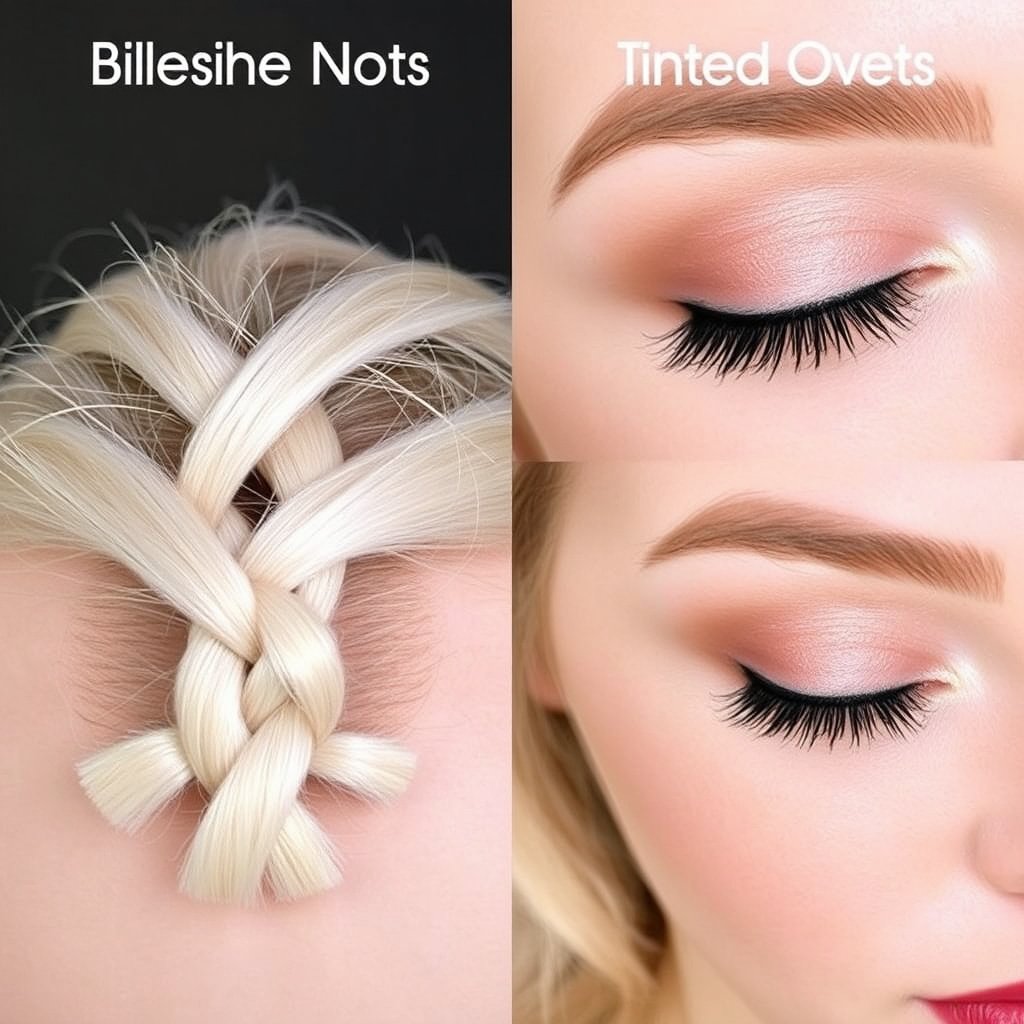
Tinting and Coloring Knots
Instead of bleach, some choose to tint knots with fabric or lace tint sprays in various shades to match skin tone. This is gentler and allows color customization without chemical risks.
Tinting requires reapplication over time as the color washes out, and may not lighten knots enough for very dark knots on light skin.
For a broader understanding of closures and lace wigs, this Wikipedia article provides detailed background information. Wikipedia article on lace wigs.
Using Makeup to Conceal Knots
Applying foundation or concealer specifically designed for lace wigs can mask knot visibility temporarily. This method is less permanent but quick and cost-effective for daily use.
Makeup should be applied sparingly to avoid clumping and maintain lace breathability. This technique works well combined with lightly bleached knots for best results.
Comparison of Bleaching vs Tinting vs Makeup for Hiding Closure Knots
The table below compares popular methods to conceal knots on closures, highlighting their key features, advantages, and drawbacks.
| Method | Effectiveness | Longevity | Risk of Damage | Maintenance Required |
|---|---|---|---|---|
| Bleaching | High – lightens knots visibly | Long-term – lasts until next wash/bleaching | Moderate – chemical can weaken lace | Low – occasional touch-ups needed |
| Tinting | Medium – masks knots with color | Medium – fades after several washes | Low – no harsh chemicals | High – frequent reapplication |
| Makeup Concealing | Low to Medium – temporary coverage | Short-term – daily application | None – no damage risk | Very High – daily application needed |
| Untreated Closure | Low – knots visible | N/A | None | None |
Frequently Asked Questions
How long does it take to bleach knots on a closure?
The bleaching process itself usually takes about 10 to 15 minutes, depending on your desired lightness, plus time for mixing and rinsing. Total time with preparation can be around 30 to 45 minutes.
Can bleaching knots damage my closure?
Yes, excessive or improper bleaching can weaken both the lace and hair strands, leading to breakage or shedding. Using low-volume developer and careful timing reduces damage risk considerably.
How often should I bleach my closure knots?
You typically only need to bleach knots once when you first get the closure. Over-bleaching repeatedly is not recommended as it can damage the lace. Touch-ups can be done after several months if needed.
Is it possible to bleach knots on dark lace closures?
Bleaching knots on dark lace closures can lighten knots but may leave the lace base looking lighter and more noticeable. Many opt for tinting or makeup for darker lace to maintain a natural effect.
Can I bleach knots at home safely?
Yes, with proper materials, attention, and following step-by-step instructions, bleaching knots at home is safe. Testing on a small piece of lace or consulting a professional initially can help prevent mistakes.
Key Takeaways
- Bleaching knots lightens dark knots for a natural hairline on closures.
- Use low-volume developer and gentle bleach formulas to prevent damage.
- Post-bleach care with conditioning is essential for closure longevity.
- Alternative methods like tinting and makeup products offer less risky options.
Conclusion
Bleaching knots on a closure is a practical and effective technique to create a realistic, natural-looking hairline that blends with your scalp. Selecting the right products and following a precise bleaching method helps maintain the integrity of your lace and hair strands, preventing common damage. By carefully monitoring bleach timing and protecting the closure post-process, you can achieve visible lightening of knots without compromising the longevity of your wig or extension piece. This method addresses the common drawback of visible knots, significantly increasing the overall aesthetic appeal.
For those seeking specific recommendations, closures made with Swiss lace or HD lace tend to respond well to gentle bleaching techniques due to their delicate texture. Using a 10 or 20 volume developer with high-quality, lightweight bleach powder will reduce harm while achieving good lightening results. If your lace closure has dark knots but dark lace base, you might consider tinting knots or applying lace tint sprays as an alternative. Additionally, using wig-specific makeup can help contour and conceal knots for short-term enhancements without chemical exposure.
If you plan to bleach knots at home, prepare with all recommended supplies, and practice on a small hair section to understand how your closure reacts before the full application. Remember that less is more when it comes to timing and bleach application. Maintaining the closure by conditioning regularly and proper handling will extend your closure’s life and preserve that natural hairline effect. Ultimately, consistent attention to detail leads to confident styling and a flawless finish.