How to Add an Elastic Band to a Wig for a Secure Fit
Adding an elastic band to a wig is the most effective way to ensure it stays securely on your head without slipping. This simple alteration provides a snug fit by tightening the wig cap around your head, giving you confidence all day long. The process involves attaching a stretchable elastic band to the inside of the wig near the nape area using sewing or clip-in methods.
Elastic bands work by pulling the wig's base inward, which reduces excess space and improves comfort, especially for human hair or lace front wigs that may otherwise feel loose or shift during wear. This small adjustment can make a dramatic difference, particularly if your wig is slightly large or if you have an active lifestyle that involves movement.
In this guide, you'll find step-by-step instructions on how to add an elastic band using sewing and clip methods, tips for choosing the right elastic, and maintenance advice. We'll also cover wig fitting techniques to complement the elastic band addition, making sure your wig fits well and looks natural.
Choosing the Right Elastic Band for Your Wig
Types of Elastic Bands
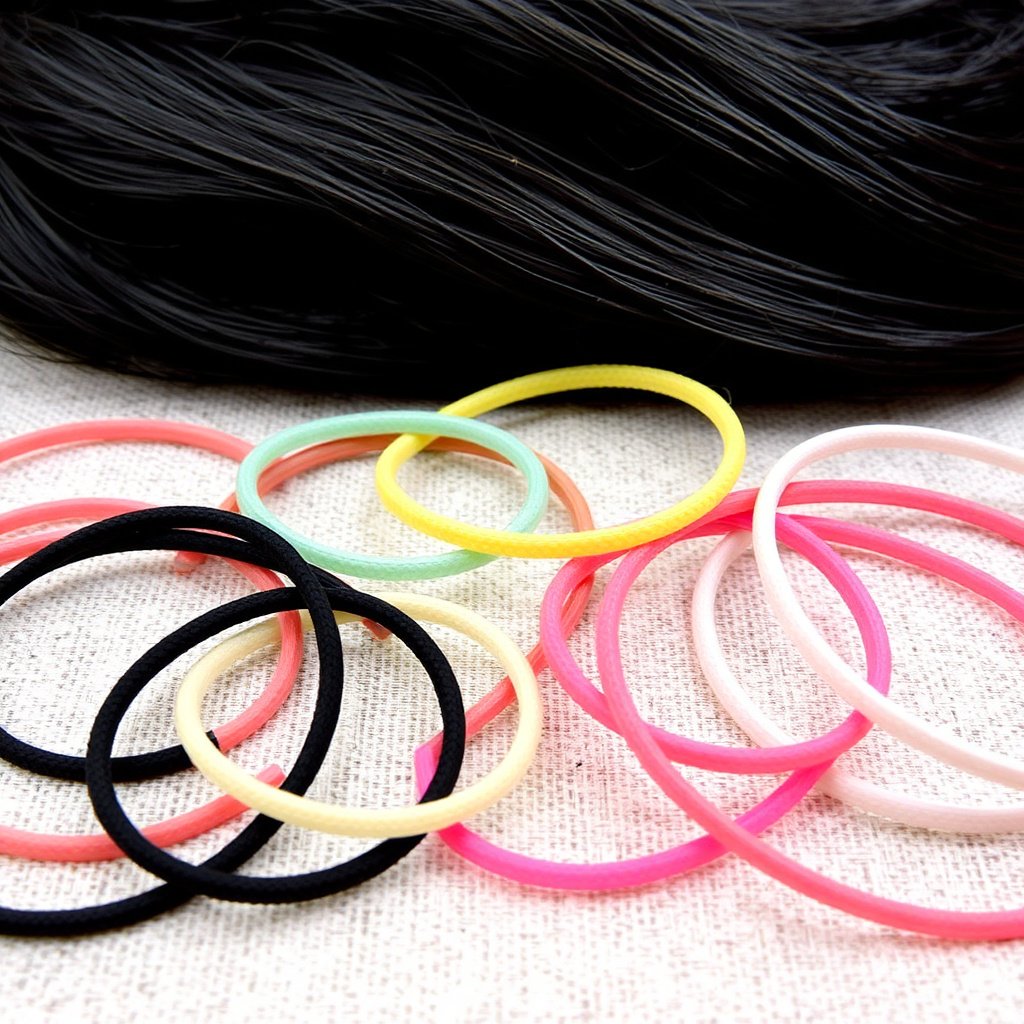
Elastic bands for wigs come in different widths and strengths. Common choices include 1/4 inch and 3/8 inch widths, made of soft stretchable material. The choice depends on how much pull you want and how discreet you want the band to be under your wig.
Narrower elastic bands offer a subtle hold and are less noticeable, ideal for lace front wigs. Wider bands provide stronger grip but may add bulk or restrict comfort if not positioned carefully.
- 1/4 inch soft elastic for light hold
- 3/8 inch elastic for stronger tension
- Sew-in elastic for durability
- Clip-in elastic for removable option
Where to Buy Quality Elastic Bands
You can find elastic bands for wig customization at fabric stores, craft shops, or online retailers. For specialized wig elastic, stores catering to wig makers or beauty supply stores often have better-quality materials designed for scalp comfort.
Look for elastic that stretches easily but recoils well to maintain tension. Avoid bands that are too stiff or rough to prevent irritation during wear.
- Fabric and craft stores
- Online beauty supply websites
- Specialty wig and costume stores
- Check product reviews for softness and durability
Preparing Your Wig for Elastic Band Installation
Identifying Attachment Points Inside the Wig
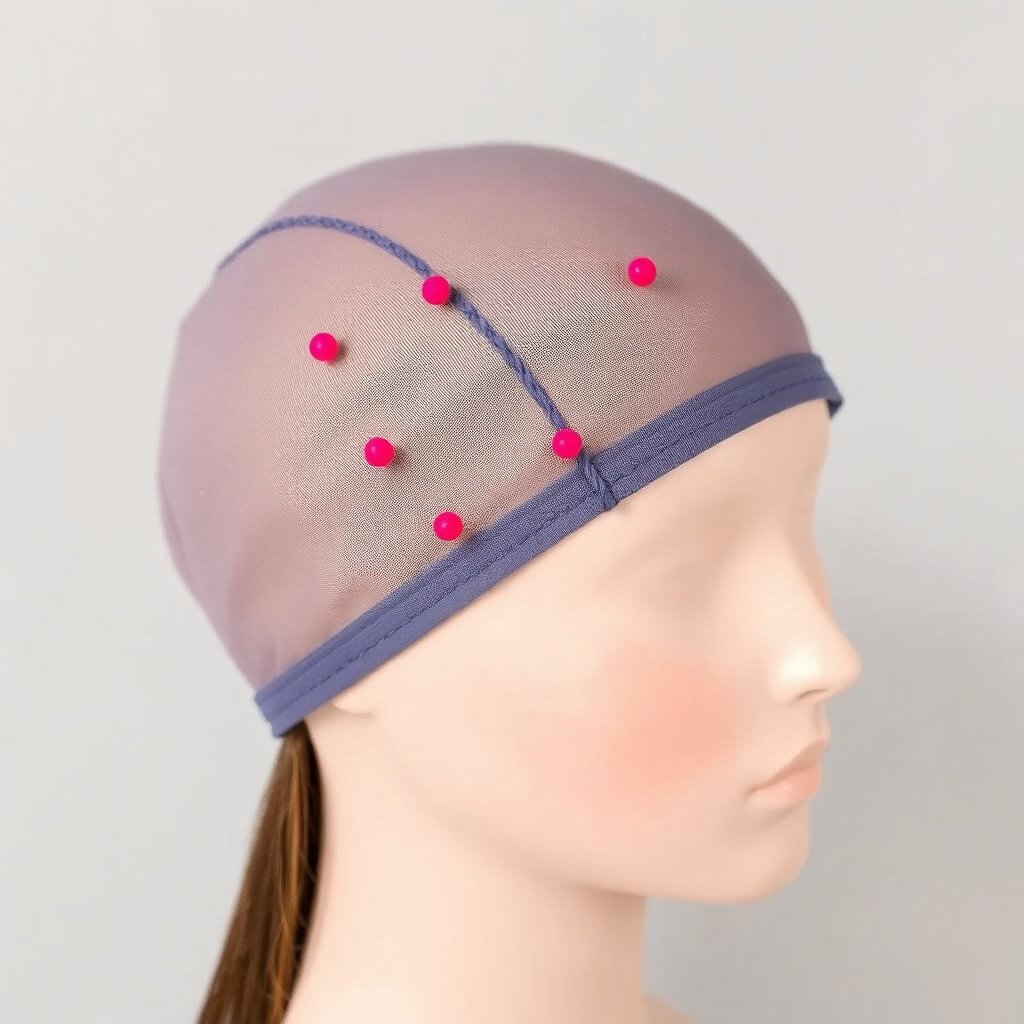
Start by turning your wig inside out to expose the cap. Locate the two small reinforced areas at the nape sides — these are typically where elastic bands are attached for maximum snugness.
Use pins to mark where your elastic will attach. Most wig caps have sturdy bands sewn inside near the ear and nape areas, which serve as ideal secure points for stitching or clipping the elastic band.
- Turn wig inside out
- Identify reinforced bands at nape
- Pin attachment points on both sides
For more on this, see our related guide: Do Wigs Damage Your Hair? The Complete Answer.
Measuring for the Elastic Band Length
Measure around the back of your head from ear to ear where the wig's bottom edge sits, subtracting about one inch to keep the band tight enough to hold the wig securely. This length will be your elastic band size.
Cut the elastic band to this length, ensuring it stretches slightly to fit snugly without being uncomfortable or causing pressure.
- Use a flexible tape measure
- Subtract about 1 inch for snug fit
- Cut elastic to measured length
Sewing the Elastic Band onto the Wig
Tools and Materials Needed
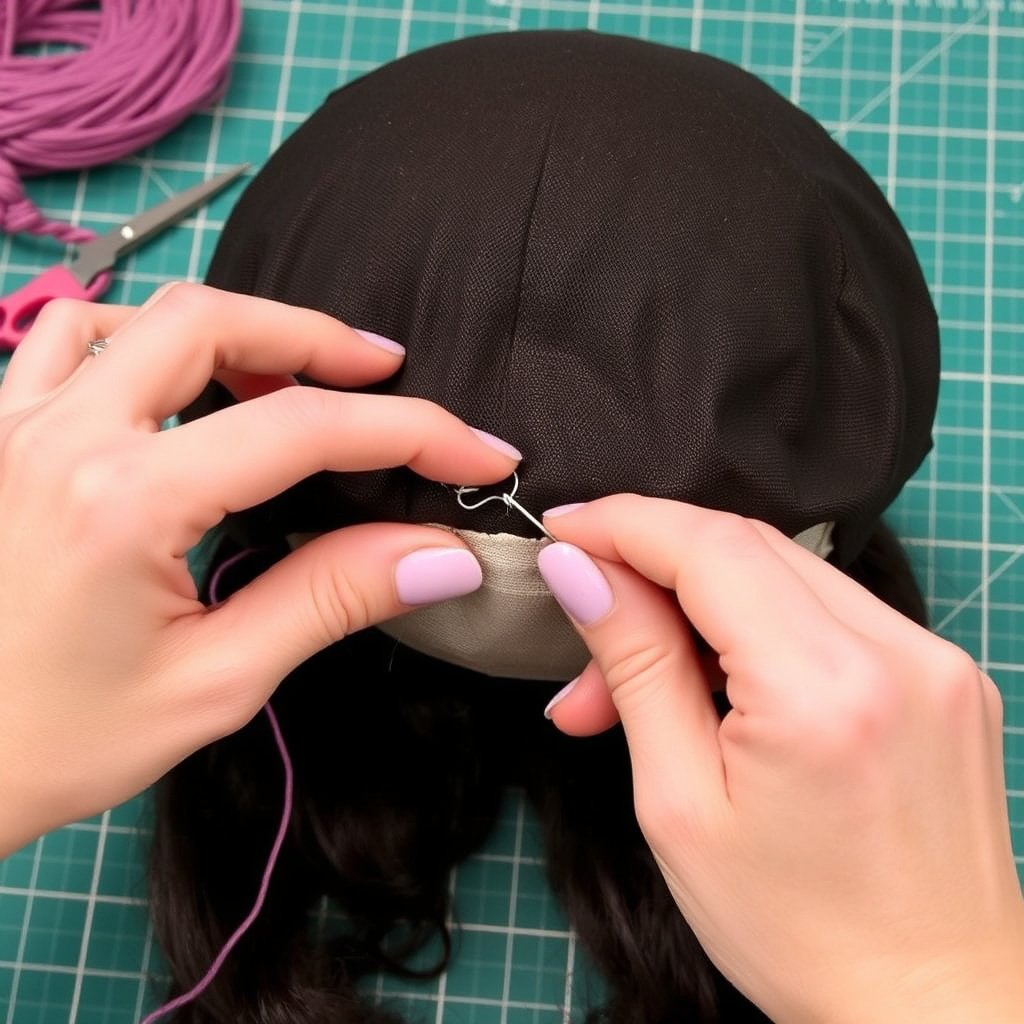
To sew an elastic band inside your wig, you'll need a needle, strong thread matching the wig cap color, small scissors, and the pre-measured elastic band. A thimble can help push the needle through thick wig material.
Using quality thread ensures long-lasting hold, and choosing thread and elastic that match your wig cap color keeps the modifications discreet.
- Needle
- Strong matching thread
- Scissors
- Pre-cut elastic band
- Thimble (optional)
Step-by-Step Sewing Process
Attach one end of the elastic band at the pinned spot by making tight stitches through the wig cap's reinforced band. Then stretch the elastic gently to the other side and sew there similarly. Make several passes with the needle to prevent the elastic from loosening.
Finish by knotting the thread securely and trimming any excess thread. Turn the wig right side out and test the fit, adjusting stitches if needed for comfort.
- Sew one end tightly
- Stretch elastic before sewing other end
- Make multiple stitches for strength
- Knot and trim thread
Clip-In Elastic Band Method for Wig Adjustment
Advantages of Clip-In Elastic Bands
Clip-in elastic bands offer removability and flexibility without permanent changes to your wig. They are great for renters or those who want less commitment to altering an expensive wig.
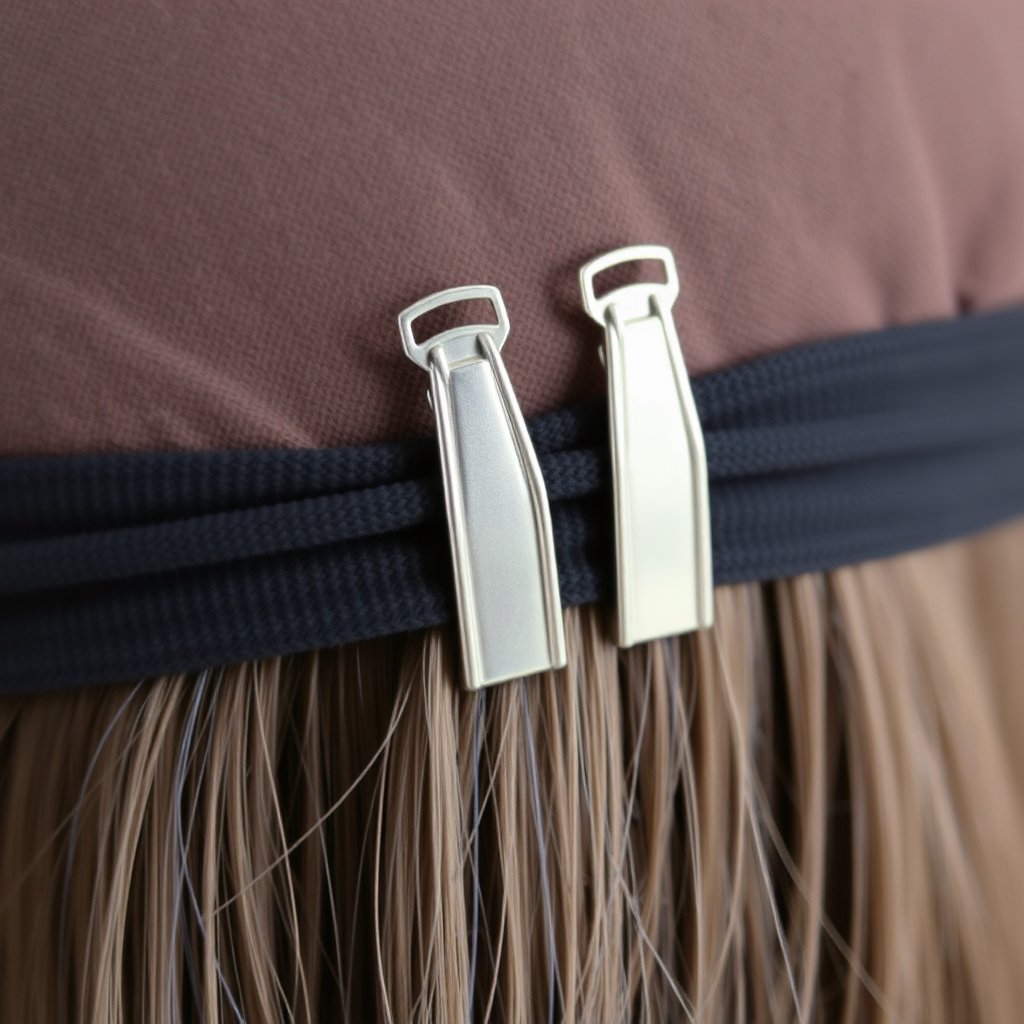
These bands use small metal clips sewn onto elastic strips that grip the wig cap edges firmly but can be unclipped when removing the wig.
- No sewing required
- Easy removal and adjustment
- Reusable elastic band
- Ideal for temporary fitting needs
For more on this, see our related guide: Wig Grip Band: A Complete Buying Guide.
Attaching Clip-In Elastic Bands Properly
Measure and cut the elastic band as described for sewn options. Sew or purchase a clip set designed for wigs with small comb-like grips on the ends. Attach each clip inside the wig cap at designated reinforced spots.
Press clips firmly onto the wig's inner network or wefts for a secure hold. Test for comfort and adjust clip positioning if the wig feels loose or overly tight.
- Purchase clip sets with comb grips
- Sew clips onto elastic ends
- Attach inside wig at stable points
- Adjust clips for comfortable tension
Additional Wig Fitting Techniques and Maintenance
Using Wig Grips and Adjustable Straps
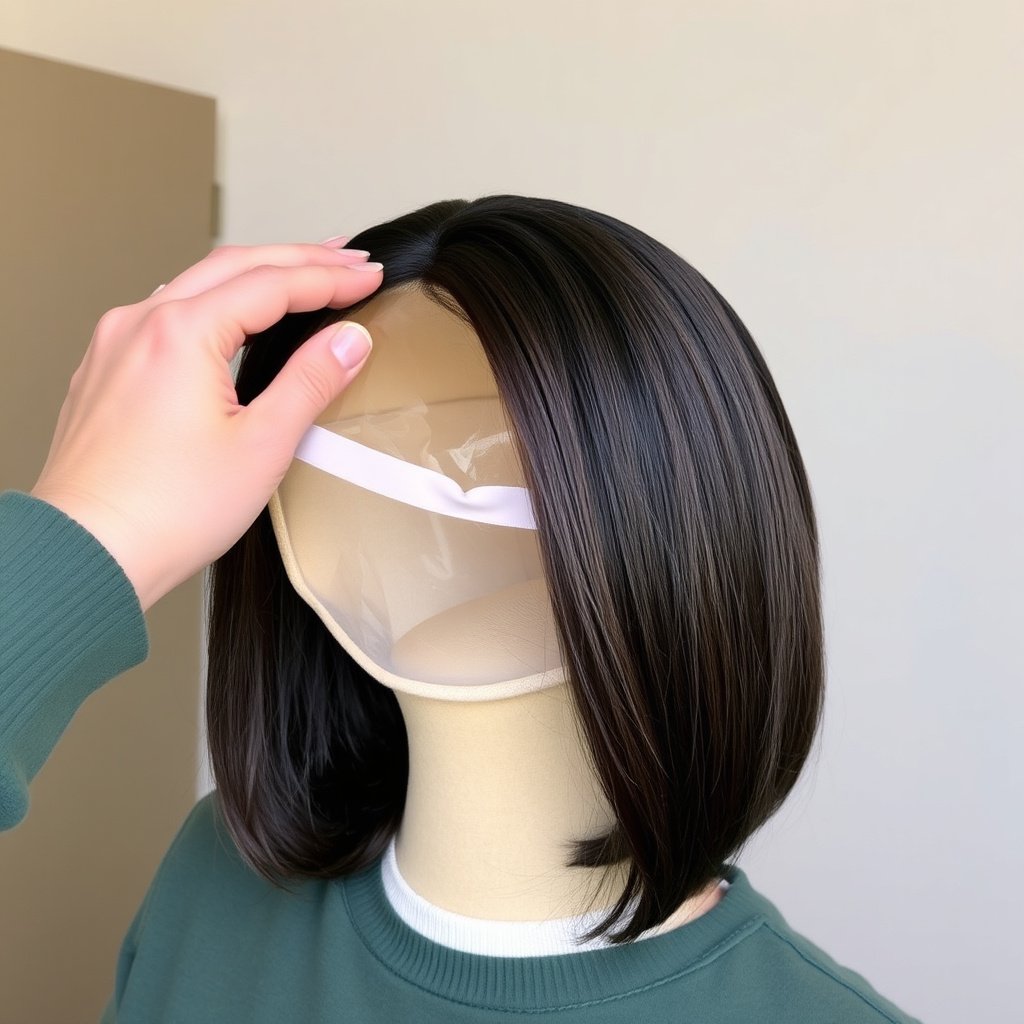
Complement your elastic band with wig grips or adjustable straps already sewn in some wigs to enhance security. Wig grips are velvet bands that prevent slipping by creating friction against your scalp.
Adjustable straps located at the back of the wig allow fine tuning, and combining these with an elastic band drastically improves fit for many users.
- Wig grips for grip on scalp
- Adjustable straps for size tweaking
- Combine methods for secure fit
For a detailed understanding of different wig types and their construction, refer to wig construction methods on Wikipedia. Wig construction methods on Wikipedia.
Caring for Your Wig After Modification
After adding an elastic band, routinely check stitches or clips for loosening and wear. Wash your wig gently to avoid stressing the elastic and keep it dry to prevent stretching out the band prematurely.
Proper storage on a wig stand helps maintain shape and prevents tangling of hair strands, prolonging your wig's life.
- Inspect elastic band regularly
- Avoid harsh washing on elastic
- Store wig on a stand
- Dry thoroughly after washing
Elastic Band Options for Wig Fitting Compared
The table below compares common elastic band types used for securing wigs, highlighting their main features and best uses.
| Type | Installation Method | Comfort Level | Durability | Best For |
|---|---|---|---|---|
| 1/4 inch Sewn Elastic | Sewing | High | Long-lasting | Light hold, lace front wigs |
| 3/8 inch Sewn Elastic | Sewing | Moderate | Very durable | Stronger hold, thicker wig caps |
| Clip-In Elastic Band | Clipping | High | Reusable but less durable | Temporary adjustments, renters |
| Adjustable Straps | Built-in | Moderate | Permanent | General size adjustments |
| Wig Grips | Non-sewing | High | Reusable | Anti-slip on bare scalp |
Frequently Asked Questions
Can I add an elastic band to any wig type?
Most wigs, including synthetic and human hair varieties, can have elastic bands added, provided the cap has durable edges or reinforced areas for secure attachment. However, some delicate lace fronts require careful sewing to avoid damage.
Does sewing an elastic band damage the wig?
When sewn carefully at reinforced areas, adding an elastic band does not harm the wig. Using proper tools and stitching only through sturdy cap material protects the wig’s structure.
How tight should the elastic band be when installed?
The band should be snug enough to keep the wig from slipping but not so tight that it causes headaches or discomfort. Typically, cutting the band one inch shorter than the measured head circumference provides the right tension.
Is the clip-in elastic band method secure for active use?
Clip-in elastic bands are generally secure for everyday wear and light activity, but for intense physical activity, sewn elastic bands provide a stronger hold.
Can elastic bands be washed with the wig?
Elastic bands can be washed gently with the wig, but avoid excessive stretching or harsh detergents that might degrade the elasticity and lifespan of the band.
Key Takeaways
- Adding an elastic band improves wig security by tightening the fit.
- Sewn elastic bands provide the most long-lasting and firm hold.
- Clip-in elastic bands offer a removable option without permanent changes.
- Combining elastic bands with wig grips or adjustable straps enhances comfort and stability.
Conclusion
When deciding how to add an elastic band to your wig, focus on your comfort and the wig’s original construction. Sewing a narrow or wider elastic band is often best for a secure, permanent fit, especially for human hair or lace front wigs that are prone to slipping. For those who prefer non-permanent modifications or want flexibility, clip-in elastic bands combine security with ease of removal.
If you engage in regular physical activity or need the wig to stay firmly in place for extended hours, a sewn 3/8 inch elastic band typically offers better durability and tension. For everyday casual wear or occasional use, clip-in methods or supplemental wig grips work well. Never underestimate the value of measuring carefully and testing tension during the installation process to prevent discomfort.
Ultimately, the small step of installing an elastic band can transform your wig-wearing experience, making it feel more natural and secure. After adjustment, maintain your wig by periodically checking the band and storing it properly. If you’re uncertain, consulting wig specialists or tutorials specific to your wig type ensures you achieve the best fit for your needs.