How to Do Eye Makeup: Step-by-Step Techniques for Stunning Looks
Mastering how to do eye makeup starts with understanding the basics: prepping your eyelids with primer, choosing the right eyeshadow shades, applying eyeliner carefully, and finishing with mascara. These key steps help you achieve a polished look with depth and definition.
Eye makeup enhances your eyes' natural beauty, impacts your overall appearance, and can be tailored to suit any occasion. Whether you want a subtle daytime style or a bold evening look, knowing foundational techniques empowers you to experiment confidently.
This article breaks down the process into manageable parts, covering essentials like primer application, eyeshadow blending, eyeliner styles, mascara tips, and maintenance advice. By the end, you’ll have practical knowledge to create various eye makeup looks crafted to your preferences.
Preparing Your Eyelids for Eye Makeup
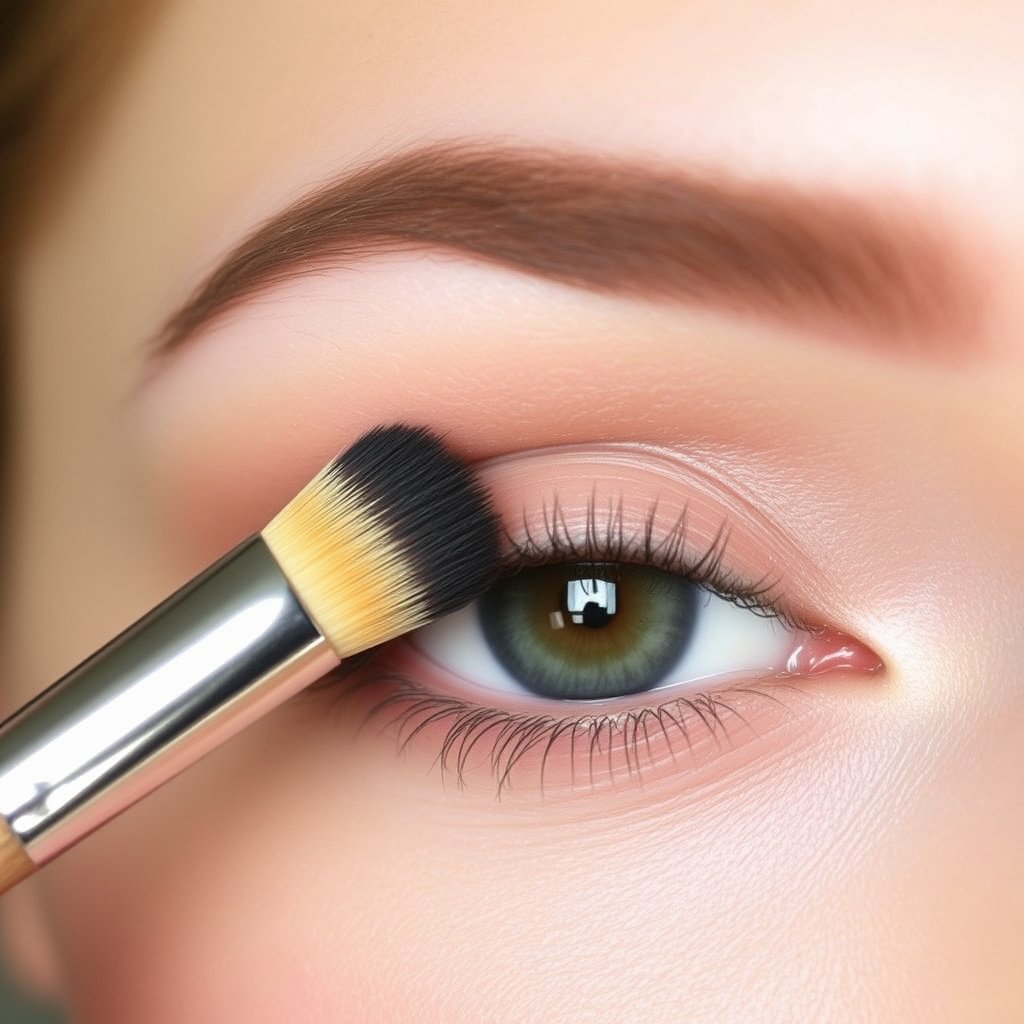
Using Eye Primer to Create a Smooth Canvas
Applying an eye primer smooths out the eyelid’s texture while increasing makeup adhesion and preventing creasing. Choose a primer suited to your skin type—hydrating formulas for dry skin or mattifying ones for oily lids work best.
Use a small amount, gently patting it across the entire eyelid up to the brow bone. Allow it a minute to set before starting eyeshadow application, as this base dramatically improves color intensity and longevity.
- Select primer compatible with your skin
- Apply a thin, even layer
- Let primer dry before eyeshadow
Concealing and Correcting Discoloration
If your eyelids show redness, veins, or discoloration, lightly dab a concealer matching your skin tone before primer. This evens out the base color, ensuring eyeshadow reflects true pigment.
Blend the concealer gently with a fingertip or small brush, avoiding excess product which can cause creasing. Setting concealer lightly with translucent powder helps with durability.
Mastering Eyeshadow Application Techniques
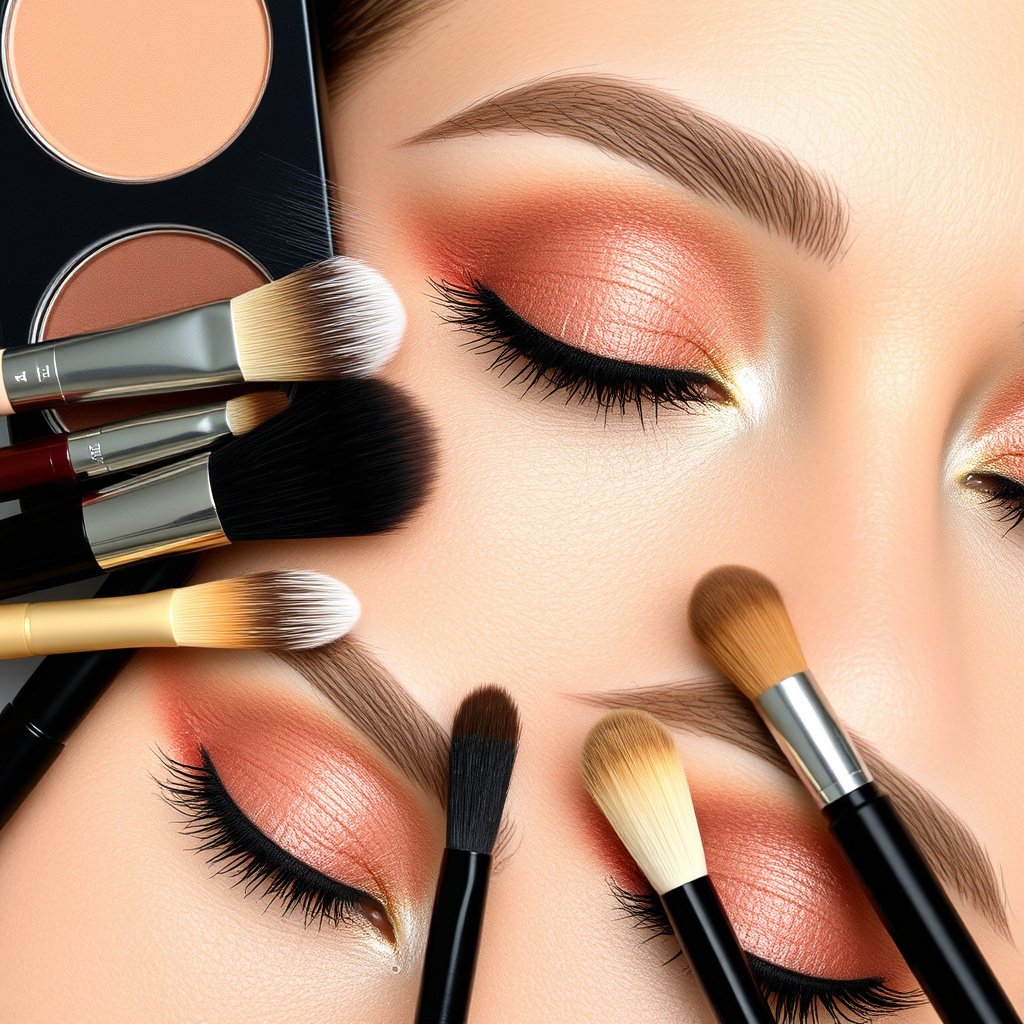
Choosing and Blending Eyeshadow Colors
Selecting eyeshadow colors to complement your eye color and skin tone enhances your look. Neutral shades suit most occasions, while bold colors can add vibrancy for special events.
Apply a transition shade in the crease to aid blending. Use windshield wiper motions with a blending brush for a seamless gradient. Layer darker shades on outer corners for dimension.
- Pick shades harmonizing with eye color
- Apply transition color in crease
- Blend edges thoroughly
For more on this, see our related guide: The Best Makeup for Beginners: Simple Products to Start Your Collection.
Applying Different Eyeshadow Finishes
Matte shadows add depth without shine, excellent for crease and outer corner work. Satin and shimmer finishes catch light and brighten lids, ideal for center or inner corner placement.
Using your fingertip often intensifies shimmer shadows, while brushes allow precise placement. Balance finishes to avoid overpowering shine or flatness.
- Use matte shades for contouring
- Apply shimmer on lid centers
- Mix finishes for texture
Eyeliner Techniques for Different Effects
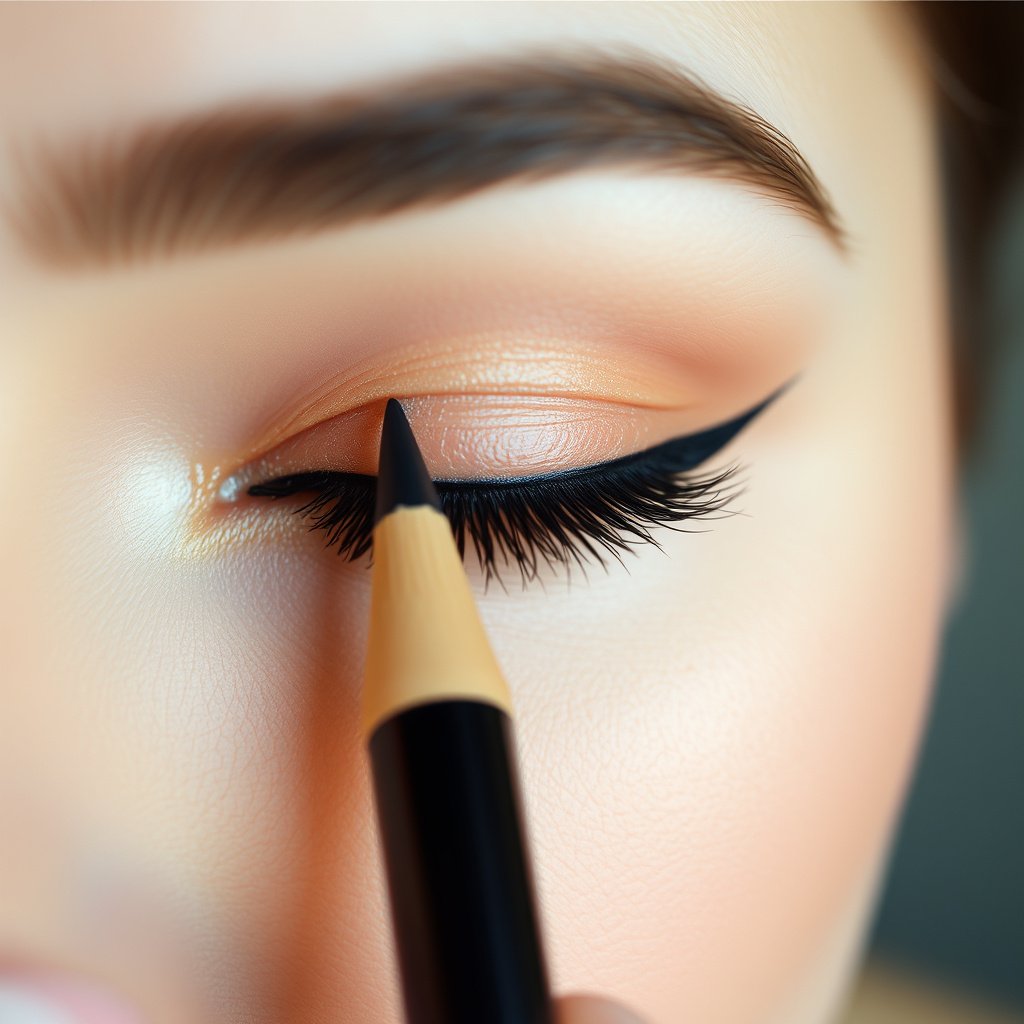
Applying Pencil and Gel Eyeliner
Pencil eyeliners provide ease of use and are ideal for soft or smudged looks. Sharpen pencils for fine lines or lightly smudge for smoky effect using a brush.
Gel eyeliners offer intense pigmentation and durability. Use an angled brush to draw precise lines, perfect for sharp winged eyeliner styles that define the eyes.
- Sharpen pencils before use
- Use angled brushes for gels
- Start with thin lines and build
Liquid and Felt-Tip Eyeliners for Precision
Liquid and felt-tip eyeliners allow for crisp, clean lines with high pigmentation. They are well-suited for dramatic cat-eye looks and intricate designs.
Apply slowly along the lash line, starting with short strokes. Rest your elbow on a flat surface to steady your hand for symmetry.
- Work in small sections
- Use steady hand positioning
- Practice for even wings
Mascara Application for Enhanced Lashes
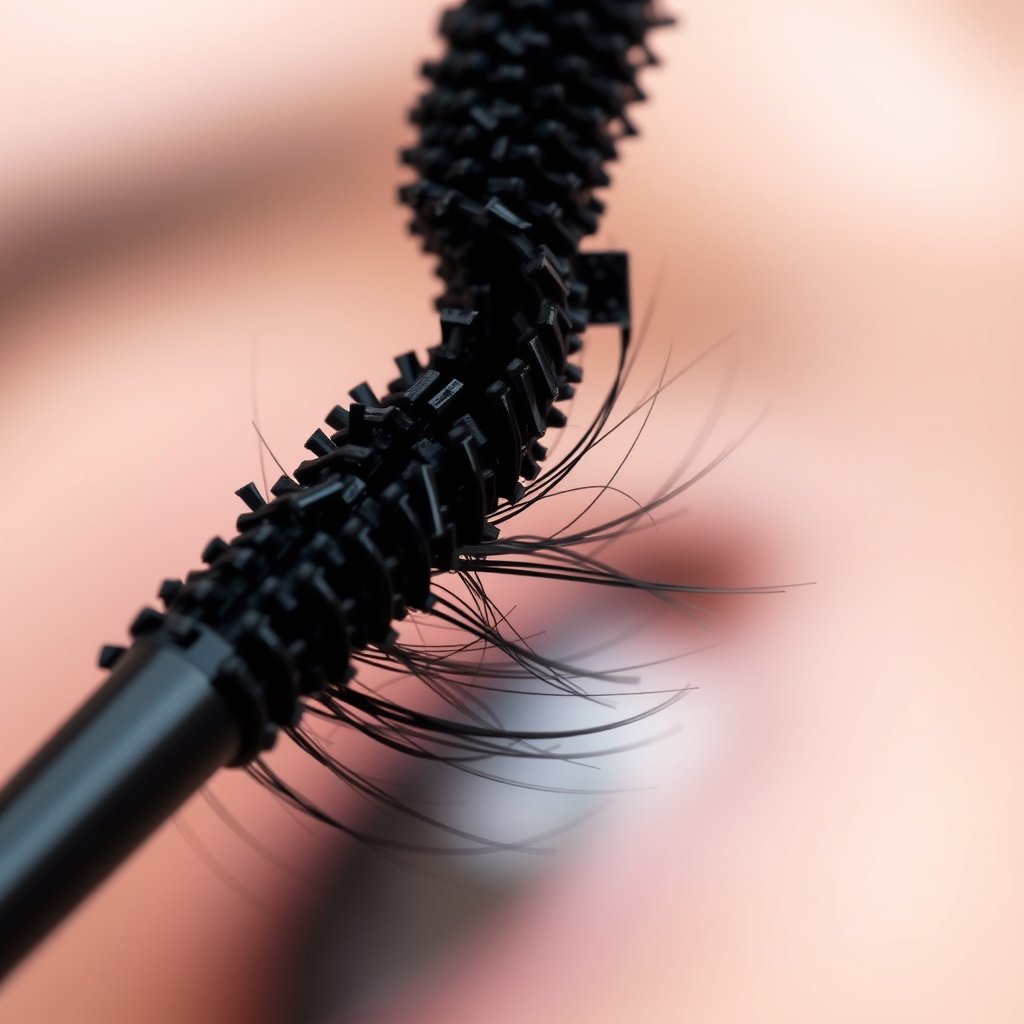
Choosing the Right Mascara Formula and Brush
Volumizing mascaras add thickness, while lengthening formulas extend lash tips. Curling mascaras lift lashes for an open-eyed look. Brush shape impacts effect; thick brushes coat more lashes, thin brushes reach corners.
Pick formulas free from clumping and smudging for comfortable all-day wear. Waterproof versions resist humidity but require gentle removal.
- Match mascara type to desired effect
- Consider brush shape for lash goals
- Check smudge-proof formulas
For more on this, see our related guide: What Makeup Products Do I Need? A Practical Guide to Building Your Essential Kit.
Techniques for Applying Mascara Without Clumps
Begin at the lash base and wiggle the wand up to the tips to separate lashes evenly. Apply multiple thin coats rather than one thick layer to avoid clumping.
Use a clean spoolie brush to comb through lashes if clumps form. Apply mascara to lower lashes carefully for balance.
- Wiggle wand for distribution
- Layer thin coats
- Comb lashes to remove clumps
Maintaining Eye Makeup: Removal and Touch-Ups
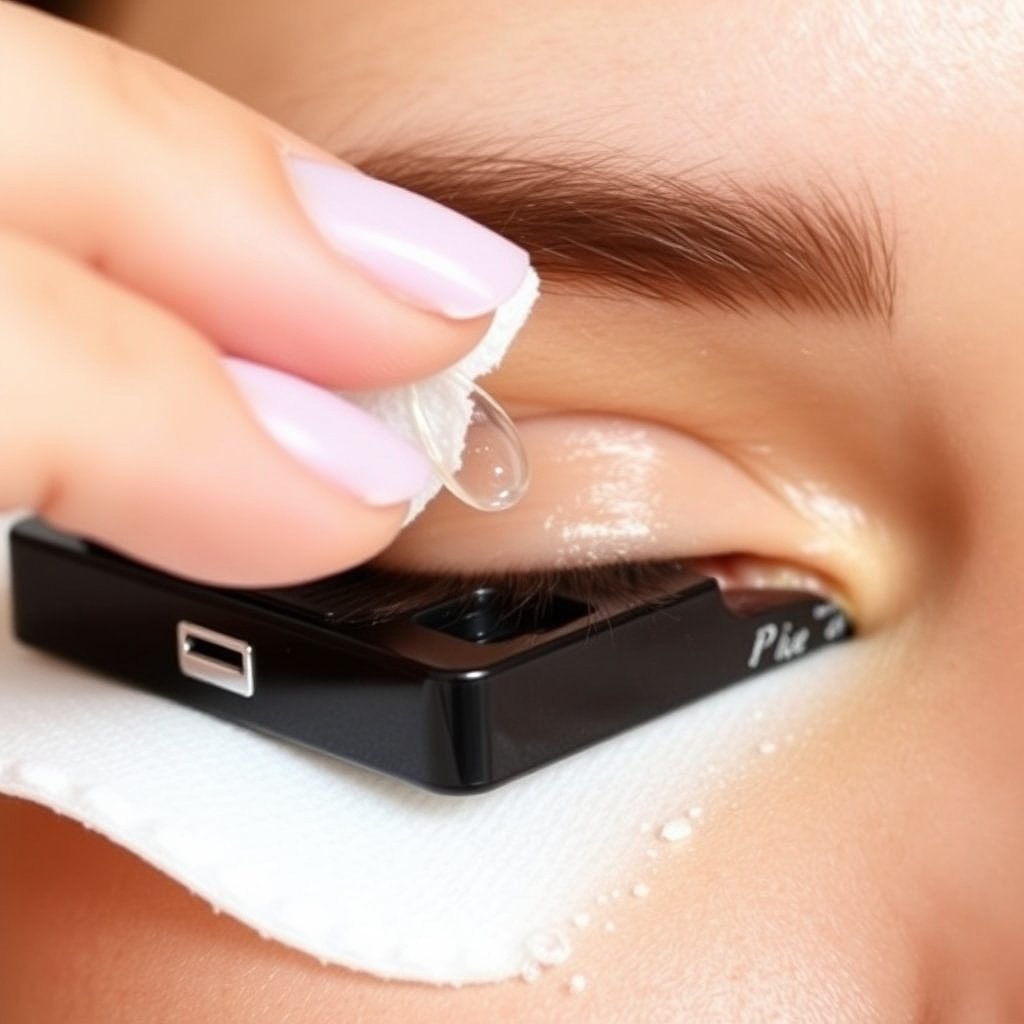
Safe Removal Techniques to Protect Skin
Eye makeup removal should be gentle to prevent irritation and preserve delicate skin. Use an oil-based remover for waterproof products and a soft cotton pad to wipe away residue without rubbing harshly.
Avoid tugging the skin. Instead, press the pad on closed eyes for a few seconds to dissolve makeup before wiping softly.
- Use oil-based removers for waterproof makeup
- Press cotton pads to dissolve makeup
- Avoid harsh rubbing
For a well-rounded understanding, refer to this detailed eye makeup techniques overview. Eye makeup techniques overview.
Quick Touch-Ups to Refresh Eye Makeup
Throughout the day, minor smudges and fading can occur. Carry a cotton swab with a bit of makeup remover for precision cleaning.
Reapply mascara or touch up eyeliner to restore definition quickly. Blotting papers also help reduce eyelid oiliness that affects makeup longevity.
- Carry cotton swabs and remover for fixes
- Reapply mascara or liner as needed
- Use blotting papers to reduce shine
Eye Makeup Styles Comparison
This table compares popular eye makeup styles by complexity, occasions, and suitable eye shapes to help you decide your best match.
| Style | Complexity | Ideal Occasion | Best Eye Shapes |
|---|---|---|---|
| Natural Look | Easy | Daily Wear | All Eye Shapes |
| Smoky Eye | Moderate | Evening Events | Almond, Round |
| Winged Eyeliner | Moderate | Formal & Casual | Almond, Hooded |
| Cut Crease | Advanced | Parties & Photoshoots | Deep-set, Hooded |
| Bold Colored Shadow | Advanced | Creative Looks | All Eye Shapes |
Frequently Asked Questions
How do I make my eye makeup last all day?
Use an eye primer before applying eyeshadow to improve adhesion and prevent creasing. Choose long-wear formulas for eyeliner and mascara, and seal your makeup with a setting spray.
Can I apply eye makeup if I have sensitive eyes?
Yes, select hypoallergenic, fragrance-free products labeled safe for sensitive eyes. Avoid glitter and waterproof formulas that can cause irritation or difficulty in removal.
What is the best way to clean makeup brushes for eye makeup?
Clean your brushes weekly with gentle brush cleanser or mild soap and lukewarm water. Rinse thoroughly and air dry to prevent bacterial buildup and maintain application quality.
How do I fix uneven eyeliner application?
Use a cotton swab dipped in makeup remover to carefully clean up edges. Start with thin lines and gradually build up thickness to maintain better control.
Is it necessary to use eyeliner with eyeshadow?
While eyeliner enhances eye definition, it's not mandatory. Some eyeshadow looks look beautiful on their own, depending on style preferences and desired intensity.
Key Takeaways
- Start with a primer to create a smooth, lasting base.
- Blend eyeshadows carefully for a natural gradient effect.
- Choose eyeliner style and formula to suit your skill and look.
- Apply mascara in thin coats to avoid clumping and enhance lashes.
Conclusion
Approaching eye makeup with a stepwise plan transforms the process from intimidating to manageable. Focusing first on preparation by priming and concealing sets a reliable base. Following with thoughtful eyeshadow application, mixing mattes and shimmers, builds balanced dimension. Adding eyeliner and mascara completes the look and accentuates your eye shape. Paying attention to product choice and application techniques yields polished results whether you prefer simple or elaborate styles.
Different eye makeup looks suit various occasions and skill levels. For beginners, a natural look using neutral shadows and soft pencil liner offers easy sophistication. Those ready to experiment might try winged eyeliner or smoky eyes for more drama. Advanced artists can explore cut creases or bold colored shadows to craft creative, statement looks. Knowing your eye shape guides the best choices among styles and enhances your features attractively.
To improve your eye makeup skills, practice regularly in good lighting using quality brushes and products tailored to your needs. Keep remover and cotton swabs handy for fixes and clean up. Consider watching tutorials or seeking feedback from makeup professionals for personalized advice. With patience and practice, doing eye makeup becomes an enjoyable routine that highlights your natural beauty gracefully.