
What Makeup Should a Beginner Buy: Essential Products for Starting Your Kit
For a beginner wondering what makeup to buy, focus on a minimal set of versatile, easy-to-use products that enhance your natural features without overwhelming your routine. Start with a tinted moisturizer or light foundation, a neutral eyeshadow palette, mascara, a brow pencil, blush, and a universal lip tint. These basics cover the foundation for a natural look and allow experimentation as you grow more comfortable.
Choosing the right starter makeup is more than picking random products off the shelf; it’s about understanding which items can perform multiple tasks and suit your skin type and lifestyle. A thoughtfully curated beginner kit prevents waste, confusion, and frustration from overbuying or picking unsuitable shades.
This guide breaks down key product categories to focus on, what to look for in each, and offers recommendations to ensure your initial investment in makeup supports a smooth learning curve while helping you build confidence.
Foundation and Base Products for Beginners
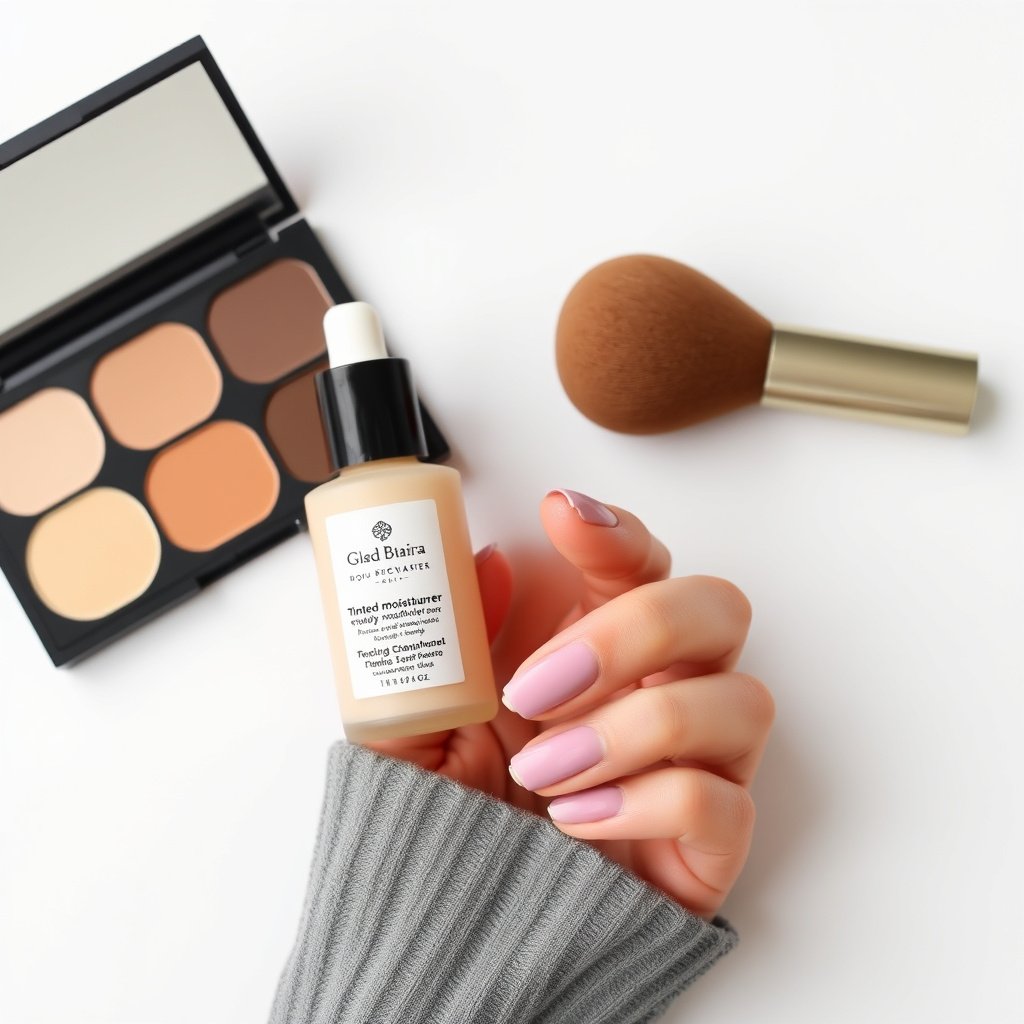
Choosing a Tinted Moisturizer or Light Foundation
Tinted moisturizers and light foundations are ideal for beginners because they provide coverage while still looking natural and are easy to blend. Look for hydrating formulas with SPF to simplify your routine and offer some skin protection.
When selecting a base product, match it closely to your skin tone and test it on your jawline to avoid harsh lines. Avoid heavy or matte foundations until you feel more comfortable with application techniques.
- Prioritize buildable coverage
- Opt for formulas with skin benefits (hydration, SPF)
- Test color in natural light
Using Concealer Effectively
A concealer is helpful for covering blemishes and under-eye circles and can be applied after your base product. For beginners, a creamy concealer that blends easily without caking works best.
Choose a shade one tone lighter than your base for brightening the eye area, and the same shade as your foundation to cover spots. Use a small brush or fingertips for gentle application.
- Select creamy, blendable formula
- Use sparingly to avoid cakey appearance
Eye Makeup Essentials Every Beginner Needs
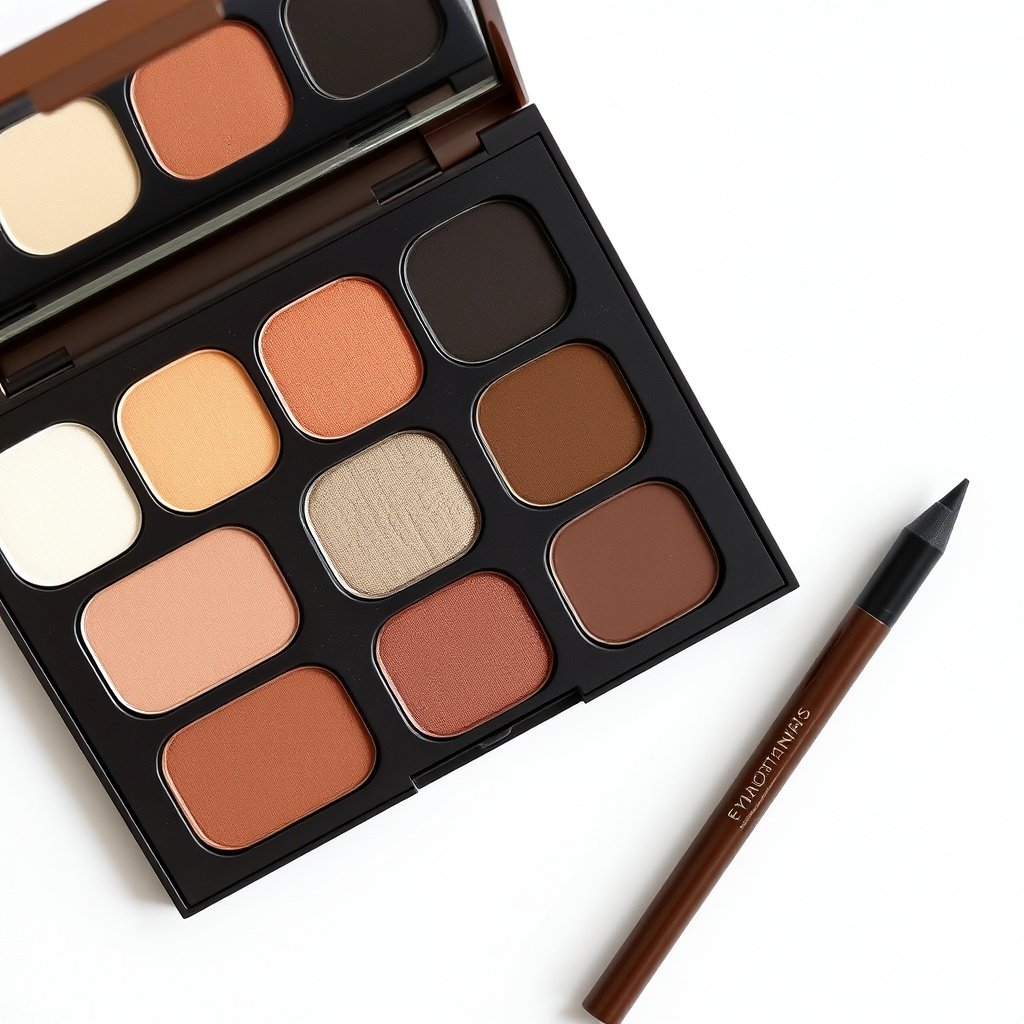
Selecting a Neutral Eyeshadow Palette
A compact eyeshadow palette with neutral shades such as soft browns, taupes, and creams allows beginners to practice blending without overwhelming colors. Matte and satin finishes work well for everyday looks and transitioning to subtle evening makeup.
Choose a palette with around 5-8 shades that include both light and darker tones to create dimension and highlight the brow bone and inner corners.
- Focus on neutral tones
- Include mix of matte and satin finishes
Mascara and Brow Products for Natural Definition
Mascara instantly opens up the eyes by lengthening and defining lashes. For beginners, a formula that adds volume without clumping is easiest to use. Look for brushes that separate lashes clearly.
Brow pencils or powders help fill in sparse areas with a natural finish. Opt for a shade matching your hair color and use light strokes to mimic brow hairs.
- Choose smooth, clump-free mascaras
- Use brow products that blend easily
Cheeks and Lips: Adding Color and Freshness
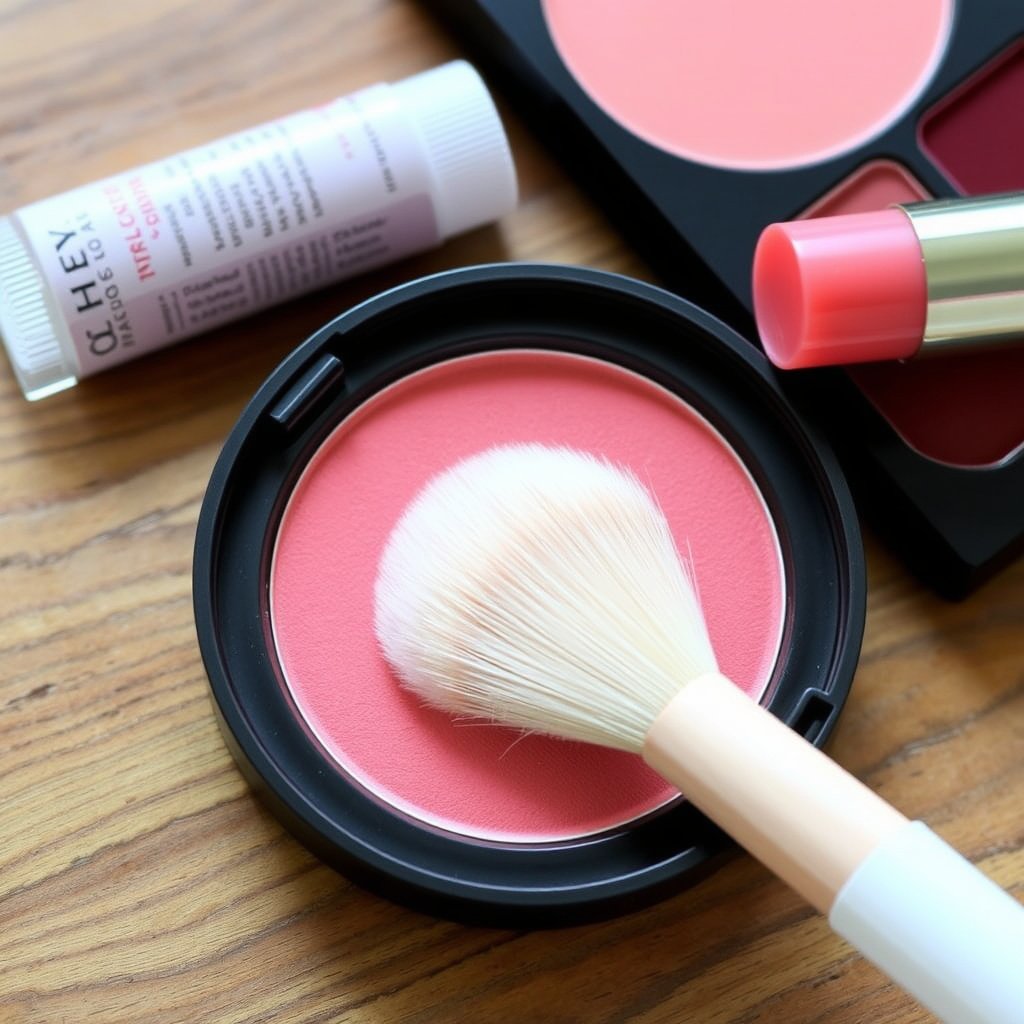
Blush Choices for a Healthy Glow
Cream or powder blushes in soft pink or peach tones work well to add a natural flush to the cheeks. Cream formulas are beginner-friendly as they blend with fingers and offer buildable color.
Apply blush to the apples of your cheeks with light strokes and blend toward the temples for a lifted appearance. Avoid overly bright or dark shades that can look harsh.
- Prefer soft, natural shades
- Choose cream blush for easier blending
For more on this, see our related guide: What Is a Lace Wig? A Complete Guide to Choosing and Wearing Lace Wigs.
Selecting Lip Colors for Beginners
Tinted lip balms or sheer lipsticks provide hydration and subtle color, perfect for beginners experimenting with lip makeup. They offer a low-maintenance option that feels comfortable and less intimidating.
Neutral pinks, corals, and berry hues complement most skin tones and are versatile enough for both day and evening wear.
- Use tinted balms for natural color
- Pick shades close to your natural lip tone
Tools and Accessories to Start With
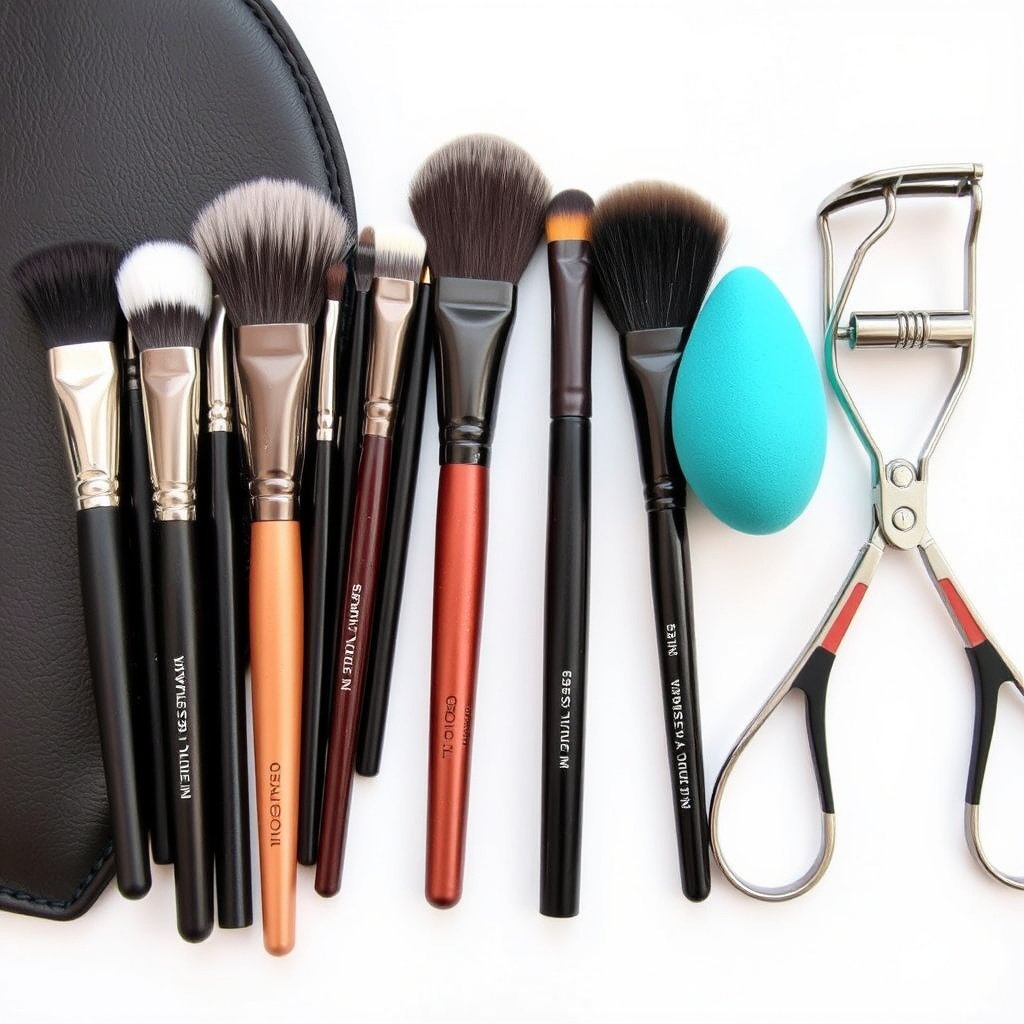
Essential Makeup Brushes and Sponges
A basic set of brushes can improve makeup application. A foundation brush or a beauty sponge helps achieve a smooth base, while a fluffy eyeshadow brush makes blending simple.
Avoid buying too many brushes at first; focus on a few multitaskers that allow blending powder and cream products alike. Clean brushes regularly to maintain skin health.
- Beauty sponge for blending foundation
- Fluffy brush for eyeshadow blending
- Angled brush for brows or liner
Other Useful Accessories
An eyelash curler can enhance the effect of mascara and open up the eyes. Tweezers help keep brows tidy and defined. A compact mirror with good lighting aids precision in application.
Consider investing in a small makeup bag to keep everything organized and portable.
- Eyelash curler for lash lift
- Tweezers for brow shaping
- Portable mirror with LED lights
Choosing Makeup Based on Skin Type and Tone
Understanding Your Skin Type
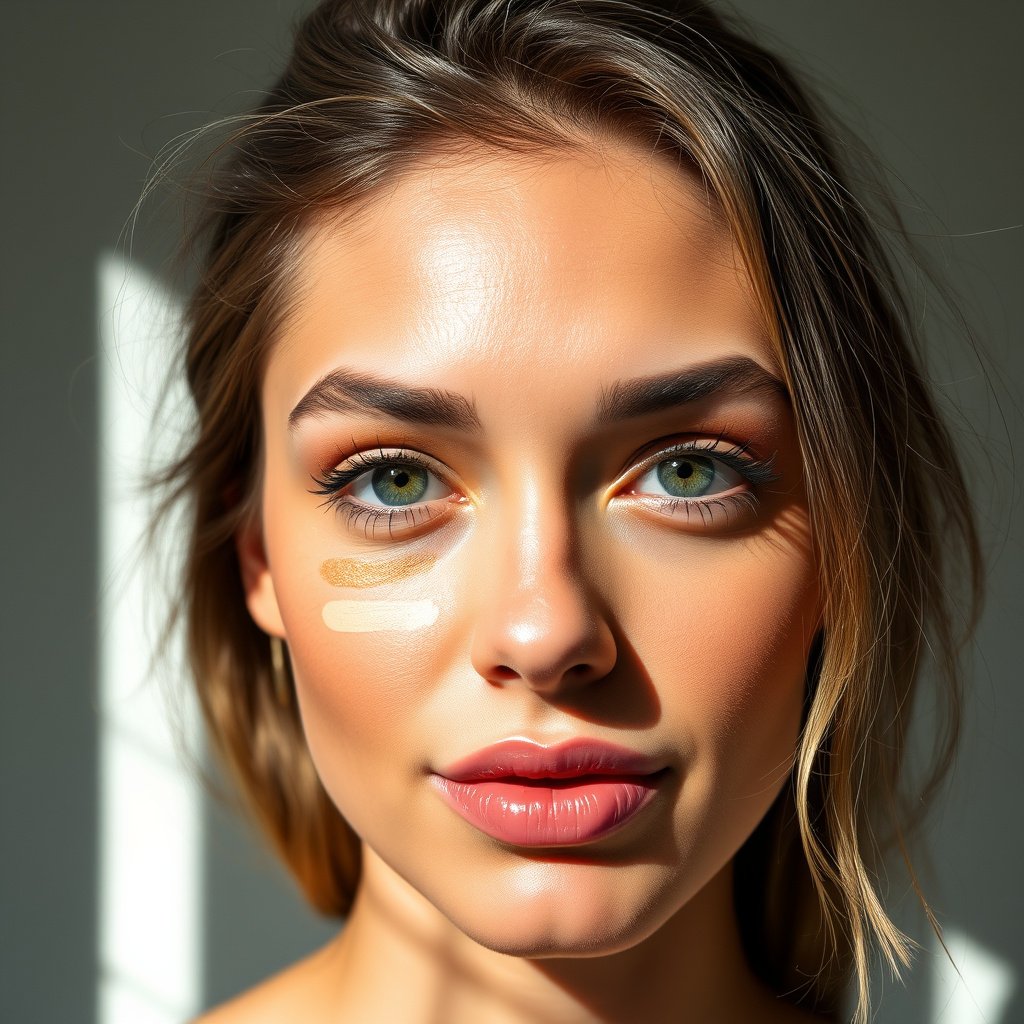
Identifying whether you have oily, dry, combination, or sensitive skin will guide the type of makeup formulas to select. For instance, oil-free and mattifying products suit oily skin, while moisturizing and dewy finish formulas benefit dry skin.
Using products suited to your skin type improves comfort, appearance, and longevity of makeup throughout the day.
- Oily skin: choose mattifying formulas
- Dry skin: select hydrating products
- Sensitive skin: opt for hypoallergenic brands
Matching Shades to Your Skin Tone
Accurate color matching with foundation, concealer, and lip shades ensures a natural look. Test swatches along the jawline and check in different lighting conditions to avoid mismatches.
Undertones (warm, cool, neutral) matter when choosing blush, eyeshadow, and lip colors to complement your complexion.
- Test foundation on jawline
- Identify undertone before lip and blush selection
How to Build and Expand a Basic Makeup Kit for Beginners
Starting Small and Adding Gradually
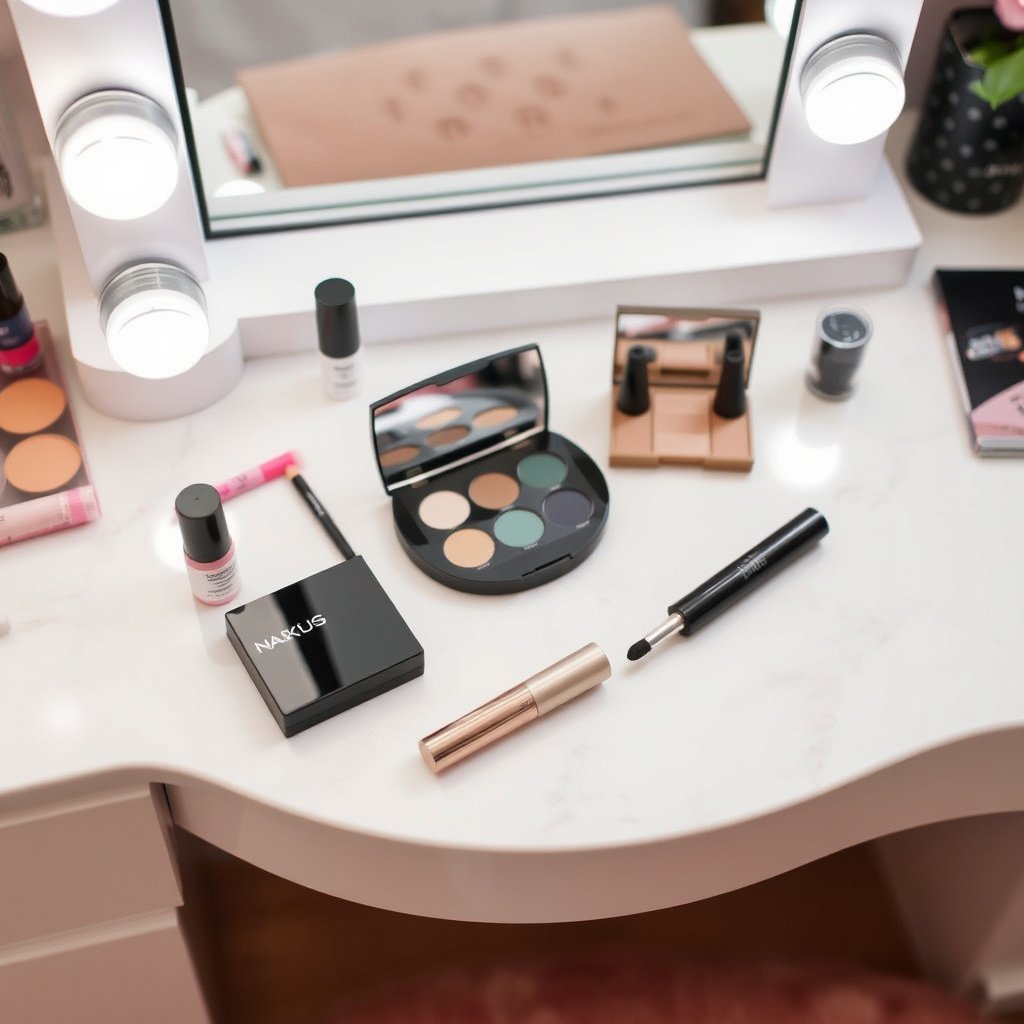
Begin with the essential makeup items such as foundation, mascara, brow pencil, and lip balm. As you get comfortable applying these, slowly add more shades and product types like liners, highlighters, or bold lip colors.
Gradual expansion helps avoid overwhelming choices and allows you to notice what products you use most and enjoy.
- Buy essentials first
- Expand with additional colors gradually
If you want to explore more about the history and types of makeup, check out this detailed source on Makeup on Wikipedia. Makeup on Wikipedia.
Personalizing Your Makeup Stack
Experiment with different textures, finishes, and colors once confident with basics. Personal style, occasion, and seasonal trends can influence your preferred makeup items.
Keep revisiting your kit regularly to declutter unused products and refine your choices to your evolving preferences.
- Try new products based on occasion
- Remove items that don’t fit your routine
Beginner Makeup Product Categories Comparison
This table compares key beginner-friendly makeup categories based on ease of use, versatility, and typical price range to help you decide what to buy first.
| Product Category | Ease of Use | Versatility | Typical Price Range |
|---|---|---|---|
| Tinted Moisturizer | High | Moderate | $15-$30 |
| Neutral Eyeshadow Palette | Moderate | High | $20-$50 |
| Mascara | High | High | $10-$25 |
| Cream Blush | High | Moderate | $10-$25 |
| Tinted Lip Balm | High | Moderate | $5-$15 |
Frequently Asked Questions
What basic makeup do I need as a beginner?
A beginner should start with a tinted moisturizer or light foundation, mascara, a simple eyeshadow palette, brow pencil, blush, and tinted lip balm for a natural, easy look.
How do I choose the right shade of foundation?
Test foundation swatches along your jawline in natural light and choose the shade that blends seamlessly with your neck and face tones.
What is the easiest eye makeup for beginners?
Neutral eyeshadow palettes with matte and satin finishes combined with a simple coat of mascara and lightly filled brows create a flattering and simple eye look.
Which makeup products can I use for multiple purposes?
Cream blush can double as a lip tint, and neutral eyeshadow shades can serve as brow fillers or liners, helping beginners build a versatile kit.
How often should I replace beginner makeup products?
Open makeup should be replaced every 3-6 months for mascara and concealer, and 1-2 years for powders and lip products, depending on usage and storage.
Key Takeaways
- Start with a minimal set of versatile, neutral-toned products.
- Choose formulas suited to your skin type and tone.
- Invest in good basic tools like a beauty sponge and brushes.
- Expand your makeup kit gradually as skills grow.
Conclusion
Identifying what makeup a beginner should buy involves focusing on simplicity and quality rather than quantity. A basic set of multi-use, neutral products offers a solid foundation for learning application techniques without feeling overwhelmed. Incorporating products matched to your skin type and tone enhances comfort and natural results, while investing in a few quality tools can improve product blending and overall finish. This thoughtful approach builds confidence, minimizes clutter, and creates a manageable routine.
Recommended starter items include a tinted moisturizer or a light foundation with skin-friendly ingredients, a neutral eyeshadow palette that allows subtle dimension, a volumizing mascara, a brow pencil close to your hair shade, a cream blush for effortless color, and a tinted lip balm for hydration and a hint of tint. These core products enable you to create an everyday look easily and gradually experiment with more diverse styles as you become comfortable.
Once the essentials become part of your routine, the next step is to personalize your kit based on your lifestyle and preferences. Monitor which products you reach for most, and add complementary shades and textures carefully to suit occasions or seasons. Keeping your collection updated and decluttered maintains freshness and relevance. For beginners, patience and steady practice with a curated set is the best way to develop skills and enjoy makeup without unnecessary expense or stress.


One Comment