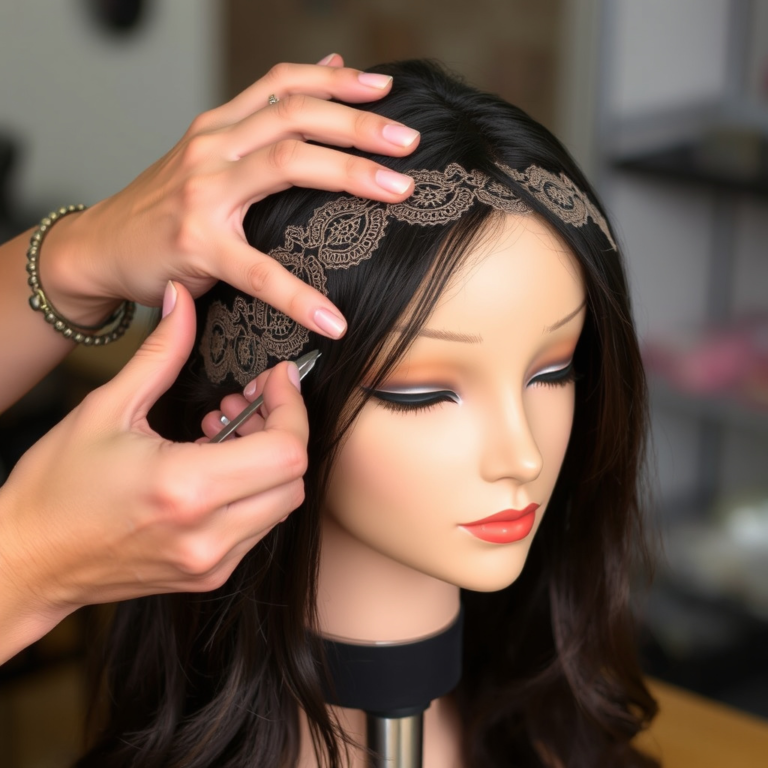
What Does Hair Texturizer Do? Understanding Its Effects on Your Hair
Hair texturizer is a chemical product designed to subtly alter the natural curl pattern of hair, loosening tight curls or waves to create a softer, more manageable texture. It doesn't fully straighten hair like relaxers but instead modifies curls to reduce frizz and increase styling versatility.
Many people use hair texturizers to achieve a look that balances between natural curls and straightened hair, gaining easier maintenance and a smoother appearance without losing all their natural wave. This treatment is popular among those seeking a gentle way to rework their hair shape without harsh straightening.
This article will explain what hair texturizers do in detail, the differences between texturizers and other chemical treatments, application methods, benefits, potential downsides, and factors to consider before trying one. It will also highlight suitable hair types and care tips.
What Hair Texturizer Does to Hair Structure
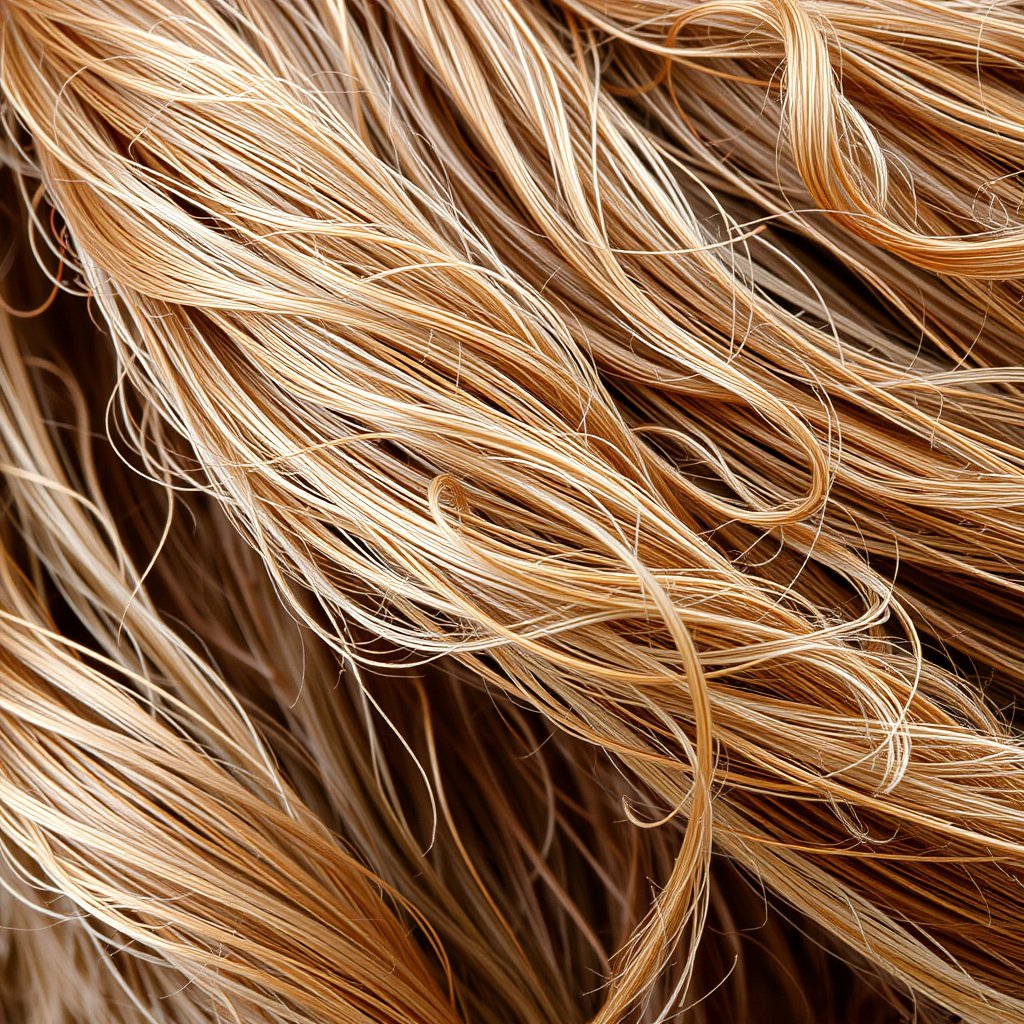
How Texturizers Alter Curl Patterns
Hair texturizers work by partially breaking down the disulfide bonds in the hair’s cortex that determine the curl pattern. Unlike relaxers that fully straighten hair, texturizers only loosen the coil slightly, resulting in softer, stretched-out curls that retain some wave and body.
The chemical formula in texturizers is milder than that used in relaxers, allowing for controlled modification. This process enhances manageability and reduces the tightness of curls without completely changing the hair’s natural look.
Difference Between Texturizers and Relaxers
Relaxers permanently straighten naturally curly or kinky hair by breaking down most of the disulfide bonds, resulting in pin-straight strands. Texturizers, however, only smooth and loosen curls temporarily and generally cause less damage because they are applied for shorter durations.
Texturizers give a more natural and less processed appearance compared to the dramatic straightening effect of relaxers. They are ideal for people wanting a subtle transformation rather than a full change in hair texture.
Choosing the Right Hair Texturizer for Your Hair
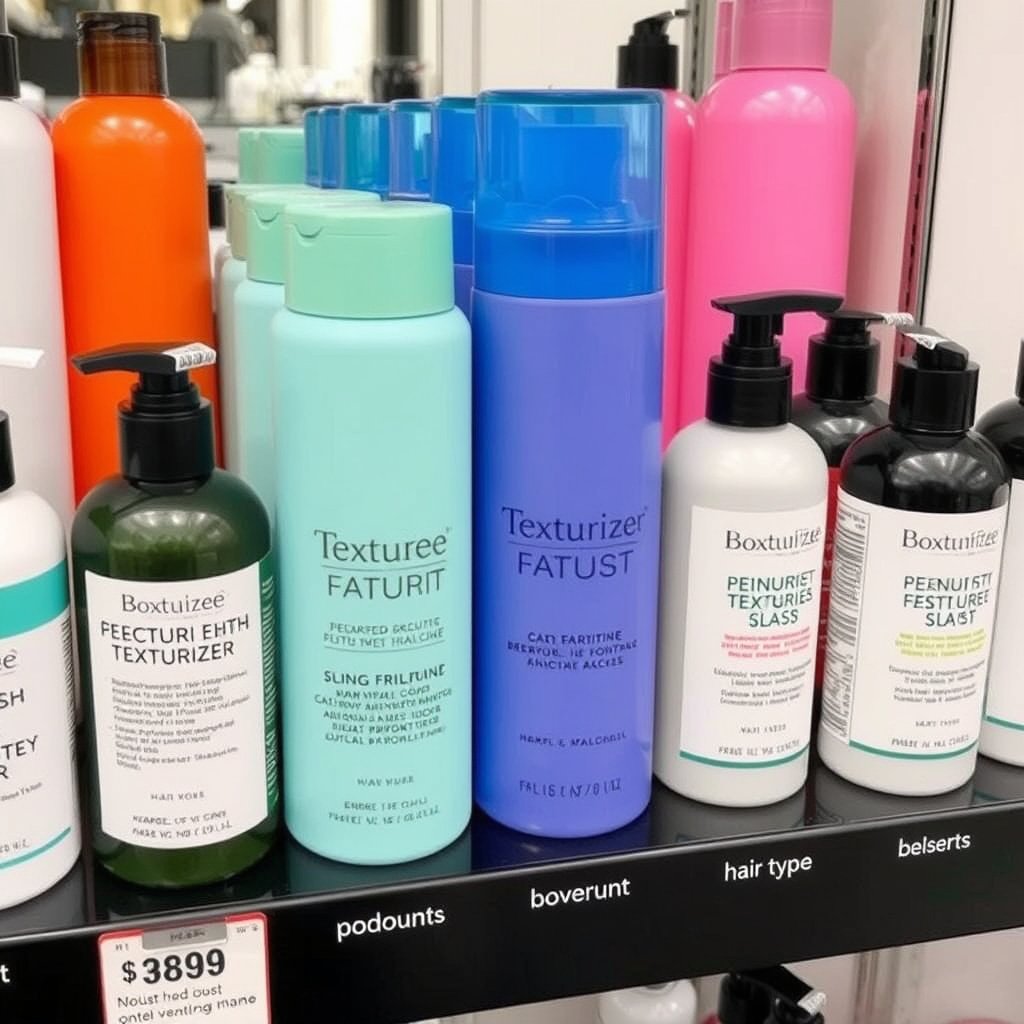
Selecting Based on Hair Type and Texture
Choosing a texturizer depends significantly on your natural hair type—coarse, kinky, or tightly curled hair tends to respond well to mild texturizers that loosen curl pattern without excessive damage. Fine or fragile hair may require more delicate formulations or avoidance of chemical texturizers altogether.
The best hair texturizer for curly hair usually balances strength with conditioning ingredients to protect hair integrity during the chemical process. Professional advice is recommended, especially for first-time users.
- Coarse hair: stronger formula
- Fine hair: milder formula or avoid
- Curly hair: balance texturizing and conditioning
Professional Application vs. At-Home Kits
Professional application of hair texturizer ensures precise timing and proper technique, reducing the risk of overprocessing or scalp irritation. Salons can tailor treatments to individual hair needs and monitor results closely.
At-home kits are convenient and cost-effective but carry a higher risk of misuse or uneven results if instructions aren’t carefully followed. Those new to chemical texturizers should consider professional help at least initially.
- Professional: customized, safer
- At-home: cost-saving, riskier
Benefits and Effects of Hair Texturizer
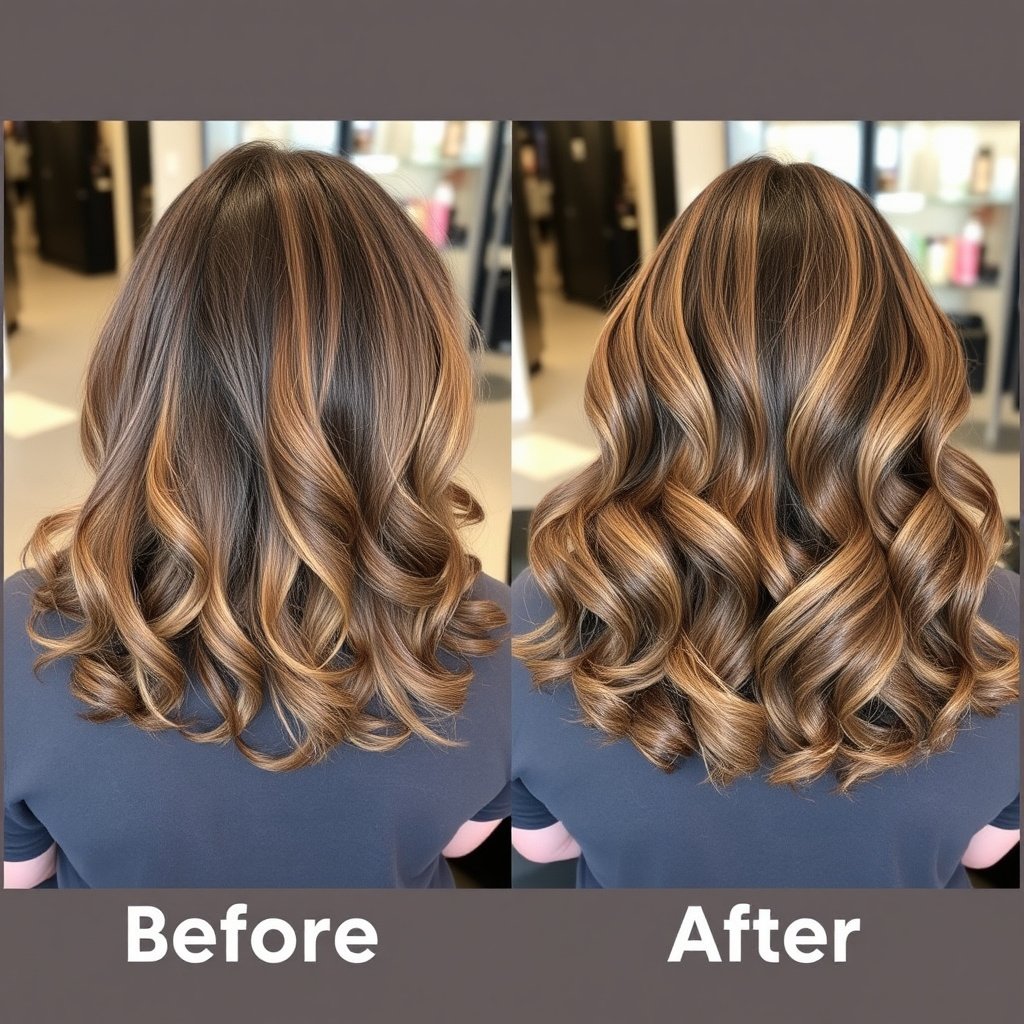
Improved Hair Manageability and Styling
Hair texturizers make curly or coily hair easier to comb, detangle, and style by softening tight curls into looser waves. This reduces daily frustration and breakage caused by harsh brushing or friction.
The softer texture also increases versatility, making styles like blowouts, braids, or curls hold better and last longer while maintaining a natural look.
Moisture Retention and Reduced Frizz
Unlike aggressive relaxing treatments, many hair texturizers include conditioning agents or are followed by deep conditioning to help hair retain moisture. This leads to shinier, less frizzy strands.
The reduced frizz enhances overall hair appearance, promoting healthier-looking hair without the overly processed plastic feel of some straightening methods.
Potential Risks and Hair Care After Texturizing
Common Side Effects and How to Avoid Them
Chemical texturizing can lead to scalp irritation, dryness, or protein loss if improperly applied or overused. Allergic reactions are possible if a patch test is skipped.
Strictly following timing instructions and using sulfur-free, nourishing shampoos can reduce damage. Consulting a professional before treatment minimizes risk.
- Patch test recommended
- Avoid overlapping treatments
- Use protective hair oils
Post-Texturizer Hair Maintenance Tips
After texturizing, it’s essential to maintain hair moisture through regular deep conditioning and avoid heat styling that could compound dryness. Using silk or satin pillowcases also protects hair integrity.
Trimming damaged ends and incorporating protein treatments can help hair recover, maintaining the desired texture and shine longer.
- Deep condition weekly
- Limit heat styling
- Protect hair while sleeping
How Hair Texturizers Fit in Your Hair Care Routine
Combining Texturizers with Other Treatments
Hair texturizers can be combined with color or protein treatments but usually require spacing treatments by several weeks to avoid excessive stress. Understanding product interactions is key to preserving hair health.
Consulting a stylist about your entire hair care regimen ensures the texturizer enhances your desired look without clashing with other chemicals.
Frequency of Application for Best Results
Due to the mild nature of texturizers, treatments can generally be refreshed every 6 to 8 weeks depending on hair growth and texture preferences. Overapplication can cause brittleness, so moderation is advised.
Regular hair assessments help decide when reapplication is beneficial, balancing curl loosening with hair strength.
- 6-8 weeks typical reapplication
- Avoid overlap to prevent damage
Choosing Between Hair Texturizer and Alternatives
Texturizer vs. Keratin Treatments
Keratin treatments smooth hair cuticles and reduce frizz by coating strands with keratin proteins, giving a sleek finish but generally not altering curl patterns as directly as texturizers do.
Texturizers chemically change the hair structure to loosen curls, whereas keratin treatments focus on smoothness and shine, making them complementary but different in effect.
For more detailed background on chemical hair treatments including texturizers, see this authoritative article on hair relaxers and similar processes. hair texturizer information.
Texturizer vs. Perms
Perms chemically introduce new curls and waves into straight hair, often using strong solutions to reshape the hair shaft permanently. Texturizers do the opposite by loosening existing curls rather than creating them.
Choosing between texturizers and perms depends on whether you want to soften curls or add curl definition; both require careful hair care to maintain health.
Hair Texturizer Product Types Comparison
A glance at different hair texturizer types reveals key differences in application, hair type suitability, and lasting effects to help you pick the best fit.
| Product Type | Hair Type Compatibility | Application Method | Longevity | Damage Risk |
|---|---|---|---|---|
| Mild Texturizer | Fine to medium curly hair | Short application time, often salon | 4-6 weeks | Low |
| Regular Texturizer | Coarse, kinky hair | Medium application time, professional recommended | 6-8 weeks | Moderate |
| At-home Texturizer Kit | Medium curly hair | User-applied, instructions vary | 4-6 weeks | Moderate to high |
| Natural Texturizing Creams (non-chemical) | All hair types | Leave-in styling product | Temporary (wash out) | None |
Frequently Asked Questions
Is hair texturizer the same as a relaxer?
No, hair texturizers only loosen curls to soften texture, while relaxers fully straighten hair by breaking most bonds. Texturizers are milder and less damaging.
How often can I use a hair texturizer safely?
Most people can refresh hair texturizers every 6 to 8 weeks. Overuse may cause dryness or damage, so spacing treatments and proper care are essential.
Can hair texturizers damage my hair?
Texturizers can cause damage if misused or applied too frequently, but using professional products and following instructions carefully minimizes risk.
Will a hair texturizer work on all hair types?
Hair texturizers are primarily effective on curly and kinky hair types. Fine or very fragile hair may not respond well and might require gentler alternatives.
Can I color my hair after using a texturizer?
Yes, but it's best to wait at least 2 to 4 weeks after texturizing before coloring to prevent excessive chemical stress on hair.
Key Takeaways
- Hair texturizers soften curls without fully straightening hair
- They improve manageability and reduce frizz for styled versatility
- Choosing the right type depends on hair texture and care needs
- Professional application reduces risk and improves results
Conclusion
Deciding whether to use a hair texturizer comes down to what you want your hair texture to look and feel like. If you prefer softer, looser curls without the drastic change of a relaxer, texturizers offer a chemical solution that alters hair structure gently. Balancing mild chemical action with protective care routines is key to maintaining hair health while achieving a new manageable texture. Understanding how texturizers differ from other treatments guides realistic expectations.
For those with tightly curled or coarse hair, regular texturizers provide effective loosening that makes daily styling easier and reduces frizz. Those with finer curls may opt for milder versions or even natural texturizing creams to avoid damage. Individuals looking for shinier, sleeker hair without changing curls fully can consider keratin treatments alongside texturizers. Beginners should consider professional salon applications for safe, tailored treatments.
If you decide a hair texturizer fits your hair goals, start by evaluating your hair type and scheduling a consultation with a hair professional. They can recommend the best product type and application timing for your texture. Maintaining hair with conditioning and protective care after texturizing ensures lasting effects and hair vitality. With informed choices, hair texturizers can enhance your hair's beauty with manageable curls and improved style options.