
What Is the Best Hair Treatment for Damaged Hair: Expert Solutions for Repair and Strength
The best hair treatment for damaged hair is a deep conditioning treatment combined with protein-enriched masks that restore moisture and rebuild hair structure. Products containing keratin and natural oils provide effective repair while preventing further breakage and dryness.
Damaged hair loses moisture and elasticity due to heat styling, chemical treatments, and environmental factors. Without proper care, it becomes brittle, frizzy, and prone to split ends, affecting overall hair appearance and health. Treating damaged hair with targeted products improves texture and resilience over time.
This article explains various hair treatment options for damaged hair, from the best professional and at-home deep conditioning treatments to natural remedies. You will learn how to select products based on damage type and hair texture to revitalize your strands effectively.
Understanding Different Types of Hair Damage
Mechanical and Heat Damage
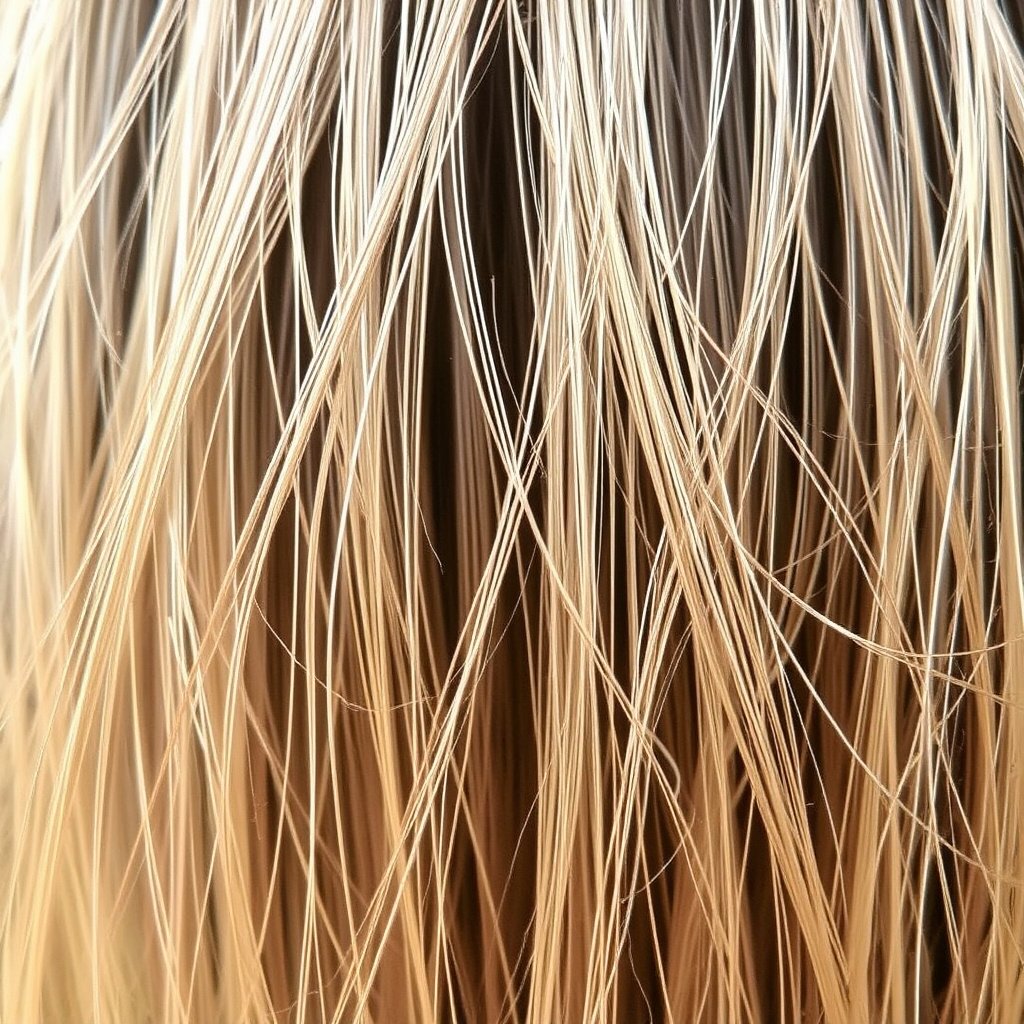
Mechanical damage occurs from physical stress like rough brushing, towel drying, or tight hairstyles, causing hair breakage and split ends. Heat damage results from excessive use of blow dryers, straighteners, and curling irons, which strip moisture and weaken the keratin layer.
This kind of damage makes hair strands fragile. Repair begins by minimizing heat exposure and protecting strands with heat-protectant sprays before styling.
- Split ends and frayed hair shaft
- Loss of shine and elasticity
- Increased breakage
Chemical and Environmental Damage
Chemical treatments like bleaching, perming, and coloring break down natural proteins and lipids, leaving hair porous and brittle. Sun exposure, wind, and pollution further degrade hair quality by causing oxidation and moisture loss.
Restoring chemically damaged hair requires rebuilding protein structure and replenishing hydration through specialized products.
- Dry, rough texture
- Fading color and dullness
- Prone to split ends and tangling
Key Ingredients in the Best Hair Treatment for Damaged Hair
Proteins and Keratin for Structural Repair
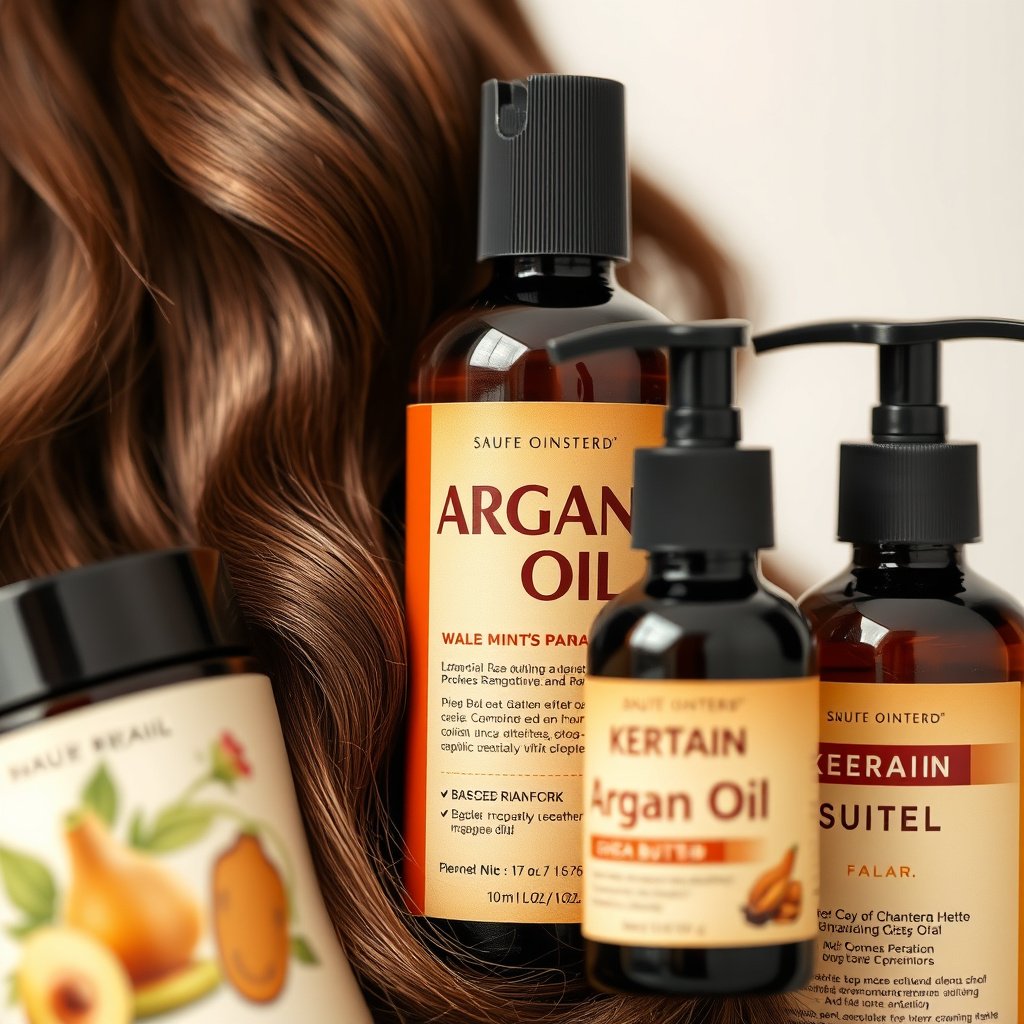
Keratin and hydrolyzed proteins strengthen hair by filling gaps and reinforcing the cuticle. These ingredients smooth the surface and reduce porosity, helping hair resist damage from styling and environmental stress.
Using protein-rich treatments regularly can restore flexibility to brittle strands, though balance with moisturizing ingredients is essential to prevent stiffness.
- Hydrolyzed keratin rebuilds damaged areas
- Proteins improve elasticity
- Strengthen hair cuticle
Moisturizers and Natural Oils for Hydration
Moisturizing ingredients like glycerin and natural oils—argan, coconut, jojoba—penetrate hair fibers to restore hydration and shine. Oils form a protective barrier that seals moisture while softening hair texture.
Shea butter and aloe vera also soothe scalp and improve softness. A combination of hydration and protein is critical in any effective treatment for damaged hair.
- Seal cuticles for smoothness
- Prevent moisture loss
- Add softness and shine
Popular Professional Hair Treatments for Damage Repair
Keratin Smoothing Treatments
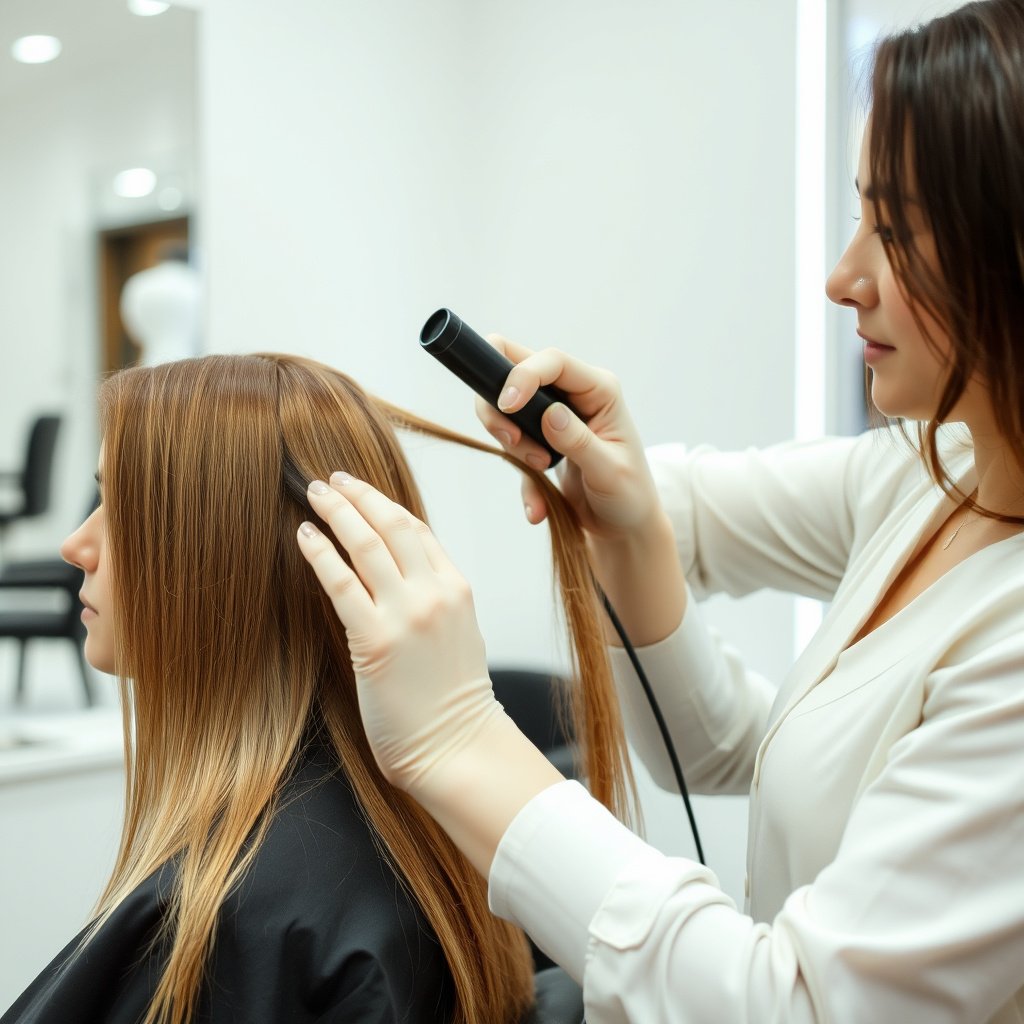
Keratin treatments replenish the hair's natural protein, smoothing frizz and repairing fragmented cuticles. These salon procedures typically last several weeks and improve manageability and strength.
They are best for moderate to severe damage from chemical processing or heat styling. However, some formulas contain formaldehyde or chemicals requiring careful ventilation during application.
- Long-lasting smoothing effect
- Strengthens damaged strands
- Improves hair shine and texture
For more on this, see our related guide: How to Repair Damaged Hair: Effective Steps for Healthier Strands.
Professional Deep Conditioning Masks
Intensive conditioning masks used by stylists feature concentrated ingredients targeting dryness and breakage. They deliver moisture and protein deep into hair fibers for immediate softness and repair.
Regular salon treatments can reverse damage over time, especially when combined with home care products.
- High concentration of nourishing ingredients
- Restores hydration and elasticity
- Applied and rinsed during salon visits
Effective At-Home Hair Treatments for Damaged Hair
DIY Deep Conditioning Treatment
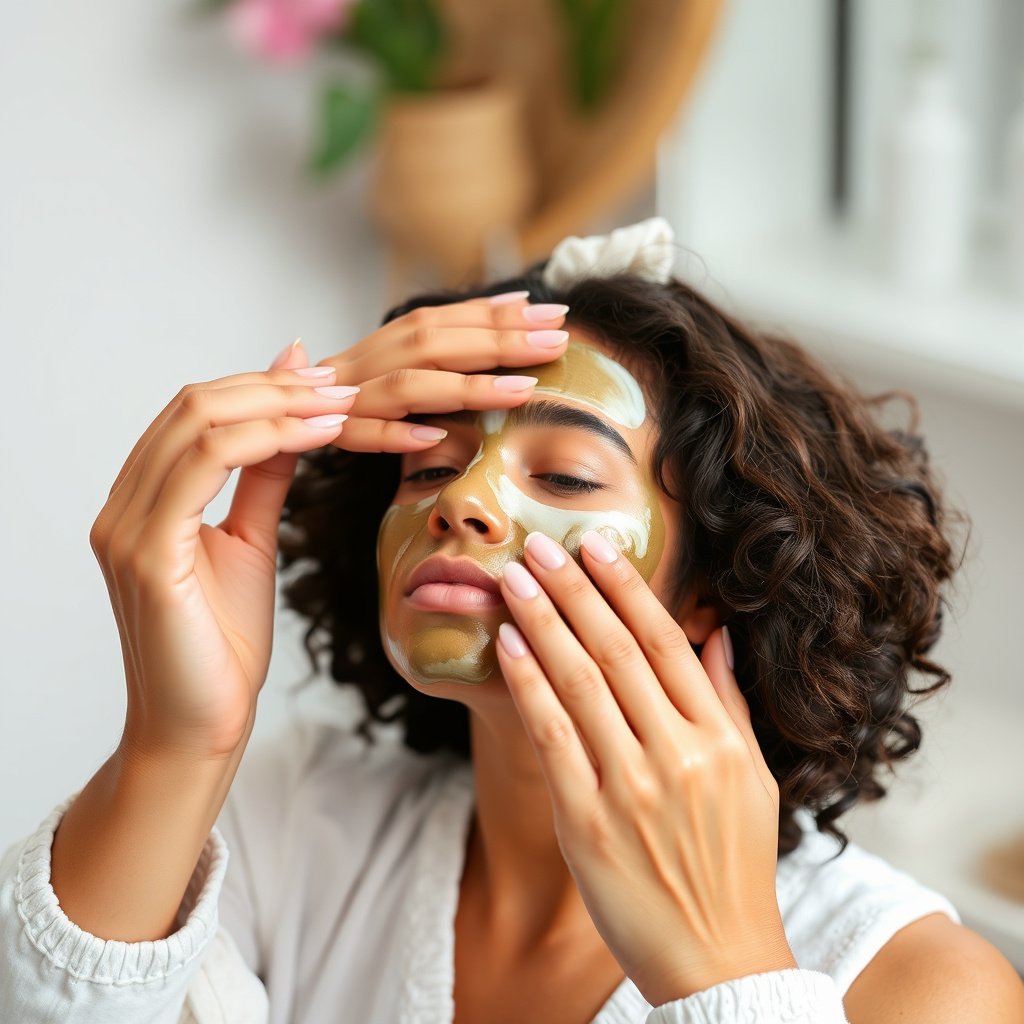
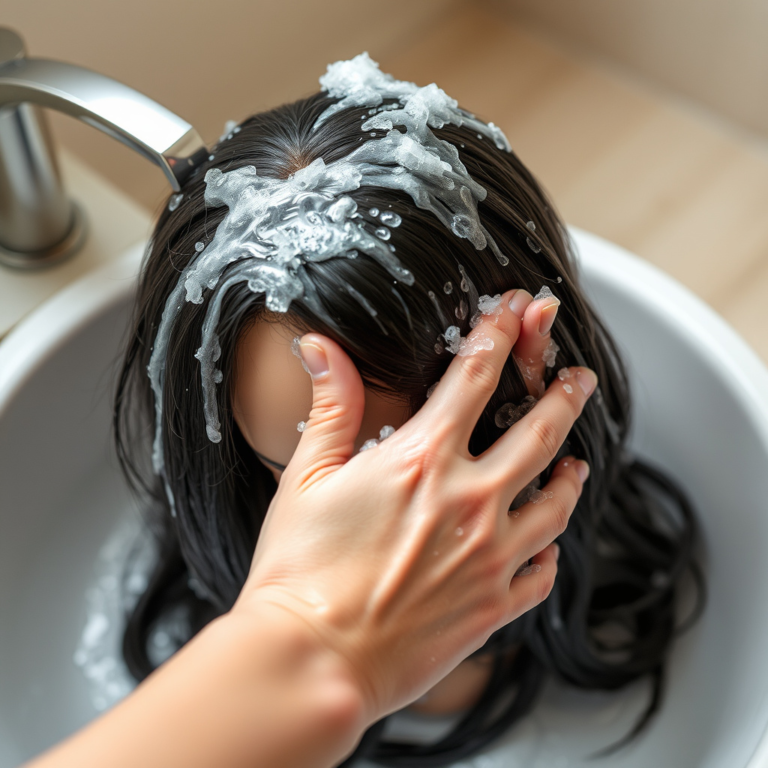
At-home deep conditioning treatments using store-bought masks or natural ingredients can provide substantial repair. Applying a rich mask once or twice weekly helps maintain hydration and reduces breakage.
Look for products labeled for damaged or dry hair containing proteins and oils to nourish strands between salon visits.
- Apply 1-2 times weekly
- Use heat cap or warm towel to boost absorption
- Rinse thoroughly for best results
Applying Leave-In Conditioners and Serums
Leave-in conditioners and serums provide ongoing protection and hydration after washing. They coat hair with lightweight formulas to smooth cuticles and reduce friction, limiting further damage.
Daily use supports stronger hair and complements deeper treatments.
- Protect from heat styling
- Add shine without weighing down
- Reduce flyaways and tangles
Choosing the Right Hair Treatment for Your Specific Damage
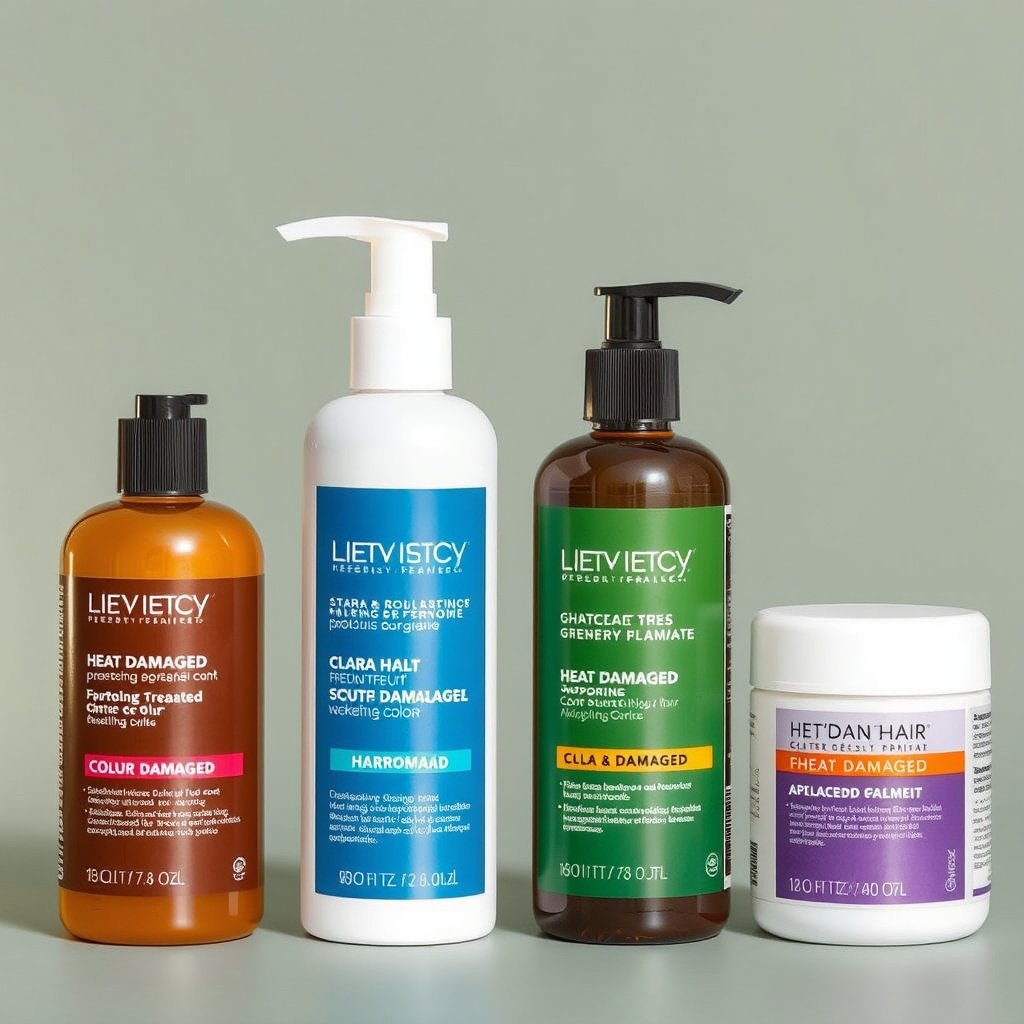
For Heat-Damaged Hair
Select treatments featuring keratin and heat protectants to rebuild protein while minimizing future heat trauma. Products with silk amino acids help restore hair strength and smoothness after styling damage.
A combination of weekly deep conditioning and daily leave-ins is effective in managing heat damage.
- Keratin-enriched masks
- Heat protectant sprays
- Lightweight serums
For more on this, see our related guide: How to Moisturize Dry Hair for Soft, Healthy Strands.
For Chemically Treated Hair
Chemically damaged hair benefits from richer moisturizing treatments with oils like argan and shea butter. Protein treatments should be used carefully to avoid overloading fragile fibers.
Gentle cleansing with sulfate-free shampoos also helps maintain treatment effects longer.
- Moisturizing oils and butters
- Sulfate-free cleansing products
- Protein treatments as needed
Maintenance and Prevention Tips for Healthy Hair
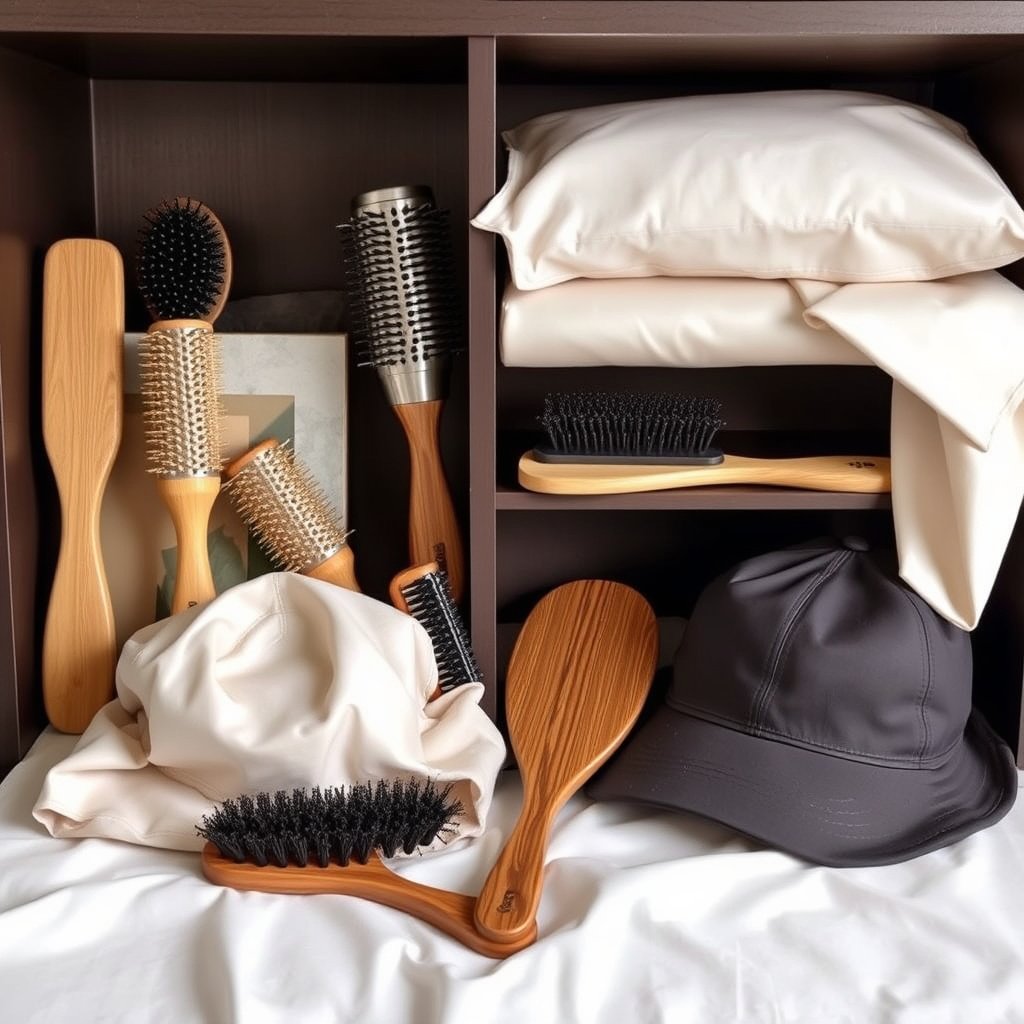
Daily Care Habits
Avoid excessive heat styling and harsh brushing to preserve hair integrity. Using wide-tooth combs and gentle detanglers prevents mechanical damage.
Sleeping on silk or satin pillowcases reduces friction that can cause frizz and breakage overnight.
- Limit heat styling to avoid damage
- Use gentle hair accessories
- Maintain regular conditioning routine
For a detailed overview of hair structure and damage, visit the Wikipedia article on hair care. hair damage and repair.
Protecting Hair from External Harm
Shield hair from sun exposure with hats or UV-protective sprays. Chlorine and saltwater can dry hair, so rinsing and conditioning after swimming is beneficial.
Routine trims help remove split ends and keep hair looking healthy.
- Use UV protection products
- Rinse after swimming
- Schedule regular trims every 6-8 weeks
Comparison of Hair Treatment Categories for Damaged Hair
Below is a comparison of different hair treatment types focusing on key benefits, application, and suitability for damage levels.
| Treatment Type | Primary Benefit | Application Frequency | Best For |
|---|---|---|---|
| Keratin Treatment | Rebuilds protein, smooths strands | Every 2-3 months | Severe damage from heat/chemicals |
| Salon Deep Conditioning Mask | Intense hydration and repair | Monthly | Moderate to severe dryness |
| At-Home Deep Conditioning | Moisturizes and strengthens | 1-2 times weekly | Mild to moderate damage |
| Leave-In Conditioner | Protects and smooths daily | Daily | All damage levels, prevent further damage |
| Natural Oil Treatment | Seals moisture, softens | Weekly or as needed | Dry, brittle hair |
Frequently Asked Questions
How often should I use a deep conditioning treatment for damaged hair?
Using a deep conditioning treatment once or twice a week is typically enough to restore moisture and repair damaged hair without weighing it down.
Can heat protectant sprays really prevent hair damage?
Yes, heat protectant sprays create a barrier that reduces damage from tools like straighteners and blow dryers by minimizing moisture loss and heat penetration.
Is it better to use protein or moisturizing treatments for damaged hair?
Both are important; protein repairs structural damage, while moisturizing treatments restore hydration. Balance is key depending on your hair’s specific condition.
Will natural oils fix severe hair damage?
Natural oils can improve softness and shine, but severe damage often requires protein treatments or professional repair methods alongside oils.
Are keratin treatments safe for all hair types?
Keratin treatments are generally safe but may not be suitable for very fine or fragile hair, and some contain chemicals that require caution during application.
Key Takeaways
- Deep conditioning treatments rich in protein and oils are most effective for repairing damaged hair.
- Balancing moisturizing and protein ingredients prevents stiffness and brittleness.
- Professional treatments like keratin smoothing offer longer-lasting repair but require proper safety measures.
- Regular maintenance and protective habits help sustain hair health after treatment.
Conclusion
Choosing the best hair treatment for damaged hair depends on understanding the damage’s cause and extent. Repair requires a combination of protein to reinforce structure and moisturizing agents to restore softness and shine. By selecting products and treatments tailored to your hair’s specific needs—whether heat damage, chemical exposure, or environmental factors—you promote healthier, more resilient strands that look and feel better over time.
If you have moderate to severe damage from styling or chemicals, professional treatments like keratin smoothing can deliver significant results with sustained effects. For milder damage or routine care, at-home deep conditioning treatments and leave-in conditioners are excellent options for strengthening hair and preventing further breakage. Incorporating natural oils and avoiding harsh practices help maintain the improvements achieved through treatment.
Start your hair repair journey by identifying your damage type and choosing a treatment regimen that includes both protein repair and hydration. Combine this with preventive practices such as limiting heat exposure and protecting hair from sun and pollution. With consistent care and the right products, you can bring your damaged hair back to health and enjoy smoother, stronger hair every day.
One Comment