Understanding the Difference Between a Closure and Frontal for Hair Extensions
A closure and a frontal are both hairpieces used to achieve natural-looking hairstyles, but they differ mainly in size, coverage, and versatility. A closure typically covers a small section at the crown or parting area, while a frontal extends along the entire hairline from ear to ear, allowing for more diverse styling.
Knowing the difference matters because it affects how you can style your hair, the degree of protection for your natural hair, and overall hair maintenance. Choosing the right piece depends on your desired look, budget, and lifestyle.
This article will explore what closures and frontals are, their construction, benefits, styling possibilities, costs, and maintenance tips—giving you a clear understanding to select the best hair extension option for your needs.
What Is a Closure?
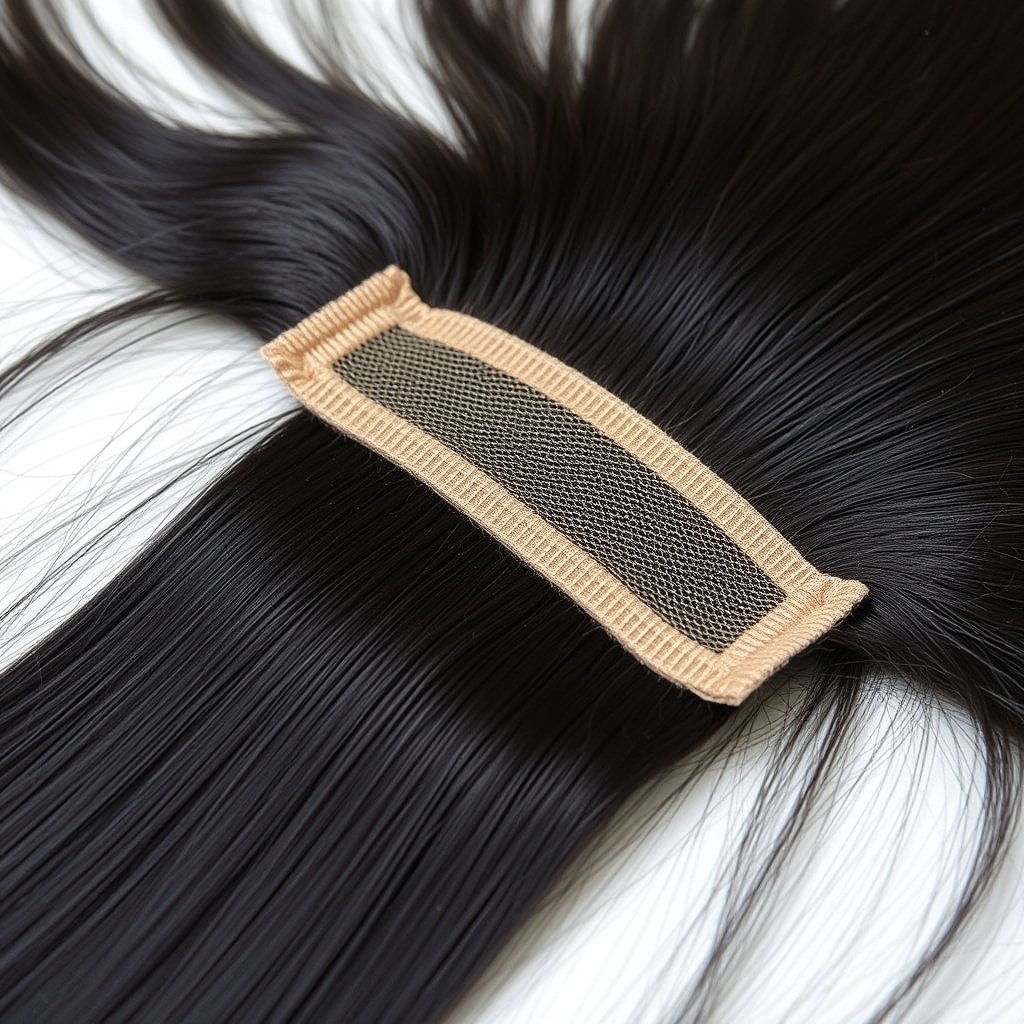
Design and Placement of Closures
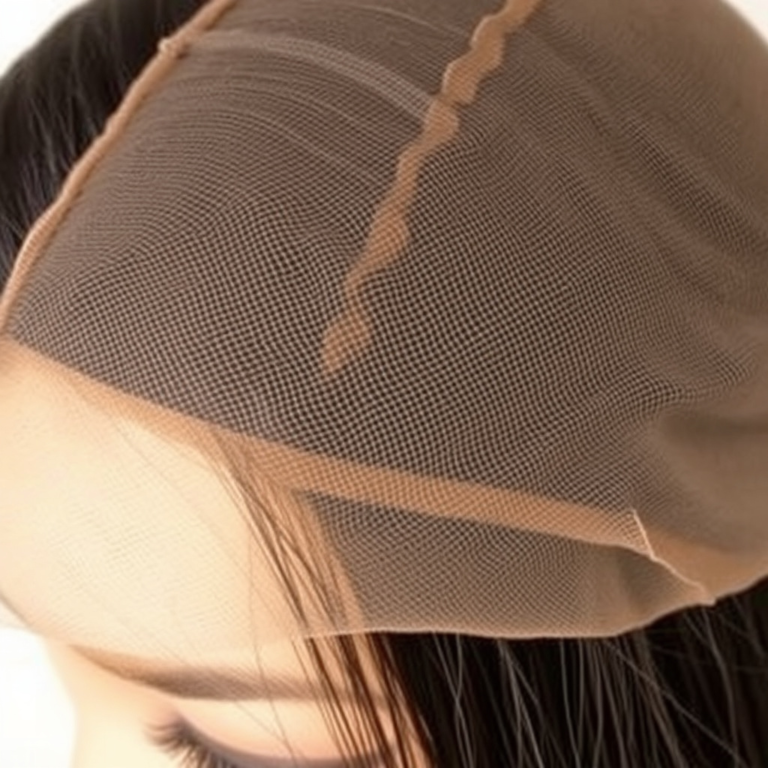
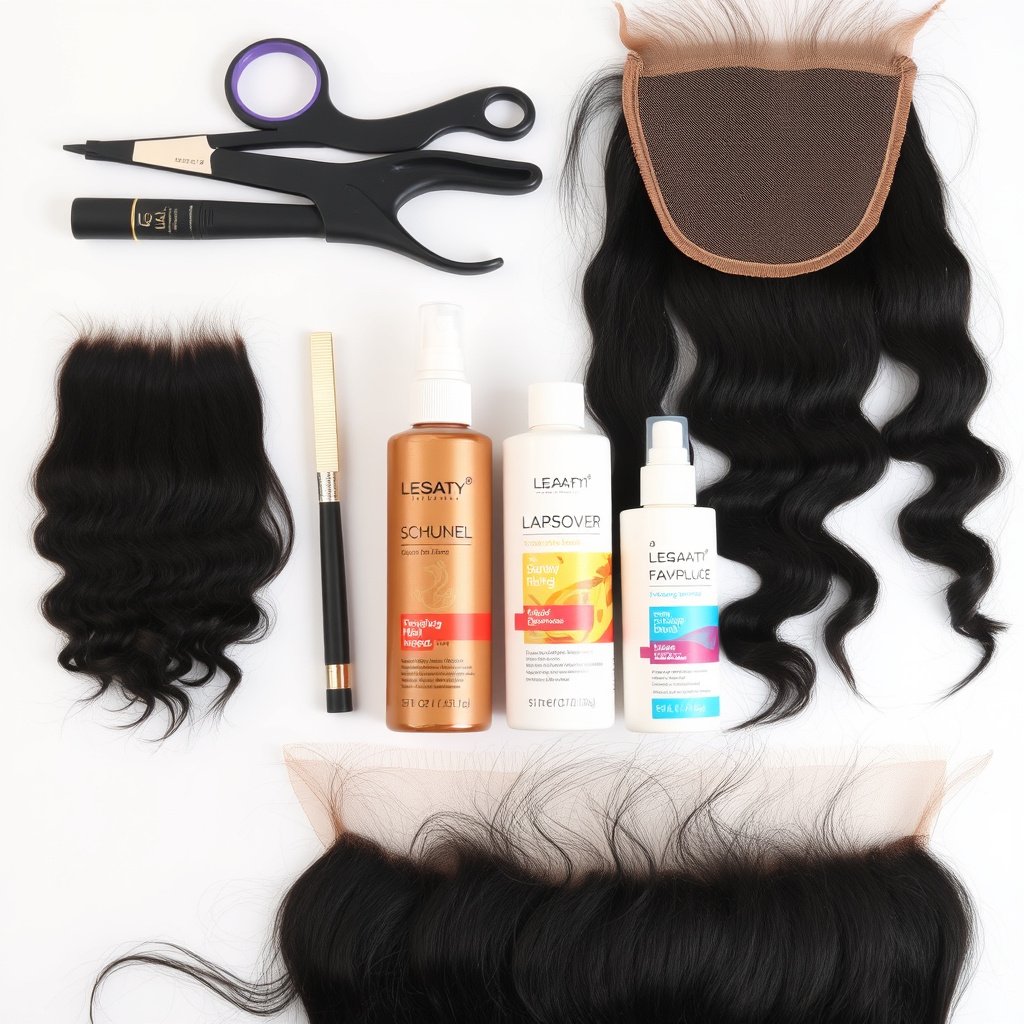
Closures are small hairpieces, usually ranging from 4×4 to 6×6 inches, made with a lace or silk base that mimics the scalp. They are placed at the crown or part area to close off a weave or protective style.
They provide a natural hairline impression and protect your natural hair underneath by covering parts that are often exposed during styling.
- Commonly square or rectangular lace base
- Placed at crown or part area
- Protects natural hair in specific zones
Types of Closures
Closures come in various formats, including lace closures, silk base closures, and TPU closures, each with unique qualities for density, breathability, and durability.
Choosing the right closure material depends on your scalp sensitivity and how natural you want the scalp to appear.
- Lace closures: breathable and light
- Silk closures: offer a realistic scalp look
- TPU closures: water-resistant and durable
What Is a Frontal?
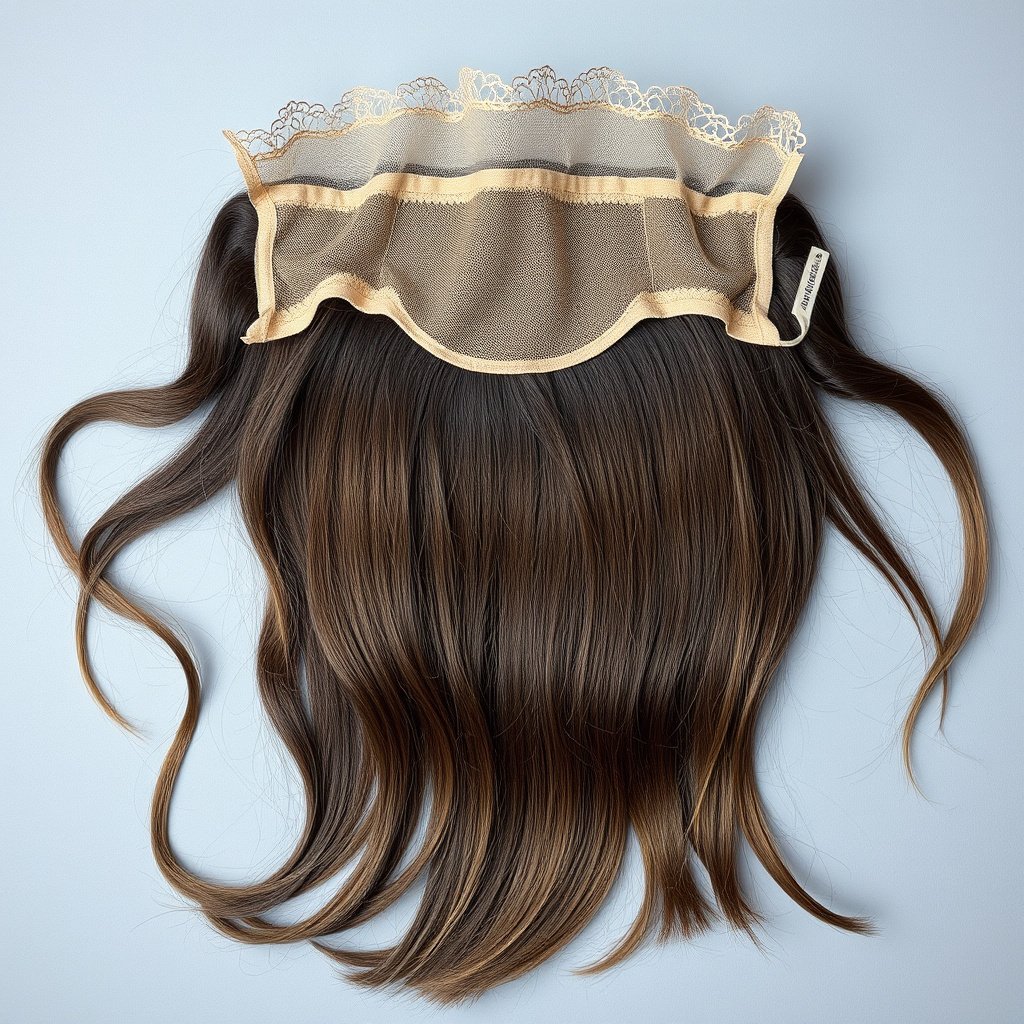
Design and Coverage of Frontals
Frontals are larger than closures, typically 13×4 or 13×6 inches, covering the entire hairline from ear to ear. This design permits versatile styling options such as slicked back looks, side parts, and updos.
The extended lace base allows the frontal to blend seamlessly with natural hair, creating a full frontal hairline appearance.
- Covers full hairline from ear to ear
- Allows frontal hairstyles like ponytails
- Typically wider lace base than closures
Materials and Types of Frontals
Like closures, frontals come with lace or silk bases, but their size makes them a more delicate option requiring careful handling.
You can choose between transparent lace for an invisible hairline or HD lace for thin and delicate scalp imitation.
- Transparent lace: nearly invisible hairline
- HD lace: thin and delicate, blends well
- Require more frequent maintenance than closures
Styling Flexibility: Closure vs. Frontal
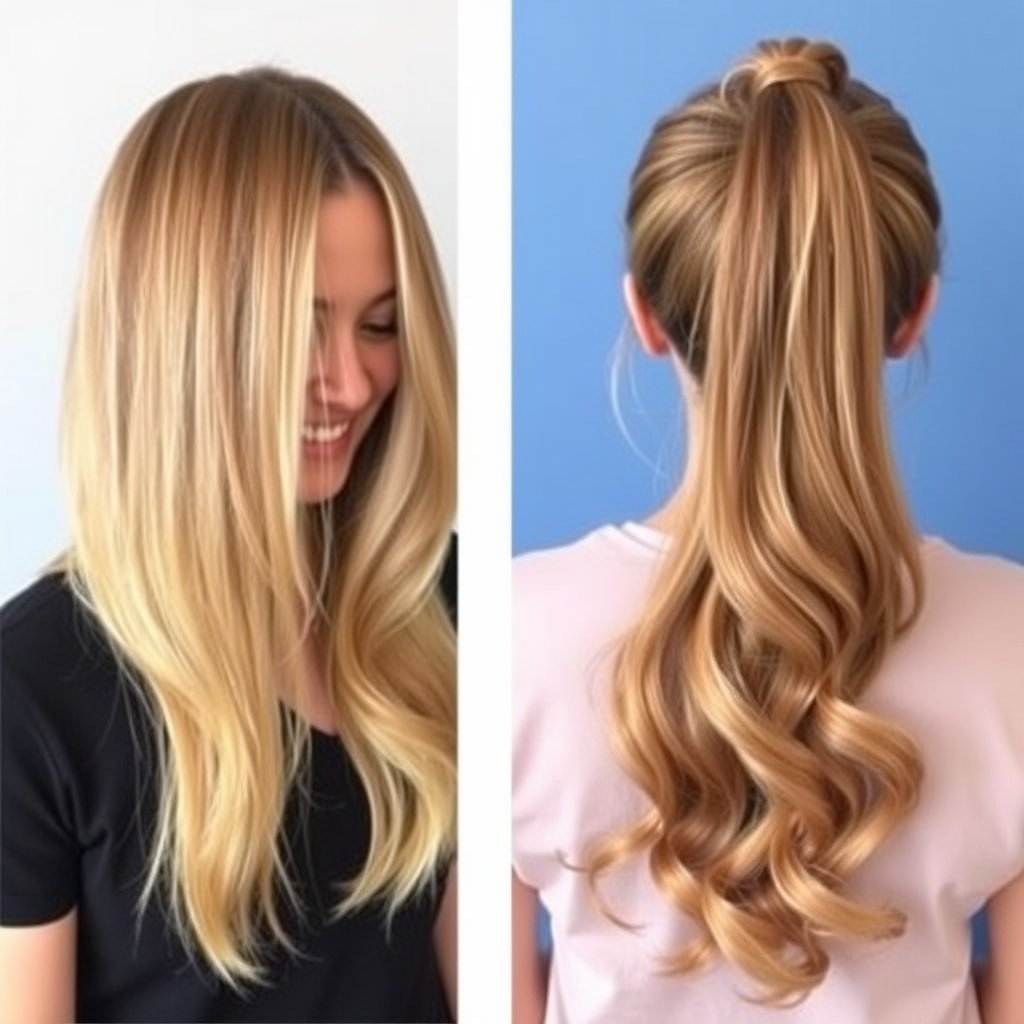
Limitations of Closures
Closures typically limit styling options to middle or side part hairstyles since they only cover a small scalp area.
They are not suitable for styles requiring full hairline exposure, such as high ponytails or slick backs.
- Restricts hair parting to closure area
- Not ideal for full hairline styles
- Offers modest protection to natural hair
Versatility Offered by Frontals
Frontals allow unlimited parting options along the entire hairline, enabling you to change parts or style in ways closures cannot.
Their extensive coverage supports updos, ponytails, and pulled-back styles while protecting natural hair underneath.
- Enables front, side, or middle parts
- Supports updo and ponytail styles
- Better natural look with full hairline coverage
Cost Considerations Between Closures and Frontals
Factors Influencing Closure Costs
Closures tend to be less expensive due to their smaller size and lower material usage. The price varies depending on hair type, lace quality, and brand reputation.
Synthetic closures cost less but may lack natural appearance, while human hair closures typically cost more but blend better.
- Smaller size reduces material cost
- Human hair closures cost more than synthetic
- Lace quality affects price
Pricing Factors for Frontals
Frontals are usually more costly because of their size and the level of craftsmanship involved to achieve a natural hairline across a larger area.
Human hair frontals, especially with HD lace, command the highest prices but offer superior aesthetics and longevity.
- Larger lace area increases cost
- Human hair and HD lace increase price
- Higher price reflects styling flexibility
Maintenance and Longevity
Caring for Closures
Closures require gentle washing, moisturizing, and careful handling to prevent lace tears and hair shedding.
They can last 6-12 months with proper care, depending on usage frequency and hair quality.
- Use sulfate-free shampoos
- Avoid excessive heat styling
- Store carefully when not in use
Caring for Frontals
Frontals need meticulous maintenance given their larger lace base which can be fragile. Regular cleaning and delicate handling extend their lifespan.
Frequent styling and exposure may reduce their longevity to around 4-8 months if not properly cared for.
- Avoid rough combing across lace
- Apply leave-in conditioners gently
- Take extra care to avoid lace damage
Choosing Between a Closure and Frontal
When to Choose a Closure
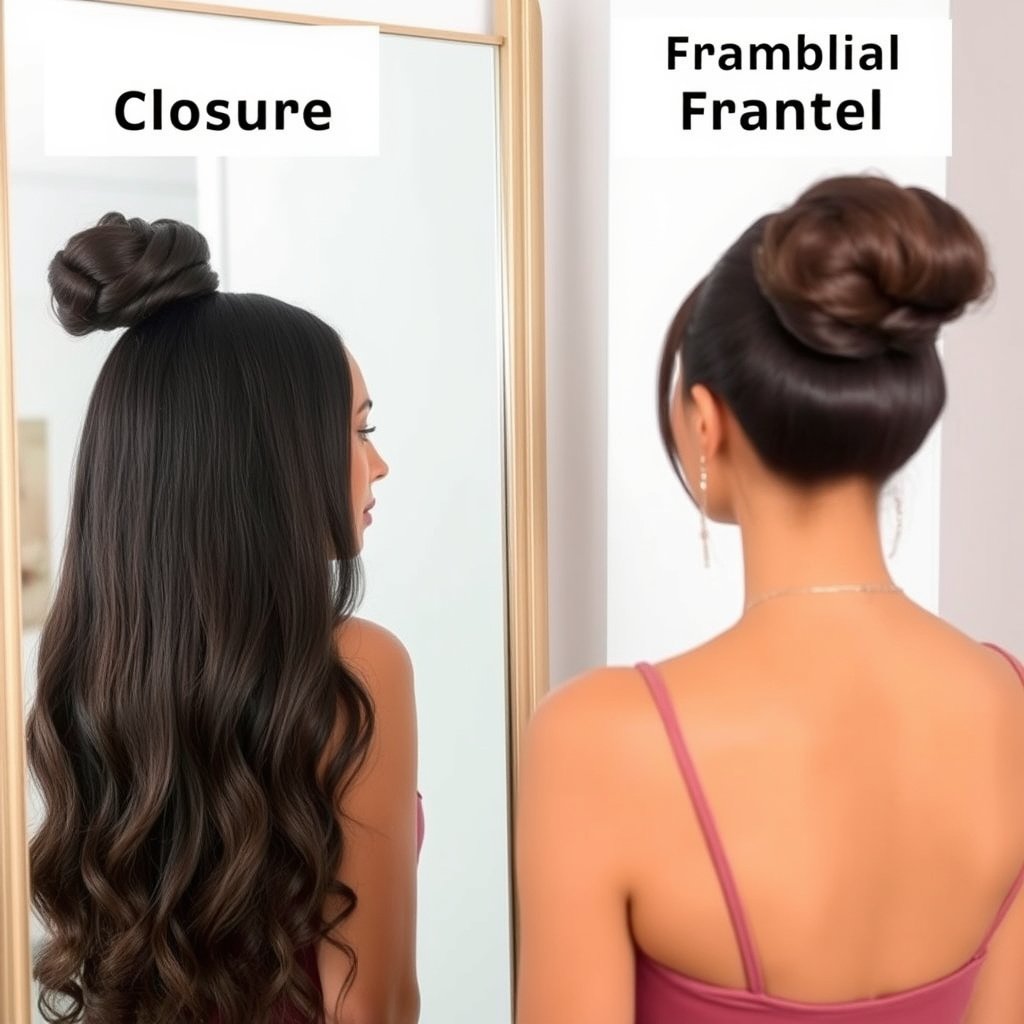
Closures are ideal if you want an affordable option that protects the crown area and suits simple parting styles without extensive hairline coverage.
They are great for beginners who want low-maintenance extensions with a quick installation.
- Budget-friendly choice
- Simple part styles
- Protects limited natural hair area
For more detailed insights, you can visit this resource on lace closure and frontal information. lace closure and frontal information.
When to Choose a Frontal
Frontals suit those seeking versatile styling flexibility, including full hairline looks, ponytails, and side-parts with a more natural finish.
They are preferable for clients looking for premium hairpiece options and willing to invest in more detailed maintenance.
- Full hairline coverage
- Supports diverse hairstyles
- More natural, premium option
Closure vs Frontal Hair Extension Comparison
The table below summarizes the main differences between closures and frontals across key aspects to help you decide.
| Feature | Closure | Frontal |
|---|---|---|
| Size | Typically 4×4 to 6×6 inches | Typically 13×4 or 13×6 inches |
| Coverage | Small scalp area, crown or part | Full hairline from ear to ear |
| Styling Options | Limited to middle/side parts | Supports ponytails, updos, full parting |
| Price Range | More affordable | Higher cost due to size and lace |
| Maintenance | Easier, longer longevity | Requires delicate care, shorter lifespan |
| Natural Look | Good for specific part areas | More natural full hairline effect |
Frequently Asked Questions
Can I wear a closure or frontal without a weave?
Both closures and frontals can be worn without weaves, but they typically require a wig cap or specific installation methods since they cover only part of the scalp.
Which lasts longer, closures or frontals?
Closures usually last longer because they are smaller and less delicate, often lasting up to a year, while frontals require more care and last around 4 to 8 months.
Do closures and frontals need special glue or tape?
Yes, both typically use adhesives like wig glue or double-sided tape to secure them, although installation methods vary depending on the desired style and base type.
Can I part my hair anywhere with a closure?
No, closures usually have limited parting space, typically a fixed middle or side part, whereas frontals allow greater freedom to part hair anywhere along the hairline.
Is one better for protecting my natural hair?
Both protect natural hair by covering exposed areas, but frontals provide broader protection along the hairline, while closures protect more localized spots.
Key Takeaways
- Closures cover a smaller scalp area, typically at the crown or part.
- Frontals cover the entire hairline, offering more styling versatility.
- Closures are more affordable and easier to maintain than frontals.
- Choosing depends on your styling needs, budget, and hair protection priorities.
Conclusion
Deciding between a closure and a frontal involves weighing how much of your hairline coverage you want, the styling flexibility you need, and how much you are willing to invest. Closures provide a simple, effective solution for those focused on protecting a smaller area with limited styling options. In contrast, frontals offer extensive hairline coverage with greater freedom for styling but require more maintenance and higher upfront costs.
If you prefer everyday wear with straightforward styles like middle or side parts and are budget-conscious, closures are an excellent choice. For individuals seeking a flawless natural hairline look supporting updos, ponytails, and full parting versatility, frontals represent the premium option. Both hair extension options can protect your natural hair when installed and cared for properly, making them smart choices depending on your hair goals.
Start by assessing your desired hairstyles and commitment to maintenance. Once that’s clear, explore hair extension options like closures or frontals that best fit. Consult with a stylist or wig expert to match lace types and densities to your scalp and hair texture for the most natural effect. With the right preparation, either closure or frontal can enhance your look while preserving your natural hair's health.