How to Stretch Braiding Hair for Long-Lasting Styles
Stretching braiding hair before installation prevents tangling, frizz, and uneven braids, giving your style a smooth, polished finish that lasts longer. The main goal is to extend the hair strands while maintaining their texture and preventing damage.
This step is essential because un-stretched braiding hair often retracts when exposed to heat or water, causing bulkiness or shrinkage at the roots and making the style harder to manage. By stretching the hair properly, you ensure a neater braid and a more natural look.
In this article, we’ll cover the best methods to stretch synthetic braiding hair safely, including heat and no-heat techniques, tips to avoid damage, and how to prepare different types of braiding hair for installation.
Why Stretching Braiding Hair Matters
Impact on Style Longevity
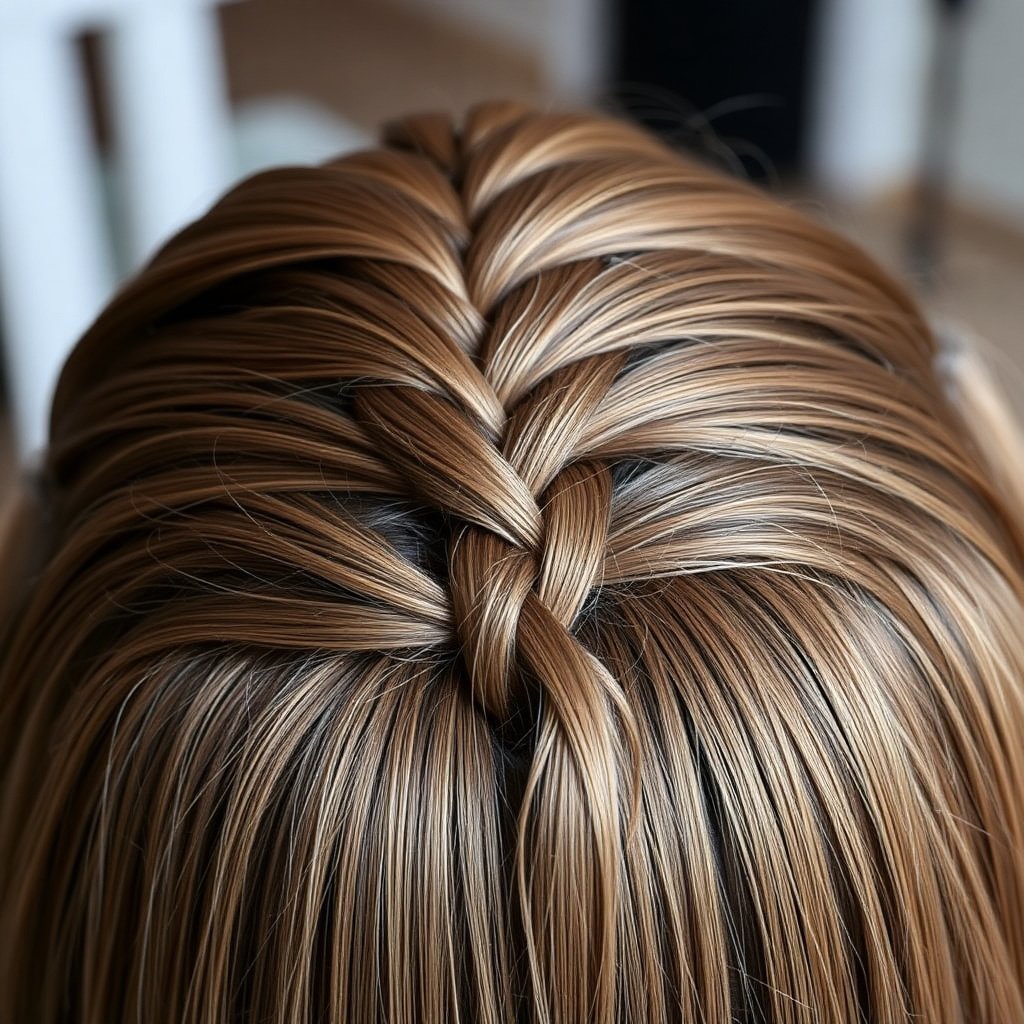
Stretching braiding hair helps maintain your hairstyle’s neatness for weeks by reducing shrinkage and tangling. When synthetic hair is left un-stretched, it tends to retract from the heat or moisture, causing your braids to look uneven or bulky near the scalp.
Long-lasting braids mean less frequent touch-ups and lower maintenance costs. It also keeps the hair soft and manageable, cutting down on frizz and flyaways, which gives your style a polished appearance throughout its wear.
Preserving Hair Quality
Proper stretching keeps the synthetic hair fibers intact, preventing unnecessary brittleness or breakage. Since many braiding hairs are heat-sensitive, stretching methods that avoid excessive heat conserve the hair’s shine and smooth texture.
Avoiding damage not only maintains the aesthetic appeal but also saves money because you won’t need to replace hair as frequently. Stretching prepares hair for styling tools and environmental exposure without compromising its structure.
Heat Stretching Methods for Braiding Hair

Blow Dryer Technique
One of the simplest heat stretching methods uses a blow dryer set to a medium heat with a comb or brush to gently pull the hair while drying. This elongates the fibers evenly and helps remove excess moisture.
Keep the dryer moving and avoid holding it too close to prevent heat damage. Section the hair and work through small portions at a time for consistent stretching without burning or weakening the strands.
- Use medium heat setting
- Pull hair gently with a wide-tooth comb
- Keep blow dryer moving continuously
- Work in small sections
For more on this, see our related guide: Best Pre Stretched Braiding Hair: Top Picks and Buying Tips.
Hot Water Dip Method
Another popular approach is dipping synthetic braiding hair in hot (not boiling) water, then gently pulling it straight and hanging it to dry. The hot water relaxes the fibers, allowing them to stretch out evenly.
This method works well for kanekalon or toyokalon hair types, preventing shrinkage without harsh heat tools. After soaking, carefully detangle the hair before allowing it to air dry to retain smoothness.
- Use water around 140°F (60°C)
- Dip strands briefly for 1-2 minutes
- Pull hair straight gently when wet
- Air dry fully before braiding
No-Heat Stretching Techniques
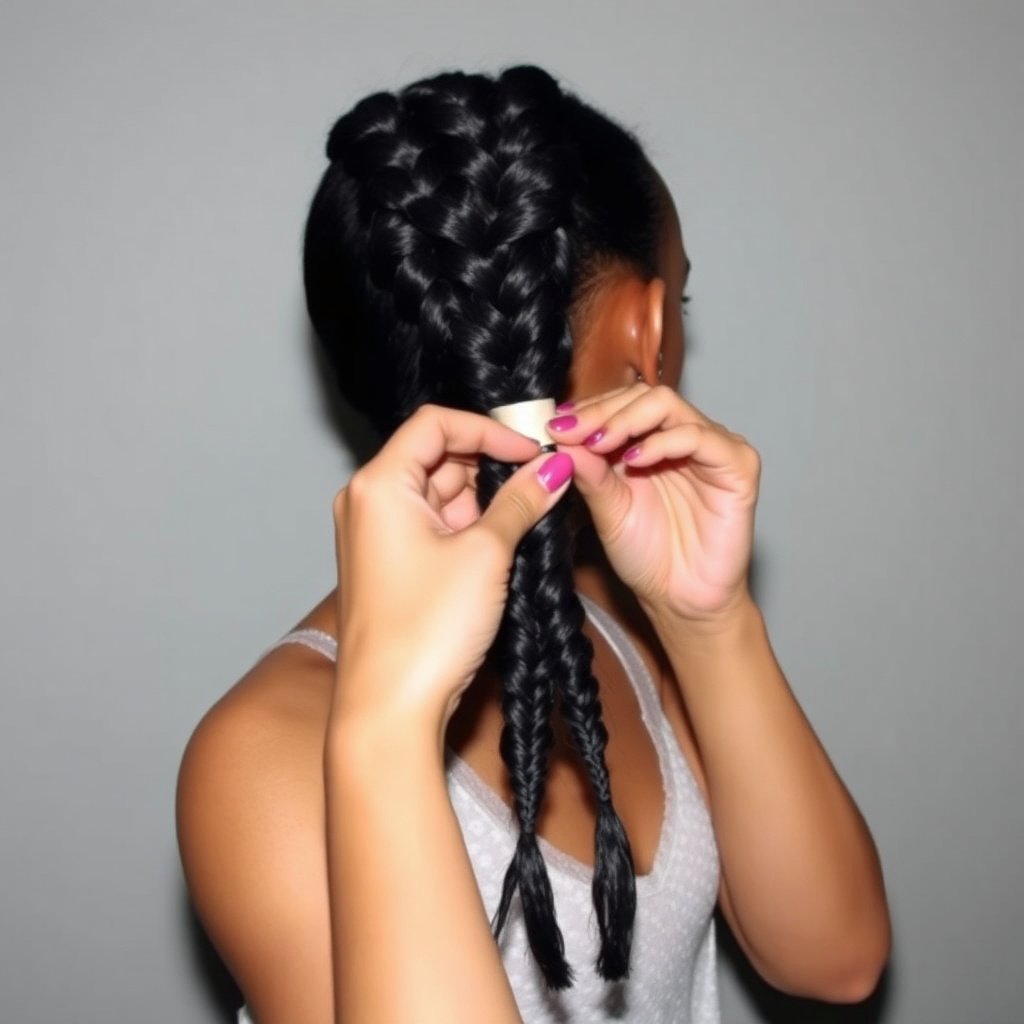
Band Stretching Overnight
To avoid heat entirely, wrap the hair tightly around a long surface, like a broomstick or towel rod, securing the ends with rubber bands or clips. Leave the hair stretched overnight to allow tension to elongate the fibers naturally.
This slow stretching helps maintain the integrity of heat-sensitive hair types and is an excellent option when you want to preserve softness. Results vary depending on hair texture and fiber composition.
- Wrap hair around a rod or pole
- Secure ends with rubber bands
- Leave wrapped for 8-12 hours
- Unwrap gently before use
Finger Stretching and Detangling
A gentle manual method involves combing or finger detangling the hair repeatedly to stretch it before braiding. This technique is less effective for very tight synthetic curls but works on wavy or straight textures.
Repeated pulling combined with detangling loosens any curls or coils and ensures the hair lays smoothly, especially when combined with a small amount of detangling spray to reduce friction.
- Use detangling spray if needed
- Comb through gently from tips to roots
- Repeat pull-and-release motions
- Avoid aggressive pulling to prevent breakage
Preparing Different Types of Braiding Hair
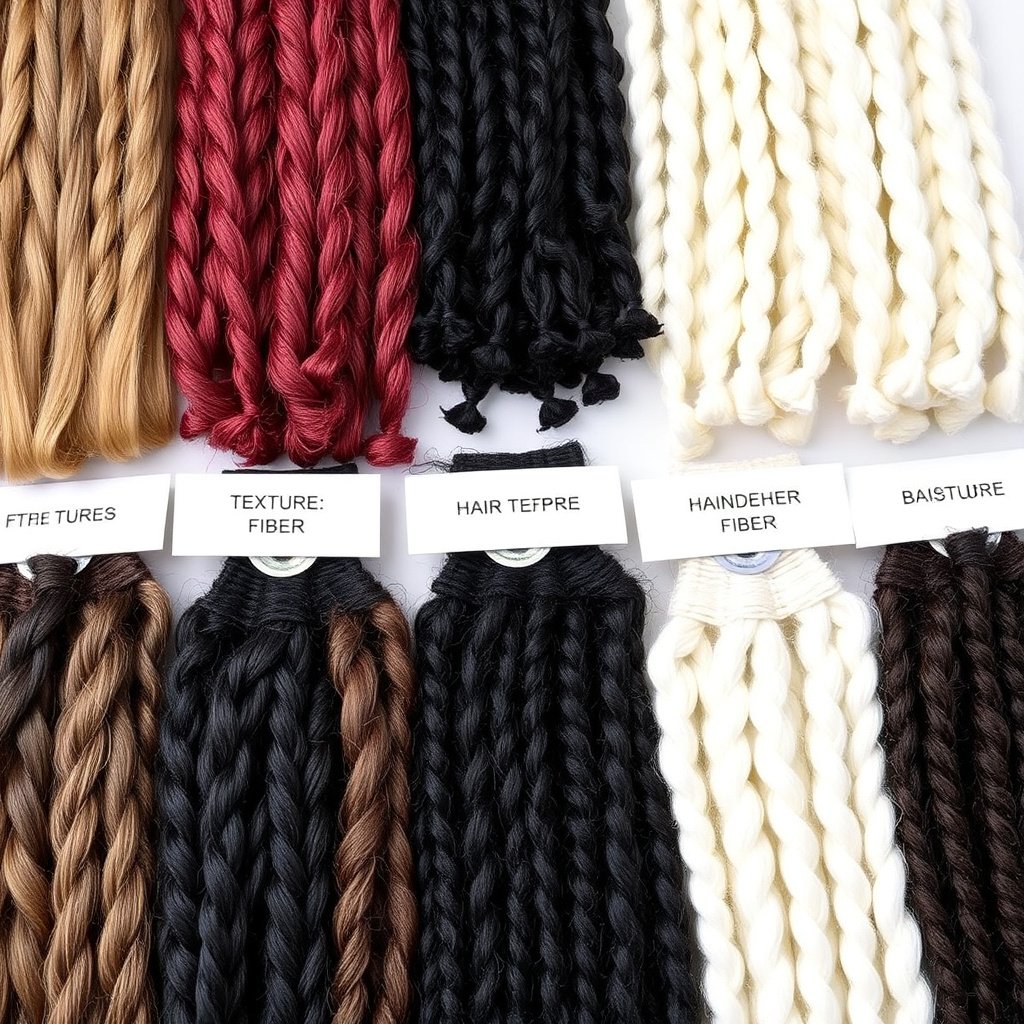
Kanekalon Hair Preparation
Kanekalon is lightweight and heat sensitive, so avoid high temperatures when stretching. Hot water dip or no-heat band methods work best to maintain the softness and prevent melting or frizzing during styling.
Using mild stretching ensures a natural-looking braid with less bulk, and kanekalon hair holds stretched styles well when dried thoroughly after treatment.
For more on this, see our related guide: Your Guide to Pre-stretched Braiding Hair: Choosing With Confidence.
Toyokalon and Synthetic Blends
Toyokalon fibers tolerate heat slightly better but still require caution. Blow drying on medium heat and hot water dips offer quick stretching without compromising texture, while no-heat methods preserve longevity for delicate blends.
Synthetic blends vary; testing a small strand first with chosen stretching techniques can prevent surprises such as melting or excessive frizziness.
Aftercare Tips for Stretched Braiding Hair
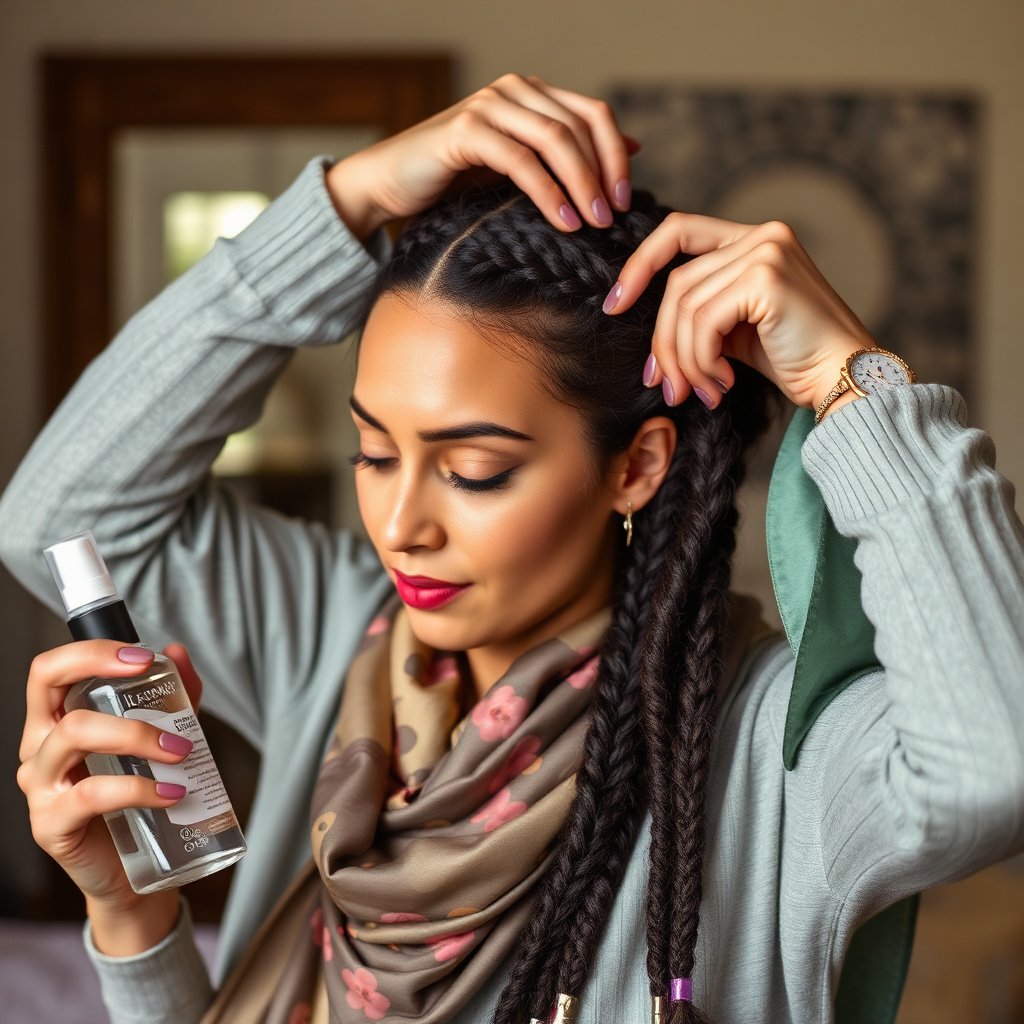
Maintaining Smoothness Post-Stretch
After stretching, store the hair in a cool, dry place to prevent moisture buildup, which can cause shrinkage or frizz. Before installation, lightly mist with a leave-in conditioner or detangling spray to keep strands hydrated without weighing them down.
Using satin or silk wraps at night after installing further protects stretched braiding hair from frizz and tangling, extending the lifespan of your style.
- Store stretched hair away from humidity
- Apply light leave-in conditioner spray
- Use satin scarves or bonnets at night
For a broader understanding of braiding hair types and handling, consult helpful braiding hair care guidelines available online. braiding hair care guidelines.
Avoiding Common Damage
Avoid exposing stretched braiding hair to excessive heat sources or chemicals after stretching as that can reverse the effects or break the fibers. When washing or refreshing braids, opt for gentle techniques that preserve the stretch and texture.
Regularly detangle the ends and keep the hair moisturized to minimize buildup and breakage throughout the wear period.
- Limit heat styling after stretching
- Use gentle shampoo and rinse methods
- Detangle ends carefully with wide-tooth comb
Comparison of Braiding Hair Stretching Methods
Here’s a quick overview comparing popular stretching methods to help you choose the most suitable one for your synthetic braiding hair type and time availability.
| Method | Heat Used | Time Required | Effectiveness | Hair Types Best For |
|---|---|---|---|---|
| Blow Dryer | Medium Heat | 20-30 minutes | High | Toyokalon, synthetic blends |
| Hot Water Dip | Hot Water Dip | 10-15 minutes + drying | High | Kanekalon, Toyokalon |
| Band Stretching Overnight | No Heat | 8-12 hours | Moderate | Heat-sensitive kanekalon |
| Finger Stretching | No Heat | 5-10 minutes | Low to Moderate | Wavy synthetic hair |
| Steam Stretching | Steam Heat | 15-20 minutes | High | Synthetic blends with good heat tolerance |
Frequently Asked Questions
Can I stretch braiding hair without using heat?
Yes, band stretching overnight and finger detangling are effective no-heat methods that elongate synthetic braiding hair while preserving its quality and softness.
What is the risk of using too much heat when stretching braiding hair?
Excessive heat can melt or damage synthetic fibers, causing frizz, brittleness, and shortening the lifespan of your braiding hair.
How often should I stretch braiding hair if I reuse it?
If reusing stretched braiding hair, a light touch-up stretch before installation is recommended to maintain smoothness and shape without over-stressing the fibers.
Is there a difference between stretching natural and synthetic braiding hair?
Natural hair requires different care and usually less stretching compared to synthetic fibers, which need more deliberate elongation techniques to control shrinkage.
Can the hot water dip method alter the texture of braiding hair?
If done correctly at the right temperature and timing, hot water dipping smooths and stretches synthetic hair without negatively changing its texture.
Key Takeaways
- Stretching braiding hair reduces tangling and shrinkage for neater braids.
- Heat methods like blow drying and hot water dips stretch hair quickly but require care.
- No-heat options preserve hair softness but take longer to work.
- Proper aftercare maintains stretched hair’s smooth texture and longevity.
Conclusion
Choosing how to stretch braiding hair depends on your hair type, desired style durability, and sensitivity to heat. Synthetic hair’s tendency to retract without proper care means stretching is a critical preparation step that improves the look and feel of braids. By balancing heat and no-heat techniques, you can protect hair fibers while achieving the silky, extended length you want for installation.
For instance, braiders working with heat-sensitive kanekalon may prefer the overnight band stretch or hot water dip methods for a safer approach, while those using more resilient synthetic blends might benefit from the rapid blow dryer technique. Incorporating aftercare like light moisturizing sprays and satin wraps further safeguards the stretched hair, maximizing the style’s wear time.
Start by testing a small hair section with your chosen stretching method to determine compatibility and texture results. Patience in preparation translates to smoother braids and less maintenance later. Whether applying heat or using slower no-heat strategies, stretching braiding hair correctly paves the way for vibrant, long-lasting braiding styles.