Toner for Hair Guide: What to Know Before You Buy
Struggling with dull or brassy hair color? You’re not alone. Many people find it frustrating when their beautiful hair tones fade or turn yellowish between salon visits.
That’s where a good hair toner can make all the difference, refreshing your color and bringing life back to your locks without the hassle of a full dye job.
You’ll want a hair toner that refreshes your color by neutralizing unwanted brassiness or yellow tones without lightening your hair. Choose the right shade based on your base color—purple or blue for blondes, richer tones for darker hair—and apply it evenly on damp hair to avoid patchiness.
Use toner every few weeks but avoid overdoing it to keep your hair healthy and vibrant. Keep going to uncover how to pick and use the perfect toner for your hair.
Key Takeaways
- Hair toner neutralizes unwanted hues like brassiness without lightening hair, and it fades with washing.
- Choose a toner shade based on color theory by matching undertones to counteract yellow or orange tones.
- Demi-permanent and semi-permanent toners offer different longevity. Pick one based on how long you want the effect to last.
- Apply toner on damp, towel-dried hair in sections for even coverage, then rinse with cool water.
- Use toner every 2-8 weeks depending on your hair type. Just be careful not to overuse it to avoid dryness and dullness.
What Is Hair Toner and How Does It Work
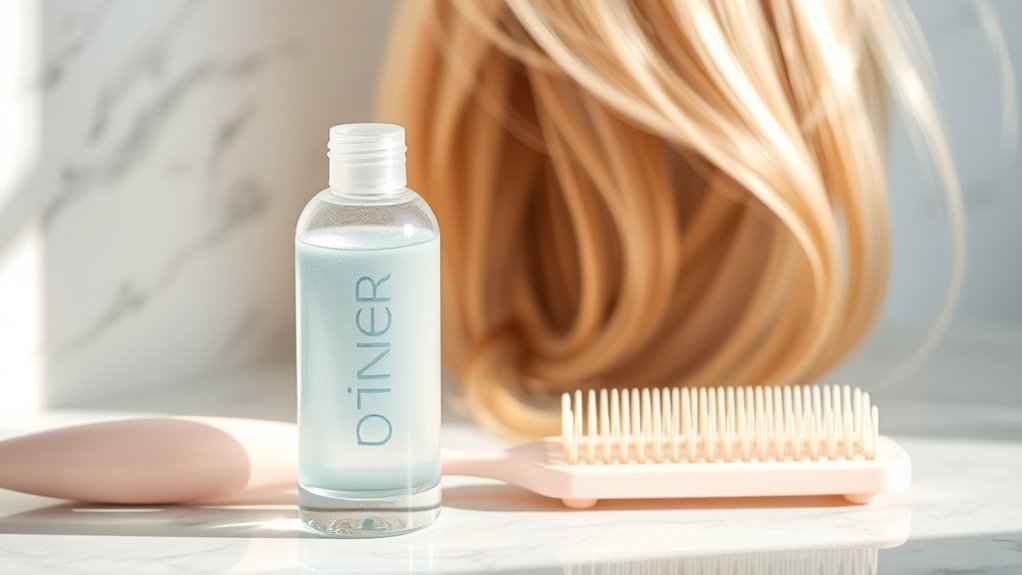
Hair toner is a specialized product that adjusts or improves your hair color after bleaching or dyeing. When you use toner, it refines your shade by neutralizing unwanted hues like brassiness or yellow tones.
You might wonder what’s inside these products. Toner ingredients usually include pigments and conditioning agents designed to deposit color without damaging your hair. Understanding these ingredients helps you choose the right toner and avoid surprises.
You’ve probably heard some toner myths, such as thinking toner can lighten hair or that it lasts forever. In reality, toner doesn’t lighten hair; it only modifies existing color.
Also, toner fades with washing because it sits on the hair’s surface rather than penetrating deeply. Knowing how toner works and what’s in it helps you set realistic expectations and use it effectively.
Different Types of Hair Toners: Which One Fits Your Needs?
Now that you know how toner works and what it contains, it’s important to understand the different types available so you can pick the one that matches your hair goals. Hair toners mainly fall into four categories, each designed for specific effects and color correcting needs.
Demi-permanent toners gently neutralize unwanted hues without harsh chemicals. They’re perfect if you want subtle changes.
Semi-permanent toners are great for a temporary fix. They wash out after several shampoos and help debunk toner myths about permanence.
Purple and blue toners are ideal for canceling out yellow or orange tones. These color correcting toners are popular with blondes.
Gloss toners add shine and improve your natural color without altering the base shade much.
Choosing the right type depends on how long you want the effect to last and the kind of color correcting you need. Understanding these options helps you avoid common toner myths and get exactly what your hair requires.
How to Choose the Right Toner Shade for Your Hair Color
How do you pick the perfect toner shade to complement your current color? Start by understanding color theory basics. Opposite tones on the color wheel neutralize each other.
For example, if your hair has unwanted brassiness with orange or yellow hues, choose a toner with blue or purple undertones to balance it out. Shade matching is key: assess your hair’s existing tone and level before selecting a toner shade.
If your hair is light blonde, a pastel or silver toner works best, while darker shades might require richer, deeper toners. Always consider your desired outcome; if you want to improve cool tones, opt for ash or icy shades.
Avoid choosing a toner that’s too dark or too light compared to your base, as it can create uneven results. By applying color theory and precise shade matching, you guarantee your toner boosts your hair’s vibrancy and leaves you with the perfect finish.
How to Use Hair Toner: Step-by-Step Application
Applying toner correctly can make all the difference in achieving the perfect shade. Start by mixing your toner precisely, using recommended toner mixing techniques to get the right consistency and strength. Always do a patch test first to avoid unexpected reactions.
When you’re ready, apply the toner evenly to damp, towel-dried hair for better absorption.
Here are some essential toner application tips to follow:
- Section your hair for even coverage
- Use a brush to apply toner from roots to ends
- Leave the toner on for the time specified in instructions
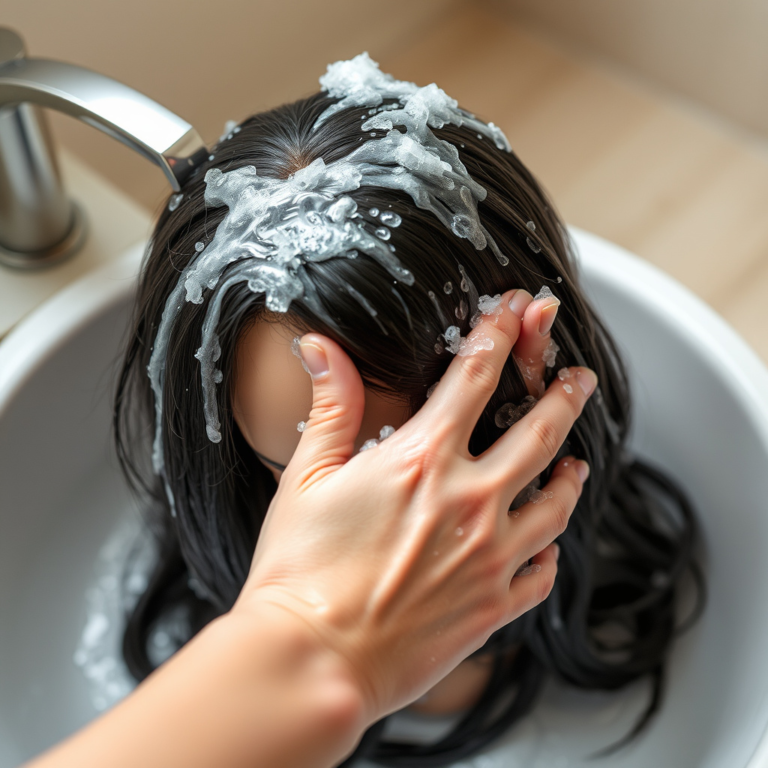
- Rinse thoroughly with cool water to lock in color
Remember to wear gloves and work in a well-ventilated area. After rinsing, condition your hair to restore moisture.
Following these steps guarantees your toner works effectively, enhancing your hair color without damage or uneven tones.
How Often Should You Use Hair Toner for Best Results?
Determining the ideal frequency for using hair toner depends on your hair type, color, and the results you want to maintain. Generally, you’ll want to adjust your toner frequency based on how quickly your hair color fades or shifts.
If you have blonde or lightened hair, applying toner every 2 to 4 weeks helps keep unwanted brassiness at bay and maintain a fresh tone. Darker or less porous hair might require less frequent toner application, perhaps every 6 to 8 weeks.
Pay attention to how your hair responds; over-toning can lead to dryness or unwanted hues. When you do your toner application, follow the product’s instructions carefully and avoid leaving toner on longer than recommended.
This helps preserve your hair’s health while achieving the best color refresh. Ultimately, tuning your toner frequency to your hair’s needs guarantees lasting, vibrant results without damage.
Tips for Neutralizing Brassiness With Hair Toner
Keeping brassiness under control plays a big role in maintaining your desired hair tone between toner applications. When you want effective brassiness reduction, choosing the right toner and following a few simple tips can make all the difference. Color correction becomes easier when you understand how to neutralize unwanted warm tones quickly and safely.
Here’s what you should keep in mind:
- Use a toner with violet or blue undertones to counteract orange and yellow hues.
- Apply toner on damp, towel-dried hair for even absorption and better results.
- Follow the recommended processing time closely to avoid over-toning or under-toning.
- Incorporate sulfate-free shampoos designed for color-treated hair to extend brassiness reduction effects.
How to Enhance Your Natural Hair Color Using Toner
If you want to enhance your natural hair color using toner, the first step is picking the right shade that really complements your base tone. It’s all about finding that perfect match to bring out the best in your hair.
Once you’ve got your toner, apply it carefully to avoid any patchy or uneven spots. Taking your time here makes a big difference, and using the right techniques will help you get even coverage all over.
And don’t forget, to keep your color looking fresh and vibrant, regular touch-ups are key. Plus, proper hair care routines will help maintain that beautiful tone for longer.
Choosing The Right Shade
How can you pick the perfect toner shade to make your natural hair color pop? Start by understanding shade matching and color theory. Knowing your hair’s undertones, whether warm, cool, or neutral, helps you choose a toner that complements rather than clashes.
Use color theory to balance unwanted hues. For example, purple toners neutralize yellow tones in blonde hair.
Consider these tips for choosing the right shade:
- Identify your hair’s base tone and undertones
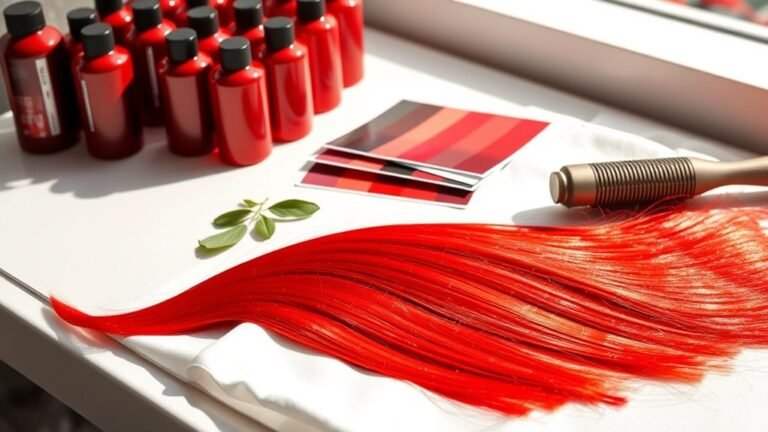
- Use a color wheel to find complementary toner shades
- Avoid shades too close to your natural color to see a noticeable difference
- Test on a small section to preview results
With the right shade, your toner will elevate your hair’s vibrancy and depth beautifully.
Application Techniques Tips
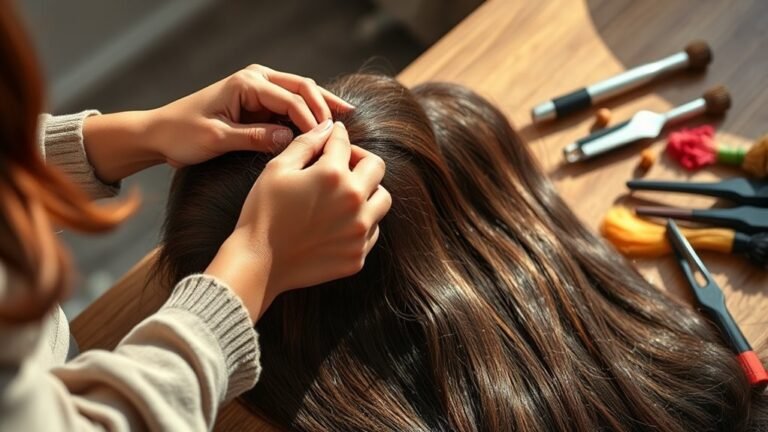
Applying toner effectively can make a huge difference in enhancing your natural hair color. Start by sectioning your hair to guarantee even coverage. Use a brush for precise application, focusing on areas where you want to neutralize unwanted tones or boost brightness.
Follow the recommended processing time closely. Over-processing can dull your hair instead of enhancing it. Rinse thoroughly with cool water to seal the cuticle and lock in color.
For best results, apply toner to damp, towel-dried hair, as this helps the product distribute evenly. These application techniques will help you get the most out of your toner.
Keep these toner tips in mind to achieve a natural, vibrant look without any patchiness or uneven tones.
Maintaining Color Vibrancy
Keeping your hair color vibrant requires regular care and the right toner to refresh and enhance your natural hues. Using toner strategically helps you maintain color upkeep by neutralizing unwanted tones and boosting your hair’s shine.
To get the best results, consider these vibrancy tips: Choose a toner that complements your hair’s natural shade to boost depth. Apply toner after washing with color-safe shampoo to lock in freshness. Use toners with moisturizing ingredients to prevent dryness and fading. Schedule regular toner treatments every 4-6 weeks for consistent vibrancy.
Common Mistakes to Avoid When Using Hair Toner
When you’re using hair toner, it’s important to avoid over-toning. Doing too much can actually damage your hair and leave you with some unwanted colors. Also, how you apply the toner really matters—if you’re not careful, you might end up with uneven results.
And one more thing—don’t ignore the condition of your hair. If your hair is damaged or fragile, it might not react well to the toner, so it’s definitely something to keep in mind before you start.
Over-Toning Risks
Although toners can refresh your hair color and neutralize unwanted tones, over-toning can lead to unwanted results like dryness, brassiness, or even a dull appearance. Recognizing over toning symptoms is essential to avoid damage.
If your hair feels brittle or looks flat, you might be applying toner too often. Pay attention to the recommended toner frequency. Most experts suggest waiting at least two weeks between applications.
To prevent over-toning risks, keep in mind:
- Avoid toning more than twice a month
- Watch for increased dryness or breakage
- Notice if your hair color turns muddy or ashy
- Skip toner if your hair already looks dull or faded
Incorrect Application Techniques
Three common mistakes can sabotage your toner results and leave your hair looking less than perfect. First, don’t rush the process; leaving toner on too long or not enough can cause uneven color.
Second, avoid applying toner to dirty or oily hair since it prevents proper absorption. Finally, steer clear of mixing toner with incompatible products, a frequent trap fueled by toner myths that claim any combination works.
These application errors not only waste product but can also damage your hair’s appearance. When using toner, apply it evenly and follow the recommended time frame closely. Remember, precise application guarantees the toner neutralizes unwanted tones effectively, giving you the fresh, vibrant hair you want without surprises.
Ignoring Hair Condition
Since your hair’s condition directly affects how toner interacts with it, ignoring this factor can lead to uneven color and damage. You need to assess your hair health before applying toner to guarantee the best results.
Damaged or overly porous hair absorbs toner unevenly, causing patchy or unexpected hues. Also, product ingredients may react differently depending on your hair’s strength and moisture levels.
Keep these tips in mind:
- Check for dryness or breakage before toning
- Avoid harsh ingredients if your hair is fragile
- Use deep conditioning treatments beforehand
- Perform a strand test to gauge toner response
How to Maintain Your Hair Toner Between Salon Visits
To keep your hair toner looking fresh between salon visits, you’ll need to follow a consistent maintenance routine. Start by using sulfate-free shampoos and conditioners, as harsh ingredients can strip the toner’s color. Incorporate toner longevity tips like washing your hair with cool water to help seal the cuticle and preserve the shade. Limit heat styling, or always use heat protectants to avoid fading the toner prematurely.
Home maintenance strategies also include applying a color-depositing conditioner or a toner touch-up product once a week to refresh your hue. Avoid excessive sun exposure by wearing hats or using UV protection sprays, since sunlight can dull your toner. Finally, space out your washes to prevent over-cleansing, which washes out the toner faster. By following these simple steps, you’ll extend the life of your toner and enjoy vibrant, salon-quality color longer.
Best Hair Toners for Different Hair Types and Textures
Maintaining your toner between salon visits helps keep your color vibrant, but choosing the right toner for your specific hair type and texture can make an even bigger difference. When picking a toner, consider how well it offers color correcting benefits without compromising texture compatibility.
Maintaining vibrant color means choosing toners that correct hues while respecting your hair’s unique texture.
For example, fine hair needs gentle formulas that won’t weigh it down, while coarse or curly hair benefits from more moisturizing toners.
Here are some of the best hair toners tailored for different types:
Fine or thin hair: Lightweight, sulfate-free toners that add shine without heaviness.
Curly or textured hair: Hydrating toners with nourishing ingredients to maintain softness.
Damaged or chemically treated hair: Protein-enriched toners that strengthen while color correcting brassiness.
Normal hair: Balanced formulas that offer effective color correcting and smooth texture compatibility.
Choosing a toner designed for your hair’s unique needs guarantees vibrant color and healthy texture.
Frequently Asked Questions
Can Hair Toner Damage My Scalp or Cause Allergies?
Yes, hair toner can damage your scalp or cause allergies, especially if you have scalp sensitivity. To minimize risks, always perform allergy testing before applying toner. This helps you spot any adverse reactions early.
If you notice itching, redness, or burning during or after application, rinse immediately and avoid using that product again. Taking these precautions protects your scalp and keeps your hair care routine safe and effective.
Is Hair Toner Safe to Use During Pregnancy?
You should be cautious about hair toner and pregnancy safety since some products contain chemicals that might not be ideal during pregnancy. Many hair color products, including toners, have ingredients that could potentially cause irritation or absorb through your scalp.
It’s best to consult your healthcare provider before using any toner while pregnant. Opt for ammonia-free and fragrance-free formulas if you decide to proceed, and always do a patch test first.
How Long Does Hair Toner Typically Last on Your Hair?
Imagine you toned your hair for a wedding last weekend. Typically, toner longevity lasts about 2 to 4 weeks, depending on your hair type and how often you wash it.
To keep your color maintenance on point, you’ll want to use sulfate-free shampoos and avoid excessive heat styling. This helps the toner fade more slowly, keeping your hair looking fresh and vibrant longer.
Can I Mix Hair Toner With Other Hair Products?
You generally shouldn’t mix hair toner with other hair products because it can alter the toner’s effectiveness and color payoff. Instead, focus on mastering toner application techniques to get even results.
Also, pay close attention to toner color selection to guarantee it complements your base shade. Applying toner correctly without mixing guarantees you achieve the desired tone and avoid unpredictable color outcomes or damage to your hair.
Are There Eco-Friendly or Natural Hair Toner Options Available?
Imagine your hair as a garden, craving gentle care from nature’s touch. Yes, you’ll find eco-friendly hair toners made with natural ingredients that nourish without harm.
Many sustainable brands craft formulas free from harsh chemicals, letting your hair flourish while protecting the planet. By choosing these green options, you’re not just toning your hair; you’re planting seeds for a healthier, more vibrant future.
Conclusion
Now that you’re equipped with the essentials about hair toners, you’re ready to add that subtle sparkle to your locks with ease. Just remember, a little patience and care go a long way in keeping your color fresh and vibrant.
Welcome the journey of enhancing your natural beauty. After all, a touch of hair toner can be your secret to effortlessly radiant hair that turns heads without shouting for attention.