How to Prepare Braiding Hair for Long-Lasting Styles
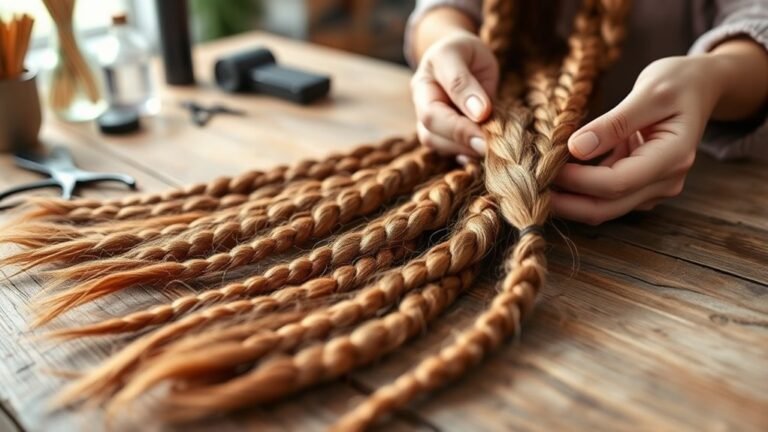
Preparing braiding hair correctly is vital to achieving neat, long-lasting braids without tangling or shedding. The process generally includes detangling, washing, conditioning, and sometimes stretching the synthetic or natural hair before installation. This preparation smooths the texture, removes build-up, and helps the hair blend better with your natural strands.
Understanding how to prepare braiding hair matters because unprepared hair can lead to frizz, excessive shedding, and a messy appearance. Synthetic braiding hair especially tends to tangle if not detangled thoroughly or if it contains residues from manufacturing. Preparing the hair properly extends the life of your braids and gives a polished finish.
This article will walk through various preparation methods depending on the braiding hair type. You'll learn key steps such as soaking, conditioning, drying, and stretching techniques, plus tips on preventing common problems like shedding and tangling. Whether you’re a beginner or experienced braider, these insights will help you enhance your braiding results.
Choosing the Right Braiding Hair Type
Synthetic vs. Human Hair for Braiding
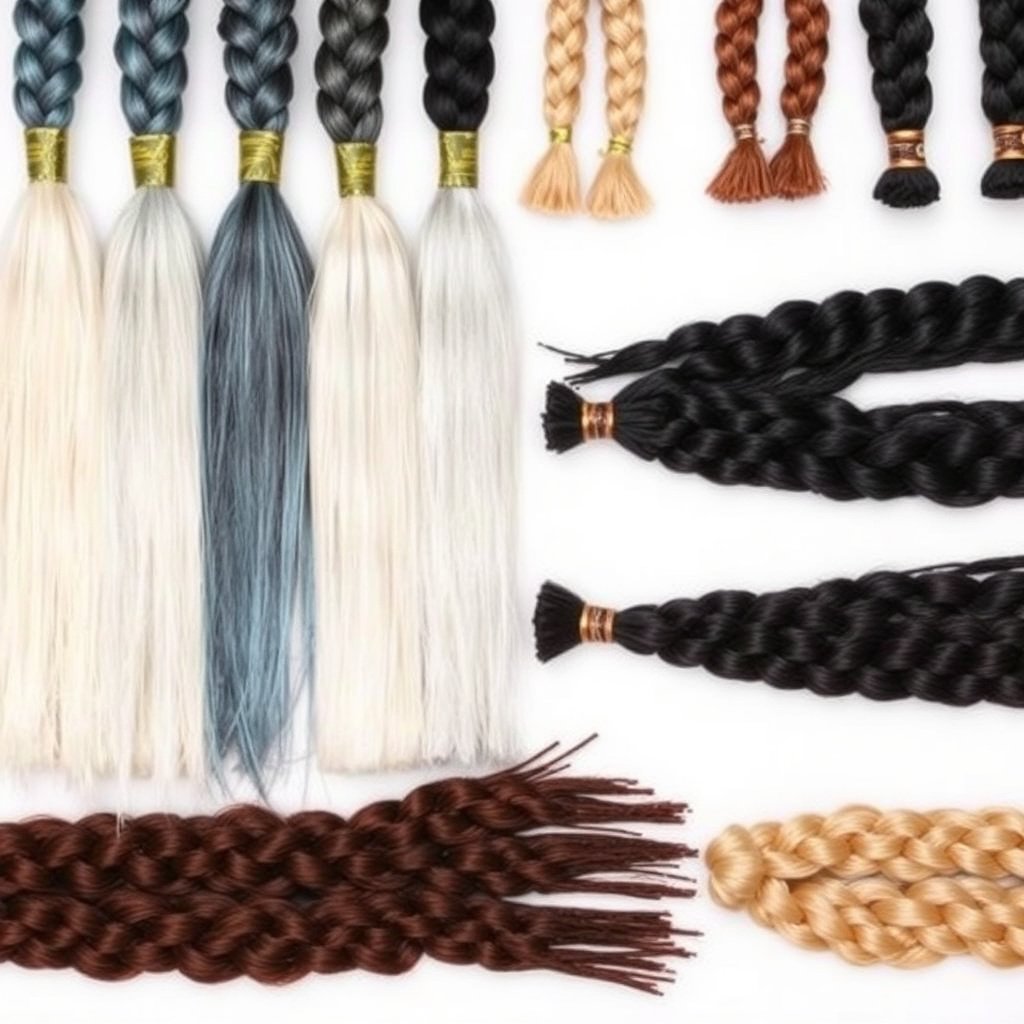
Synthetic braiding hair is popular for its affordability and variety of colors but requires specific preparation like soaking and detangling to reduce stiffness. Human hair options blend more naturally and require gentler handling but may be pricier.
Choosing the right type impacts how you will prepare the hair. Synthetic hair often comes with coating residue that can cause tangling unless washed thoroughly, while human hair benefits from deep conditioning to maintain softness.
Selecting Hair Texture to Match Your Natural Hair
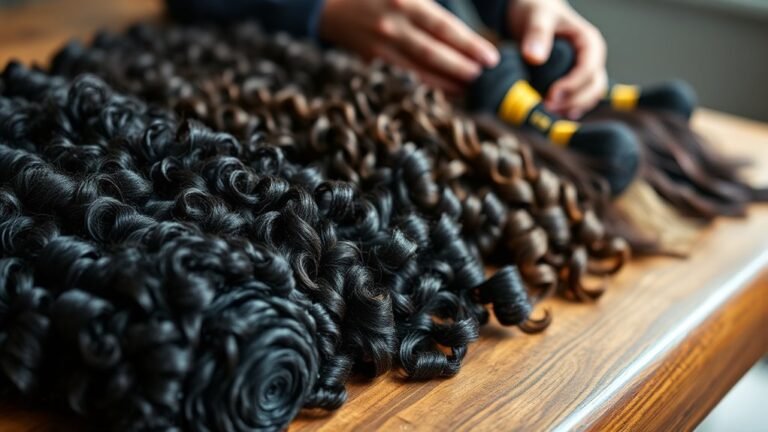
Matching the texture of the braiding hair to your natural hair ensures a seamless look. Options include straight, wavy, or kinky textures, each lending a different style and ease of maintenance.
Preparing hair with a texture similar to yours typically involves minimal manipulation, whereas differing textures might require additional steps such as stretching or curling to blend well.
Cleaning and Detangling Braiding Hair
Washing Techniques
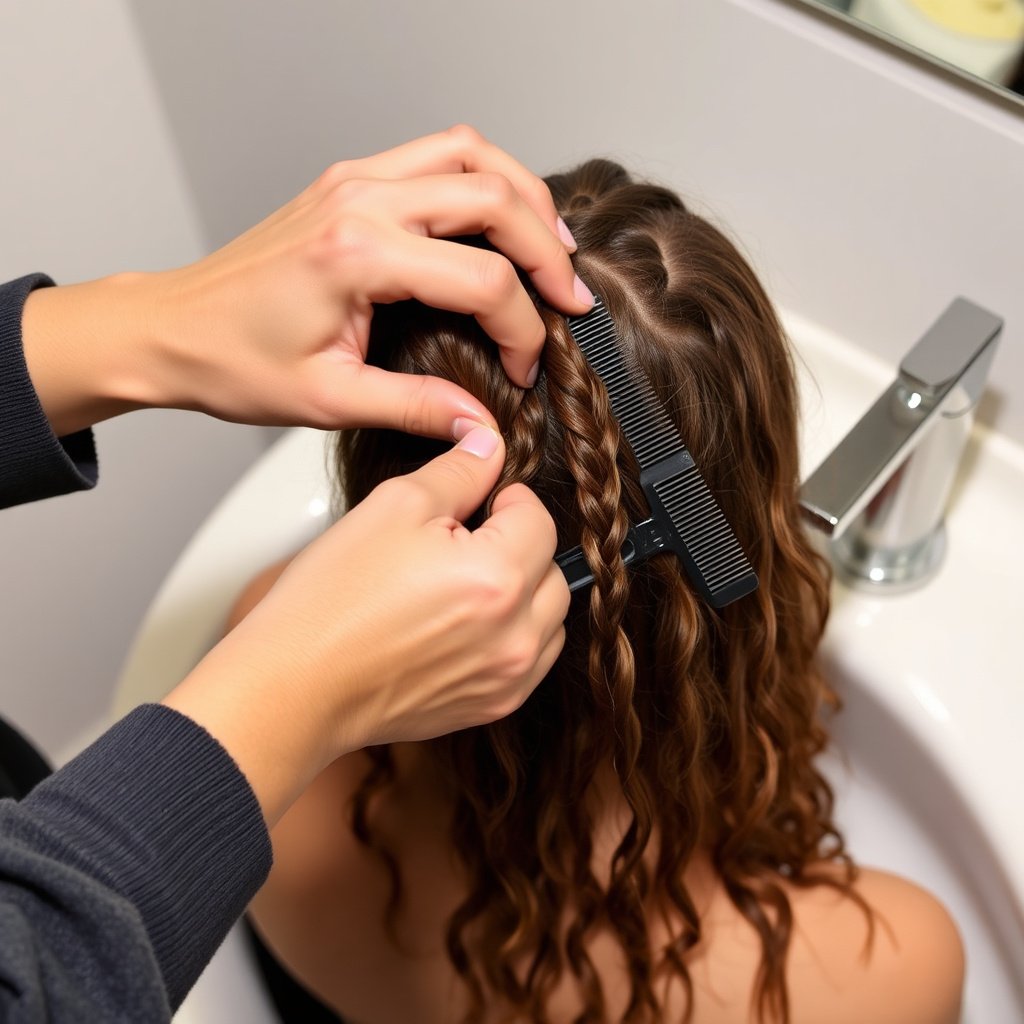
Start by soaking braiding hair in lukewarm water mixed with a mild shampoo. Gently swish the hair for about 10 minutes to remove dirt and factory residues. Rinse thoroughly with clean water to avoid shampoo buildup that causes tangling.
Avoid scrubbing or wringing the hair harshly as this can create knots or damage fibers, especially synthetic ones. Proper washing ensures a clean base before applying conditioners or treatments.
- Use sulfate-free shampoo if possible
- Perform wash in a basin with ample water
- Repeat rinse until water runs clear
For more on this, see our related guide: What Is a Full Service Hair Salon?.
Detangling Without Damage
After washing, detangle the hair using a wide-tooth comb or your fingers, working from the ends toward the roots. This approach minimizes breakage and prevents mats forming once braids are installed.
For synthetic hair, you may also use a detangling spray or light conditioner to ease the process. Take your time to remove all snarls as skipping this step often leads to shedding and difficulties during braiding.
- Work in small sections
- Be gentle to avoid pulling fibers
- Use detangling spray sparingly on synthetic hair
Conditioning and Moisturizing Braiding Hair
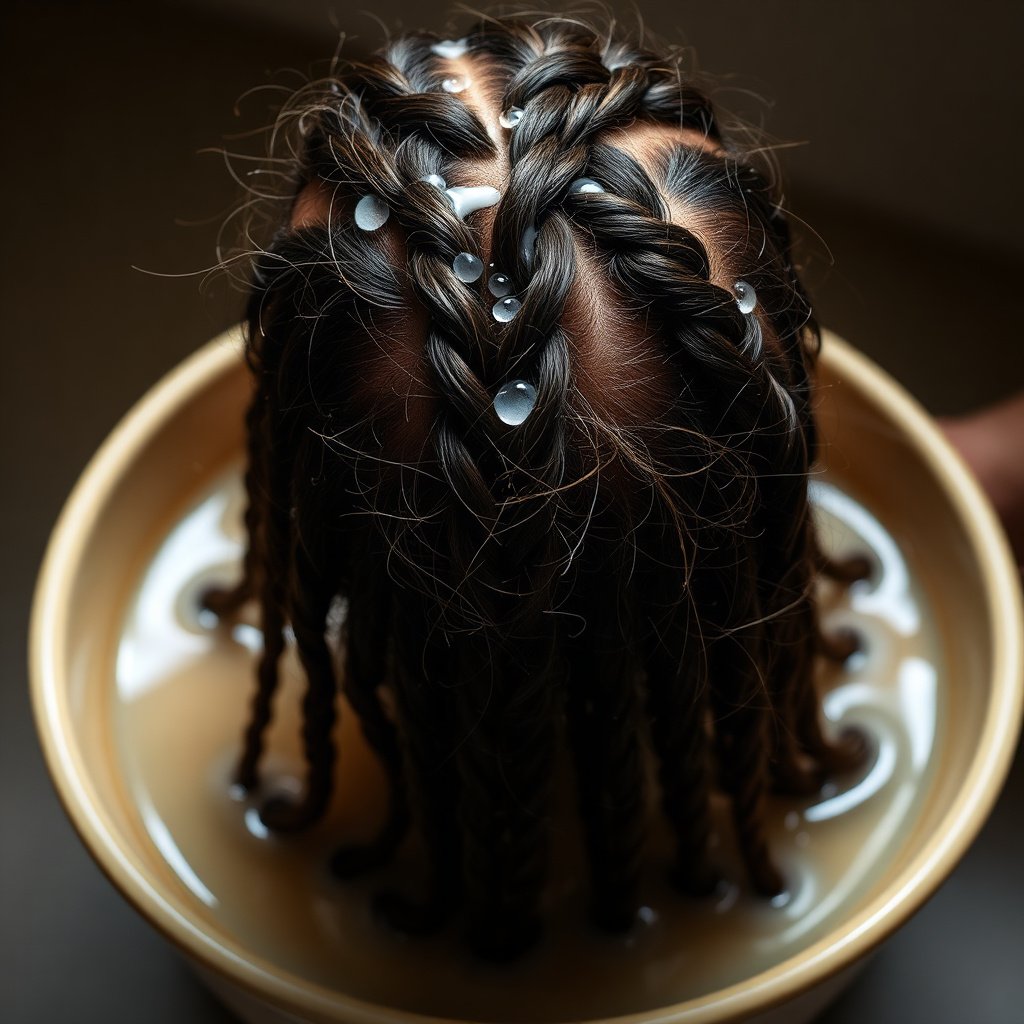
Deep Conditioning Natural Braiding Hair
If you use human hair braids, applying a moisturizing deep conditioner restores hydration and keeps strands soft throughout wear. Leave the conditioner on for at least 20 minutes before rinsing gently.
This step fortifies the hair against dryness and breakage, helping the braids maintain a natural, healthy look for weeks.
Using Fabric Softeners on Synthetic Hair
Synthetic braiding hair can be softened using diluted fabric softeners or special synthetic hair conditioners. Soak the hair briefly to reduce stiffness and improve manageability without damaging the fibers.
After soaking, rinse lightly and avoid over-saturating to prevent buildup. This method significantly lessens tangling and makes the synthetic hair resemble natural softness.
- Dilute fabric softener with water
- Do not leave fabric softener on too long
- Rinse to remove excess solution
Drying and Preparing Hair for Braiding Installation
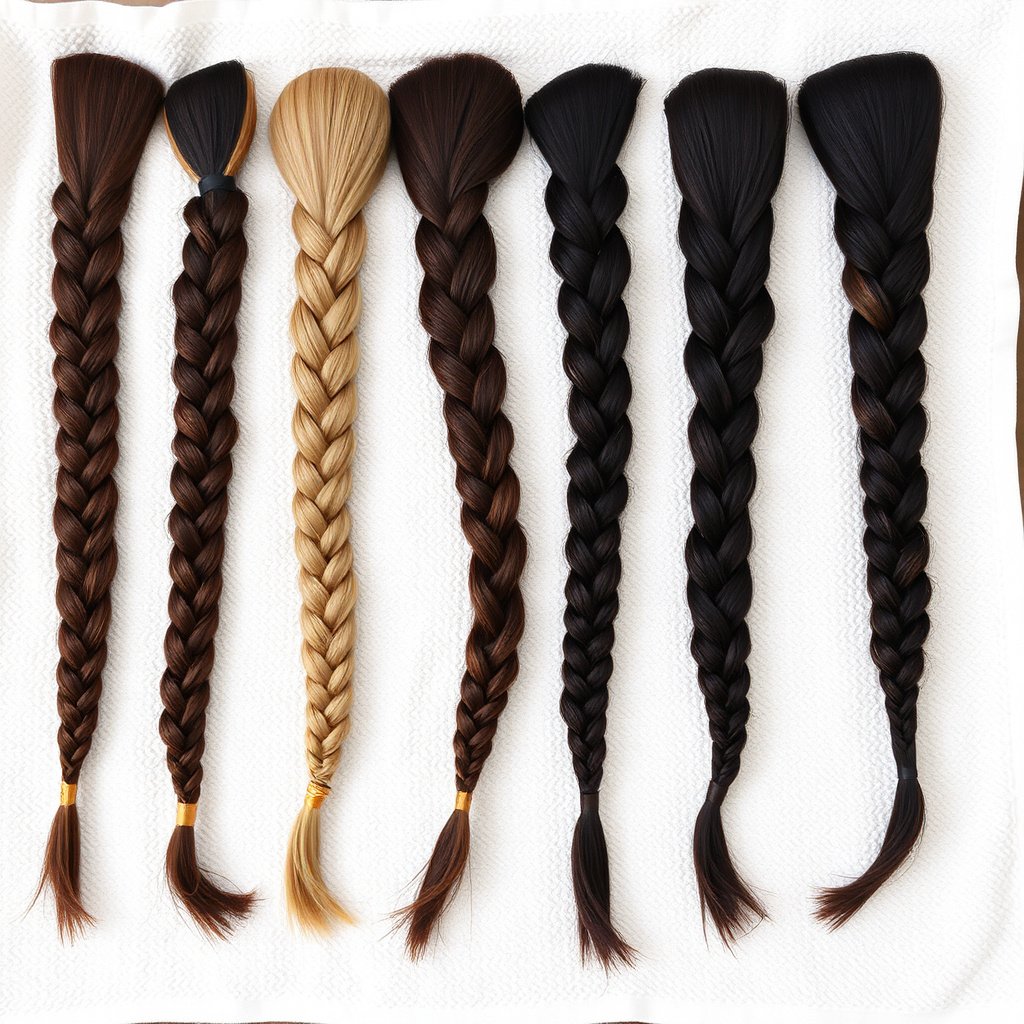
Air Drying vs. Blow Drying
Allowing braiding hair to air dry preserves the hair's fibers and reduces damage. Lay the hair flat on a towel in a well-ventilated area and gently blot excess moisture without rubbing or twisting.
Blow drying is faster but can be risky for synthetic hair, which melts or frizzes under heat. If heat is needed, use the lowest setting and keep a safe distance to avoid damage.
For more on this, see our related guide: Hair Braiding Near Me: Your Local Shopping Guide.
Stretching and Setting Braiding Hair
For certain styles, stretching the braiding hair helps blend it better with your natural hair texture. Techniques include using hot water to straighten or rollers to curl synthetic hair after washing and before drying.
Setting the hair this way reduces shrinkage and frizz once installed, making the braids appear smoother and more polished.
- Dip hair in hot water carefully
- Roll in curlers if curls are desired
- Handle hair gently when stretching
Maintaining Prepared Braiding Hair During Use
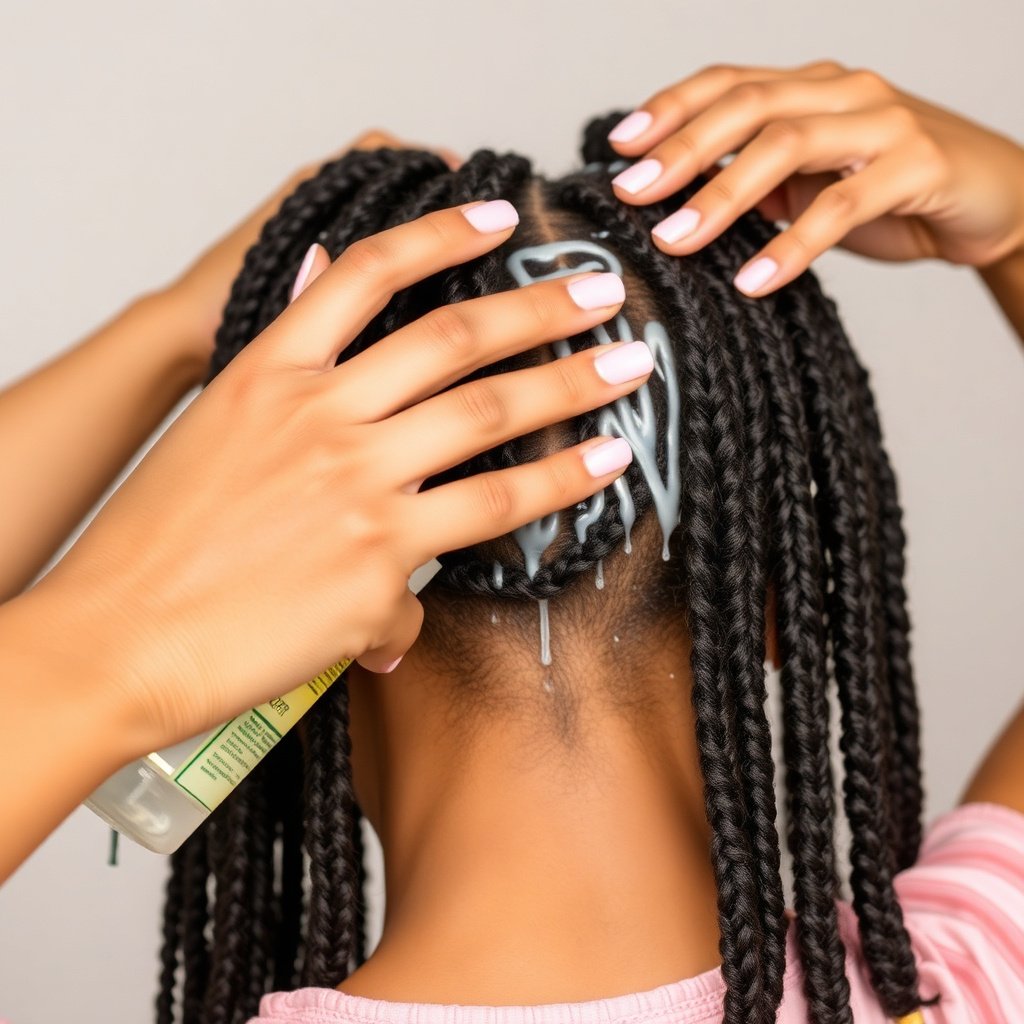
Preventing Shedding and Tangling
Moisturize braids lightly with leave-in conditioners or oils to keep the hair supple and reduce shedding. Avoid heavy products that cause buildup or residue on synthetic braids.
Wrapping hair at night with a satin scarf or bonnet minimizes friction that leads to tangling and frizz, extending the lifespan of your braided style.
- Use satin or silk accessories
- Moisturize 2-3 times per week
- Avoid excessive manipulation
For more comprehensive information on braiding hair care and techniques, check out this detailed resource. braiding hair care guidelines.
Cleaning Braids Without Damaging Them
Clean your braids carefully by diluting shampoo in water and applying gently with fingertips to the scalp and braids. Rinse thoroughly without disturbing the braid pattern.
Dry completely afterward to prevent mildew or odor. This maintenance keeps the braiding hair fresh and looking well cared for.
- Focus on scalp cleanliness
- Do not scrub braids
- Pat hair dry with a towel
Types of Braiding Hair Preparation Methods Compared
Here’s a comparison of common preparation methods for different braiding hair types, highlighting their benefits and challenges.
| Preparation Method | Hair Type | Key Benefit | Common Challenge |
|---|---|---|---|
| Washing with Shampoo | Synthetic & Human | Removes residues for cleaner braids | May cause tangling if not careful |
| Fabric Softener Soak | Synthetic | Softens fibers for manageability | Overuse leads to buildup |
| Deep Conditioning | Human | Restores moisture and softness | Requires rinsing and drying time |
| Hot Water Stretching | Synthetic | Smooths hair and reduces shrinkage | Heat can damage fibers if misused |
| Detangling Spray Use | Synthetic | Eases combing and reduces damage | Possible residue buildup |
Frequently Asked Questions
How often should I wash my braiding hair before installation?
It’s best to wash braiding hair once before installation to remove manufacturing residues and tangles, especially for synthetic hair. Overwashing can weaken fibers, so a single thorough wash is adequate.
Can I use regular conditioner on synthetic braiding hair?
Regular conditioner can weigh down synthetic hair and cause buildup. Instead, use diluted fabric softeners or synthetic-specific conditioners designed to soften without damage.
Is it necessary to stretch synthetic hair before braiding?
Stretching synthetic hair through hot water dipping or styling helps reduce frizz and shrinkage, enabling a neater braid. It’s recommended when the synthetic hair feels stiff or coarse.
What is the best way to detangle braiding hair without shedding?
Use a wide-tooth comb or fingers gently from the ends upward. Applying detangling spray or conditioner on synthetic hair before combing reduces breakage and shedding.
How should I dry braiding hair after washing?
Air drying is safest for both synthetic and natural braiding hair. Lay the hair flat on a towel in a ventilated area and avoid wringing or excessive heat to prevent damage.
Key Takeaways
- Proper preparation reduces tangling, shedding, and frizz for longer-lasting braids.
- Washing and detangling are essential steps for both synthetic and human hair.
- Moisturizing and gentle drying preserve hair quality before installation.
- Selecting matching textures and preparation methods improves braid appearance.
Conclusion
Deciding how to prepare braiding hair depends greatly on the fiber type and intended style. The main goal is to clean, soften, detangle, and condition the hair to reduce common issues like frizz and shedding. Approaching preparation methodically ensures smoother braids and helps the style last longer without premature wear. Applying gentle washing, detangling carefully, and using conditioners or fabric softeners where appropriate leads to a balanced, polished finish.
For synthetic braiding hair, fabric softener soaks and hot water stretching are excellent techniques to improve softness and manageability, especially for stiffer textures. Human hair braids benefit most from deep conditioning treatments to maintain moisture and shine. Matching the braiding hair texture to your natural hair also streamlines preparation, requiring fewer adjustments and blending readily. For everyday maintenance, moisturizing and protecting the braids with satin wraps extends the life of your style.
If you want to prepare braiding hair effectively, start with washing your chosen hair type thoroughly, detangle in small sections, and condition according to the fiber characteristics. Dry the hair naturally and stretch if needed before beginning braiding. With these steps, your braids will look neat, feel comfortable, and last well over time. Practice these preparation methods to elevate your braiding skills and enjoy more stylish, durable results.