
How Long Do Human Hair Wigs Last: Lifespan and Maintenance Tips
Human hair wigs typically last between six months to a year with regular wear, but this can extend to two years with proper care and limited use. The lifespan relies on factors like wig quality, frequency of wear, and how well the wig is maintained.
Understanding how long human hair wigs last is essential because these wigs require significant investment and upkeep. Their natural look and feel are what make them popular, but they are also prone to shedding, tangling, and loss of shine if not cared for correctly.
This article explores the main factors influencing the longevity of human hair wigs, maintenance routines that preserve their quality, and how to identify when it’s time to replace or refresh your wig. Additionally, we’ll compare different wig types along with answering common questions about wig lifespan.
Factors Influencing How Long Human Hair Wigs Last
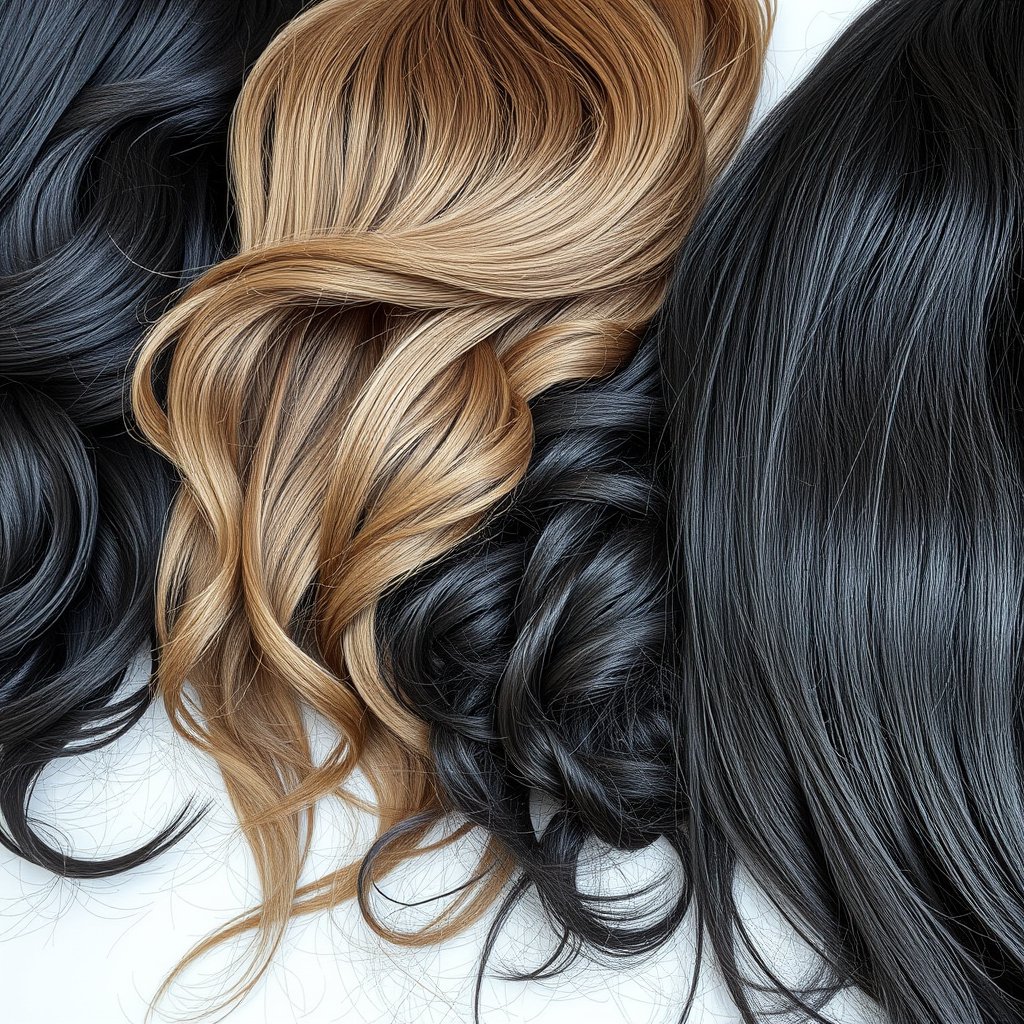
Quality and Construction of the Wig
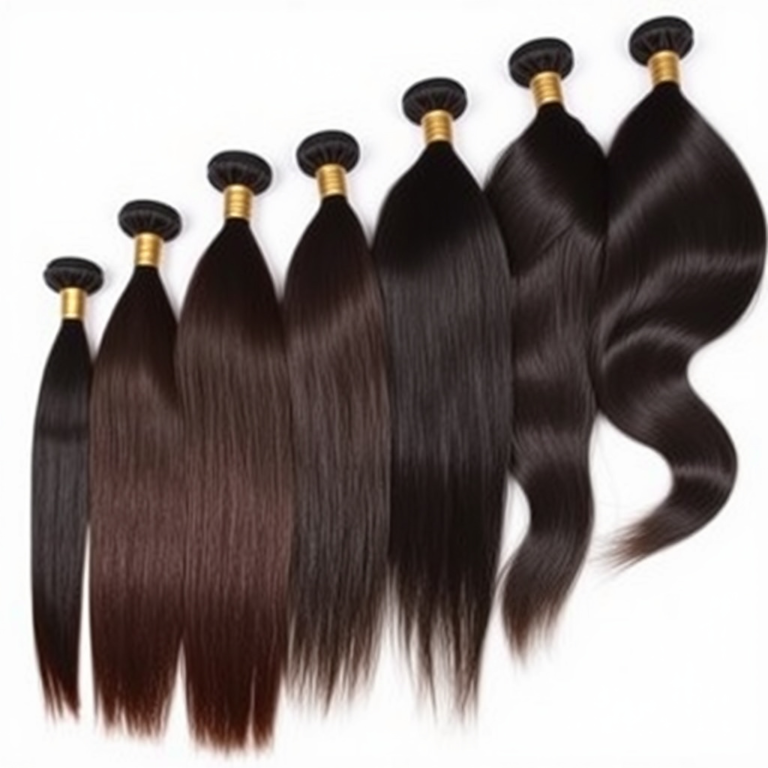
The source and quality of the hair significantly affect wig durability. Remy human hair retains cuticles aligned in one direction, reducing tangling and extending lifespan. Non-Remy hair, while less expensive, often tangles and wears out faster.
Additionally, the construction type—lace front, full lace, or machine-made—impacts longevity. Lace and hand-tied wigs typically offer more natural movement and longer durability but require delicate care.
- Remy hair promotes longer wear
- Lace front wigs allow for versatile styling
- Machine-made wigs are often less durable
Frequency and Style of Use
Daily wear leads to faster wear and tear due to exposure to environmental factors and styling tools. Occasional or special event use naturally extends a wig’s life by reducing stress on the strands.
The styling methods used also matter; heat styling with curling irons or straighteners can weaken hair fibers if done frequently without protective products.
- Daily use can shorten wig life
- Heat styling damages hair fibers
- Gentle rest days prolong wear
Maintenance Routines for Human Hair Wigs
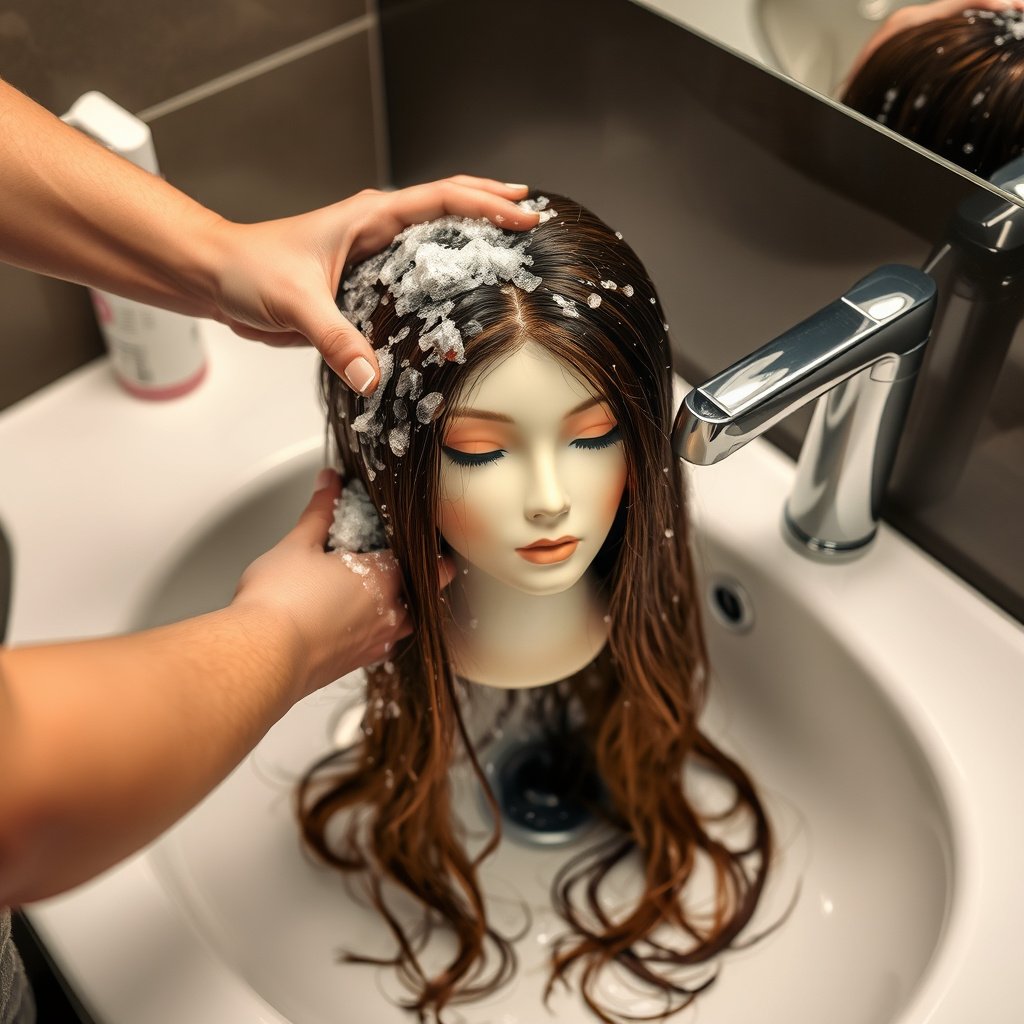
Cleansing and Conditioning Practices
Regular washing with sulfate-free shampoos helps remove product buildup and keeps hair soft. Conditioner moisturizes strands and aids in detangling, which is critical since human hair wigs can dry out faster than natural hair on the scalp.
It’s important not to wash the wig too frequently; typically every 7-14 wears is advisable to prevent stripping natural oils. Use cold or lukewarm water to avoid damage.
- Use sulfate-free shampoo
- Condition to prevent dryness
- Wash after 7-14 wears
Detangling and Styling Care
Gently detangle wigs starting from the tips moving to the roots using wide-tooth combs or wig brushes designed for human hair. Avoid brushing when wet as wet hair is more prone to breakage.
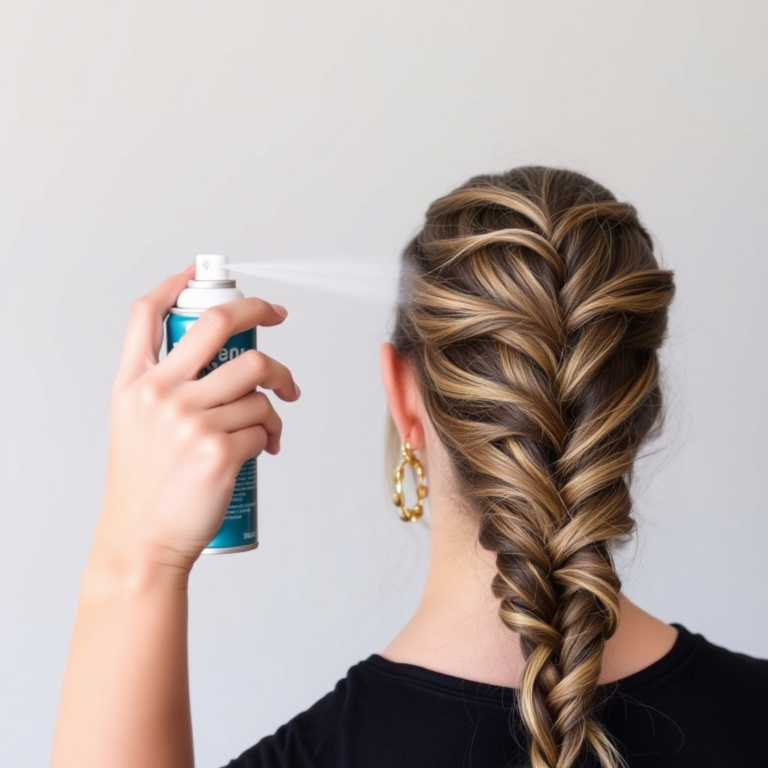
Apply heat protectant sprays before any heat styling and limit exposure to reduce fiber damage. Air drying on a wig stand maintains shape and prevents stretching.
- Comb from ends to roots
- Avoid brushing wet wig
- Use heat protectants
Storage and Handling of Human Hair Wigs

Proper Storage Techniques
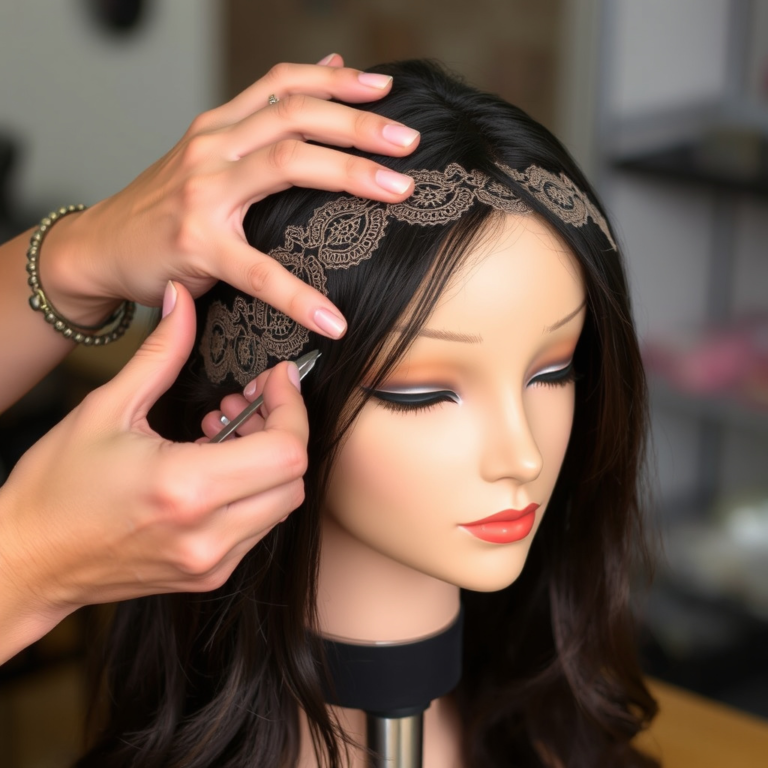
Store wigs on mannequin heads or specialized wig stands to maintain shape and prevent tangles. Keeping wigs away from heat, direct sunlight, and excessive humidity prevents premature aging of hair fibers.
Covering wigs with breathable caps protects them from dust but allows airflow to prevent mold and mildew.
- Use wig stands for shape retention
- Avoid direct sunlight
- Use breathable covers
For more on this, see our related guide: How Long Do Human Hair Wigs Last? Lifespan and Care Tips Explained.
Handling Practices During Use
Limit excessive pulling or rough handling which causes hair shedding and loosening of wig caps. Always attach and remove wigs gently using combs or clips.
Avoid sleeping with wigs on and minimize exposure to chlorine or saltwater by removing the wig before swimming.
- Attach/detach carefully
- Avoid sleeping in wigs
- Remove before swimming
Signs That Your Human Hair Wig Needs Replacing
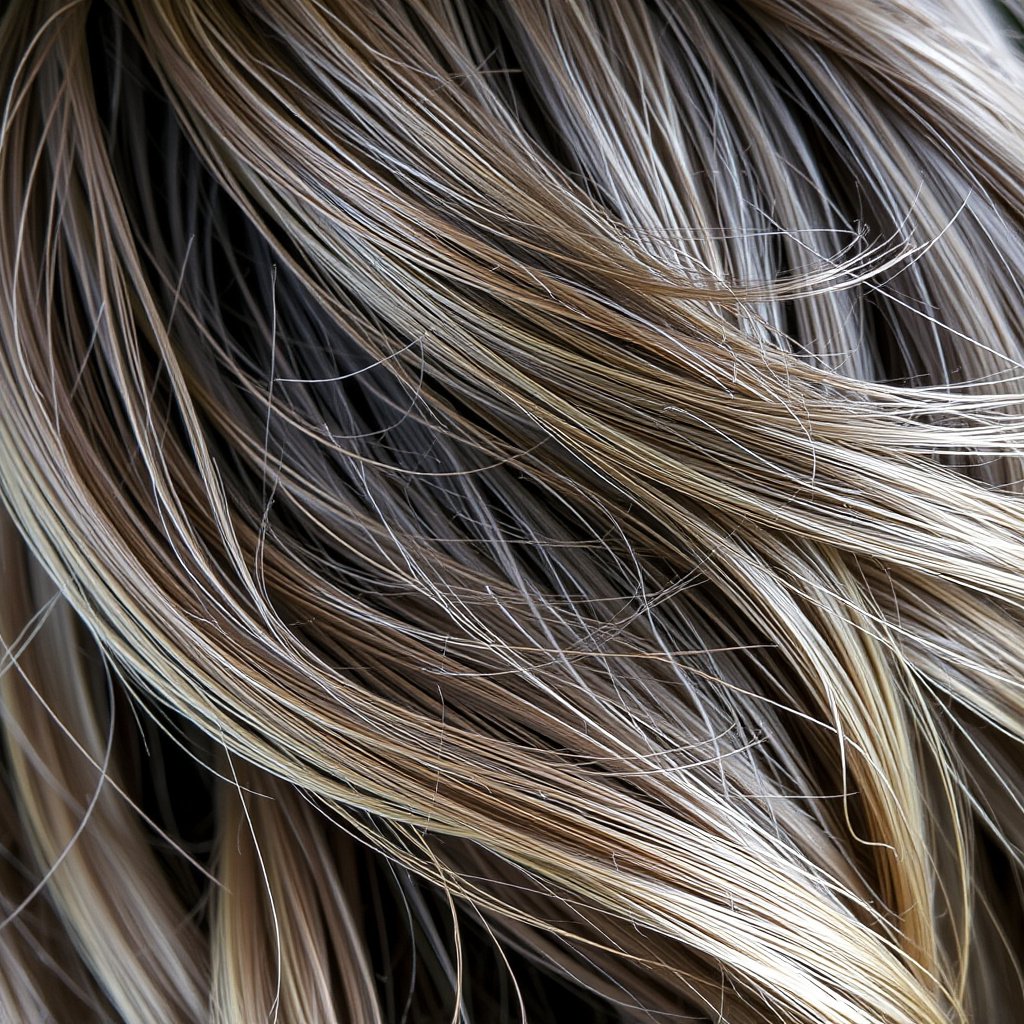
Physical Damage Indicators
Visible thinning, excessive shedding, persistent tangling, and frizz signal that the hair fibers are breaking down and that the wig’s lifespan is ending. Broken hair cuticles contribute to a dull, lifeless appearance.
Cap damage such as tears in lace or loosening of the wefts also impact fit and styling options.
- Frequent shedding
- Dull, brittle hair
- Damaged lace or cap
Decreased Comfort and Fit
Over time, wig caps stretch or lose elasticity, compromising secure fit and comfort. If the wig constantly shifts or irritates the scalp, it may be time for a replacement.
Worn clips and adjustable bands lose their effectiveness contributing to poor wearing experience.
- Loose cap fit
- Worn fasteners
- Scalp irritation
Comparing Human Hair Wig Types for Longevity

Lace Front vs. Full Lace Wigs
Lace front wigs offer a natural hairline at the front only, providing decent styling versatility and good durability with proper upkeep. They typically last around 8-12 months.
Full lace wigs have lace cap construction offering styling freedom all around the head, often lasting slightly longer due to superior ventilation and more natural fiber movement.
- Lace front: natural hairline, moderate durability
- Full lace: styling versatility, longer lifespan
For more on this, see our related guide: How Long Do Human Hair Wigs Last? A Detailed Lifespan Guide.
Machine-Made Wigs Compared to Hand-Tied Wigs
Machine-made wigs are more affordable but generally less durable. The wefts are sewn mechanically causing less natural bounce and shorter wear duration.
Hand-tied wigs, crafted with individual hairs tied to the cap, provide natural movement and longer lifespan but require more careful maintenance.
- Machine-made: cost-effective, shorter life
- Hand-tied: natural look, more durable
Using Quality Products and Tools for Wig Care
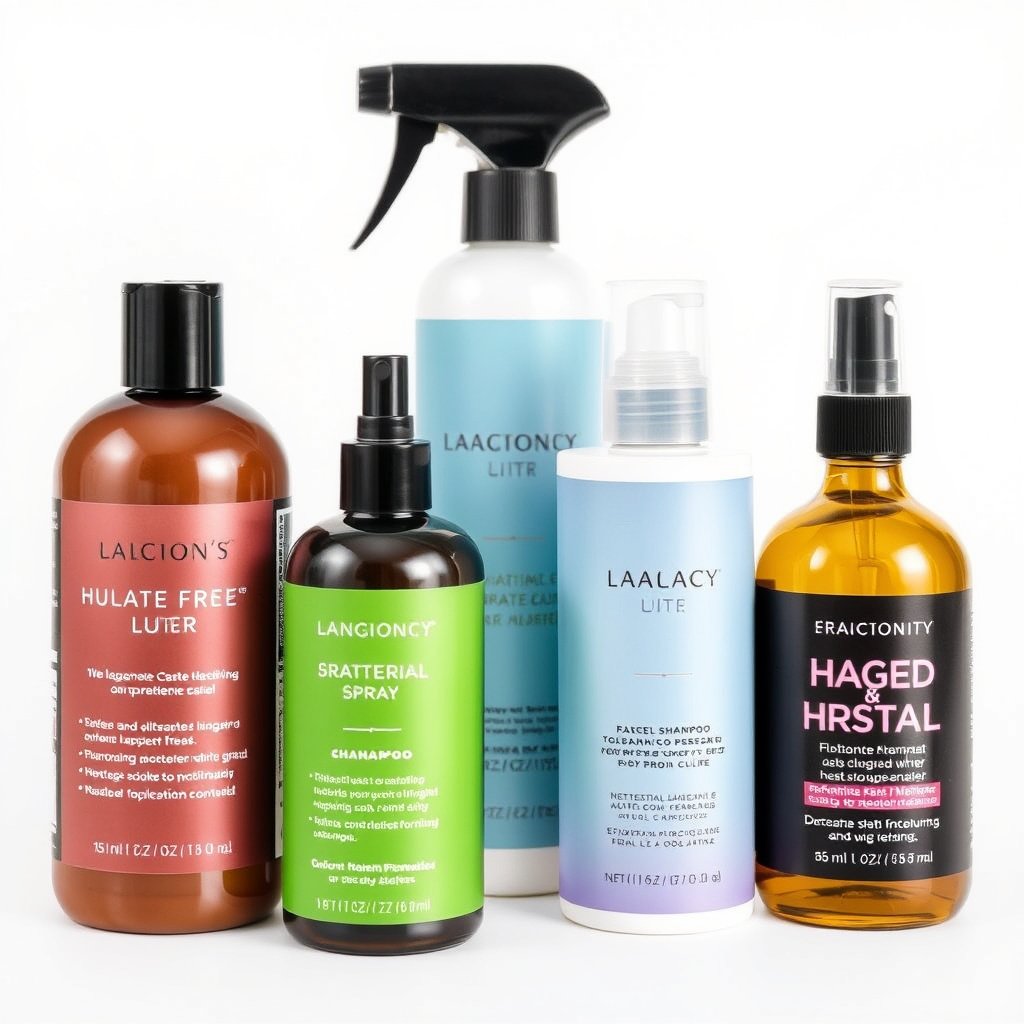
Selecting the Right Hair Products
Products formulated specifically for human hair wigs preserve fiber integrity and shine. Avoid harsh chemicals, sulfates, and alcohols that dry out the hair.
Moisturizing sprays and leave-in conditioners designed for wigs can extend longevity by keeping strands supple and protected from breakage.
- Sulfate-free shampoos
- Alcohol-free styling products
- Leave-in conditioners
For additional background on wig types and care, see the Human hair wig care on Wikipedia. Human hair wig care on Wikipedia.
Essential Tools for Styling and Maintenance
Use wide-tooth combs and specialized wig brushes to gently detangle without pulling. Heat tools should have temperature controls and be paired with protectants to prevent fiber damage.
Storing tools dedicated to wig care separately avoids buildup of dirt and oils that can transfer to the wig.
- Wide-tooth combs
- Temperature-controlled heat tools
- Dedicated wig brushes
Human Hair Wig Types Longevity Comparison
This comparison highlights differences in lifespan, cost, styling versatility, and maintenance for common human hair wig categories.
| Wig Type | Average Lifespan | Cost Range | Styling Flexibility | Maintenance Level |
|---|---|---|---|---|
| Lace Front | 8-12 months | $150-$400 | High | Moderate |
| Full Lace | 10-18 months | $250-$600 | Very High | High |
| Machine-Made | 4-6 months | $100-$250 | Limited | Low |
| Hand-Tied | 12-24 months | $300-$700 | Very High | High |
Frequently Asked Questions
Can human hair wigs last longer than a year?
Yes, with proper care and limited use, some high-quality human hair wigs can last up to two years or more before needing replacement.
How often should I wash my human hair wig?
It’s best to wash a human hair wig every 7 to 14 wears to remove buildup without stripping natural moisture.
Does heat styling reduce my wig’s lifespan?
Frequent heat styling can weaken hair fibers and shorten your wig’s lifespan unless you use heat protection and limit exposure.
Are full lace wigs more durable than lace front wigs?
Full lace wigs generally last longer due to superior ventilation and construction but require more careful maintenance.
What are signs that my human hair wig needs replacement?
Look for excessive shedding, thinning, tangling, a dull appearance, and cap damage as signs it’s time to replace your wig.
Key Takeaways
- Human hair wigs last from 6 months to 2 years depending on care and use
- Wig quality, type, and maintenance are critical to longevity
- Proper washing, detangling, and storage extend wig life
- Replace wigs when shedded, dull, or damaged for best appearance
Conclusion
Deciding how long a human hair wig lasts depends on evaluating the wig’s initial quality, your wear frequency, and maintenance commitment. Knowing what reduces lifespan—like daily heat styling or inadequate cleaning—helps you make better choices to preserve your wig’s natural look and feel. Assessing these factors together creates a personalized approach to wig care that maximizes value and appearance over time.
For users seeking durability with styling freedom, investing in hand-tied or full lace wigs offers extended lifespan and comfort with attentive upkeep. Machine-made wigs serve well for short-term or occasional use but typically require earlier replacement. Incorporating gentle products, sparing heat application, and appropriate storage routines are fundamental to prolonging any human hair wig’s functional lifespan.
Ultimately, establishing a consistent care regimen tailored to your wig type and lifestyle will help you enjoy your human hair wig fully for many months or even years. Regularly inspecting your wig’s condition and recognizing warning signs of wear allows you to renew your style confidently when needed. Starting with quality and supporting that with thoughtful maintenance leads to the best long-term satisfaction.

One Comment