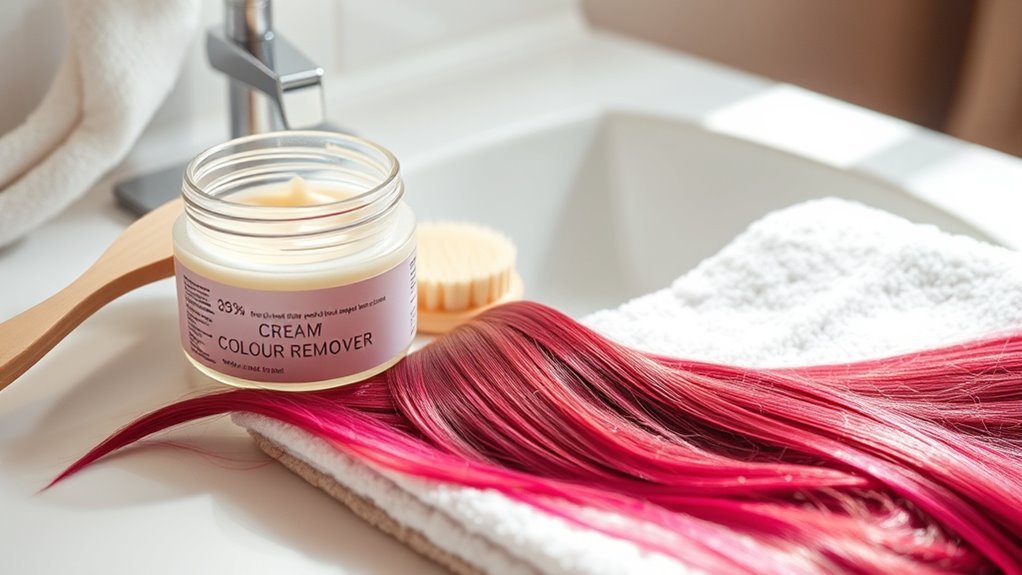
Hair Color Remover Guide: What to Know Before You Buy
Struggling to fix a hair color mishap or just want to start fresh with a new shade? You’re not alone. Many people find themselves frustrated when hair dye doesn’t turn out as expected or when it’s time to remove an old color safely.
Choosing the right hair color remover can feel overwhelming, but understanding how these products work and what to look for can make all the difference.
Before you buy a hair color remover, know it breaks down dye pigments gently, mainly working on permanent or darker colors while semi-permanent shades usually wash out on their own.
Choose products with mild, natural ingredients to protect your hair and prep it with conditioning for less damage. Follow application guidelines closely and avoid common mistakes like overuse or uneven coverage.
If you keep exploring, you’ll find tips on safe use and post-removal hair care to protect your locks.
Key Takeaways
- Hair color removvers chemically break down artificial pigments in permanent and semi-permanent dyes without harsh damage.
- Permanent dark dyes are more effectively removed than semi-permanent or natural pigments like henna.
- Choose removers with gentle, natural ingredients and avoid harsh chemicals like ammonia and bleach.
- Proper preparation includes deep conditioning, avoiding heat styling, and performing a patch test before application.
- Post-removal care involves hydrating masks, sulfate-free shampoo, and avoiding heat to restore moisture and prevent damage.
How Hair Color Removers Work on Permanent and Semi-Permanent Dyes
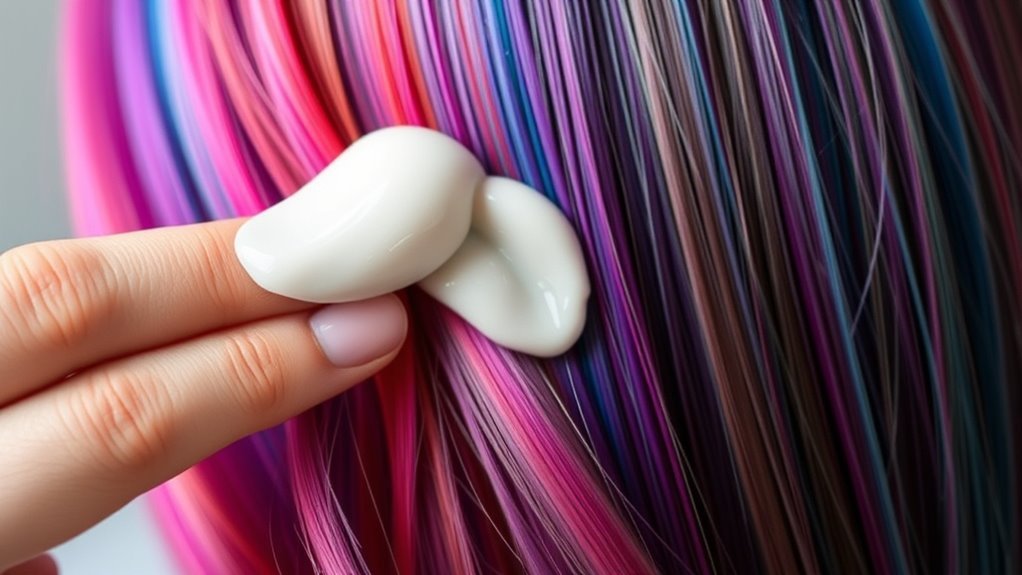
Although permanent and semi-permanent hair dyes bond with your hair differently, hair color removers target both by breaking down their pigments. When you use a color remover, it initiates a chemical reaction that disrupts the color molecule breakdown within the hair shaft.
Permanent dyes rely on an oxidative process to create long-lasting color, meaning their molecules are deeply embedded and altered. Semi-permanent dyes, on the other hand, sit closer to the hair surface and don’t involve as intense an oxidative process.
Permanent dyes penetrate deeply through oxidation, while semi-permanent dyes remain near the surface with less chemical alteration.
Color removers work by reversing or breaking apart these color molecules, effectively dissolving the artificial pigments without harshly damaging your natural hair. This breakdown lets the dye wash out, restoring your hair’s original or near-original shade.
You’ll notice the remover targets both dye types efficiently because it doesn’t just lift the color but chemically changes the pigment structure, making it easier for you to remove unwanted dye safely and effectively.
What Hair Colors Can You Safely Remove With a Color Remover?
Which hair colors can you safely remove with a color remover? Generally, color removers work best on certain types of dyes, so understanding dye compatibility is key to color removal safety. You can confidently use a color remover on:
- Permanent hair dyes, especially those with darker shades
- Semi-permanent dyes, which usually wash out more easily
- Hair with single-process color treatments rather than multi-dimensional or heavily layered colors
- Recently dyed hair, as older, faded colors may react unpredictably
Keep in mind, color removers typically aren’t effective on natural hair pigments or certain types of metallic or henna-based dyes. If you’re unsure about your hair color’s dye compatibility, a strand test can help you avoid damage.
Prioritizing color removal safety means choosing the right remover for your hair’s dye type, reducing the risk of unwanted results or harm. Always follow instructions carefully to protect your hair’s health during the process.
Key Ingredients in Safe and Effective Hair Color Removers
Understanding what your hair dye contains helps you choose the right remover and protect your hair during the process. Safe and effective hair color removers often rely on gentle yet powerful ingredients that break down dye molecules without harsh damage.
Knowing your hair dye ingredients guides you to gentle removers that protect hair while effectively breaking down color.
Look for removers with ingredient safety in mind, those free from ammonia, bleach, and strong chemicals that can weaken your hair. Instead, many products now incorporate natural alternatives like fruit enzymes or plant-based oils, which offer a milder approach to color removal while nourishing your strands.
Ingredients such as vitamin E, aloe vera, and chamomile extract also help soothe your scalp and maintain moisture. Always check the label to avoid allergens or irritants. By prioritizing removers with safe, natural alternatives, you’ll minimize damage and keep your hair healthier throughout the process.
Being informed about these key ingredients guarantees you pick a product that works effectively without compromising your hair’s integrity.
How to Prepare Your Hair for Color Removal to Minimize Damage
Before you start the color removal process, you should prepare your hair to reduce potential damage and guarantee the best results. Focusing on hair health before treatment helps minimize breakage and dryness. Start by strengthening your strands and creating a resilient base.
Here’s how to get ready for effective damage prevention:
Deep condition your hair 3-5 days before removal to boost moisture and elasticity. Avoid heat styling tools to prevent additional stress and brittleness. Limit washing to preserve natural oils that protect your scalp and hair. Trim split ends to reduce further damage during the removal process.
How to Apply Hair Color Remover at Home: Step-by-Step Guide
Before you apply the hair color remover, make sure your hair is clean and dry. This step really helps you get the best results. When you’re mixing and applying the product, be sure to follow the instructions carefully. That way, you can avoid uneven color removal. Taking these steps will help you achieve a smoother, safer color correction right at home.
Preparing Your Hair
Getting your hair ready is the first essential step when applying a hair color remover at home. Before you start, verify your scalp health is in good condition to avoid irritation. Also, consider your hair texture, as coarse or damaged hair might need extra care or conditioning beforehand.
Here’s how to prepare effectively:
Wash your hair 24-48 hours before application to maintain natural oils. Avoid using heavy conditioners or styling products right before removal. Perform a patch test on a small skin area to check for allergic reactions. Detangle your hair gently to guarantee even product distribution.
Applying The Remover
While applying the hair color remover, make certain you work in a well-ventilated area and wear gloves to protect your skin. Begin by sectioning your hair for even application. Use a brush or applicator bottle to apply the remover evenly, focusing on areas where color is most intense.
Follow the product’s instructions carefully, as application techniques can vary between brands. Timing considerations are essential. Leaving the remover on too long can damage your hair, while too short a time may not fully lift the color.
Check your hair frequently during the process to avoid over-processing. Once the time’s up, rinse thoroughly with lukewarm water and use a deep conditioner to restore moisture. Proper technique guarantees effective and safe color removal.
What Results to Expect After Using a Hair Color Remover
Although hair color removers can dramatically change your hair’s appearance, the results often vary depending on your original color, the type of dye used, and the remover itself. It’s important to set realistic color expectations before you start. Most removers don’t restore your natural shade instantly. Instead, they trigger a fading process that lightens or strips artificial pigments gradually.
Here’s what you can typically expect:
- Uneven fading, especially if your hair was dyed multiple colors or previously treated
- Some residual tint or undertones that may require additional treatments
- Temporary dryness or texture changes due to chemical action
- A lighter base color that serves as a starting point for new dye applications
How to Minimize Damage When Removing Hair Color
To protect your hair when removing color, start with some proper pre-treatment care. Things like deep conditioning and steering clear of heat styling really make a difference. Once the color remover does its job, the next step is to focus on restoring moisture. Using rich conditioners and nourishing treatments helps a lot. By following these steps, you’ll keep your hair strong and minimize damage throughout the whole process.
Pre-Treatment Hair Care
Before you start removing hair color, preparing your hair properly can greatly reduce damage. Focusing on scalp health and careful product selection guarantees your hair stays strong through the process.
Start by evaluating your scalp for any irritation or dryness, as a healthy scalp supports better results and less sensitivity. Choose gentle, nourishing products designed for color-treated hair to maintain moisture and strength before removal.
Here’s how to prep effectively:
- Use a sulfate-free shampoo to avoid stripping natural oils
- Apply a deep conditioning treatment a few days prior
- Avoid washing hair the day of removal to retain natural oils
- Perform a patch test with the remover product to check scalp reaction
Taking these steps helps protect your hair and scalp during color removal.
Post-Removal Conditioning Tips
Once you’ve carefully prepared your hair and scalp, focusing on post-removal care becomes just as important to keep your hair healthy. After removing hair color, your strands need deep conditioning to restore moisture and strength.
Use a hydrating mask at least once a week and avoid heat styling to prevent further damage. Regularly applying leave-in conditioners helps maintain moisture restoration and smoothness.
| Action | Benefit |
|---|---|
| Deep conditioning | Replenishes lost moisture |
| Leave-in conditioner | Maintains softness |
| Avoid heat styling | Prevents breakage |
| Use sulfate-free shampoo | Protects hair integrity |
These steps minimize damage, helping your hair recover faster and look vibrant post-removal.
Mistakes to Avoid When Removing Hair Color at Home
Although removing hair color at home might seem straightforward, many people make avoidable mistakes that can damage their hair or lead to uneven results. Understanding the common pitfalls and preparation mistakes is essential to get the best outcome.
First, don’t skip the strand test because it helps you gauge how your hair will react. Avoid using harsh products on already damaged hair as this can cause breakage. Also, don’t leave the remover on longer than recommended. You risk scalp irritation or uneven fading. Finally, neglecting proper sectioning can lead to patchy results.
Here are four common mistakes to avoid:
- Skipping a strand test before full application
- Applying remover on dry or overly damaged hair
- Leaving the product on beyond the suggested time
- Failing to section hair evenly for consistent coverage
When Should You See a Professional for Hair Color Removal?
You should definitely see a professional if you notice uneven color, damage, or unexpected results after trying to remove dye yourself. Sometimes, things don’t turn out the way you hoped, and that’s okay. Complex color situations—like having multiple layers or really dark dyes—often need expert handling. It’s not just about getting the color right; it’s about protecting your hair too. So, don’t risk further damage. Getting help from a pro can actually save your hair and your time in the long run.
Signs You Need Help
How can you tell when it’s time to call in a professional for hair color removal? If you notice signs of burnout, like your hair feels dry and damaged, it’s a clear warning. Color dissatisfaction is another red flag. If your hair isn’t the shade you wanted or looks patchy, you might need expert help.
Fading issues that don’t respond to at-home fixes also suggest professional intervention. Finally, if you’re stuck with unwanted tones that DIY methods can’t correct, it’s best to see a specialist.
Look for these signs you need help:
- Persistent fading issues despite treatments
- Unwanted tones that DIY removers can’t fix
- Color dissatisfaction with uneven or patchy results
- Signs of burnout, including dryness and breakage
Recognizing these will save your hair and your sanity.
Complex Color Situations
When signs like persistent fading or unwanted tones show up, simple fixes might not cut it, especially in complex color situations. If your hair shows uneven color fading or multiple layers of dye, it’s a clear signal to seek a professional.
Color correction involves precise knowledge and skill to safely remove or adjust pigments without damaging your hair. Professionals can assess your hair’s condition and recommend the best approach, whether it’s gradual fading treatments or targeted removers.
You should also see an expert if you’ve combined permanent and semi-permanent dyes or used box dyes over salon color. Trying to fix these complicated issues on your own often leads to more damage or unpredictable results. Trusting a professional can save time and protect your hair’s health.
Risks of DIY Removal
Although DIY hair color removal might seem like a convenient solution, it carries significant risks that can lead to hair damage, uneven color, or scalp irritation. If you’re considering it, you need to take safety precautions seriously and perform patch tests to avoid allergic reactions.
However, some situations demand professional help to guarantee the best results and protect your hair and scalp.
Consider seeing a professional if you experience:
- Severe scalp sensitivity or burns
- Multiple previous color treatments or complex color layering
- Persistent allergic reactions despite patch testing
- Hair that’s brittle, damaged, or prone to breakage
A pro can tailor the removal process safely, minimizing risks and making sure your hair stays healthy. Don’t hesitate to seek expert advice when in doubt.
How to Care for Your Hair After Using a Hair Color Remover
Since hair color removvers can leave your strands fragile and dry, you’ll need to give your hair extra attention to restore its health. Start by focusing on moisture retention. Use deep conditioning treatments regularly to keep your hair hydrated and prevent breakage. Incorporate a protein treatment once a week to rebuild your hair’s structure and strengthen damaged strands.
Don’t forget scalp health. Gentle cleansing and soothing scalp treatments will reduce irritation and promote a healthy environment for new hair growth. Avoid harsh shampoos and heat styling tools as your hair recovers.
For color maintenance, wait at least two weeks before reapplying any hair dye. When you do, use color-safe products to keep your new shade vibrant and your hair nourished. By following these steps, you’ll protect your hair from further damage and maintain both its strength and appearance after using a hair color remover.
Frequently Asked Questions
Can Hair Color Removers Work on Natural Gray Hair?
Hair color removers generally don’t work well on natural gray hair because they target artificial dyes, not your natural pigment. You’ll face gray hair challenges like uneven results or minimal change since removers focus on stripping color molecules from dyed strands.
If you want to change gray hair’s appearance, consider other options like toners or professional color treatments. These usually offer better removal effectiveness and more consistent results.
Are Hair Color Removers Safe for Sensitive Scalps?
Using hair color removers on a sensitive scalp is like walking a tightrope; you need to be extra careful. These products can irritate or dry out your skin, so prioritize sensitive scalp care by doing a patch test first.
If you notice redness or itching, stop immediately. You might want to investigate alternative products designed specifically for gentle treatment, ensuring your scalp stays healthy while you adjust your hair color safely.
How Long Should I Wait Between Color Removal and Recoloring?
You should wait at least 1 to 2 weeks between color removal and recoloring to let your hair recover. This break helps prevent damage and allows your scalp to heal.
During this time, focus on deep conditioning and moisturizing treatments. When you’re ready, choose gentle recoloring techniques to restore your hair’s vibrancy safely.
Taking this approach guarantees better color restoration and keeps your hair healthier in the long run.
Do Hair Color Removers Affect Chemically Treated Hair?
Think of your chemically treated hair as delicate glass. Hair color removers can cause chemical interactions that might weaken or damage it. You should be cautious because these removers can strip moisture and affect hair health, making it more prone to breakage.
Always do a patch test and consider deep conditioning afterward. If your hair’s already been through treatments like perms or relaxers, it’s best to consult a professional before using a color remover.
Can Hair Color Removers Lighten Hair Color Too Much?
Yes, hair color removers can lighten your hair color too much if you’re not careful. The color removal efficacy varies depending on the product and your hair type, so you might see a significant change in your hair tone impact.
To avoid over-lightening, follow instructions closely and do strand tests. This helps you control how much pigment gets lifted, keeping your hair’s tone balanced and preventing unwanted drastic lightening.
Conclusion
Now that you know what goes into safely removing hair color, you might wonder if you’re truly ready to take the plunge. Remember, every strand holds a story, and how you remove color can change its future.
Whether you choose to DIY or call a pro, the key is in the care you give next. So before you start, pause because the next step could transform more than just your hair.
When it comes to hair color remover, being prepared and informed makes all the difference.