Hair Extensions Guide: What to Know Before You Buy
Finding the perfect hair extensions can feel overwhelming, and if you’ve ever struggled to choose the right type for your hair and lifestyle, you’re not alone. Many people want that flawless, natural look but worry about damage, maintenance, or whether the extensions will even suit their hair texture.
Luckily, with a little guidance, you can find the best option that fits your needs and boosts your confidence.
Before buying hair extensions, you’ll want to contemplate your hair type and lifestyle to pick the best option. Clip-ins are great for occasional use, tape-ins offer a natural look, and sew-ins provide durability for thick hair.
Match the texture and color to blend seamlessly, and follow proper maintenance to protect your natural hair.
Knowing cost factors and care tips will help you make a confident choice. Keep exploring to get the full scoop on extension styles and upkeep.
Key Takeaways
- Choose extension types based on use: clip-ins for occasional wear, tape-ins for seamless looks, sew-ins for durability and thick hair.
- Match extensions to your hair texture, color, and thickness for natural blending and optimal comfort.
- Prioritize hair health by selecting lightweight extensions and maintaining proper care to avoid damage.
- Understand cost factors like hair type, application method, length, volume, and ongoing maintenance expenses.
- Follow maintenance tips such as gentle brushing, sulfate-free products, heat protection, and timely replacement every 6-8 weeks.
Types of Hair Extensions and Their Differences
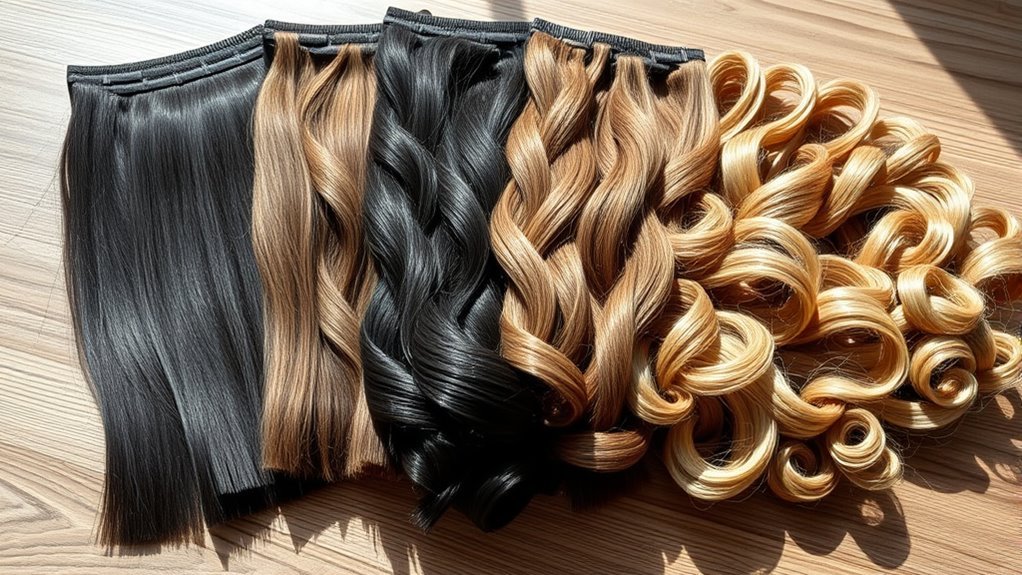
When choosing hair extensions, understanding the different types can help you pick the best fit for your style and lifestyle. Clip in benefits include quick application techniques and easy removal methods, making them perfect for occasional use.
Tape in advantages offer a more seamless look with lighter weight, ideal if you want longer extension length and natural color matching. Sew in durability stands out, especially if you prefer a long-lasting option that holds up well under various styling options.
Each type varies in maintenance routines: clip ins require minimal upkeep, tape ins need gentle care to preserve adhesive, and sew ins demand proper scalp care. Cost comparisons show clip ins are generally budget-friendly, tape ins moderately priced, and sew ins often more expensive due to salon installation.
Knowing these differences helps you choose extensions that suit your daily routine and desired look without surprises.
Choosing Hair Extensions for Your Hair Type
To pick the best hair extensions, start by figuring out your natural hair texture. This way, the extensions will blend in seamlessly. Then, match the extension material to your hair type so it looks and feels natural. And don’t forget to think about how different extensions might impact your hair’s health—keeping it strong and damage-free is key.
Identify Your Hair Texture
How do you know which hair extensions will blend seamlessly with your natural locks? Start with texture identification. Understanding your hair type helps you pick extensions that match your strands perfectly, ensuring a natural look.
Different hair types, like straight, wavy, curly, or coily, have unique textures you need to take into account before buying.
Here’s a quick guide to help you identify your texture:
| Hair Type | Texture Characteristics | Extension Match Tip |
|---|---|---|
| Straight | Smooth, fine strands | Choose sleek, straight extensions |
| Wavy | Loose, natural waves | Opt for wavy extensions |
| Curly | Defined curls, springy feel | Pick curly extensions |
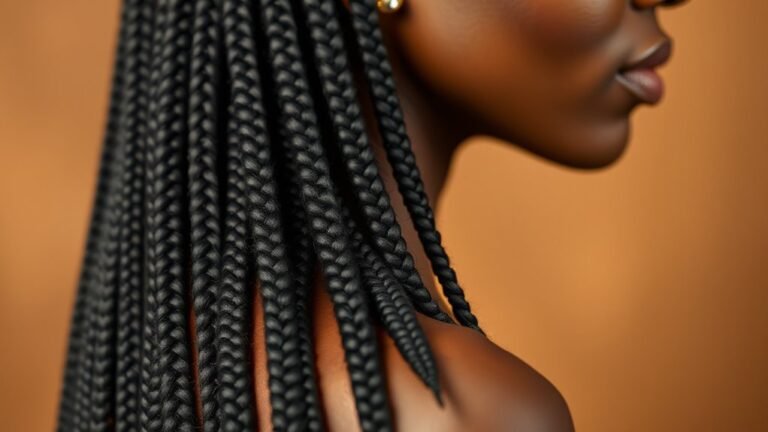
| Coily | Tight curls, dense texture | Use coily or kinky extensions |
| Mixed | Combination of textures | Match dominant texture |
Knowing your hair type simplifies your texture identification and guarantees flawless blending.
Match Extension Material Types
Although picking the right texture is essential, matching your hair extensions’ material to your natural hair type makes all the difference in durability and appearance. If you have fine hair, opt for lightweight extensions like tape-ins or clip-ins to avoid strain.
For thicker hair, you can choose heavier options like wefts or fusion extensions. Consider extension colors carefully to blend seamlessly with your natural shade, enhancing the overall look.
Keep in mind that different materials demand distinct maintenance routines; human hair extensions require gentle washing and heat protection, while synthetic ones need careful brushing and no heat styling. Matching material types guarantees your extensions last longer, look natural, and fit your lifestyle without damaging your hair or complicating your daily care.
Consider Hair Health Impact
Since hair extensions put extra weight and tension on your natural strands, you need to assess how they’ll impact your hair’s health before choosing a type. Prioritizing hair health guarantees you avoid damage and maximize extension longevity. Here’s what to contemplate:
- Hair Type Strength: If your hair is fine or fragile, opt for lightweight extensions like tape-ins or clip-ins to minimize stress.
- Application Method: Choose methods that cause less tension, such as bonded or sewn-in extensions, which distribute weight evenly and protect your scalp.
- Maintenance Routine: Regularly detangle and moisturize both your natural hair and extensions to prevent breakage and promote extension longevity.
Keeping these factors in mind helps you maintain healthy hair while enjoying beautiful, long-lasting extensions.
Comparing Tape-In, Clip-In & Sew-In Hair Extensions
When choosing between tape-in, clip-in, and sew-in hair extensions, you’ll want to think about how each method fits your lifestyle and hair type. Tape-in advantages include quick installation and a natural look. They’re great if you want semi-permanent extensions with minimal damage.
Clip-in convenience shines when you need temporary volume or length. You can easily install and remove them yourself without professional help. Sew-in durability makes them ideal for long-term wear, especially if you have thick hair, but they require a more involved installation and removal process.
Clip-ins offer easy, temporary volume, while sew-ins provide durable, long-term wear for thick hair.
Styling options vary. Clip-ins offer the most flexibility since you can remove them daily, while tape-ins and sew-ins blend seamlessly for more consistent styling. Maintenance routines differ too. Clip-ins need less upkeep, while sew-ins and tape-ins require careful care to avoid tangling or damage.
Understanding these factors helps you choose extensions that suit your needs without surprises.
Hair Extension Costs and Price Factors
Anyone considering hair extensions should understand the costs involved and the factors that influence them. The price you pay depends on several quality factors and how the extensions are applied. Here’s a quick cost breakdown to help you budget wisely:
- Type of Hair: Remy or virgin human hair usually costs more than synthetic options because it lasts longer and looks more natural.
- Application Method: Tape-in, clip-in, sew-in, and fusion vary in price due to the time and skill required for installation.
- Length and Volume: Longer and thicker extensions need more hair, increasing the overall cost.
Besides these, maintenance and occasional touch-ups add to the total expenses. By understanding these key quality factors and the cost breakdown, you can choose extensions that fit your style and budget without surprises.
Preparing Your Hair for Extensions
Understanding the costs and factors involved in hair extensions is just the start; getting your natural hair ready can make a big difference in the look and longevity of your new style. Before you commit, schedule a pre-extension consultation with your stylist. This step guarantees you discuss your desired outcome and get a professional hair health assessment.
Your stylist will check for any damage, scalp issues, or weaknesses that could affect how well the extensions hold or blend.
To prepare, wash your hair thoroughly but avoid heavy conditioners that can make strands slippery. Make sure your hair is dry and free from product buildup before your appointment.
Wash hair well but skip heavy conditioners; ensure it’s dry and clean of product buildup before your appointment.
If your hair is fragile or damaged, your stylist might recommend treatments or trimming to support the extensions. Taking these preparatory steps helps you achieve a seamless, natural look and guarantees your extensions last longer without harming your hair’s health.
Caring for Hair Extensions to Make Them Last
To keep your hair extensions looking fresh, you’ll want to stick to some simple daily maintenance tips. Washing and conditioning them the right way really helps keep their texture and shine intact. Plus, it’s a good idea to avoid heat damage by using protective tools and cutting back on hot styling whenever you can.
Daily Maintenance Tips
Although hair extensions can instantly transform your look, they require consistent care to stay vibrant and tangle-free. Daily styling plays a key role in maintaining their appearance and longevity. Here are three essential tips to keep your extensions looking great:
- Use gentle brushes: Opt for a wide-tooth comb or a brush designed specifically for extensions to prevent pulling and breakage.
- Follow product recommendations: Choose sulfate-free shampoos and lightweight conditioners to protect the hair and bonds from damage.
- Avoid excessive heat: Limit the use of heat styling tools, and always apply a heat protectant spray before styling.
Washing And Conditioning
Since washing and conditioning play an essential role in keeping your hair extensions healthy, you should handle them with extra care. Start by using sulfate-free, gentle shampoos that prioritize scalp care to prevent irritation around the roots.
When washing, focus on cleansing your natural hair and scalp while carefully avoiding excessive rubbing of the extension bonds or wefts to maintain extension hygiene. Rinse thoroughly with lukewarm water to remove all product buildup.
For conditioning, apply a lightweight conditioner mainly to the mid-lengths and ends of your extensions, steering clear of the roots to avoid loosening the bonds. Use a wide-tooth comb to detangle while conditioner is in your hair, minimizing breakage.
Proper washing and conditioning extend the life of your extensions and keep both your scalp and extensions in prime condition.
Avoiding Heat Damage
When you regularly expose your hair extensions to high heat, you risk weakening their fibers and shortening their lifespan. To keep your extensions looking fresh and healthy, follow these tips:
- Always apply a heat protection spray before using any hot tools to create a barrier and minimize damage.
- Opt for lower heat settings on your straighteners, curling irons, or blow dryers to reduce stress on the hair.
- Investigate styling alternatives like braids, twists, or heatless curls to switch up your look without risking heat damage.
Best Hairstyles for Hair Extensions
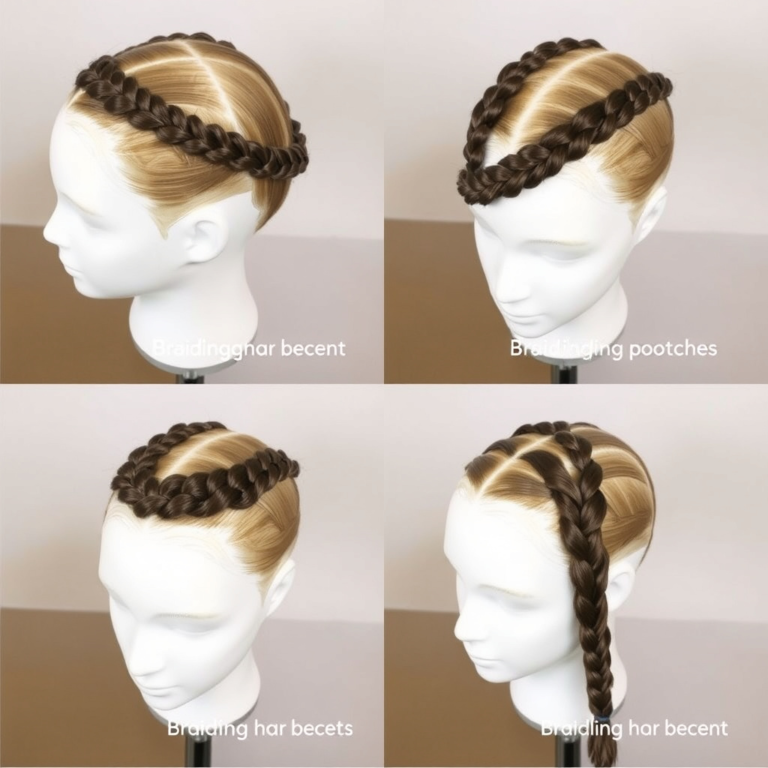
What hairstyles work best with hair extensions? You’ll find that updo styles and braided looks really showcase your added length and volume while keeping hair secure. Bohemian waves bring a relaxed, effortless vibe that blends seamlessly with extensions for a natural finish.
Updos and braids highlight your extensions’ length and volume, while bohemian waves offer a natural, effortless look.
Sleek ponytails work great if you want a polished, chic appearance, especially with thick, voluminous curls enhancing the style. Layered cuts and textured bobs can add dimension and movement, making your extensions look more dynamic and less uniform.
Half up styles are another versatile option. They let you show off your length while keeping hair out of your face. When choosing a hairstyle, consider how well it hides the extension bonds and complements your hair type.
These choices highlight your extensions’ benefits, giving you plenty of stylish options that feel both comfortable and flattering every day.
Will Hair Extensions Hurt Your Natural Hair?
You might be wondering if hair extensions could actually damage your natural hair or irritate your scalp. It’s a common concern, and totally valid. The key thing to know is that different types of extensions and how they’re applied can really make a difference when it comes to your hair’s health and how your scalp feels. So, let’s dive into what you should watch out for to keep your hair safe and healthy.
Potential Hair Damage
Although hair extensions can instantly boost your look, they may cause damage if not applied or cared for properly. You need to be aware of potential hair breakage resulting from excessive tension or improper handling.
To protect your natural hair and maximize extension longevity, follow these tips:
- Avoid over-tightening extensions, which can stress your hair roots and cause breakage.
- Use gentle, sulfate-free shampoos and conditioners to maintain both your natural hair and extensions.
- Detangle carefully with a wide-tooth comb, starting from the ends and working upward to prevent unnecessary pulling.
Scalp Sensitivity Concerns
When scalp sensitivity arises after getting hair extensions, it often signals that your scalp is reacting to the added weight or the attachment method. You might experience sensitivity reactions like itching, redness, or discomfort, which can indicate irritation or even tension on your natural hair.
To protect your hair and scalp, it’s essential to prioritize scalp care. Gently cleanse your scalp to avoid buildup and use soothing products designed for sensitive skin. Avoid tight styles that pull on your roots, and give your scalp breaks between extension appointments to recover.
If sensitivity reactions persist, consult a professional to adjust or remove the extensions. Taking these steps helps guarantee your extensions don’t harm your natural hair or scalp health.
When to Remove or Replace Hair Extensions
How do you know it’s time to remove or replace your hair extensions? Paying attention to removal signs and understanding replacement frequency helps keep your hair healthy and looking great. Here are three key indicators:
- Visible Damage: If your extensions look frizzy, tangled, or have split ends, it’s a clear removal sign. Damaged extensions won’t blend well and can harm your natural hair.
- Loose or Slipping Bonds: When bonds, tapes, or clips start slipping or falling out frequently, it’s time for removal. Weak attachments can cause discomfort and uneven hair.
- Time Since Installation: Most extensions need replacement every 6-8 weeks, depending on the type and how fast your hair grows. Sticking to this replacement frequency prevents buildup and keeps your style fresh.
Finding Trusted Hair Extension Professionals and Brands
Keeping your hair extensions looking their best starts with knowing when to remove or replace them, but choosing the right professional and brand plays a similarly important role. You want to trust someone who understands your hair type and style goals.
Start by checking extension reviews online. Real experiences offer valuable insight into quality and service. Don’t hesitate to ask friends or stylists for professional recommendations. Firsthand advice often leads you to reliable experts.
Checking reviews and seeking personal recommendations helps you find trustworthy experts for quality hair extensions.
When selecting a brand, look for transparency about hair origin and processing methods. This guarantees you’re getting authentic, durable extensions.
Remember, a skilled professional not only applies extensions flawlessly but also guides you on maintenance and timing for replacements. By combining trusted professionals with reputable brands, you’ll enjoy extensions that look natural and last longer, making your investment worthwhile.
Taking these steps helps you avoid damage and achieve the best results possible.
Frequently Asked Questions
Can I Swim or Shower With Hair Extensions?
Yes, you can swim and shower with hair extensions, but you should take swimming precautions to protect them. Always wet your extensions with clean water before swimming to reduce chlorine or salt absorption, and wear a swim cap if possible.
After swimming, rinse your hair thoroughly. For showering tips, use lukewarm water, avoid scrubbing the extensions, and gently pat them dry. These steps help keep your extensions looking great and lasting longer.
How Do I Color or Dye Hair Extensions?
Dyeing hair extensions is like painting on a delicate canvas; you’ve got to choose the right tools. First, consider your extension types: synthetic extensions usually can’t be colored, while human hair extensions respond well to coloring techniques like balayage or semi-permanent dyes.
Always test a small strand first and use gentle, ammonia-free dyes to avoid damage. Remember, it’s best to consult a pro to keep your extensions looking vibrant and healthy.
Are Hair Extensions Safe During Pregnancy?
Yes, hair extensions are generally safe during pregnancy, but you should watch for safety concerns like allergic reactions or scalp sensitivity. Some extension types, like clip-ins, are less invasive and pose fewer risks compared to glued or sewn-in options.
Always choose high-quality extensions and consult your doctor if you have any worries. Taking care of your scalp and opting for gentle application methods will help keep you and your baby safe throughout pregnancy.
Can I Style Hair Extensions With Heat Tools?
Yes, you can style hair extensions with heat tools, but you’ve got to be careful. Always use heat protection spray to shield the strands from damage. Stick to lower heat settings and avoid excessive heat exposure.
Try gentle styling techniques like curling with a wand or straightening in small sections to keep your extensions looking fresh and healthy. Taking these steps helps your extensions last longer while still letting you enjoy versatile styles.
How Long Does the Application Process Take?
The clock’s ticking, but the application process usually takes between one to three hours, depending on the method you choose. Tape-ins are quicker, while sew-ins or fusion methods take longer.
Knowing the ins and outs of different application methods helps you plan better. Don’t forget, following proper maintenance tips after application keeps your extensions looking fresh and lasting longer.
Conclusion
Think of hair extensions as a garden. You want to nurture your natural roots while adding vibrant blooms that reflect your style. By choosing the right type, preparing your hair well, and trusting skilled professionals, you’ll cultivate a look that feels both beautiful and healthy.
Remember, extensions aren’t just about length; they’re about growth, care, and confidence blossoming together. Treat them wisely, and your hair extensions will tell a story of strength and elegance.