Your Guide to Sew in Weave Hair: Choosing With Confidence
Finding the perfect sew-in weave can feel overwhelming, especially when you want it to blend flawlessly with your natural hair. You’re not alone—many people struggle to choose the right type, texture, and length that fit their lifestyle and look natural.
But with the right guidance, you can confidently pick the best sew-in weave that suits your style and needs.
When choosing your sew-in weave, match the hair type and texture to your natural hair for a seamless look, whether straight, wavy, or curly. Consider human hair for styling flexibility or synthetic for budget-friendly durability.
Pick length and volume based on your lifestyle and maintenance preference.
Quality matters. Higher-grade Remy hair lasts longer and looks natural.
Prep your hair properly and find a skilled stylist for the best result. Keep exploring to master care, maintenance, and safe removal tips.
Key Takeaways
- Match sew-in weave hair type and texture to your natural hair for seamless blending and a natural look.
- Choose between synthetic and human hair based on styling needs, budget, and desired versatility.
- Select appropriate length and volume considering your daily routine and natural hair thickness.
- Prepare natural hair with cleansing, conditioning, detangling, and moisturizing before installation.
- Find an experienced stylist, maintain the weave with gentle care, and remove it safely after 6-8 weeks.
What Is Sew-In Weave Hair?
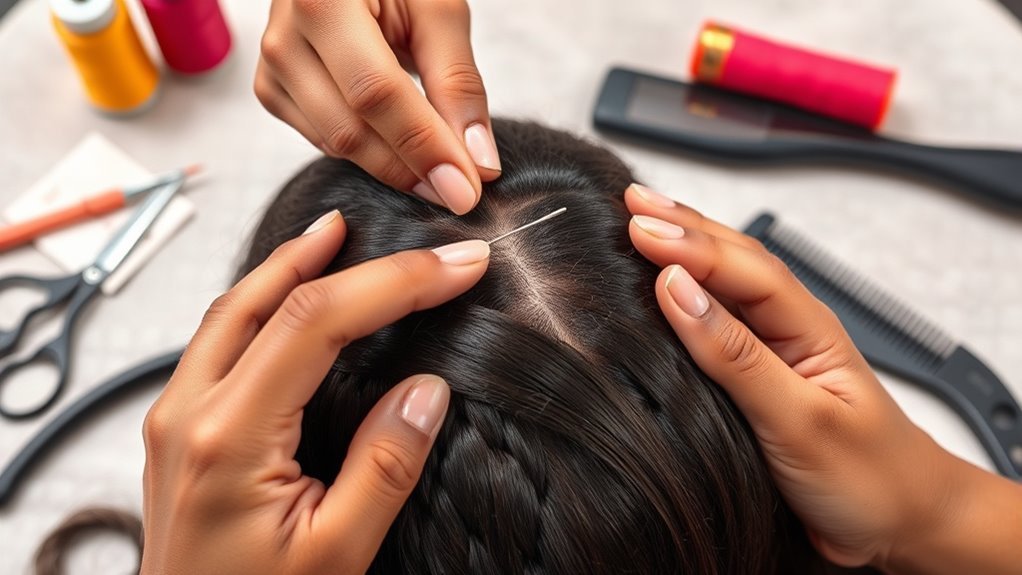
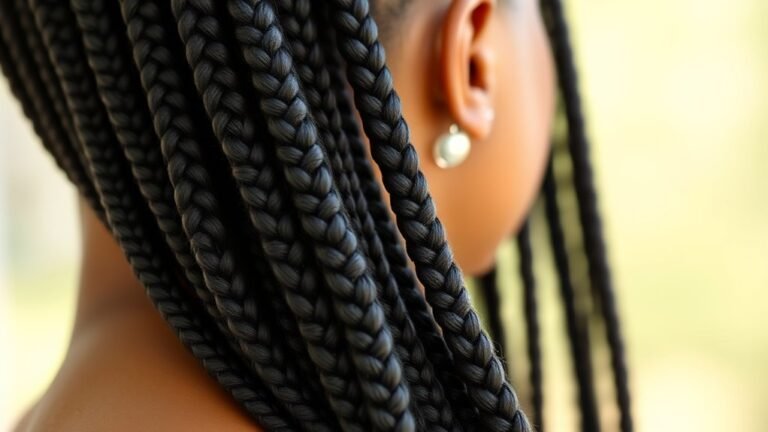
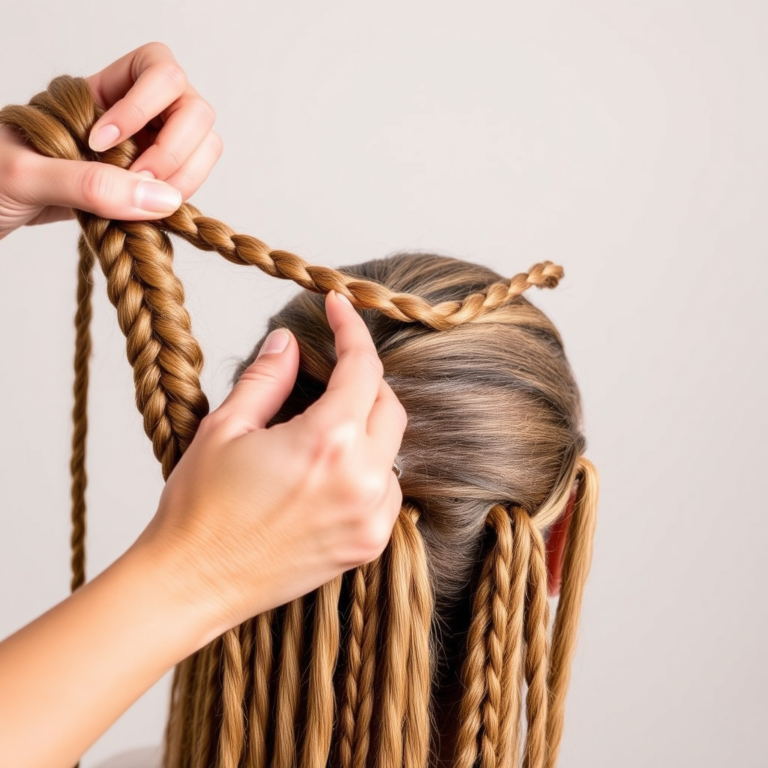
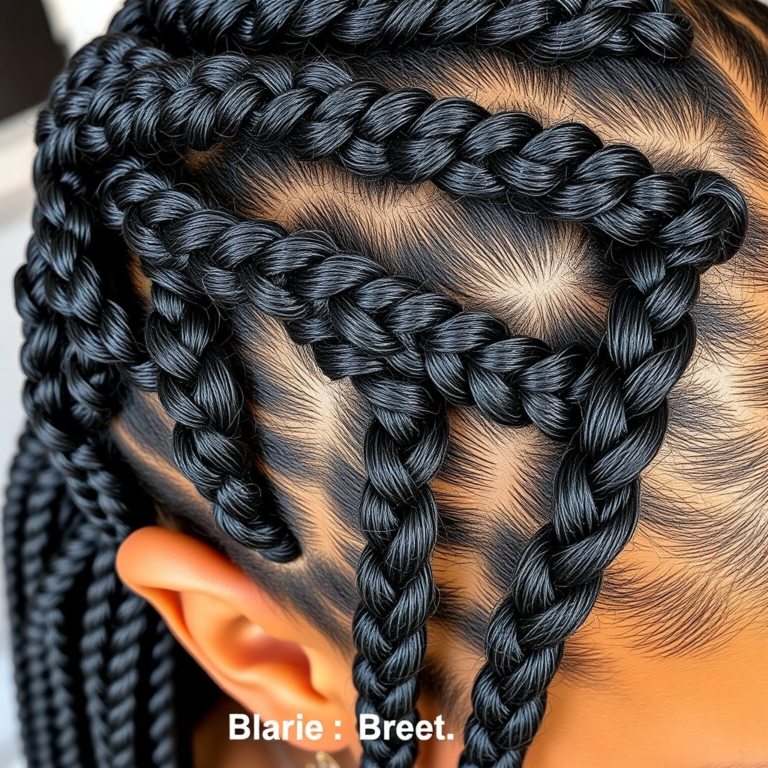
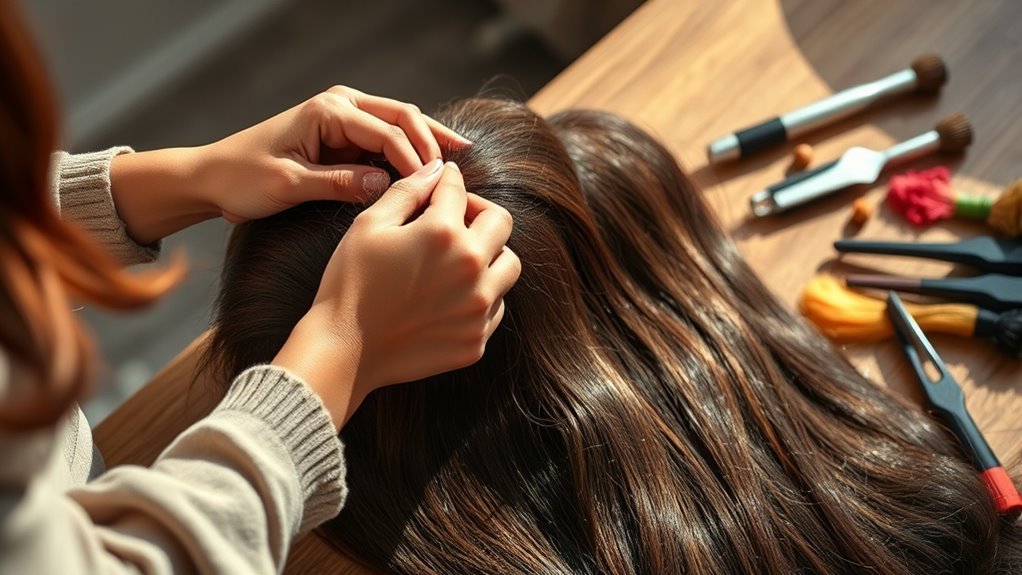
Sew-in weave hair is a popular hairstyling method where hair extensions are sewn directly onto your natural hair, which is braided close to the scalp. This technique lets you add volume, length, or color without using glue or heat, protecting your natural strands.
When you choose sew-in weave hair, you open up many styling options, from sleek straight looks to voluminous curls or intricate updos. The hair extensions blend seamlessly, giving you a natural appearance while allowing you to switch up your style easily.
Plus, sew-in weaves tend to last longer than clip-ins since they’re securely attached. If you want a low-maintenance way to transform your look, this method is perfect. You just need to verify your hair is healthy and strong enough for braiding.
How To Choose The Right Hair Type For Your Sew-In Weave
Choosing the right hair type for your sew-in weave starts with matching your natural texture to keep the look seamless. That way, everything blends perfectly, and no one can tell it’s a weave.
You’ll also want to think about whether synthetic or human hair fits your style and budget best. Each has its pros and cons, so weigh what matters most to you.
And finally, consider the length and volume you want to achieve. Getting those just right will help you finish off the look perfectly.
Hair Texture Matching
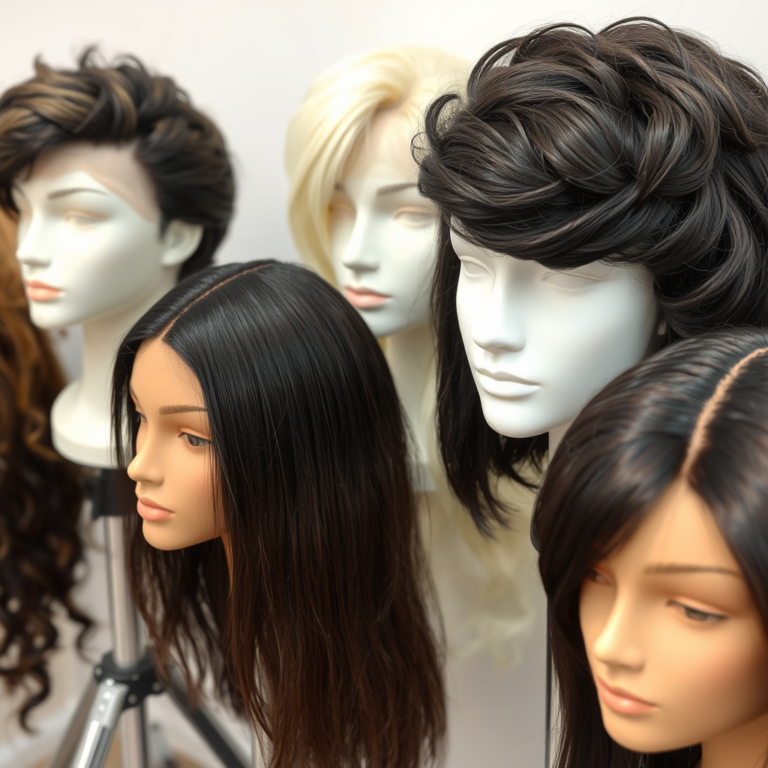
Although finding the perfect hair type might seem tricky, matching your natural texture guarantees a seamless and natural look. Start by identifying your hair’s curl pattern and overall texture, whether it’s straight, wavy, curly, or coily.
Choosing hair that closely resembles your natural strands makes texture blending easier. When the weave’s texture aligns with yours, it blends effortlessly, preventing obvious differences.
If you have mixed textures, pick a hair type that complements your dominant pattern for a smoother finish. Avoid drastic mismatches, as they can stand out and require more styling effort.
Synthetic Vs. Human
Matching your hair texture sets the foundation, but the next step is deciding between synthetic and human hair for your weave. Synthetic hair offers impressive synthetic durability, making it resistant to heat and style changes, plus it’s budget-friendly.
However, synthetic fibers can’t be restyled easily and may not blend as naturally with your own hair. On the other hand, human hair gives you unmatched human versatility. You can curl, straighten, and color it just like your natural hair, allowing for a seamless, personalized look.
While human hair tends to cost more and requires careful maintenance, it offers a more authentic appearance and longer lifespan if cared for properly. Consider your lifestyle, styling preferences, and budget to choose the type that fits your sew-in weave goals best.
Length And Volume Options
When you pick the right length and volume for your sew-in weave, you set the stage for a look that complements your style and lifestyle perfectly. Length considerations help you decide how long you want your hair to flow, balancing manageability and desired impact.
Volume preferences influence how full or natural your weave appears, tailoring your look to daily activities and personal taste. To choose wisely, consider:
- Your daily routine and how much maintenance you’re willing to commit to
- The natural thickness of your hair to guarantee a seamless blend
- The occasion or style statement you want to make
Picking The Perfect Texture: Straight, Wavy, Or Curly
Choosing between straight, wavy, or curly textures really depends on what suits your face shape best and how much time you want to spend on maintenance. You’ll also want to think about how easy each texture is to style for your daily routine.
Texture Suitability For Face
Although texture might seem like a simple preference, selecting the right weave texture can improve your facial features and complement your natural beauty. When choosing between straight, wavy, or curly textures, consider your face shape and how each style frames it.
Your hair color and skin tone also play a role in enhancing the overall look. Remember to align your choice with your personal style and seasonal trends, ensuring event suitability for any occasion.
Here’s a quick guide:
- Straight textures add sleekness, ideal for oval or round faces.
- Wavy textures offer volume and soften angular face shapes.
- Curly textures bring vibrancy, perfect for square or heart-shaped faces.
Choosing wisely boosts hair health and confidence, making you feel stunning every day.
Maintenance And Styling Ease
Since different hair textures require varying levels of care, understanding maintenance and styling ease can help you pick the perfect weave for your lifestyle. Straight textures often need less daily upkeep but may require specific styling products to prevent oil buildup or limpness.
Wavy weaves offer versatility and can be refreshed easily with lightweight styling products, making them a great choice if you enjoy switching looks without much hassle. Curly textures demand more attention, benefiting from moisturizing styling products to reduce frizz and maintain definition.
Whichever texture you choose, incorporating protective styles can extend your weave’s lifespan and protect your natural hair. By considering these factors, you’ll confidently select a texture that fits your routine, ensuring your sew-in weave stays beautiful and manageable.
How To Choose Length And Volume For Your Style
How do you decide on the perfect length and volume for your sew-in weave? Start by evaluating your length considerations and volume preferences based on your lifestyle and desired look. Choosing the right length affects not only your style but also your comfort and maintenance routine.
Begin by considering your lifestyle and desired look to choose the perfect length and volume for your sew-in weave.
Likewise, volume can dramatically change your overall appearance, so it’s essential to pick what suits you best.
Keep these points in mind:
- Assess your daily activities: Longer lengths may require more upkeep, while shorter lengths are easier to manage.
- Match volume to your natural hair: Consider if you want a fuller look or something more subtle to blend seamlessly.
- Think about styling versatility: More volume offers flexibility for different styles, while less volume gives a sleek, natural finish.
Understanding Sew-In Weave Quality Grades
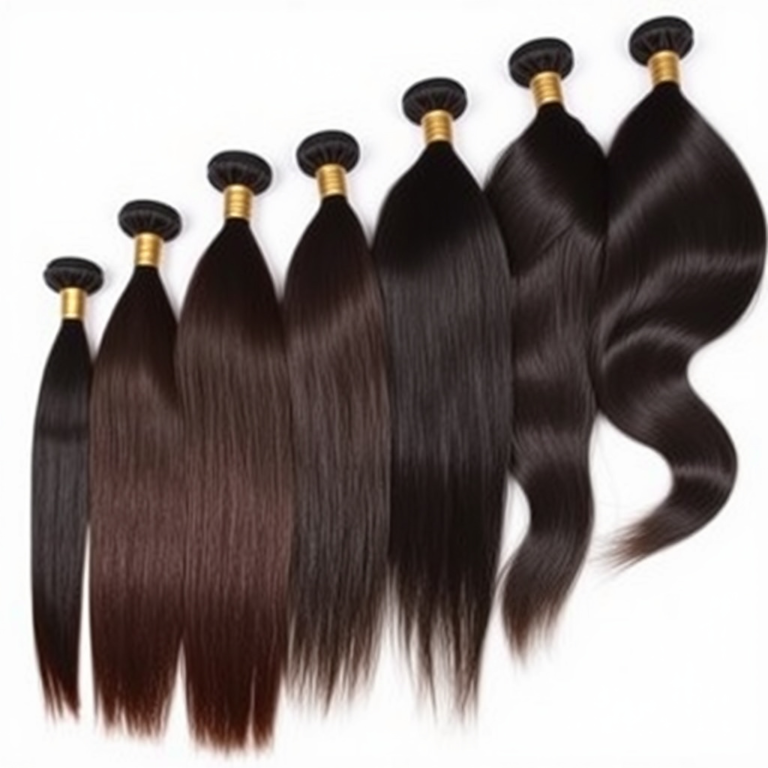
When you choose your sew-in weave, understanding the quality grades can make a big difference in how your hair looks and lasts. Quality indicators like cuticle alignment, texture, and origin help you spot the best options.
For example, Remy hair, with intact cuticles running in the same direction, tends to be softer, shinier, and less prone to tangling. Non-Remy hair often has mixed cuticle directions, which can cause matting and a shorter lifespan.
Grade differences usually range from Grade 7A to 10A, with higher grades offering better durability and a more natural appearance. While higher grades cost more, they save you money long-term by lasting longer and maintaining style.
Pay close attention to the grade label and ask your stylist about these quality indicators before buying. Knowing the grade differences guarantees you pick a sew-in weave that not only fits your look but also stands up to daily wear.
Choosing Sew-In Weave That Fits Your Lifestyle And Routine
Choosing a sew-in weave that matches your lifestyle and daily routine guarantees you get both style and convenience. When selecting your weave, consider lifestyle factors like how often you engage in physical activities or need low-maintenance hair. Routine compatibility is key to ensuring your weave stays fresh without requiring excessive upkeep.
Ask yourself these questions to find the best fit:
- How much time can you realistically spend on daily hair care?
- Do you need a weave that withstands frequent washing or styling?
- Will your weave complement your work or social environment?
Tips For Preparing Your Natural Hair Before Installation
Before you install your sew-in weave, it’s important to give your hair a good cleanse and deep condition. This helps create a healthy base for the installation.
Next, take your time to gently detangle your hair. This step is key to avoiding any breakage while you’re working through the process.
And don’t forget to moisturize and seal your strands. Keeping them hydrated and protected will make a big difference once the weave is in place.
Cleanse And Condition Properly
Although it might seem simple, properly cleansing and conditioning your natural hair sets the foundation for a successful sew-in weave installation. Maintaining scalp health is essential, so you want to choose the right products that nourish without buildup. Focus on product selection that suits your hair type and addresses any scalp concerns.
Here’s how to prepare your hair effectively:
Use a gentle shampoo to remove dirt and excess oils without stripping moisture. Apply a moisturizing conditioner to hydrate and soften your strands. Rinse thoroughly to prevent residue that can cause itchiness or irritation.
Detangle Hair Thoroughly
Once your hair is clean and conditioned, you’ll need to detangle it thoroughly to prevent knots and breakage during the sew-in process. Start by sectioning your hair into manageable parts, then use a wide-tooth comb or a detangling brush to gently work through each section from ends to roots. Avoid harsh pulling to minimize damage.
For easier detangling, use product recommendations like leave-in conditioners or detangling sprays that provide slip and moisture. These products help reduce friction and make combing smoother.
Incorporating these detangling techniques guarantees your natural hair stays healthy and ready for installation. Taking the time to detangle properly sets a strong foundation for your sew-in weave, helping you achieve a flawless, long-lasting look without compromising your natural strands.
Moisturize And Seal
Three key steps help you lock in moisture and protect your natural hair before installing a sew-in weave. Moisture retention is essential to keep your hair healthy under the weave. Start by lightly spritzing your hair with water or a water-based moisturizer to hydrate your strands.
Next, apply a leave-in conditioner to nourish and soften your hair. Finally, use sealing products like natural oils or butters to lock in that moisture and create a protective barrier.
- Hydrate your hair with water or water-based mist
- Nourish with a leave-in conditioner
- Seal moisture with oils or butters
How To Find A Skilled Stylist For Your Sew-In Weave
Where can you find a skilled stylist who truly understands sew-in weaves? Start by asking for stylist recommendations from friends, family, or online communities focused on hair care. Personal referrals often lead to trusted professionals experienced with various hair types and styles.
Next, explore client reviews on platforms like Yelp, Google, or social media. These reviews give you insight into the stylist’s expertise, professionalism, and how well they handle sew-in weaves. Pay close attention to comments about the stylist’s attention to detail and how long the weave lasted.
Don’t hesitate to contact the salon directly to ask about the stylist’s experience with sew-ins and if they offer consultations. Remember, a skilled stylist will listen to your needs and provide tailored advice.
How To Care For And Maintain Your Sew-In Weave
Choosing the right stylist sets the foundation for a beautiful sew-in weave. But keeping your weave looking fresh and lasting longer depends on how you care for it daily. Proper maintenance guarantees your sew-in stays neat and your natural hair remains healthy.
Selecting a skilled stylist starts your sew-in journey, but daily care keeps your weave fresh and your hair healthy.
Focus on using quality hair products designed for weaves, and don’t neglect scalp care to prevent itching and buildup.
Here are three essential tips for caring for your sew-in weave:
- Gently wash your hair and weave every 1-2 weeks with sulfate-free shampoos and moisturizing conditioners to keep both clean and hydrated.
- Apply lightweight oils or scalp treatments regularly to maintain scalp health without weighing down your weave.
- Protect your hair at night by wrapping it with a silk or satin scarf to reduce friction and prevent frizz.
When And How To Remove Or Change Your Sew-In Weave Safely
Anyone who wears a sew-in weave should know the best time and method to remove or change it safely to protect their natural hair. Typically, you want to wait 6-8 weeks before removal to maintain weave longevity and avoid stressing your scalp.
When it’s time, use gentle removal techniques. Start by carefully unpicking the braids or threads holding the weave, avoiding any pulling that could damage your hair. Use a seam ripper or small scissors designed for this purpose, ensuring you don’t cut your natural hair.
Once the weave is off, cleanse your scalp and hair thoroughly to remove buildup. If you’re changing your weave, give your hair a short break between installations to breathe and recover.
Following these steps helps you maintain healthy hair while enjoying your sew-in style. Always prioritize gentle removal techniques to preserve your natural hair’s strength and promote weave longevity.
Frequently Asked Questions
Can Sew-In Weaves Damage My Natural Hair Over Time?
Yes, sew-in weaves can damage your natural hair over time if you don’t follow proper hair health and maintenance tips. To protect your hair, make sure you don’t leave the weave in too long and keep your scalp clean and moisturized.
Avoid excessive tension when sewing in the weave, and give your natural hair breaks between installs. With good care, you can enjoy sew-ins without compromising your hair’s health.
How Long Does a Typical Sew-In Weave Installation Take?
A typical sew-in weave installation takes about 2 to 4 hours, but installation factors like your hair length, stylist’s experience, and the weave type can affect this.
You’ll want to follow maintenance tips like regular moisturizing and gentle washing to keep both your natural hair and weave healthy. Taking care of your hair properly helps extend the life of your sew-in and keeps your scalp comfortable throughout the wear.
Are There Any Allergic Reactions Associated With Sew-In Weaves?
Yes, you can experience allergic reactions with sew-in weaves, especially if you have scalp sensitivity. Some people react to the thread, adhesive, or even certain hair products used during installation.
To avoid this, test any new product on a small skin patch before applying it to your scalp. If you notice itching, redness, or swelling, stop immediately and consult a dermatologist to protect your scalp and maintain healthy hair.
What Products Should I Avoid Using With My Sew-In Weave?
You should avoid heavy oils, alcohol-based products, and sulfates when caring for your sew-in weave. These can cause buildup, dryness, or damage to both your natural hair and the weave.
Instead, focus on gentle, sulfate-free shampoos and lightweight leave-in conditioners for effective hair care. Product recommendations include moisturizing sprays and natural oils like argan or jojoba that nourish without weighing your hair down or loosening the weave.
Can I Swim or Exercise With a Sew-In Weave Installed?
You can swim and exercise with a sew-in weave installed. Did you know 60% of weave wearers stay active without damaging their hair?
For swimming tips, always wet your weave with clean water and apply a leave-in conditioner to protect it from chlorine or saltwater.
When exercising, tie your hair up loosely and wash your weave soon after sweating to keep it fresh and prevent buildup.
Conclusion
Now that you’re equipped to choose the perfect sew-in weave, remember to measure twice and cut once. Taking your time to select the right hair type, texture, and length guarantees you’ll love your look and feel confident.
Preparing your natural hair and finding a skilled stylist will make all the difference. With proper care, your sew-in weave will stay beautiful and last longer.
Welcome the process and enjoy your stunning transformation with your sew-in weave!