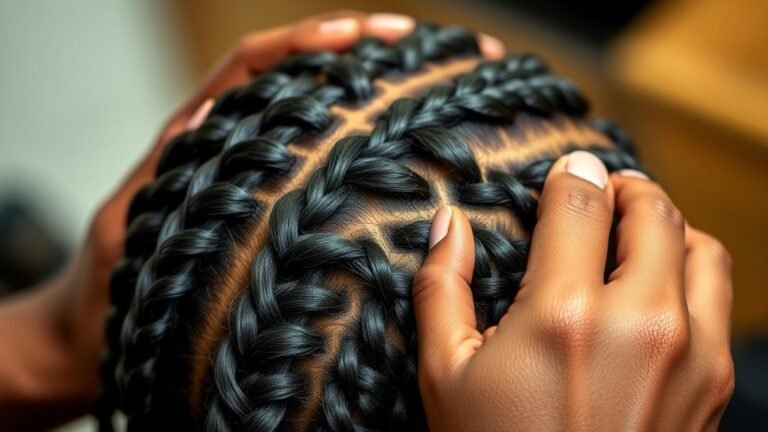
What Is Kanekalon Hair? Understanding Its Uses and Benefits
Kanekalon hair is a type of high-quality synthetic fiber widely used to create hair extensions, braids, and wigs. It mimics the softness and texture of natural hair, making it a popular option for people wanting a natural look without using real human hair. This fiber is known for its durability and ability to hold styles well, such as braiding and curling.
Synthetic hair materials like Kanekalon have become essential in the beauty industry because they offer affordable, versatile alternatives to human hair. Its heat resistance and smooth texture provide comfort and ease of styling, which matters for many who want stylish hair without the maintenance of natural hair. Kanekalon's unique qualities have made it a staple in fashion and protective hairstyles, especially in African and Caribbean communities.
This article will explain what Kanekalon hair is, how it is made, its properties, styling tips, advantages and disadvantages, and how to choose and care for products made with this synthetic fiber. We'll also compare Kanekalon to other synthetic options and human hair to help you decide if it's right for your needs.
What Is Kanekalon Hair and How Is It Made?
Overview of Kanekalon Fiber
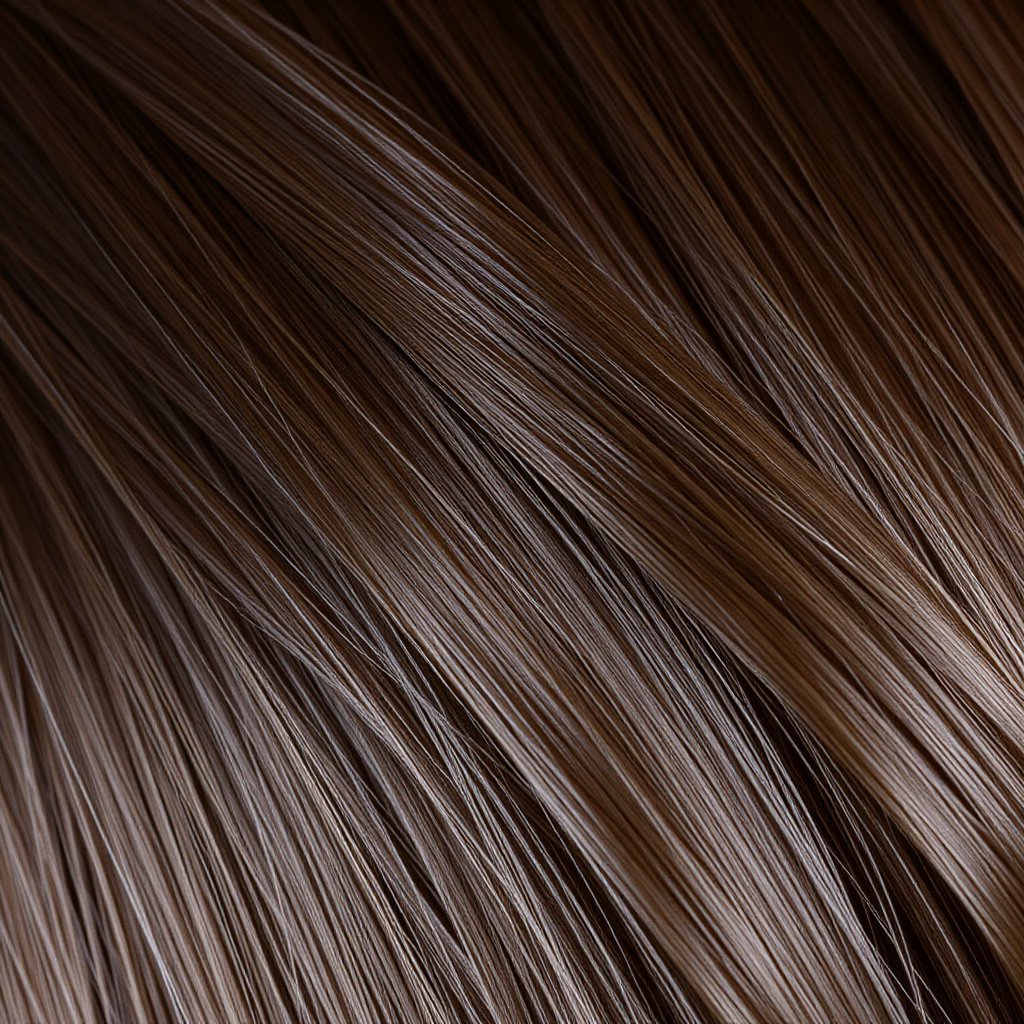
Kanekalon is a synthetic fiber developed in Japan in the 1950s as a smooth and soft alternative to natural hair fibers. The fiber is made from modacrylic, a type of acrylic resin, and is manufactured with a structure designed to look and feel similar to human hair.
Its production involves extrusion of the modacrylic polymer, which is then dyed and textured to achieve various hair styles such as straight, curly, or wavy. Kanekalon fibers are known for their lightweight durability and ability to hold color well.
- Made from modacrylic fiber
- Developed to resemble natural hair texture
- Available in multiple colors and styles
Comparison with Other Synthetic Fibers
Compared to other synthetic hairs, Kanekalon holds braids and curls more effectively. It also resists tangling better than many lower-quality fibers. Unlike polyester-based synthetics which can feel stiff or artificial, Kanekalon's softer texture mimics the pliability of natural hair, making it preferred for braiding and twisting.
Heat resistance varies among Kanekalon types; some versions can tolerate low heat styling, while others might melt or lose shape if exposed to high temperatures. This contrasts with fibers like Toyokalon which tend to have higher heat tolerance.
- Superior softness and flexibility
- Better braiding hold and curl retention
- Varied heat resistance depending on type
Properties and Styling Capabilities of Kanekalon Hair
Texture and Appearance
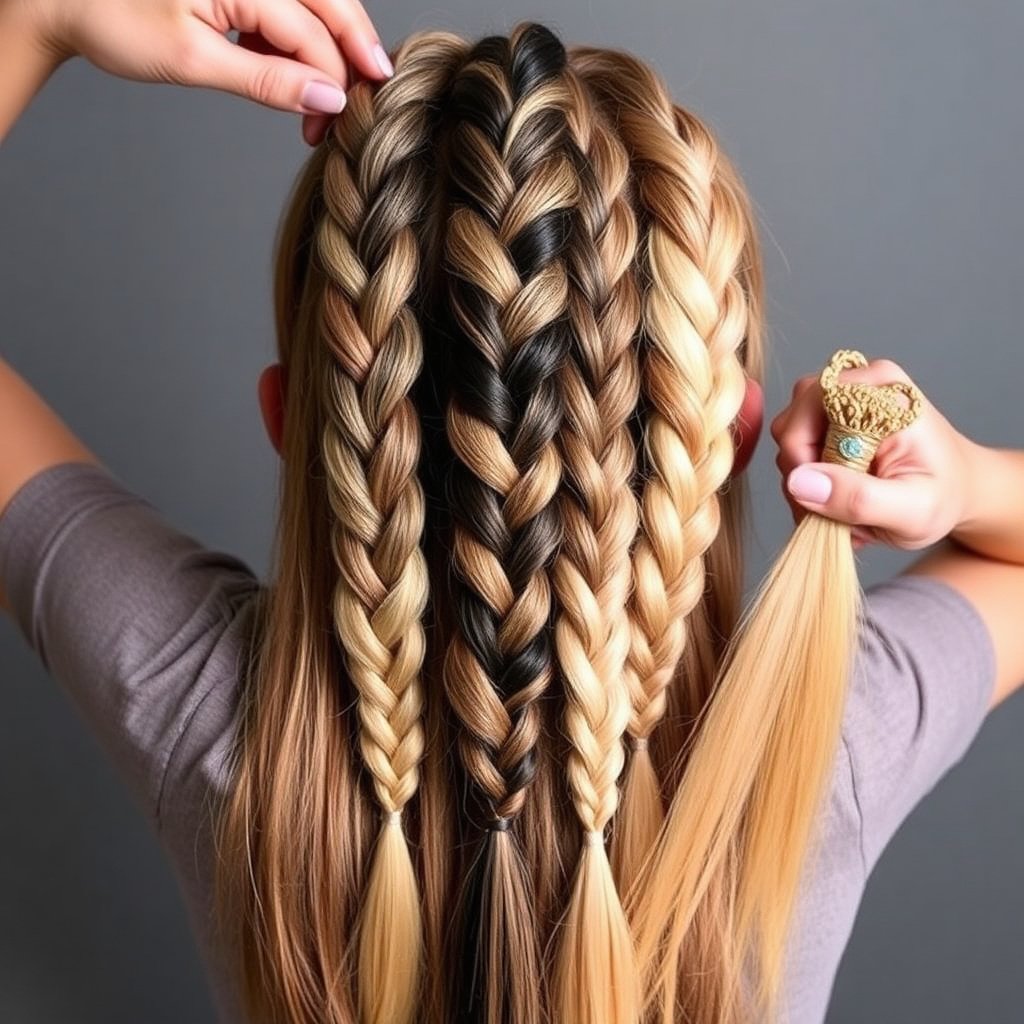
Kanekalon hair generally has a silky and smooth texture that makes it closely resemble human hair. It reflects light naturally, creating a shine that is neither too glossy nor dull. These qualities help it blend nicely when mixed with real hair or worn alone in hairpieces or weaves.
The fiber's surface is non-porous which helps it resist dirt and oil buildup, making Kanekalon extensions easier to maintain. Additionally, it can be found in a wide range of natural and vibrant colors, allowing for creative hair styling.
- Silky, smooth texture
- Light-reflecting natural shine
- Wide color range
Styling Techniques Suitable for Kanekalon
Kanekalon hair is highly versatile for braiding, twisting, and curling. Popular protective hairstyles like box braids and twists often use Kanekalon because it holds the shape well and lasts several weeks. Low heat tools can be safely used on some Kanekalon blends to create waves or curls, but care should be taken to test the fiber first.
While Kanekalon can't be chemically treated like human hair, it responds well to detangling sprays and light moisturizing products designed for synthetic fibers to maintain softness and reduce frizz.
- Ideal for braiding and twisting
- Can be styled with low heat
- Requires synthetic hair care products
Benefits of Kanekalon Hair

Affordability and Accessibility
One of the biggest advantages of Kanekalon hair is its affordability compared to human hair extensions. This makes it accessible to a wide range of consumers who want quality and style without a high price tag.
Additionally, Kanekalon extensions and wigs are widely available in beauty supply stores and online, offering many options for length, color, and style to suit different preferences and occasions.
- Lower cost than human hair
- Easy to find in many styles
- Good for temporary or experimental looks
For more on this, see our related guide: Kanekalon Braiding Hair Guide: What to Know Before You Buy.
Durability and Low Maintenance
Kanekalon hair is known for lasting well in protective hairstyles, often maintaining style shape for several weeks, which is ideal for individuals looking for low-maintenance hair solutions.
Unlike human hair, it does not absorb moisture from the environment, meaning it holds its style in various weather conditions. Cleaning it requires only gentle washing with synthetic fiber products, keeping upkeep simple.
- Holds style for weeks
- Resistant to weather effects
- Simple maintenance routine
Limitations and Drawbacks of Kanekalon Hair
Heat Sensitivity and Styling Restrictions
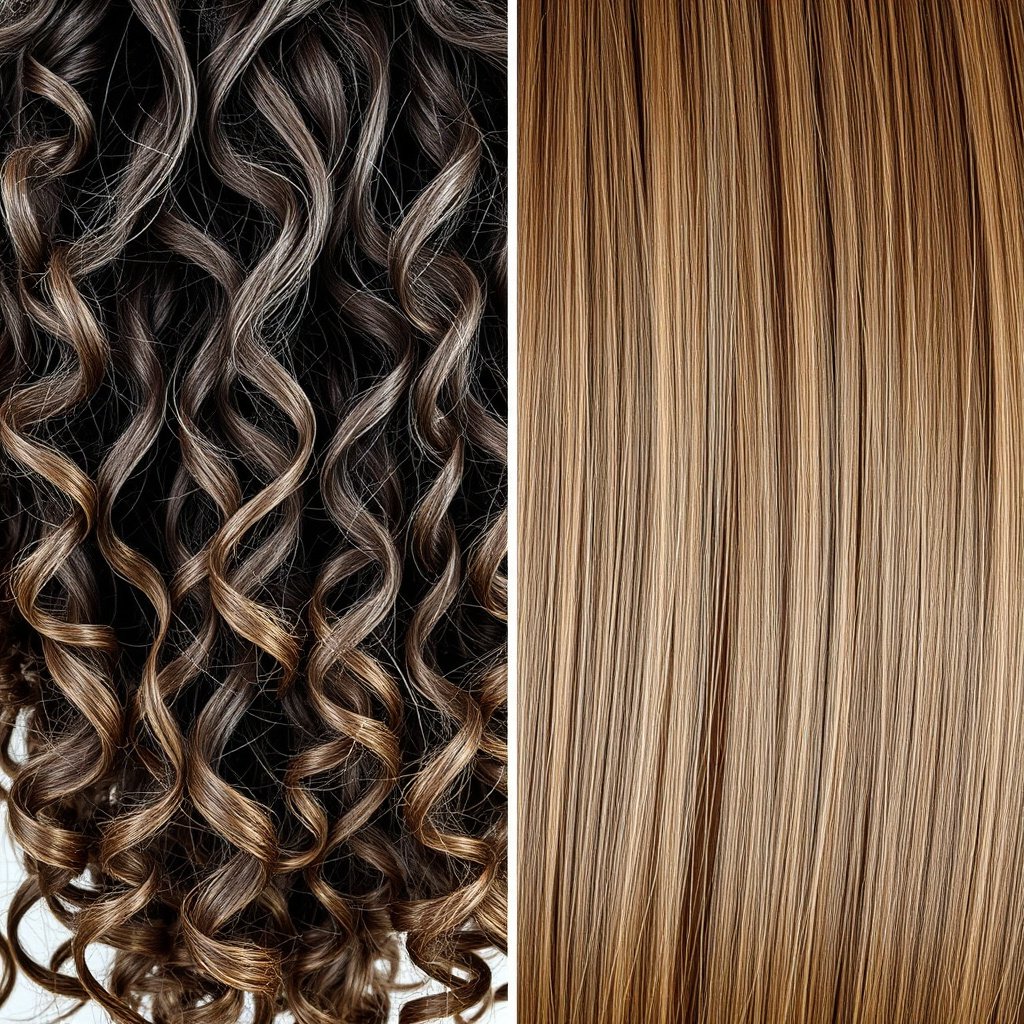
Despite the ability to tolerate some heat, many Kanekalon hair fibers are prone to melting or damage if exposed to high temperatures above 250°F. This limits the use of common styling tools like curling irons or straighteners without risking fiber damage.
Users must be cautious with heat styling and often need to rely on cold-setting or products designed for synthetic hair. This can be inconvenient for individuals wanting versatile styling options.
- Not all fibers are heat-resistant
- High heat can cause melting
- Limits use of thermal styling tools
Differences from Natural Hair Feel and Appearance
Kanekalon, while very close, does not perfectly mimic the softness and bounce of real human hair. Some wearers may notice slight differences in how it moves or the way it reflects light.
The fiber can become frizzy or tangled over time if not cared for properly, and chemical treatments like coloring or perming are not possible, which means fewer customization options compared to natural hair.
- Less natural texture under close inspection
- Potential for tangling without care
- Cannot be chemically altered
How to Choose and Care for Kanekalon Hair

Selecting the Right Kanekalon Hair
When choosing Kanekalon hair, consider the fiber type's heat resistance, length, color, and compatibility with your natural hair. Premium Kanekalon blends offer softer textures and improved durability compared to basic versions.
Check product details to confirm if the fiber is heat safe if you plan to style with heat. Match color carefully to ensure a natural look, or select vibrant hues for creative styles.
- Check heat resistance rating
- Choose appropriate length and color
- Opt for premium blends where possible
For more on this, see our related guide: Best Crochet Hair: Top Picks and Buying Tips.
Cleaning and Maintenance Tips
Kanekalon hair should be washed with mild shampoo made for synthetic fibers to avoid damage. Avoid hot water and harsh chemicals. Detangle gently with a wide-tooth comb or fingers when the hair is damp to prevent fiber breakage.
Store hair away from direct sunlight and heat sources to preserve color and texture. Using leave-in conditioner sprays designed for synthetics can help keep the fiber soft and manageable.
- Use synthetic fiber shampoo
- Avoid heat when washing
- Store properly to prevent damage
Kanekalon Hair vs. Other Hair Types

Kanekalon vs. Toyokalon
Kanekalon and Toyokalon are both popular synthetic fibers used in hair extensions and wigs. Kanekalon offers more texture variety and is favored for braids, while Toyokalon is softer and shinier, often used for curly styles.
Toyokalon generally has better heat resistance than Kanekalon, allowing for more heat styling options. However, Kanekalon usually lasts longer in protective styles without tangling as much.
- Kanekalon better for braids
- Toyokalon softer and shinier
- Toyokalon higher heat tolerance
For more technical details about the fiber properties of Kanekalon, you can visit the Kanekalon fiber Wikipedia page. Kanekalon fiber Wikipedia page.
Kanekalon vs. Human Hair
Human hair offers the most natural look and full styling flexibility, including coloring and heat treatments, but it requires more maintenance and is significantly more expensive than Kanekalon.
Kanekalon provides a budget-friendly alternative with a natural appearance but fewer styling options and slightly different texture that some users may notice. It’s preferred for temporary or protective hairstyles.
- Human hair fully customizable
- Kanekalon more affordable
- Kanekalon less maintenance needed
Kanekalon Hair Category Comparison
Below is a comparison of Kanekalon hair types and alternatives to help you understand their features, costs, and suitability.
| Category | Texture | Heat Resistance | Price Range | Best Use |
|---|---|---|---|---|
| Basic Kanekalon | Smooth but slightly coarse | Low (up to 250°F) | $$ | Braiding and basic extensions |
| Premium Kanekalon | Softer, more natural feel | Medium (up to 300°F) | $$$ | Braids, twists, low-heat styling |
| Toyokalon | Silky and shiny | High (above 300°F) | $$$ | Curly styles, heat styling |
| Human Hair | Most natural and soft | Very high (fully heat-safe) | $$$$+ | Full styling flexibility, coloring |
| Polyester Synthetic | Stiff, artificial feel | Very low | $ | Temporary costume use |
Frequently Asked Questions
Can Kanekalon hair be dyed or colored?
Kanekalon hair is made of synthetic fibers that do not absorb hair dye like natural hair. While some special fabric dyes can slightly change the color, it’s generally not recommended because it can damage the fibers.
Is Kanekalon hair heat resistant?
Some Kanekalon types can tolerate low heat styling up to around 250-300°F, but many basic fibers melt at higher temperatures, so heat tools should be used cautiously or avoided.
How long does Kanekalon hair typically last?
With proper care, Kanekalon hair used in styles like braids or wigs can last several weeks to a few months, depending on wear conditions and maintenance.
What is the difference between Kanekalon and Toyokalon hair?
Kanekalon is generally thicker and better for braiding, while Toyokalon feels softer and shinier, making it more suitable for curly or wavy hair styles and tolerates higher heat.
How should Kanekalon hair be washed?
Kanekalon hair should be cleaned with a gentle synthetic fiber shampoo using cold or lukewarm water. Avoid hot water and harsh scrubbing to maintain fiber integrity.
Key Takeaways
- Kanekalon is a synthetic fiber designed to mimic natural hair texture and appearance.
- It’s widely used for braids, twists, wigs, and hair extensions due to its durability and affordability.
- Kanekalon has limited heat resistance—low-heat styling is possible on some types.
- Proper care includes gentle washing and avoiding excessive heat to prolong lifespan.
Conclusion
Choosing Kanekalon hair means balancing cost, appearance, and styling needs. It offers a realistic synthetic option favored for protective and braided hairstyles, especially when human hair is too costly or requires more maintenance. By understanding its heat sensitivity, texture, and care requirements, you can select the right Kanekalon option that matches your desired look and lifestyle.
For those seeking vibrant, affordable synthetic hair with good hold for braids or twists, premium Kanekalon is a practical choice with some ability for heat styling. If softness and higher heat tolerance are priorities, Toyokalon stands out as another synthetic alternative. However, for maximum styling freedom like coloring and heat treatments, investing in human hair might be better despite the higher price.
Before buying, assess your preferred hair styles and how much maintenance you’re willing to commit. Start with small Kanekalon extensions to test comfort and ease of styling. With the right knowledge and products, Kanekalon hair offers excellent value and creative flexibility to enhance your hairstyles confidently.