Your Guide to Relaxer for Coarse Hair: Choosing With Confidence
Finding the perfect relaxer for coarse hair can feel overwhelming. You want something strong enough to manage your thick, resilient strands without causing damage.
If you’ve struggled with dryness, breakage, or harsh chemicals in the past, you’re not alone—many people face these challenges when trying to relax coarse hair.
You can confidently choose the right relaxer for your coarse hair by understanding its thick, resilient texture that needs stronger formulas or longer processing.
Pick relaxers with protective ingredients like shea butter and hydrolyzed proteins to prevent damage, and avoid harsh chemicals.
Proper preparation, application, and maintenance routines are key to keeping your hair healthy and shiny.
If you want to master every step, explore how to tailor the process perfectly for your unique hair needs.
Key Takeaways
- Choose relaxers based on hair coarseness, selecting mild, regular, or super strength for safe and effective straightening.
- Prioritize relaxers with moisturizing and strengthening ingredients like shea butter, aloe vera, and hydrolyzed proteins.
- Prepare coarse hair with weekly deep conditioning treatments using heat for better protection during relaxing.
- Always perform strand tests and avoid relaxing on irritated or dry scalps to prevent damage and discomfort.
- Maintain relaxed coarse hair with balanced moisture, protein care, gentle shampoos, and regular trims to reduce breakage.
What Makes Coarse Hair Unique for Relaxers
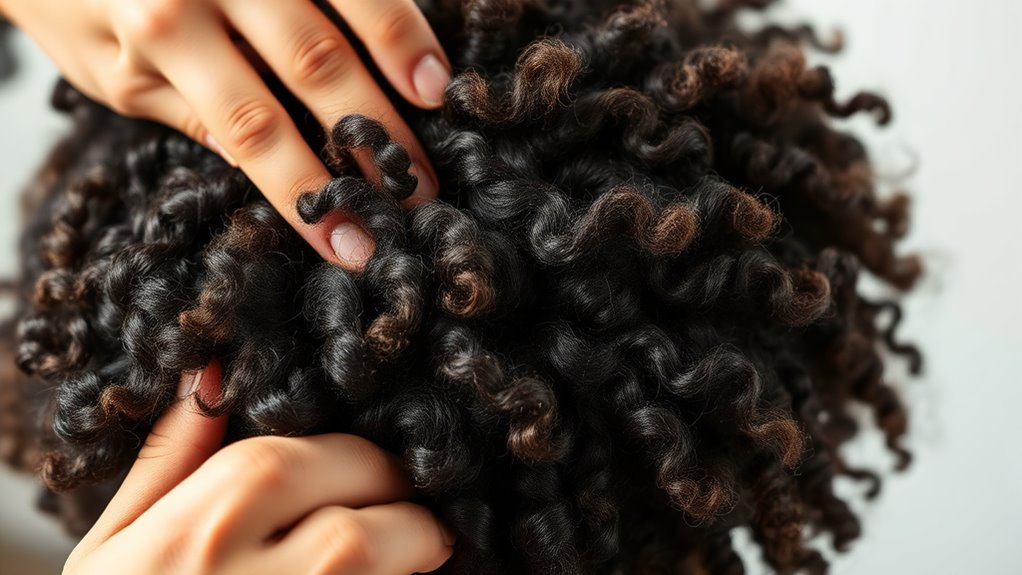
Because coarse hair has a thicker diameter and stronger bonds than finer hair, it reacts differently to relaxers. When you work with coarse hair, you need to understand its unique characteristics, like its dense texture and resilience. These traits mean not all relaxers are suitable for your hair type.
Relaxer compatibility is essential to avoid damage and achieve the smoothness you want. You’ll find that coarse hair often requires a relaxer formula with a stronger concentration or longer processing time compared to finer hair. However, you must be cautious; using overly harsh relaxers can lead to breakage or scalp irritation.
Always choose relaxers specifically designed with coarse hair in mind, as they balance strength and gentleness. Knowing these details helps you select products that respect your hair’s natural toughness while providing effective straightening results.
How Relaxers Change Coarse Hair Texture
When you apply a relaxer, it breaks down the protein bonds in your coarse hair, changing its natural structure. This process softens your hair’s texture, making it smoother and easier to manage.
But keep in mind, you’ll also notice changes in your hair’s strength and moisture levels. So, you’ll need to take extra care to keep it healthy and hydrated.
Chemical Impact on Hair
Although you might expect a simple smoothing process, relaxers actually alter your hair’s structure at a molecular level. They break the disulfide chemical bonds that hold your coarse hair’s natural curl pattern. By disrupting these bonds, the relaxer changes the hair structure from tightly coiled to straighter strands.
This chemical reaction weakens the hair’s natural form, allowing it to be reshaped. You should know this impact is permanent until new hair grows out, so applying a relaxer requires careful consideration.
Understanding how chemical bonds affect your hair structure helps you appreciate why relaxers need precise timing and proper application to avoid damage. This knowledge empowers you to choose a relaxer that suits your coarse hair while maintaining its health.
Texture Softening Process
Relaxers soften coarse hair by breaking down tight curls and transforming the texture into smoother, more manageable strands. This process reveals several texture benefits, making styling easier and reducing drying time.
To get the best results, you need to master proper application techniques, ensuring even coverage without over-processing.
| Step | Description | Key Tip |
|---|---|---|
| Preparation | Section hair for even application | Use clips to divide hair neatly |
| Application | Apply relaxer from roots to ends | Work quickly to avoid patchiness |
| Processing Time | Leave relaxer as directed | Follow timing precisely |
| Rinse & Neutralize | Wash out relaxer to stop processing | Use neutralizing shampoo |
Following these steps improves the texture benefits while protecting your hair’s integrity during the texture softening process.
Strength and Moisture Changes
Since coarse hair has a naturally dense structure, applying a relaxer changes its strength and moisture balance considerably. When you use a relaxer, you’re altering the hair’s natural bonds. This impacts how well it retains moisture and maintains strength. You might notice:
- Reduced moisture retention. Relaxed hair often needs extra hydration to avoid dryness.
- Shifted strength balance. The chemical process can temporarily weaken hair, making it more fragile.
- Increased manageability. Despite changes, your hair becomes easier to style and less prone to tangling.
To keep your hair healthy, focus on restoring moisture retention with deep conditioning. Also, maintain strength balance through protein treatments. Understanding these changes helps you care for your relaxed coarse hair confidently and effectively.
Choosing the Right Relaxer Type for Coarse Hair
You’ll want to pick the right relaxer type based on your hair’s texture and strength needs. It really helps to understand the different types and their strength levels so you can avoid damage and get the best results. Just make sure to pay close attention to the application guidelines—that way, you’ll keep your coarse hair healthy and smooth.
Types of Relaxers
Although choosing the right product might seem overwhelming, understanding the different types of relaxers can help you make an informed decision for your coarse hair. Relaxer types mainly fall into three categories, each designed to work differently with your hair’s texture and needs. Here’s what you should know:
- Lye relaxers use sodium hydroxide for fast, effective straightening but require careful application to avoid scalp irritation.
- No-lye relaxers use calcium hydroxide and guanidine carbonate, offering a gentler option that’s less likely to cause burns but may leave hair dry.
- Natural alternatives like botanical relaxers offer a less harsh approach, ideal if you prefer chemical-free options, though results can be subtler.
Knowing these will help you confidently pick the best fit for your coarse hair’s health and style goals.
Strength Levels Explained
Understanding the types of relaxers sets the foundation, but selecting the right strength level is what truly tailors the product to your coarse hair’s unique texture. Relaxer types generally come in mild, regular, and super strengths, each designed to handle different hair coarseness and curl patterns.
If your hair is extremely coarse or resistant, a stronger relaxer guarantees effective straightening without excessive reapplications. Conversely, mild or regular strengths suit less coarse hair to prevent damage.
Knowing your hair’s porosity and condition helps you pick the right strength. While relaxer types vary chemically, mastering the appropriate strength level guarantees safer, better results. Keep in mind, pairing the right strength with proper application techniques is key to maintaining your hair’s health and achieving the look you want.
Application Considerations
When selecting a relaxer for coarse hair, consider how your hair’s specific needs affect the application process. Proper application techniques and timing are essential to protect your strands and scalp.
To guarantee success, focus on these key points:
- Apply evenly: Use a comb or brush for consistent coverage, avoiding overlapping on previously relaxed areas to prevent damage.
- Monitor timing: Follow the recommended processing time closely. Coarse hair may need slightly longer, but never exceed limits to avoid breakage.
- Section hair properly: Dividing hair into manageable parts lets you control application, making sure every strand gets the right attention.
Key Ingredients That Protect Coarse Hair in Relaxers
Since coarse hair requires extra care during the relaxing process, choosing relaxers with protective ingredients can make a big difference in maintaining your hair’s health. Look for relaxers that include moisturizing agents like shea butter, aloe vera, or glycerin. These help with moisture retention and prevent dryness.
Ingredients such as hydrolyzed proteins are also beneficial because they strengthen your hair, reducing breakage during the chemical process. Avoid relaxers with harsh chemicals that strip your hair of natural oils, as this can lead to brittleness.
Instead, opt for formulas enriched with oils like jojoba or coconut oil. They provide a protective barrier and improve elasticity. These key ingredients work together to shield your coarse strands, keeping them hydrated and resilient.
How to Prep Coarse Hair Before Relaxing
Before you apply a relaxer, you’ll want to prep your coarse hair with some deep conditioning treatments. This helps to strengthen and moisturize your strands, making the process gentler. Also, double-check that your scalp is healthy and free of any irritation—that way, you can avoid any damage during the relaxing. Once that’s all set, take your time to detangle and section your hair carefully. This step is key for making sure the relaxer goes on evenly and works its magic.
Deep Conditioning Treatments
Deep conditioning treatments play an essential role in prepping coarse hair for relaxing by restoring moisture and strengthening each strand. Understanding deep conditioning benefits helps you protect your hair from the harsh chemicals in relaxers.
To maximize results, follow these steps:
- Choose a rich, protein-infused deep conditioner that suits your hair type and needs.
- Apply the treatment once a week or at least twice before your relaxing appointment to optimize treatment frequency.
- Use heat, like a warm towel or hooded dryer, to help the conditioner penetrate deeper for improved softness and manageability.
Scalp and Hair Health
Although relaxing coarse hair can transform its texture, maintaining a healthy scalp and hair is essential to avoid damage. Before you relax your hair, focus on scalp care by cleansing thoroughly to remove buildup and promote circulation. This helps your scalp stay healthy and ready for the chemical process.
Next, provide your hair with deep nourishment through moisturizing treatments or oils designed for coarse hair. Well-nourished hair withstands relaxing better and reduces breakage. Avoid applying relaxers on irritated or dry scalps since this can cause discomfort or damage.
Prioritize gentle care and hydration leading up to your relaxer appointment to protect your hair’s strength and elasticity. By prepping your scalp and hair properly, you set the stage for a successful, safe relaxing experience.
Detangling and Sectioning
Taking care of your scalp and hair sets a strong foundation for the next step: detangling and sectioning your coarse hair. Proper detangling techniques will help you avoid breakage and make the relaxing process smoother.
Start by gently working through knots with a wide-tooth comb or your fingers, always beginning at the ends and moving upward. For sectioning methods, dividing your hair into manageable parts guarantees even relaxer application. Here’s a simple approach to get you started:
- Divide your hair into four large sections for easy handling.
- Further split each section into smaller parts depending on your hair’s thickness.
- Clip each subsection securely to prevent tangling during application.
How to Safely Apply a Relaxer on Coarse Hair
When you apply a relaxer to coarse hair, you need to prepare your scalp and strands carefully to prevent damage. Start by ensuring your scalp is free from cuts or irritation, as scalp sensitivity can increase the risk of burns. Use a protective base, like petroleum jelly, around your hairline and ears to shield your skin.
Timing is essential. Follow the relaxer’s instructions precisely, as coarse hair often requires a longer processing time, but exceeding the recommended time can lead to breakage. Apply the relaxer evenly, working quickly through each section to avoid over-processing any part.
Begin at the most resistant areas, typically the back, and finish with the front. Rinse thoroughly with cool water once the application time is up to stop the chemical process. By respecting your scalp’s sensitivity and carefully controlling application timing, you’ll maintain healthy hair while achieving smooth, relaxed strands.
Common Relaxer Mistakes to Avoid on Coarse Hair
If you want to keep your coarse hair healthy and strong, you need to avoid common relaxer mistakes that can cause damage. Many relaxer myths can mislead you, so it’s essential to know the facts. One big error is ignoring the proper application timing. Leaving a relaxer on too long or reapplying too soon can cause breakage and scalp burns.
To protect your hair, steer clear of these mistakes:
- Overprocessing: Leaving the relaxer on beyond the recommended time weakens your hair.
- Ignoring scalp condition: Applying relaxer on irritated or damaged skin leads to burns.
- Skipping strand tests: Not testing beforehand risks unexpected results and damage.
Understanding these pitfalls helps you relax your coarse hair safely and confidently. Don’t fall for relaxer myths or rush the process. Timing and care are your best allies for smooth, healthy hair.
How to Maintain Relaxed Coarse Hair for Long-Lasting Results
Maintaining relaxed coarse hair requires consistent care to keep it strong, smooth, and healthy over time. After your relaxer treatment, establish reliable hair care routines that focus on moisture and protein balance. Use gentle shampoos and deep conditioners designed for chemically treated hair to restore hydration without stripping essential oils.
Incorporate leave-in conditioners and natural oils like argan or coconut oil to lock in moisture and reduce breakage. For effective post relaxer maintenance, avoid excessive heat styling and limit washes to prevent dryness. Always detangle your hair carefully with a wide-tooth comb to minimize damage.
Regular trims will help you get rid of split ends and maintain your hair’s overall health. Finally, protect your hair at night with a satin or silk scarf or pillowcase to reduce friction. By sticking to these steps in your hair care routines, you’ll enjoy long-lasting, smooth results from your relaxer while keeping coarse hair resilient and vibrant.
Signs Your Coarse Hair Needs a Different Relaxer
How do you know it’s time to switch to a different relaxer for your coarse hair? Paying attention to your hair texture and how your current relaxer types affect it is key. Here are three signs that your coarse hair might need a change:
- Increased Breakage or Dryness: If your hair feels brittle or breaks easily, your current relaxer might be too harsh or not suited for your hair texture.
- Uneven Straightening: When your hair isn’t uniformly relaxed and some areas remain curlier or frizzier, it’s a clear sign your relaxer type isn’t working well for your coarse strands.
- Scalp Irritation or Discomfort: Persistent itching, burning, or redness can mean your scalp is reacting poorly to your current relaxer formula.
If you notice any of these, it’s time to reassess your relaxer choice. Choosing the right relaxer type tailored to your hair texture will protect your hair’s health and improve your styling results.
Best Products for Healthy, Shiny Relaxed Coarse Hair
Finding the right products can transform your coarse, relaxed hair into a vibrant, shiny mane. Focus on deep conditioners and leave-in treatments rich in natural oils like argan or jojoba to lock in moisture. These hydration techniques help prevent dryness and breakage, keeping your hair smooth and manageable.
Use sulfate-free shampoos to gently cleanse without stripping essential oils. Incorporate protein treatments weekly to strengthen strands and maintain elasticity.
For styling, lightweight creams and serums work best to avoid buildup while enhancing shine. Don’t forget heat protectants if you use hot tools; this simple styling tip prevents damage and preserves your hair’s health.
Finally, invest in a wide-tooth comb or detangling brush to minimize breakage during styling. By choosing products tailored to your relaxed coarse hair’s needs, you’ll maintain moisture, reduce frizz, and enjoy a glossy, healthy look every day.
Frequently Asked Questions
Can Relaxers Be Used on Color-Treated Coarse Hair?
Yes, you can use relaxers on color-treated coarse hair, but you need to be cautious about color treatment compatibility. To prevent damage, test a small strand first and choose a relaxer specifically formulated for chemically treated hair.
Use gentle relaxer application techniques, applying the product carefully to avoid overlapping processed areas. Always follow up with deep conditioning to maintain hair health and vibrancy after relaxing your color-treated coarse hair.
How Often Should I Relax My Coarse Hair?
You should relax your coarse hair every 8 to 12 weeks to avoid overprocessing. Before applying the relaxer, focus on thorough relaxer preparation. Deep condition and protect your scalp.
After relaxing, follow a solid post-relaxer care routine, including moisturizing and protein treatments to keep your hair healthy and strong. Sticking to this schedule and care plan helps maintain your hair’s integrity and prevents breakage.
Are There Natural Alternatives to Chemical Relaxers?
Oh sure, just rub some magical natural remedies on your hair and *poof* it’ll straighten itself overnight. In reality, herbal treatments like aloe vera, coconut milk, or chamomile can soften coarse hair but won’t deliver the same sleek results as chemical relaxers.
They’re great if you want healthier strands and a gentle touch, but don’t expect a dramatic straightening effect. You’ll trade immediacy for gentler, nourishing care instead.
Can Relaxers Cause Hair Loss on Coarse Hair?
Yes, relaxers can cause hair loss on coarse hair if you’re not careful. The relaxer ingredients, like sodium hydroxide or calcium hydroxide, can weaken your hair and scalp when left on too long or used improperly.
To protect your hair health, always follow instructions, do strand tests, and avoid overlapping applications. Keeping your scalp moisturized and giving your hair breaks between treatments also helps prevent damage and hair loss.
What Should I Do if My Scalp Burns During Relaxing?
If your scalp burns during relaxing, don’t wait like it’s the Stone Age. Rinse your hair immediately with cool water to ease scalp sensitivity. Avoid scratching or using harsh products afterward.
You can apply soothing techniques like aloe vera gel or coconut oil to calm the irritation. If the burning persists or worsens, stop using the relaxer altogether and consult a dermatologist to prevent damage and guarantee your scalp heals safely.
Conclusion
Relaxing coarse hair is like tending a strong oak. You need patience, the right tools, and care to let it thrive. By choosing the right relaxer, prepping properly, and avoiding common mistakes, you’ll protect your hair’s strength and shine.
Keep up with maintenance and listen to your hair’s signals to guarantee lasting beauty. With confidence and care, your coarse hair will stay healthy, vibrant, and ready to make a statement every day. Choosing the right relaxer for coarse hair ensures your hair looks and feels its best.