Natural Looking Synthetic Wigs Guide: What to Know Before You Buy
Finding a natural-looking synthetic wig that feels comfortable and looks realistic can be really frustrating. You’re not alone—many people struggle to find the right balance between style, fit, and quality.
Whether you’re new to wigs or looking to upgrade, knowing what to look for can make all the difference.
When choosing a natural-looking synthetic wig, focus on fibers that mimic real hair texture and avoid overly shiny options. Pick a lightweight, breathable cap with adjustable features for a secure, comfortable fit.
Opt for styles with layered cuts and root shading to improve realism.
Measure your head accurately for the best fit, and care for your wig gently with sulfate-free shampoo and proper storage.
Keep an eye on wear signs to know when to replace it. You’ll find plenty more tips to make your wig look flawless.
Key Takeaways
- Choose heat-resistant, soft synthetic fibers with natural textures like wavy or layered styles. This gives you a realistic look and makes styling more versatile.
- Select lightweight, breathable wig caps with adjustable straps. They provide a secure, comfortable fit that helps reduce heat and discomfort.
- Accurately measure your head and pick cap constructions like lace front or monofilament. These options offer a natural scalp appearance and a personalized fit.
- Maintain wigs by washing gently with sulfate-free shampoo and air drying on stands. Use wide-tooth combs to prevent damage and tangling.
- Replace synthetic wigs every 4-6 months or when you notice signs like frizzing, tangling, shedding, or loss of shape.
How to Choose the Right Synthetic Wig Fiber
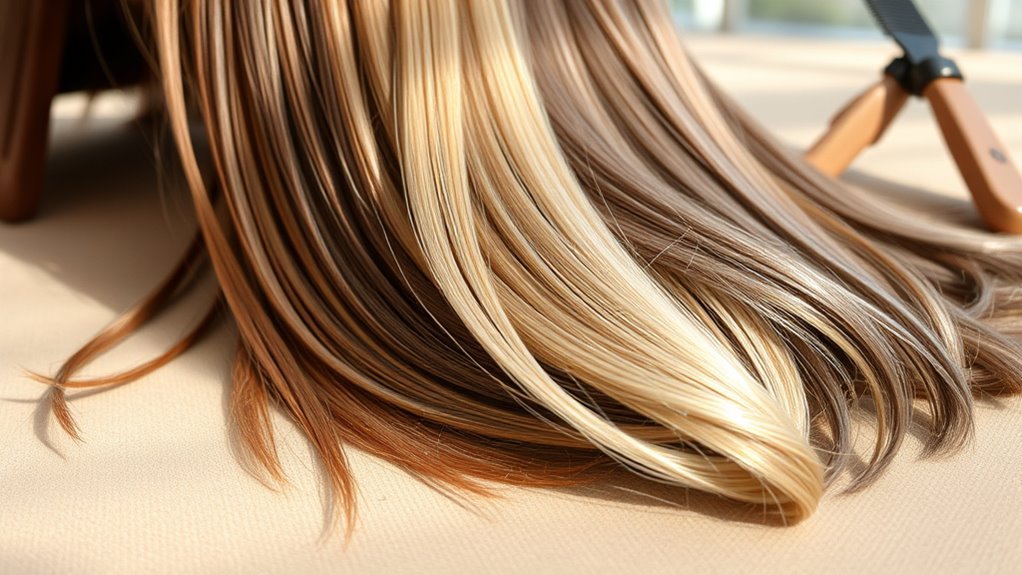
When choosing the right synthetic wig fiber, you’ll want to evaluate factors like texture, shine, and durability to match your natural hair and lifestyle. Synthetic wigs come in various fiber types, each offering distinct benefits.
For example, heat-resistant fibers allow styling with low heat, giving you more versatility. Meanwhile, standard fibers often maintain their style longer but can look shinier and less natural.
Texture options also play a significant role in achieving a natural look. You can select from straight, wavy, curly, or coiled textures that closely resemble your hair’s natural pattern.
Pay attention to how the fiber feels too; softer fibers tend to mimic real hair better, enhancing comfort and appearance.
How to Find a Comfortable Wig Cap That Feels Natural
Although choosing the right wig fiber is essential, finding a comfortable wig cap that feels natural is just as important for all-day wear. When shopping, focus on wig materials designed for comfort and scalp breathability.
Look for caps made with lightweight, soft fabrics like lace or mesh, which allow air to circulate and prevent sweating or itching. Adjustable straps and elastic bands help secure the wig without tightness, reducing pressure on your head.
You should also consider caps with open wefts or ventilation holes to improve airflow. Avoid heavy or synthetic linings that trap heat and cause discomfort.
Trying on different cap styles, such as monofilament or hand-tied caps, can reveal which feels most natural against your scalp. By prioritizing breathable materials and a secure fit, you’ll guarantee your wig feels light, comfortable, and natural all day long.
Best Synthetic Wig Styles That Look Natural
Anyone looking to wear a synthetic wig naturally should focus on styles that mimic real hair movement and texture. Wavy textures are a fantastic choice because they add dimension and bounce, making the wig appear less artificial. When you pick a style with soft waves, you avoid the stiff, overly uniform look common in some synthetic wigs.
Root shading also plays a vital role in achieving a natural appearance. It creates depth by blending slightly darker roots with lighter strands, replicating how real hair grows and changes color. Look for wigs featuring subtle root shading to add realism and reduce the “wiggy” vibe.
Moreover, layered cuts with gentle face-framing pieces can improve the natural look, blending seamlessly with your features. Avoid overly blunt or uniform styles, as they tend to highlight the synthetic fibers. By choosing wavy textures and root shading, you’ll enjoy a synthetic wig that looks effortlessly natural every day.
How to Choose the Right Wig Size and Fit
To find the perfect wig, start by measuring your head accurately—this will help make sure it fits comfortably. It’s really helpful to understand the different cap constructions too, so you can pick a style that suits your needs perfectly. And don’t forget to look for adjustable features; they let you customize the wig to match your unique shape.
Measuring Your Head
Choosing the right wig size starts with accurately measuring your head. Understanding head size differences helps you find a comfortable, natural fit. Use these wig measuring techniques to get it right:
- Wrap a soft tape measure around your head, starting at your hairline, above your ears, and around the nape.
- Note the measurement in inches or centimeters.
- Measure the circumference twice to guarantee accuracy.
- Compare your measurement with the wig size chart to select the best fit.
Cap Construction Types
Three common cap construction types, basic cap, lace front, and monofilament, offer different levels of comfort, breathability, and natural appearance. When choosing the right wig, you’ll want to consider how each cap material affects fit and look.
Basic caps use simpler materials and are often more affordable but may lack breathability. Lace fronts provide a natural hairline with sheer lace, giving a realistic edge. Monofilament caps mimic natural scalp appearance by using a fine mesh that allows hair to be parted anywhere.
Be certain you select the correct cap size based on your measurements to avoid discomfort or slipping. Understanding cap materials and cap sizes guarantees your synthetic wig fits well and looks natural from every angle.
Adjustable Features Explained
When you want a wig that feels secure and comfortable all day, adjustable features play an essential role. These elements help you customize the fit, preventing slipping or tightness. Here’s what to take into account:
- Adjustable straps: Most wigs include these at the back, letting you tighten or loosen the fit to match your head size perfectly.
- Ear tabs: These small flaps on the sides help stabilize the wig around your ears, adding extra security and comfort.
- Cap size: Choose a cap size that aligns with your head circumference; adjustable features improve this fit but won’t compensate for a wrong size.
- Stretchable materials: Some wigs use flexible fabrics in the cap to accommodate slight size variations comfortably.
Use these features to find a snug, natural fit that stays put all day.
How to Find the Perfect Wig Color for Your Skin Tone
Wondering how to pick a wig color that truly complements your skin tone? Start by understanding color matching fundamentals. Identify whether your skin has warm, cool, or neutral undertones. Warm tones pair well with golden, honey, or caramel shades, while cool undertones shine with ash, platinum, or burgundy hues. Neutral undertones offer flexibility, letting you experiment with various colors.
Next, consider seasonal trends to keep your look fresh. For spring and summer, lighter shades like soft blondes or warm browns work beautifully. In fall and winter, richer colors such as deep chestnut or auburn can warm up your appearance.
Don’t hesitate to test wig colors in natural light to see how they harmonize with your complexion. Remember, the right wig color improves your natural beauty, giving you confidence and a polished look every time you wear it. With these tips, you’ll find a perfect match that feels just right.
Key Features That Make Synthetic Wigs Look Natural
Although synthetic wigs have come a long way, certain key features determine how natural they look on you. When choosing a synthetic wig, pay close attention to the following:
- Texture Variations: Natural hair isn’t uniform. Look for wigs with a mix of textures to mimic real hair’s depth and movement.
- Layering Techniques: Well-executed layers add dimension and prevent your wig from appearing flat or artificial.
- Hairline Design: A lace front or hand-tied hairline creates a realistic scalp appearance, making your wig blend seamlessly.
- Cap Construction: Breathable, adjustable caps guarantee the wig fits snugly and sits naturally without shifting.
How to Care for Synthetic Wigs to Keep Them Realistic
Choosing a synthetic wig with natural features is just the start; maintaining its realistic look takes proper care. To keep your wig looking fresh, follow essential wig maintenance tips.
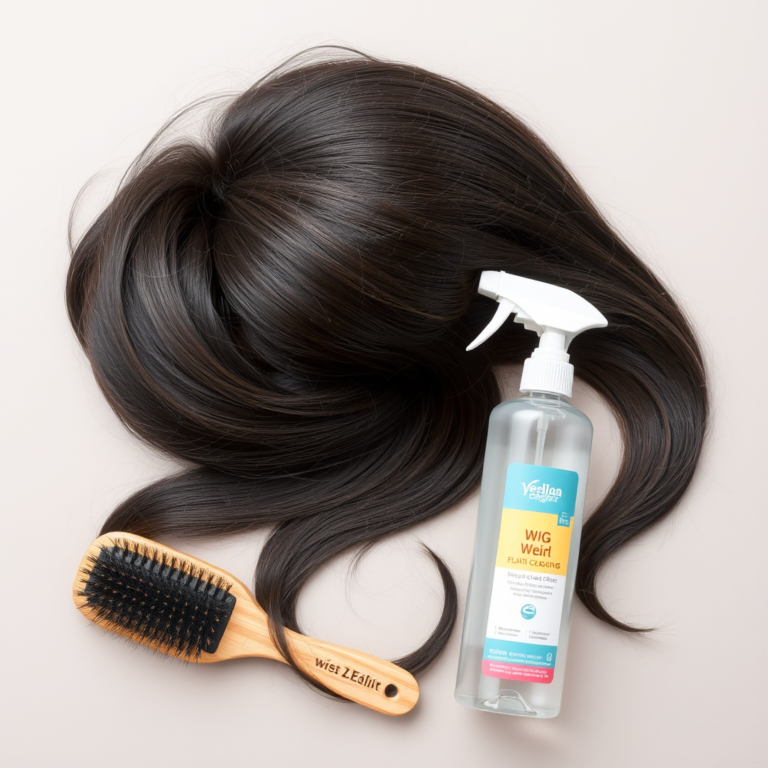
Always store your wig on a stand to preserve its shape and prevent tangling. When cleaning, use cool water and a shampoo designed specifically for synthetic fiber care. Hot water can damage the fibers and ruin the style.
Avoid rubbing or wringing; instead, gently swish the wig and rinse thoroughly. Let it air dry on a wig stand and never use heat tools unless the wig is heat-resistant.
Brush your wig with a wide-tooth comb or a wig brush to avoid pulling on fibers. Limit exposure to sunlight and harsh chemicals, which can fade color and weaken fibers.
Tips for Styling Synthetic Wigs Without Damage
When styling synthetic wigs, you need to handle them with care to prevent damage and keep their natural look. Unlike human hair, synthetic fibers can melt or frizz if exposed to high heat.
To keep your wig looking fresh, follow these essential styling techniques:
Maintain your wig’s fresh look by following these essential styling techniques.
- Use only heat tools labeled “safe for synthetic wigs” and keep temperatures low to avoid fiber damage.
- Opt for gentle styling methods like finger combing or using a wide-tooth comb to prevent tangling and shedding.
- Avoid excessive brushing; instead, detangle your wig starting from the ends and working upward to minimize breakage.
- Store your wig on a stand when not in use to maintain its shape and prevent unnecessary friction.
How Long Do Synthetic Wigs Last? When to Replace Them
You can expect a synthetic wig to last anywhere from 4 to 6 months if you wear it regularly and take good care of it. Keep an eye out for signs like frizzing, tangling, or when it starts to lose its shape. That’s usually a good indication it’s time to replace it. Paying attention to these little clues will help you keep your wig looking fresh and natural.
Synthetic Wig Lifespan
Although synthetic wigs offer a convenient and affordable way to change your look, their lifespan is shorter than that of natural hair wigs. Synthetic longevity depends largely on how you care for your wig. To maximize its life, follow these maintenance tips:
- Limit Heat Exposure Avoid styling tools that can melt synthetic fibers.
- Gentle Washing Use sulfate-free shampoo and cool water to prevent damage.
- Proper Storage Store your wig on a stand to maintain its shape and avoid tangling.
- Regular Detangling Use a wide-tooth comb to keep fibers smooth without pulling.
Signs To Replace
Caring for your synthetic wig properly can extend its lifespan, but every wig will eventually show signs of wear. From wig wearers’ experiences, you’ll know it’s time to replace your wig when it loses its shape, tangles excessively, or the fibers become dull.
Regular use shortens its life, so watch for these signs of wear to keep your look fresh.
| Signs of Wear | What to Look For | When to Replace |
|---|---|---|
| Tangling | Fibers knot uncontrollably | After repeated detangling |
| Fading | Color looks dull | When original tone lost |
| Loss of Shape | Wig no longer fits well | After multiple wears |
| Shedding | Excessive fiber loss | When volume considerably drops |
Where to Buy Natural-Looking Synthetic Wigs
Finding natural-looking synthetic wigs has never been easier thanks to a growing number of specialized retailers and online stores. When searching for the perfect wig, you’ll want to examine a variety of options to guarantee quality and style. Here’s where you can start:
- Online retailers offer vast selections, detailed product descriptions, and customer reviews to help you make an informed choice. Plus, you can shop anytime from home.
- Local boutiques let you try on wigs, feel the texture, and get expert advice tailored to your needs.
- Beauty supply stores often stock popular synthetic wigs and provide quick access without waiting for shipping.
- Specialty wig shops focus solely on wigs and often carry high-quality, natural-looking synthetic options with customization services.
Frequently Asked Questions
Can Synthetic Wigs Cause Allergic Reactions?
Yes, synthetic wigs can cause allergic reactions if you’re sensitive to certain wig materials. Some people experience allergy symptoms like itching, redness, or irritation on the scalp.
If you notice any discomfort, stop wearing the wig and check the materials used. Opt for hypoallergenic or breathable options to reduce the risk.
Always test a small area first, so you don’t end up with an unexpected reaction from the wig materials.
Are Synthetic Wigs Suitable for Everyday Wear?
Yes, synthetic wigs are suitable for everyday wear if you prioritize daily comfort and follow proper maintenance tips. You’ll want to choose a wig with breathable cap construction to prevent irritation.
Regularly detangle with a wide-tooth comb and avoid heat styling unless the wig is heat-resistant. Washing it gently with wig shampoo keeps it fresh. By doing this, you’ll enjoy a comfortable, low-maintenance look every day.
How Do Synthetic Wigs Respond to Humidity and Weather?
Think of synthetic wigs like delicate flowers. Humidity and weather can make them frizz or lose shape quickly. You’ll want to follow specific hair care and styling tips to keep your wig looking fresh.
Avoid heavy rain and strong winds when possible, and use wig-friendly products to tame frizz. Keeping your wig dry and storing it properly will help maintain its style. That way, you always look flawless no matter the weather.
Can Synthetic Wigs Be Dyed or Chemically Treated?
You can’t dye or chemically treat synthetic wigs because their fibers don’t absorb color like natural hair. Trying to do so could ruin the wig’s texture and appearance.
Instead, focus on wig maintenance tips like gentle washing and proper storage to keep it looking fresh. If you want a new color, look for synthetic wigs already dyed or investigate safe dyeing techniques designed specifically for synthetic fibers.
What Are the Environmental Impacts of Synthetic Wigs?
You should know that synthetic wigs raise sustainability concerns due to their production processes, which often rely on non-renewable petroleum-based materials. These materials aren’t biodegradable, so they end up contributing to landfill waste when disposed of.
Plus, manufacturing synthetic fibers can release harmful chemicals and use significant energy. If you care about the environment, consider these impacts before buying.
Look for brands focusing on eco-friendly practices or recyclable wig options to reduce your footprint.
Conclusion
Choosing a synthetic wig that looks natural might seem tricky, but it’s easier than you think when you know what to look for. While synthetic fibers don’t last as long as real hair, they offer unbeatable convenience and style variety.
By picking the right fiber, cap, size, and color—and caring for it properly—you’ll enjoy a comfortable, realistic look every day. Don’t settle for less when a flawless wig is within your reach and natural looking synthetic wigs can make all the difference!