How to Take Out Knotless Braids Safely and Efficiently
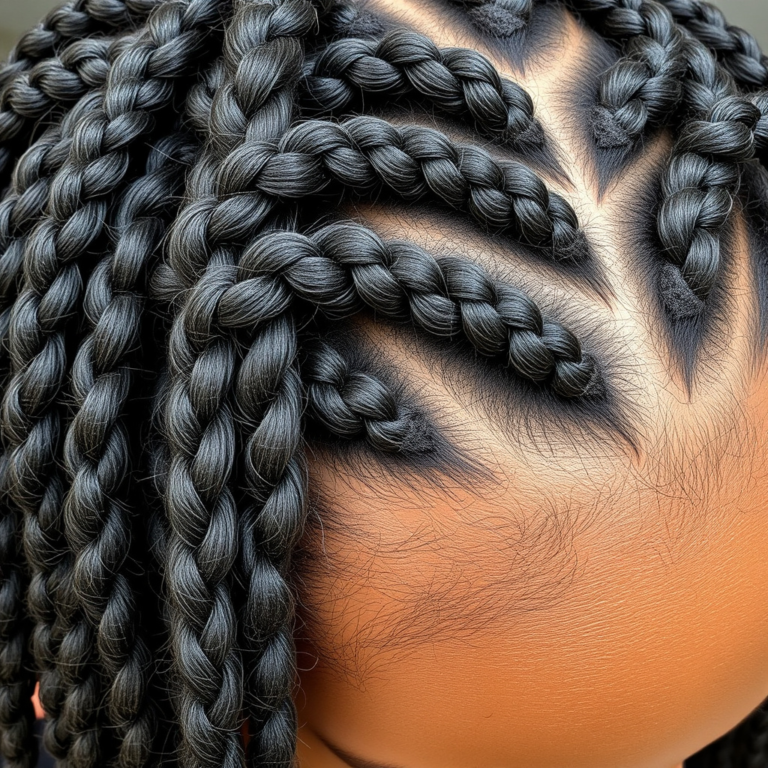
To take out knotless braids, start by carefully unbraiding each section from the end toward the root, avoiding pulling or tugging on your natural hair. Use a detangling spray or oil to help loosen the braids and minimize breakage. Patience and gentle handling are key to preserving hair health during removal.
Knotless braids are designed to be lighter and less tension-heavy than traditional braids, but if removed forcefully, they can still cause hair damage or breakage. Proper removal preserves hair length and scalp health while reducing tangling or matting, which can often occur after extended braiding.
This article covers the tools you need, step-by-step removal instructions, tips for detangling, recommended post-removal hair care, and answers to common concerns. Whether you're removing your braids for a new style or just giving your hair a break, following these guidelines will help keep your hair strong and healthy.
Preparing to Remove Knotless Braids
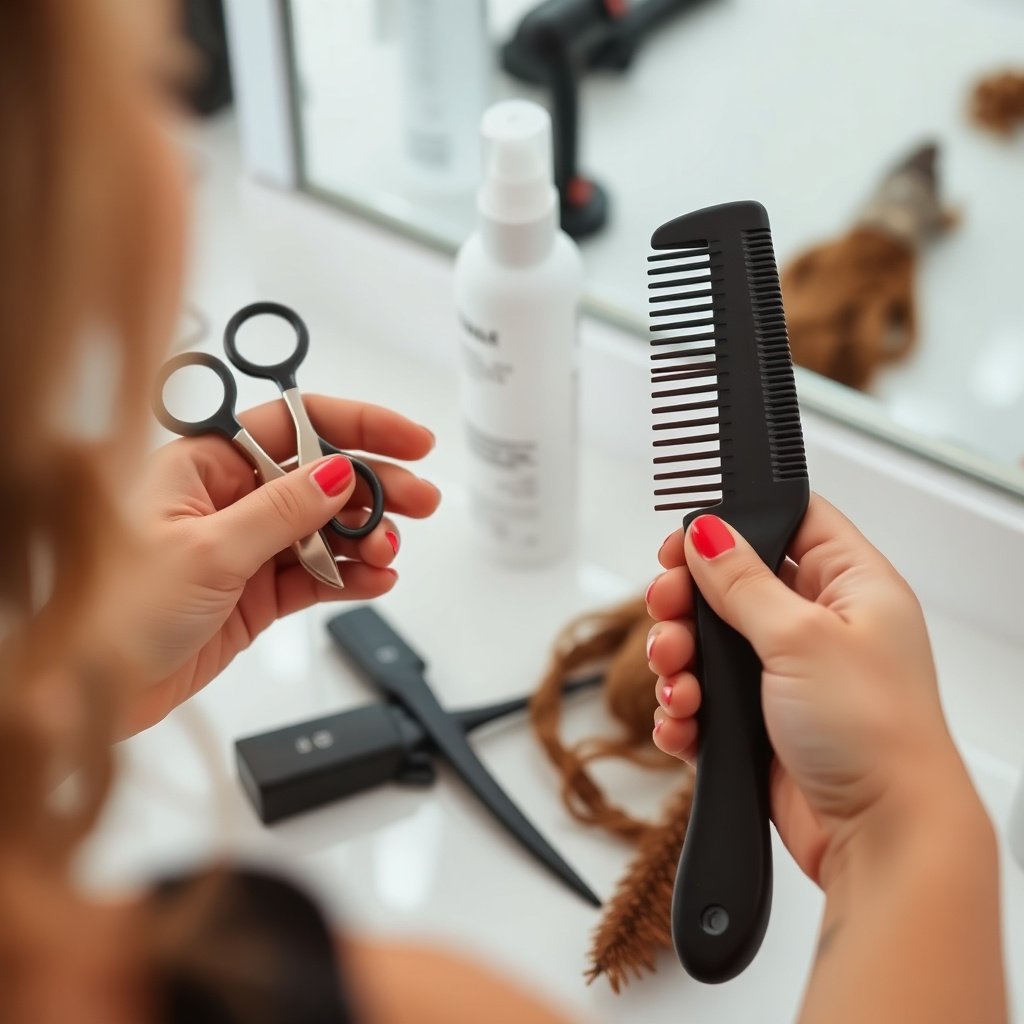
Essential Tools and Products
Gathering the right tools before you start makes removing knotless braids smoother and safer. Essential items include small hair scissors to cut any extension hair if necessary, a wide-tooth comb for detangling, detangling spray or a moisturizing oil, and hair clips to section off hair.
Detangling spray or oils like coconut or jojoba help loosen the braids and reduce friction on your natural hair strands during removal. Avoid harsh chemicals or products that could dry out your hair further after braiding.
- Small scissors
- Wide-tooth comb
- Detangling spray or lightweight oil
- Hair clips for sectioning
Setting Up a Comfortable Workspace
Choose a comfortable spot with good lighting where you can sit for an extended period. Knotless braids can take hours to remove fully, so having a calm, distraction-free environment is beneficial.
Keep a mirror nearby so you can closely see the ends of the braids, and consider having towels on hand to catch shed hair. Staying patient and organized reduces stress and speeds up the process.
Step-by-Step Process for Taking Out Knotless Braids

Loosening and Unbraiding Each Braid
Begin at the ends of each braid and slowly unravel the extensions strand by strand. Using fingers instead of scissors minimizes accidental cutting of natural hair.
Apply detangling spray or oil as needed to soften the braid and ease unwrapping. Work gently to avoid yanking the hair or causing tension at the scalp.
- Start from braid ends
- Use fingers to untwist
- Apply detangling spray as needed
- Avoid pulling too hard
For more on this, see our related guide: How Much Braiding Hair for Knotless Braids? The Complete Answer.
Managing Braids with Tied Ends or Knots
Some knotless braids have small knots or tied ends that secure the braid. Carefully spot these and use small scissors to cut only the extension hair beyond the knot when untangling becomes difficult.
Be cautious not to cut too close to your scalp or natural hair. After cutting, gently unravel the remaining braid using your fingers and comb.
- Identify tied knots
- Cut extension hair only at knots
- Unravel carefully after cutting
Detangling and Caring for Your Hair Post-Removal
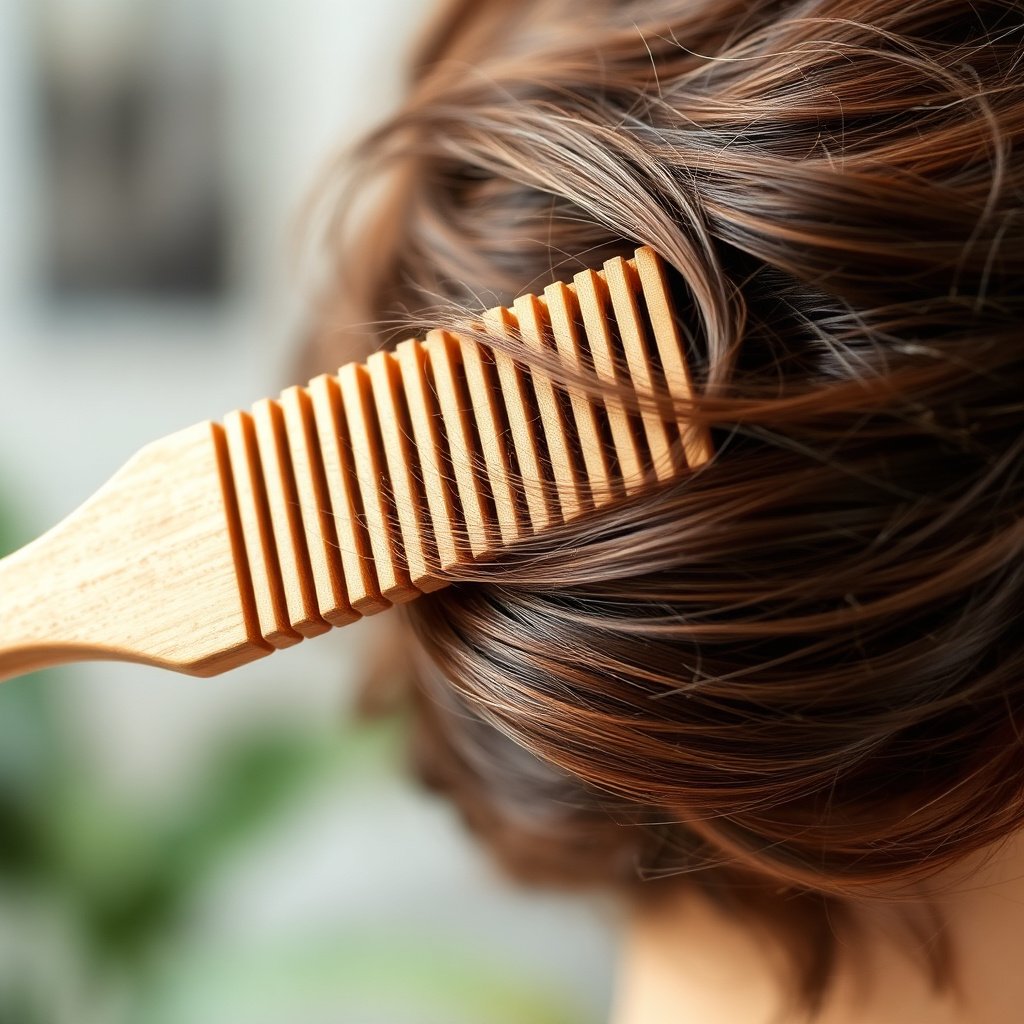
Removing Residual Tangling and Knots
After all braids are removed, your hair will likely have tangles or mats from the braiding process. Use a wide-tooth comb starting from the ends and working upward in sections to gently detangle.
Applying a leave-in conditioner or detangling spray during this phase softens hair and reduces breakage during combing.
Moisturizing and Nourishing Treated Hair
Post-removal hair care focuses on restoring moisture and strengthening strands. Use deep conditioning treatments, natural oils like argan or castor oil, and gentle shampoos formulated for braided or chemically treated hair.
Avoid heavy manipulation or heat styling immediately after removal to let your hair recover fully.
- Deep conditioning masks
- Natural nourishing oils
- Gentle sulfate-free shampoos
- Avoid heat styling
Common Challenges and How to Avoid Hair Damage

Preventing Breakage and Excessive Shedding
Many experience breakage or excessive shedding when removing knotless braids due to tugging or dryness. Taking time to moisturize and untangle patiently helps minimize strand loss.
If hair feels brittle or extremely tangled, try applying warm oil overnight before continuing removal to soften hair fibers.
For more on this, see our related guide: How Long Do Knotless Braids Last? the Complete Answer.
Identifying When to Seek Professional Help
If you encounter severely matted sections or scalp sensitivity, consider consulting a haircare professional to avoid accidents that could harm your hair or scalp.
Professionals can offer gentle, expert removal techniques and recommend tailored hair repair treatments.
Long-Term Hair Health After Knotless Braids

Maintaining Scalp Health Between Protective Styles
Regular scalp cleansing, moisturizing, and light massages help maintain circulation and prevent dryness or buildup after braids come out.
Incorporate scalp care routines to prepare your hair for the next protective style, reducing risk of irritation.
- Scalp massages
- Cleanse with mild shampoo
- Use scalp moisturizers
For more detailed information on various protective hairstyles, you can visit this comprehensive overview. Protective hairstyles information.
Planning Protective Styles with Hair Growth in Mind
Knotless braids are popular protective styles that help retain hair growth when applied and removed properly. Rotate styles to prevent tension and give hair time to rest.
Using protective styles thoughtfully supports hair strength, avoids breakage, and promotes healthier hair over time.
- Rotate styles frequently
- Limit installation time
- Avoid excessive tension
Comparison of Braided Hairstyle Removal Methods
This table compares common techniques for removing different braided hairstyles to highlight their benefits and drawbacks.
| Braided Hairstyle | Ease of Removal | Time Required | Risk of Hair Damage | Recommended Post-Care |
|---|---|---|---|---|
| Knotless Braids | Moderate | 2-5 hours | Low to Moderate | Deep conditioning and detangling |
| Traditional Box Braids | Moderate | 3-6 hours | Moderate | Moisturizing treatments and gentle combing |
| Cornrows | Easy | 30 minutes to 1 hour | Low | Regular scalp cleansing and moisturizing |
| Senegalese Twists | Moderate | 2-4 hours | Moderate | Oiling and detangling |
| Micro Braids | Difficult | 5-8 hours | High | Protein treatments and gentle care |
Frequently Asked Questions
How long does it usually take to remove knotless braids?
Removing knotless braids generally takes between two to five hours depending on hair length, thickness, and how many braids you have.
Can I wash my hair with knotless braids before removal?
Yes, washing your hair a day or two before removal is recommended to keep your scalp clean and hair manageable during detangling.
Is it okay to cut my braids off if I'm in a hurry?
Cutting braids can damage your natural hair if done carelessly. It’s better to carefully unbraid unless absolutely necessary, and then only cut the extension hair carefully.
What should I do if my hair feels very tangled after braid removal?
Apply a leave-in conditioner or detangling spray and use a wide-tooth comb to gently work through tangles, starting from the ends moving upwards.
How often should I take breaks between wearing knotless braids?
Hair experts suggest taking breaks of at least two weeks between protective styles like knotless braids to allow your scalp and hair to recover.
Key Takeaways
- Remove knotless braids gently from ends to roots to reduce breakage.
- Use detangling sprays and oils to loosen braids before unbraiding.
- Deep condition and detangle carefully after removal to restore hair health.
- Avoid cutting natural hair during removal unless necessary and done carefully.
Conclusion
Taking out knotless braids requires patience and careful technique to protect your natural hair from damage. Starting at the braid ends and working cautiously upward while using detangling products allows a safe, gentle removal process. Preparing your workspace and selecting the proper tools also make the experience more manageable and less stressful.
Specifically, if you are looking for the least damaging braid style to remove, knotless braids are a solid choice due to their lighter tension compared to traditional box braids or micro braids. Applying natural oils, using wide-tooth combs, and following a thorough post-removal moisturizing routine will ensure your hair stays strong and healthy. If you notice severe tangling or scalp irritation, professional assistance may be the safest path.
After your braids are out, focus on moisturizing and nourishing your hair with deep conditioning treatments and gentle care. Planning regular breaks between protective styles gives your hair a chance to recover. Ultimately, maintaining this careful approach to removing knotless braids helps you enjoy stylish protective hairstyles while keeping your hair resilient and thriving.