How to Start Locs: A Complete Guide to Beginning Your Loc Journey
Starting locs involves preparing your hair, choosing a suitable method, and maintaining your new style consistently. It’s about creating individual sections of hair that naturally coil and grow into locs over time. Whether your hair is natural, relaxed, or textured, starting locs requires patience and a clear understanding of your hair type and goals.
Many embrace locs not only as a hairstyle but also as an expression of identity and cultural pride. Knowing how to start locs sets the foundation for healthy, long-lasting locs that reflect your personal style. Improper technique or care early on can lead to issues like weak roots or uneven locs, which is why the beginning stage is so important.
This article covers the primary methods to start locs, preparation steps, essential maintenance routines, and styling tips. It will also provide comparisons between popular loc starting techniques, helping you decide the best approach for your hair texture and lifestyle.
Preparing Your Hair to Start Locs
Hair Health and Cleanliness
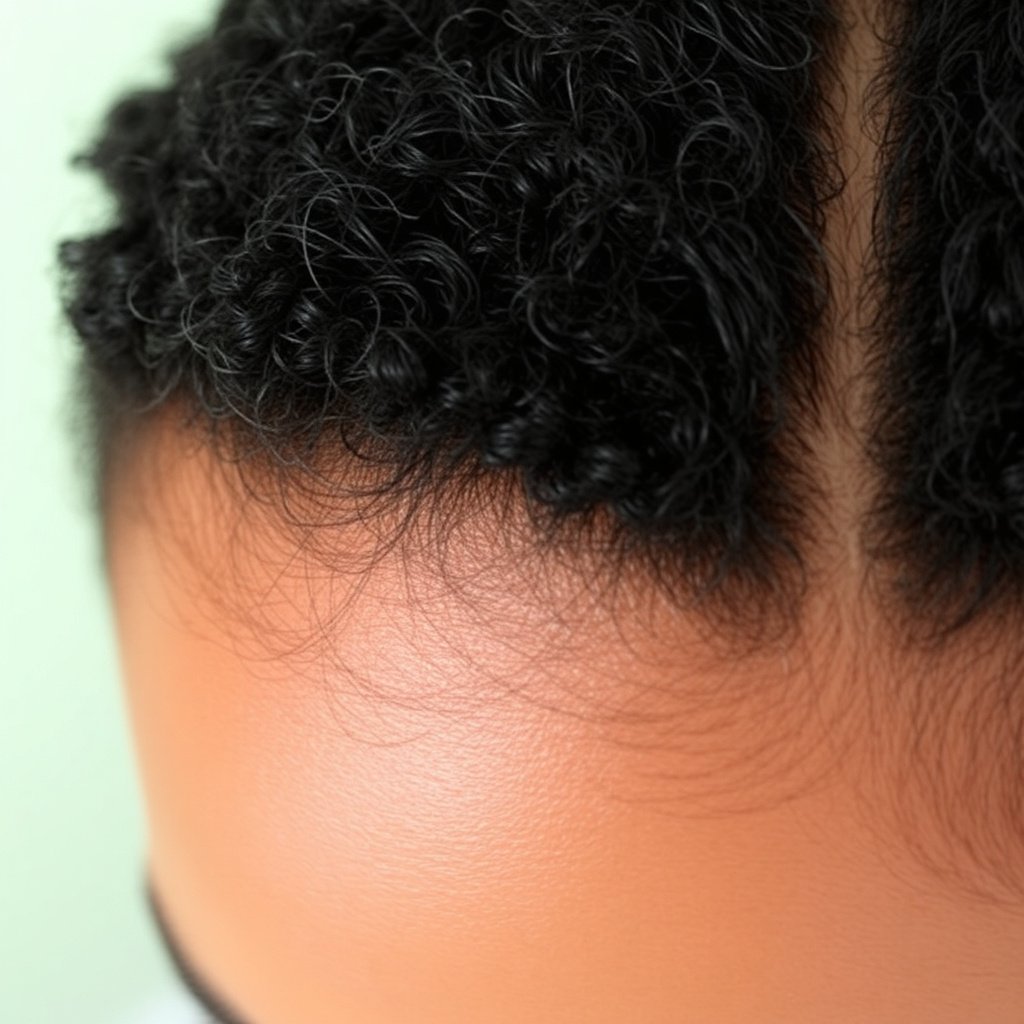
Healthy hair forms the strongest foundation for starting locs. Begin by thoroughly washing with a residue-free shampoo to remove oils or buildup, which can impede loc formation. Deep conditioning and moisturizing help keep hair flexible and less prone to breakage during the locking process.
Avoid heavy oils or creams before starting as they can cause buildup in the locs. Instead, use light, water-based moisturizers. Scalp health is equally important: keep the scalp clean and itch-free to support healthy loc growth.
- Use residue-free shampoo
- Avoid heavy conditioners before starting
- Moisturize with light water-based products
- Maintain scalp cleanliness
Sectioning and Parting Techniques
Locs start as neatly sectioned hair pieces that will coil and lock over time. Choosing larger sections leads to chunkier locs, while smaller sections create finer locs. Precise, even partings ensure uniform loc size and a clean look.
Use a rattail comb for sharp partings and clips to hold sections apart during the process. The way you part your hair—square, diamond, or triangular shapes—can influence the final appearance and ease of maintenance.
- Decide on your desired loc size
- Use a rattail comb for precise parts
- Experiment with parting shapes
- Secure sections with clips
Methods to Start Locs

Twist and Rip Method
This technique involves dividing the hair into sections, twisting each section, and then carefully pulling it apart to create a textured, knotted start. It’s popular because it yields clean, uniform locs without chemicals or heat.
It works well on medium to coarse hair textures and speeds up locking by introducing texture immediately, which helps strands cling together as they grow.
- Good for medium/coarse hair
- No chemicals or heat
- Creates immediate texture
Interlocking Method
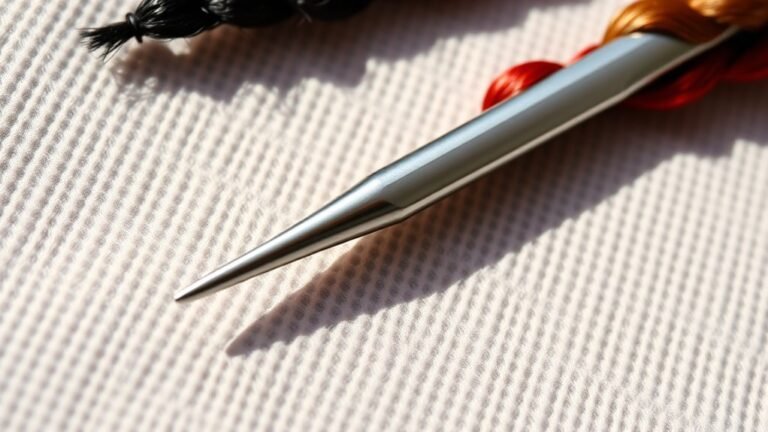
Interlocking uses a tool or fingers to pull hair ends through the base of the locs repeatedly, tightening the roots and securing the locs from unraveling. This method helps maintain neatness and can be used for loc maintenance after the initial start.
It is particularly useful for all hair types and promotes faster locking while allowing control over loc tightness and shape.
- Root tightening technique
- Suitable for various hair types
- Aids in maintaining loc neatness
Understanding Loc Growth and Maintenance
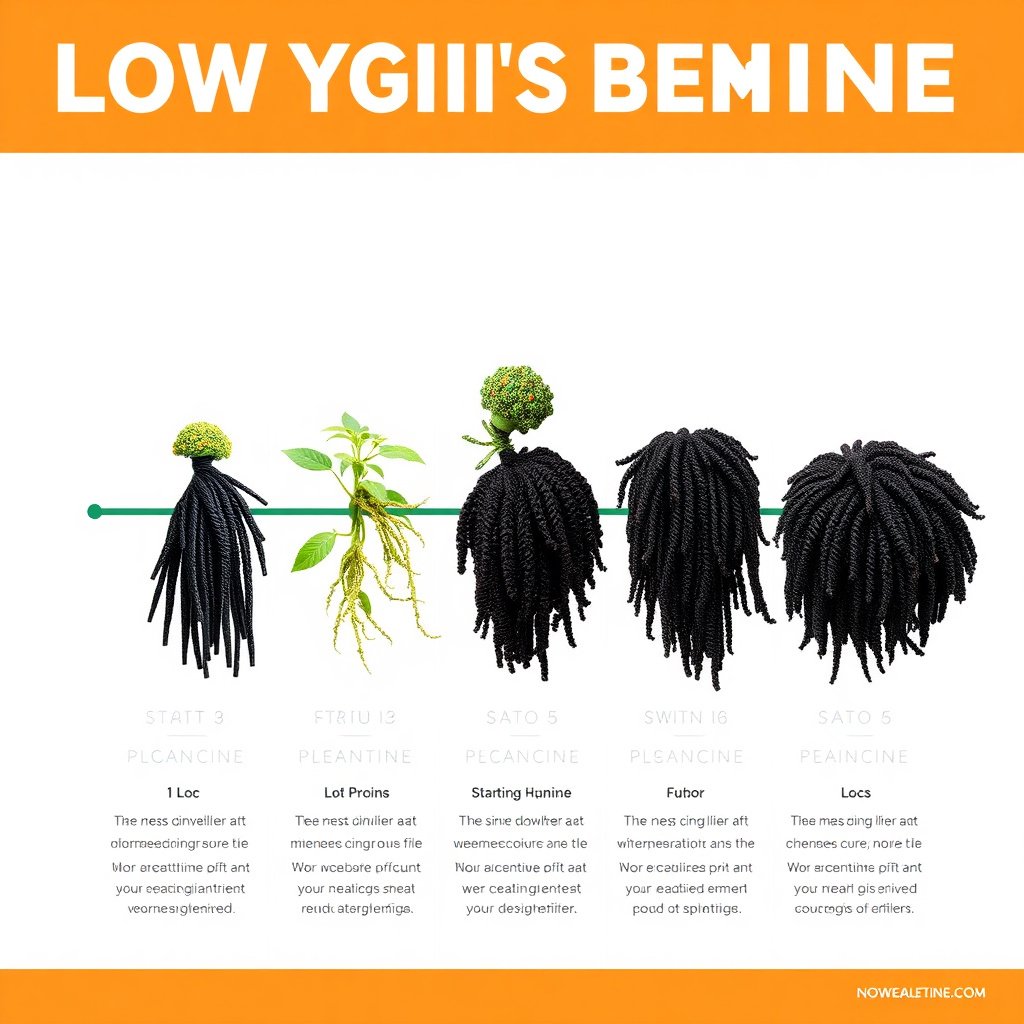
The Stages of Loc Development
Locs mature through stages: starter, budding, and matured. Initially, hair strands form small knots; in budding, the locs thicken and lock further; matured locs are fully formed and solid. Patience is key since this process can take months to years depending on hair type and care.
Knowing these stages helps set realistic expectations and guides your care practices to avoid distortion or premature unraveling.
- Starter stage: formation of base knots
- Budding stage: thickening and cohesion
- Matured locs: solid, rope-like strands
For more on this, see our related guide: Your Guide to Butterfly Locs Crochet Hair: Choosing With Confidence.
Regular Care and Product Choices
Maintaining locs requires cleansing without disrupting the loc structure. Use shampoos free from sulfates and heavy residues. Avoid over-manipulating or excessive tightening to prevent scalp damage. Light oils such as jojoba or tea tree support scalp health and loc shine without buildup.
Protect locs with satin or silk scarves or pillowcases to reduce friction that can cause frizz or breakage.
- Use residue-free shampoos
- Avoid heavy waxes or creams
- Apply light oils for scalp health
- Protect locs during sleep with satin/silk
Styling and Personalizing Your Locs
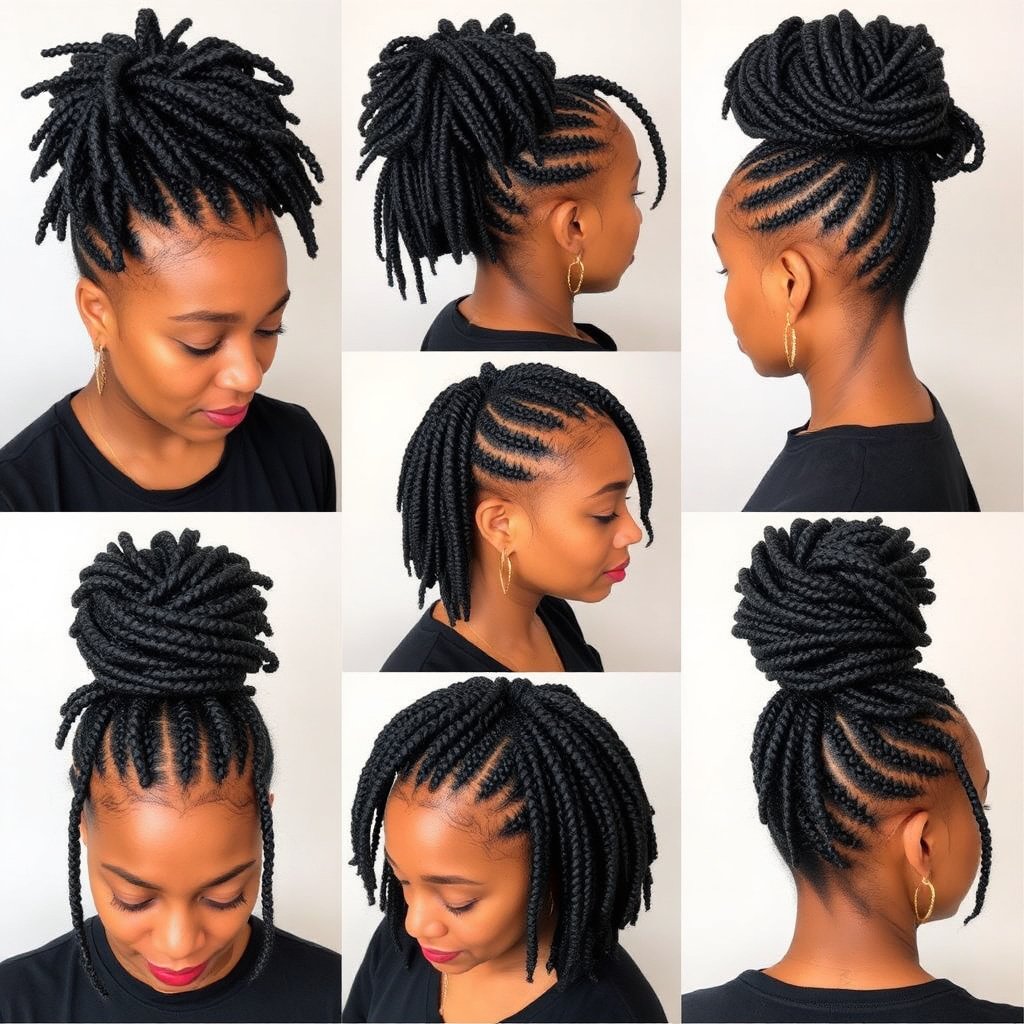
Common Loc Styles for Beginners
Beginners often start with freeform locs, two-strand twists, or simple palm rolls to ease into the look. These styles require minimal tools and allow the hair's natural pattern to guide loc formation.
As locs mature, styles like updos, ponytails, or intricate braids become possible, offering variety while maintaining loc integrity.
- Freeform locs
- Two-strand twists
- Palm roll locs
- Basic updos
Adding Accessories and Color
Personalize locs with beads, wraps, cuffs, or clips for added flair without risking damage. For color, semi-permanent dyes or henna are safer choices that maintain hair health better than harsh chemical treatments.
Always conduct a patch test for color treatments and avoid excessive chemical exposure to protect loc strength during early stages.
- Use gentle hair accessories
- Prefer semi-permanent dyes
- Avoid heavy chemicals early on
- Test color on small sections first
Common Mistakes When Starting Locs

Over-Manipulation and Tight Styling
Frequent tightening, excessive twisting, or tight hairstyles can stress the roots and lead to thinning, breakage, or traction alopecia. Starting locs should be gentle, giving hair space to settle naturally.
Avoid daily manipulation in the first few months to allow initial sections to bond and reduce weak points where locs might unravel.
- Avoid tight braids or ponytails
- Limit frequent twisting or retwisting
- Give hair breathing time during early stages
For more on this, see our related guide: Distressed Locs Guide: What to Know Before You Buy.
Using Heavy Products and Improper Washing
Applying waxes, gums, or thick creams can cause buildup inside locs that attract dirt and make washing difficult, leading to odor and scalp irritation. Similarly, skipping regular washing or using harsh shampoos can weaken the hair.
Regular but gentle washing with light products maintains cleanliness without stripping natural oils necessary for healthy locs.
- Avoid heavy waxes and creams
- Use sulfate-free shampoos
- Wash locs regularly but gently
- Prevent buildup to avoid odor
The Best Way to Start Locs for Different Hair Types
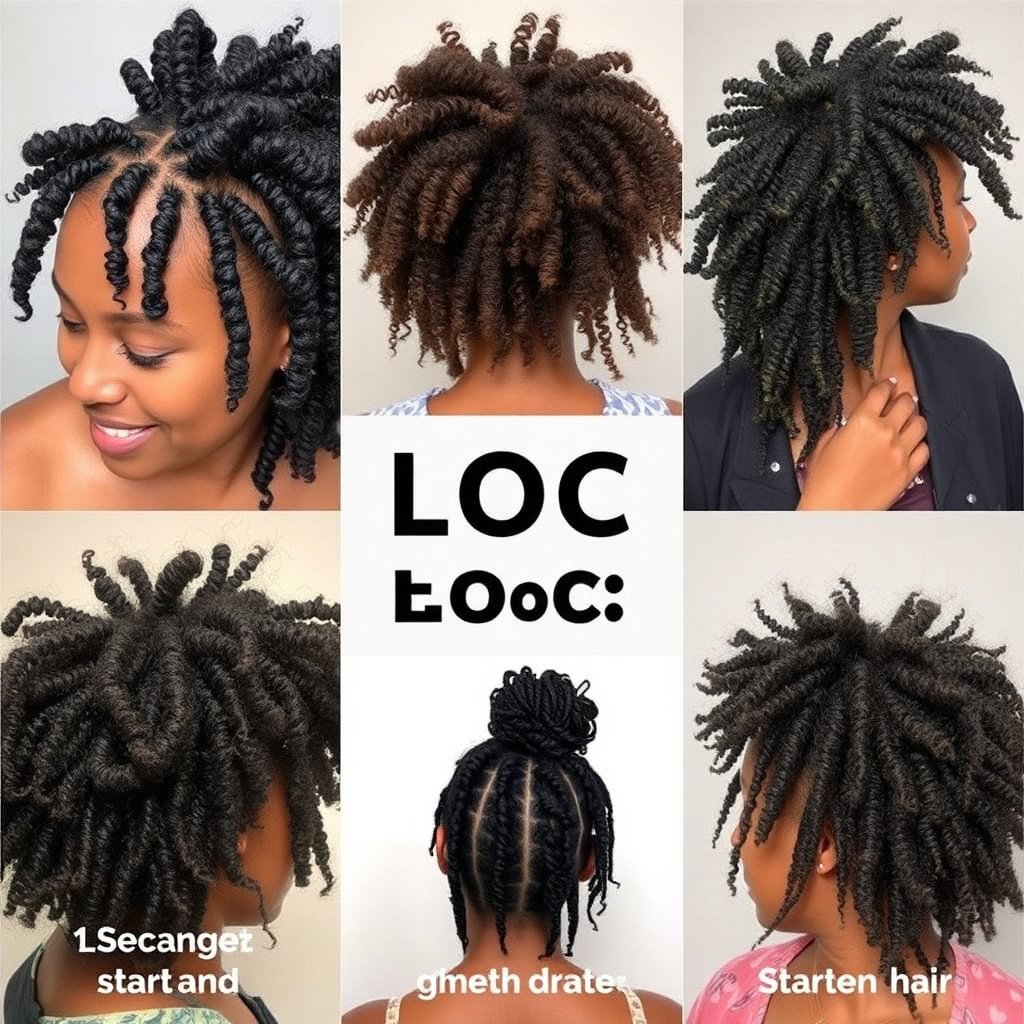
Starting Locs on Coarse and Kinky Hair
Coarse, kinky hair textures lock quickly due to their natural curl pattern. Methods like palm rolling or the twist and rip are highly effective because they mimic natural coil formation and provide a strong base.
Keeping the hair moisturized and avoiding excessive retwisting protects the delicate roots and encourages uniform loc development.
- Ideal methods: palm roll, twist and rip
- Focus on moisture retention
- Avoid constant retwisting
For more historical context and cultural significance behind locs, see this detailed resource. Locs on Wikipedia.
Starting Locs on Fine or Straight Hair
Fine or straight hair typically takes longer to lock because it lacks natural curls that hold together easily. The interlocking method or using small sections with braiding can help jumpstart the locking process.
Extra care to keep hair clean and minimal product use prevents slippage and promotes healthy loc formation.
- Recommended: interlocking, braiding
- Use small, consistent sections
- Minimal products for less slippage
Loc Starting Methods Category Comparison
This table compares popular loc starting techniques across speed, maintenance, suitability for hair types, and durability.
| Method | Speed of Locking | Maintenance Required | Best Hair Types | Durability |
|---|---|---|---|---|
| Twist and Rip | Fast | Medium | Coarse, Kinky | High |
| Interlocking | Medium | High | All Hair Types | Very High |
| Palm Rolling | Slow to Medium | Medium | Coarse, Kinky | High |
| Braiding/Combing | Medium | Medium | Fine to Medium | Medium |
| Freeform | Slow | Low | All Hair Types | Variable |
Frequently Asked Questions
Can I start locs on chemically treated hair?
Yes, locs can be started on chemically treated hair, but it requires extra care. Chemically processed hair is more fragile, so gentle methods like interlocking are preferred to avoid breakage.
How often should I wash my hair after starting locs?
Washing locs every 1-2 weeks is recommended, depending on scalp oiliness and lifestyle. Use residue-free shampoos to keep locs clean without disrupting the locking process.
Will my locs grow longer over time?
Locs grow like normal hair if properly maintained. Growth depends on genetics and hair health, but well-cared-for locs can reach any desired length.
Is it normal for locs to look frizzy when starting?
Yes, some frizz is normal during early loc stages. It typically smooths out as the loc matures and hair coils tighten.
Can I undo locs if I don’t like them?
If started recently, locs can often be combed out with patience. Matured locs usually require cutting, as they become tightly formed.
Key Takeaways
- Start locs by preparing hair health and neat sectioning
- Choose a method that fits your hair texture and lifestyle
- Regular gentle maintenance supports healthy loc growth
- Avoid heavy products and over-manipulation for best results
Conclusion
Figuring out how to start locs successfully involves balancing preparation, method selection, and attentive care during the early phases. This careful approach helps prevent setbacks like weak roots or uneven locs. Pay attention to your hair type's unique needs and adopt techniques that foster gradual, natural locking.
For coarse, kinky hair, techniques like twist and rip or palm rolling offer quick texture formation and lasting locs. Fine or straighter hair benefit from the interlocking method or smaller braids to encourage coil formation. Freeform locs suit those wanting minimal manipulation but require patience for maturing.
If you’re ready to begin, start by thoroughly cleansing and moisturizing your hair, then select a method aligned with your hair texture and maintenance preferences. Consistent care with light products and patience during the locking stages will set you on a rewarding loc journey.