How to Retwist Locs: Step-by-Step Guide for Neat and Healthy Locks
Retwisting locs is a key maintenance step to keep your locks looking fresh, tidy, and healthy. It helps to strengthen the roots and prevent loc unraveling without causing unnecessary tension or damage. Knowing how to retwist locs correctly can save you time and protect your hair’s health.
Proper retwisting matters because it balances neatness with hair care—over-tightening can lead to breakage and thinning, while loose retwists might unravel quickly. Each hair type and loc maturity level demands a slightly different approach, so understanding the right method for your hair can make a big difference in lasting results.
This guide will walk you through the essential steps for retwisting locs, including preparation, techniques, styling products to use, and tips to avoid common mistakes. We’ll also cover different retwist styles and maintenance frequency to help you customize your routine.
Preparing Your Locs for a Retwist
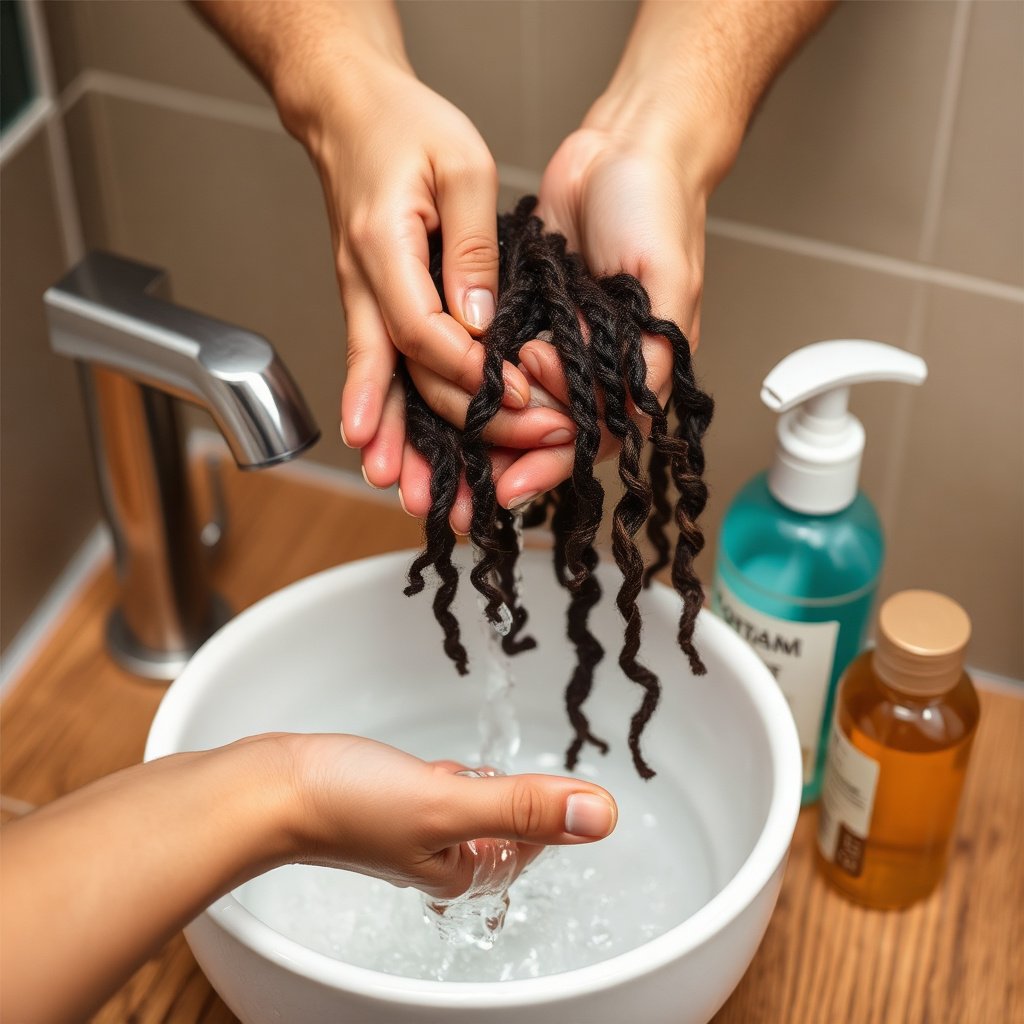
Washing and Drying Before Retwisting
Clean hair is critical before retwisting locs to remove buildup and allow the locks to grip each other better when twisted. Use a residue-free, sulfate-free shampoo to avoid leaving product residue that can cause buildup.
After washing, gently towel dry or air dry your locs until they are damp but not soaking wet to achieve better hold during the retwist process.
- Use lukewarm water for washing
- Avoid heavy conditioners before retwisting
- Let hair dry to damp, not wet
Sectioning and Parting Your Locs
Dividing your hair into neat, consistent sections is foundational for an even retwist. Use a rat-tail comb to create straight parts, which also defines the loc’s shape as they grow.
Separate each loc carefully, ensuring no hair connects neighboring sections to prevent uneven twisting or tension.
- Part hair into square or triangular sections
- Use clips or bands to hold sections apart
- Work on one loc at a time
Retwisting Techniques for Locs
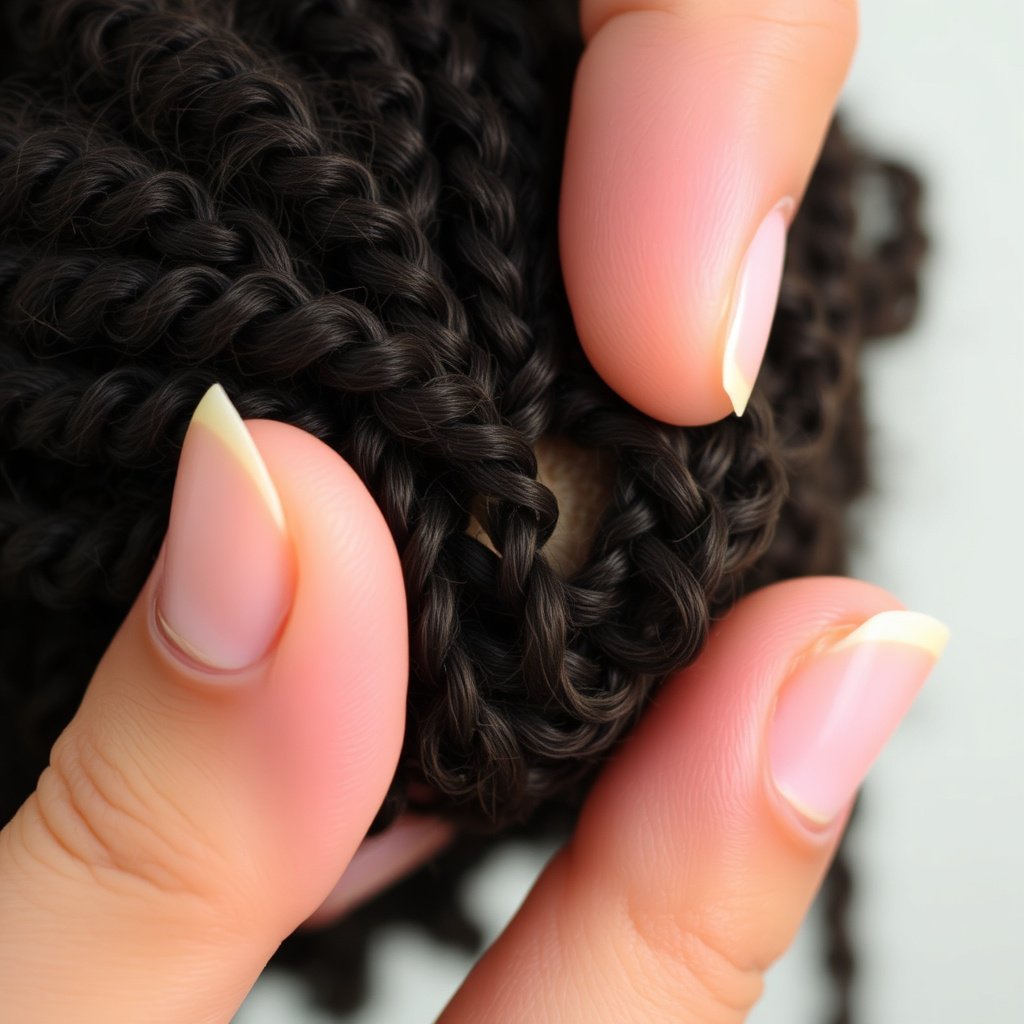
Two-Strand Twist Retwist Method
The two-strand twist retwist uses two separate loc sections twisted around each other to tighten the roots. This method offers solid hold and works well for locs at various stages.
Apply a small amount of gel or twisting cream to the base before twisting to maximize hold and moisture retention.
- Start at the scalp and twist downwards
- Keep the tension firm but gentle
- Seal the twist by rubbing with your fingers
Palm Rolling Technique
Palm rolling is a popular method that involves rolling each loc between your palms to smooth out frizz and tighten the loc’s shape.
This technique is especially beneficial for mature locs to maintain neat appearance without over-manipulation at the root.
- Roll each loc individually after retwisting
- Use light pressure to avoid breakage
- Repeat regularly to maintain shape
Choosing the Right Products for Retwisting Locs
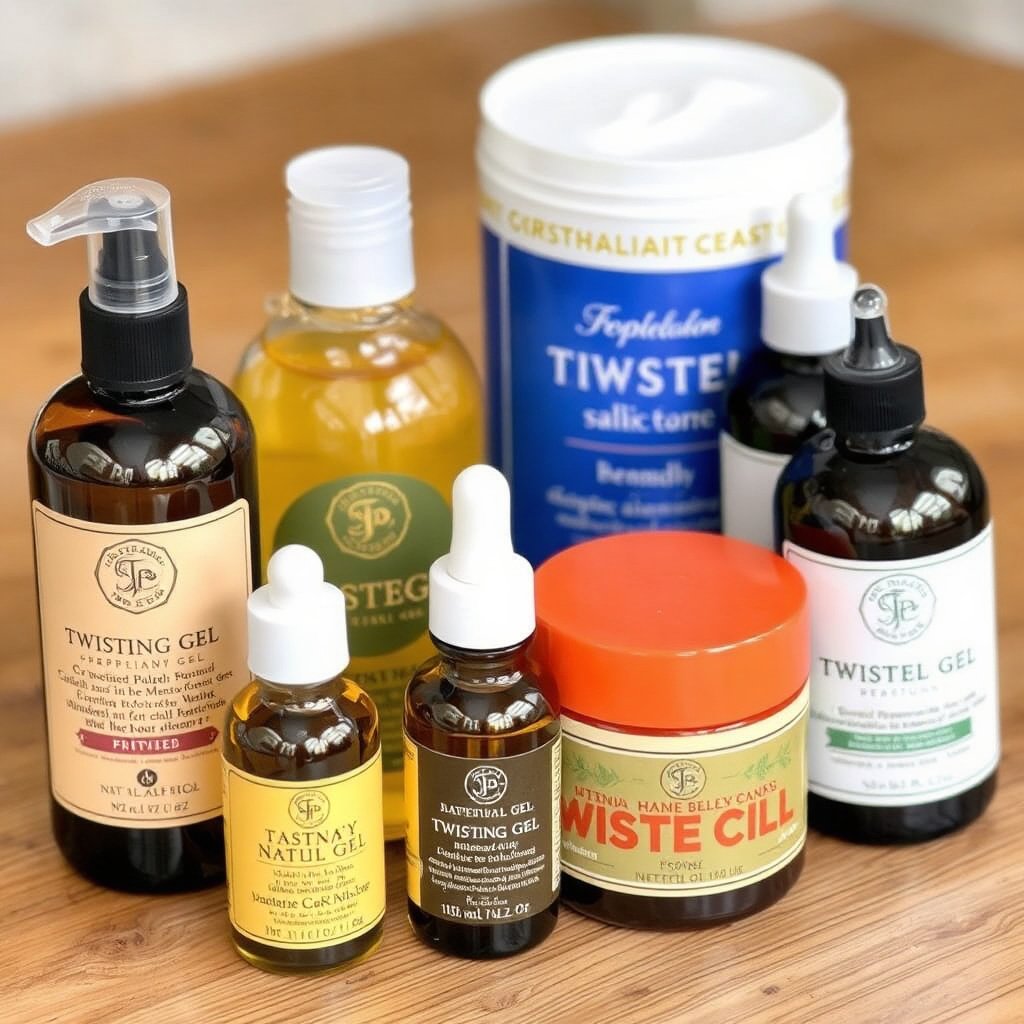
Gel and Creams for Hold and Moisture
Selecting the right styling product impacts the longevity and health of your loc retwist. Look for gels and creams that offer good hold without flaking or drying out the hair.
Natural, light-hold products rich in moisturizing ingredients prevent dryness and scalp irritation while keeping locs defined.
- Choose aloe vera or shea butter-based gels
- Avoid alcohol-based products that cause dryness
- Apply sparingly to avoid buildup
For more on this, see our related guide: Your Guide to Faux Locs: Choosing With Confidence.
Oils and Scalp Care for Healthy Locs
Incorporating oils like jojoba, tea tree, or castor oil nourishes the scalp and loc strands during retwisting.
Oiling prevents itchiness and dryness, supporting healthy hair growth between retwists.
- Massage oil gently into the scalp before retwisting
- Use light oils to avoid greasy buildup
- Focus on scalp, not just loc length
Common Mistakes to Avoid When Retwisting Locs

Avoid Over-Tightening and Tension
Applying excessive tension when retwisting can lead to hair breakage, thinning edges, and scalp discomfort.
Always retwist with gentle firmness to secure the roots without causing pain or damage that weakens the loc.
- Don’t pull too tightly at the scalp
- Use consistent but gentle pressure
- Stop if you feel pain or tightness
Not Allowing Enough Time Between Retwists
Retwisting too frequently can stress the hair follicles, increasing risk of breakage. The typical time frame between retwists varies depending on hair type and growth speed.
Most loc wearers space retwists about 4 to 6 weeks apart to balance neatness with healthy hair rhythm.
- Avoid retwisting weekly
- Monitor loc maturity and scalp health
- Adjust frequency based on hair response
Maintenance and Styling After Retwisting Locs

Nighttime Protection for Lasting Retwists
Protecting your locs at night extends the life of your retwist. Use satin or silk scarves, bonnet caps, or pillowcases to reduce friction that causes frizz and loosening.
These materials help to maintain moisture and reduce breakage while you sleep.
- Wrap locs gently with silk or satin scarf
- Avoid tight headwear that compresses locs
- Consider satin pillowcases as backup
For more on this, see our related guide: Hippie Locs Guide: What to Know Before You Buy.
Refreshing Locs Between Retwists
To keep locs fresh between retwists, lightly palm roll or moisturize with a spray water and oil mix daily.
This can reduce frizz and dryness, ensuring a polished look even as roots grow out.
- Use light moisturizing sprays
- Avoid heavy product buildup
- Palm roll selectively for frizz control
Different Retwist Styles to Try on Locs
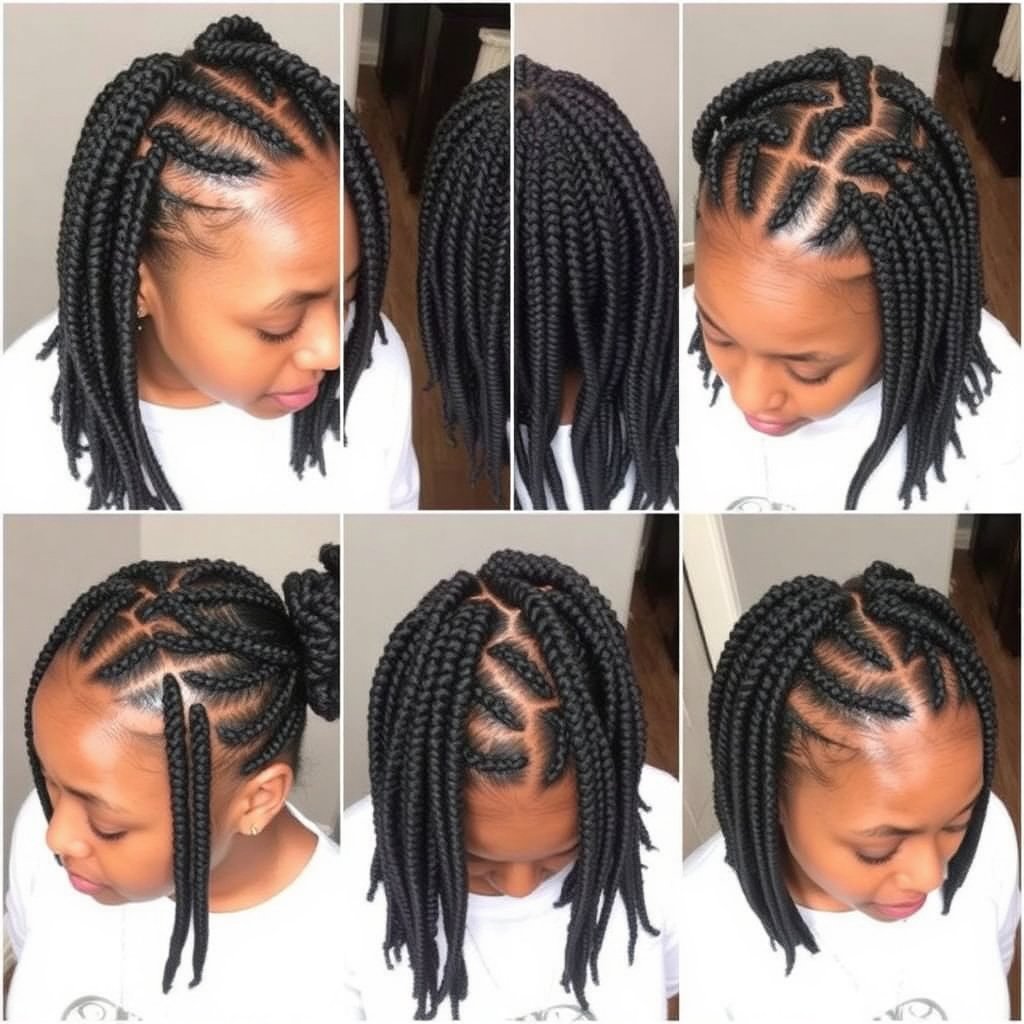
Two-Strand Twist and Coil Styles
Two-strand twist retwists create a defined spiral look perfect for those wanting a twisting style that lasts post-retwist.
Coil methods allow for springy, uniform loc shapes that add texture and visual interest.
- Use braiding hair for added length or volume if desired
- Best for tight coil or wavy loc textures
- Maintain with regular moisturizing
For more detailed insights into loc hairstyle maintenance, you can refer to this comprehensive overview. Loc hairstyle maintenance details.
Interlocking and Finger Coiling
Interlocking is a retwist technique that involves pulling hair through the base to create a tightened root, ideal for early-stage locs.
Finger coiling adds definition and uniform spirals for mature locs and is popular for enhancing texture.
- Interlocking requires a special tool or professional skill
- Finger coiling works best on damp hair
- Both styles extend the neat appearance of locs
Retwist Methods Category Comparison
Here is a comparison of popular retwist techniques highlighting hold strength, hair type suitability, and maintenance needs.
| Retwist Method | Hold Strength | Best Hair Type | Maintenance Frequency |
|---|---|---|---|
| Two-Strand Twist | High | All Hair Types | Every 4-6 weeks |
| Palm Rolling | Medium | Mature Locs | Every 2-4 weeks |
| Interlocking | Very High | Early-Stage Locs | Every 6-8 weeks |
| Finger Coiling | Medium | Coily/Kinky Hair | Every 3-5 weeks |
| Basic Twist Retwist | High | Smoother Hair Types | Every 4-6 weeks |
Frequently Asked Questions
How often should I retwist my locs for the best results?
Generally, retwisting locs every 4 to 6 weeks balances neatness and hair health. Retwisting too often can cause breakage, while going too long might result in loose roots.
Can I retwist locs at home without professional help?
Yes, with practice, you can retwist locs at home using proper washing, sectioning, and twisting techniques. Starting slowly and using tutorials can improve your results.
What products work best for retwisting locs?
Lightweight gels or twisting creams that hydrate and provide hold without drying out or flaking are best. Avoid alcohol-based products to maintain moisture.
Is palm rolling necessary after every retwist?
Palm rolling helps maintain loc shape and reduce frizz, especially for mature locs. While not required, it is beneficial to do it regularly for a polished look.
Can retwisting damage locs if done incorrectly?
Retwisting with too much tension or too frequently can cause breakage and thinning. It’s important to be gentle and space out retwists to protect hair health.
Key Takeaways
- Retwisting locs maintains neatness and root strength but should be done with gentle tension.
- Preparation through washing and sectioning is essential for effective retwisting.
- Choose lighthold, moisturizing products to avoid buildup and dryness.
- Allow 4-6 weeks between retwists to prevent hair damage.
Conclusion
Choosing how and when to retwist locs involves balancing the desire for a fresh look with protecting hair health. The process relies heavily on properly preparing the locs by washing and sectioning them to work on neat, tangle-free strands. The retwist itself should be firm enough to hold the hair but never so tight that it causes pain or physical stress to the roots. Keeping product build-up low and spacing retwists at sensible intervals around 4 to 6 weeks helps maintain hair integrity over time. Adopting a routine catering to your specific hair texture and loc maturity ensures lasting hold and reduced breakage.
For those with mature locs seeking a drawable, neat style, palm rolling combined with lightweight gels offers controlled hold and frizz reduction. Beginners or early-stage loc wearers may find interlocking methods useful for tightening roots with less manipulation. The two-strand twist method also suits a wide range of hair types, providing a reliable hold and an attractive twist pattern. Adjusting styles and maintenance frequency according to individual needs keeps locs healthy and attractive.
If you’re new to retwisting locs or unsure of what method fits your hair, starting with gentle palm rolling using natural, moisturizing products is a safe approach. Observe how your scalp and locs respond over several weeks before trying more complex techniques or increasing retwist frequency. This measured approach protects your hair’s health while helping you achieve the clean, defined locs you want.