How to Do Instant Locs: A Complete Step-by-Step Guide
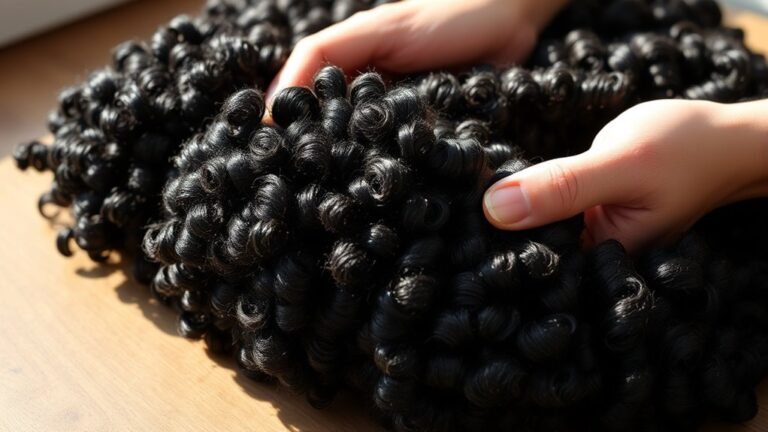
Instant locs are achieved by creating tight, well-defined dreadlocks quickly using specific techniques such as comb coiling, twisting, or finger rolling. The process usually involves sectioning the hair, applying a setting product, and manipulating each section into locs that appear mature from the start. This method is popular for those who want locs without the long wait for natural locking.
Many people choose instant locs to have the embrace of natural hairstyle culture combined with an immediate change in appearance. This quick approach allows flexibility in styling and boosts confidence by delivering the desired look in hours rather than months or years. Beyond aesthetics, instant locs can also be a protective style that helps maintain hair health.
This guide covers the most effective instant locs techniques, how to prepare your hair, which products to use, and essential maintenance tips. We'll also compare popular methods and help you determine which works best for your hair type and lifestyle to achieve beautiful, long-lasting locs.
Understanding Instant Locs Techniques
Comb Coiling Method
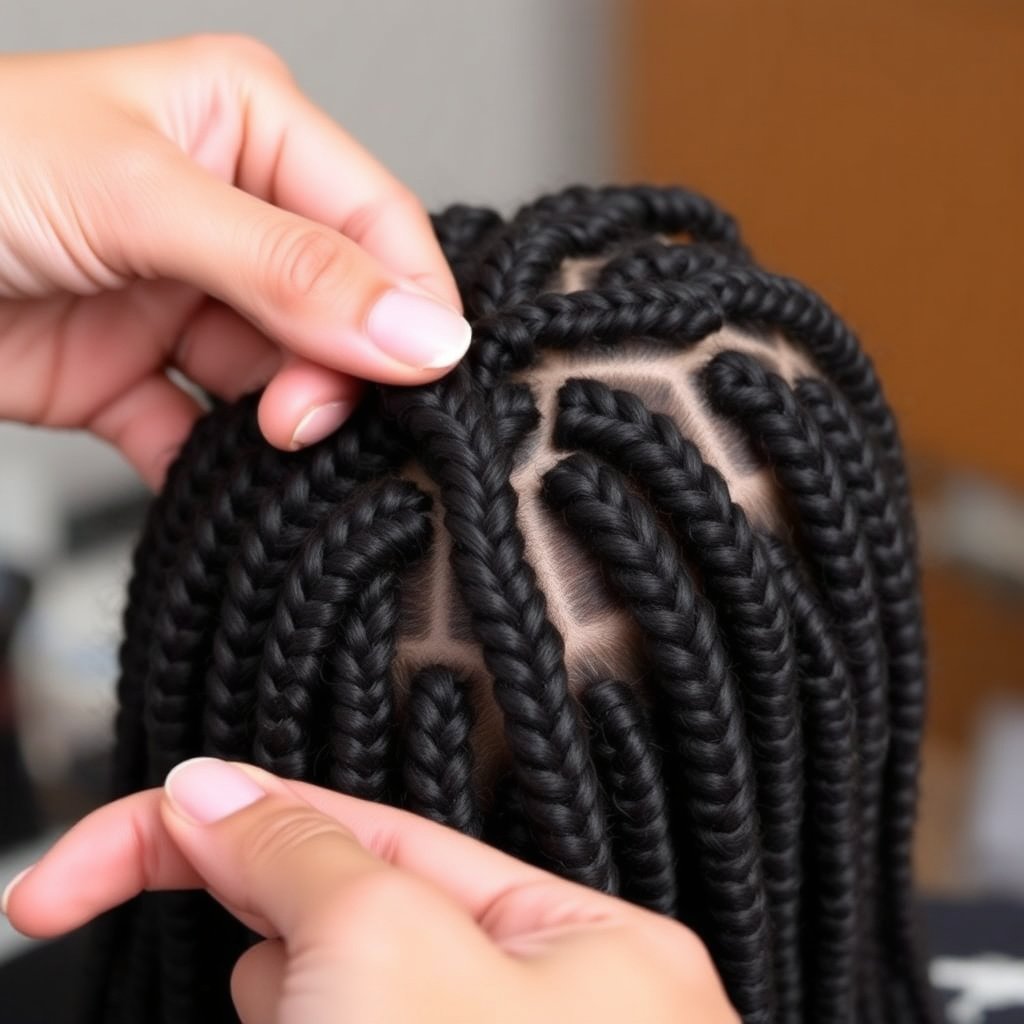
The comb coiling technique involves sectioning the hair into small squares and using a fine-tooth comb to twist each section tightly into a coil. This method creates uniform locs with a neat appearance, ideal for achieving instant locs with defined texture.
Comb coiling works best on afro-textured or curly hair types, as the coils naturally hold their shape. The twist should be done firmly but gently to avoid hair damage, followed by applying a locking gel or cream to set the style.
- Section hair evenly
- Coil with fine-tooth comb
- Apply locking gel immediately
- Allow locs to dry before styling
Two-Strand Twist Technique
Two-strand twists are created by dividing a section of hair into two parts and twisting them around each other tightly. This technique produces textured locs with a more natural and less uniform look compared to comb coiling.
This method is gentle on the hair and allows flexibility in the size of locs. Applying a light setting lotion can help maintain the twists while they set, ensuring the locs hold their form after drying.
- Divide hair into sections
- Twist two strands tightly
- Use setting lotion for hold
- Dry completely before separating
Preparing Your Hair for Instant Locs

Cleansing and Conditioning
Starting with clean hair is essential when doing instant locs since residues from oils and dirt can prevent locs from forming properly. Use a residue-free shampoo to wash your hair thoroughly before the loc process.
After cleansing, apply a lightweight conditioner to detangle without leaving heavy buildup. Avoid heavy moisturizers that can weigh down the hair or cause the locs to unravel.
- Use residue-free shampoo
- Apply lightweight conditioner
- Rinse hair thoroughly
- Detangle gently
For more on this, see our related guide: Distressed Locs Guide: What to Know Before You Buy.
Sectioning Your Hair
Precise sectioning is critical to achieving neat and consistent instant locs. Use a rattail comb to divide the hair into even-sized sections tailored to your desired loc thickness and density.
Secure sections with clips or bands during the process to keep hair organized and prevent tangling. Planning your parting pattern also helps in defining the final look, whether square, triangular, or circular sections.
- Choose desired loc size
- Use rattail comb for sections
- Secure with clips or bands
- Follow consistent parting pattern
Choosing the Right Products for Instant Locs
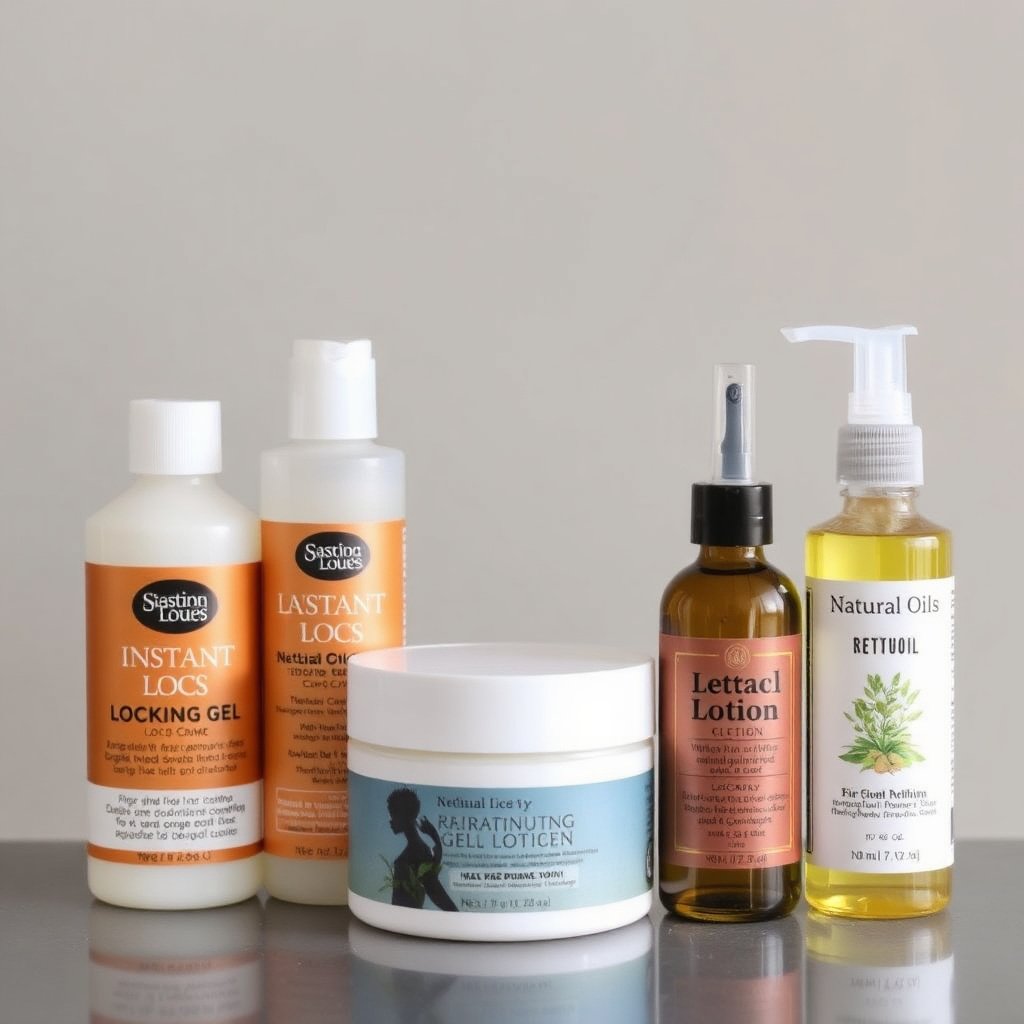
Locking Gels and Crèmes
Locking gels or creams are crucial for holding the shape of instant locs immediately after twisting or coiling. These products contain ingredients that provide grip and moisture balance without flaking or buildup.
Look for gels that are lightweight and designed specifically for locs to avoid residue that weighs down the hair. Many products also include natural ingredients like aloe vera and shea butter for added conditioning benefits.
- Choose residue-free formulas
- Apply evenly to each section
- Avoid heavy wax-based products
- Use sparingly to prevent buildup
Natural Oils and Maintenance Products
After setting, natural oils like jojoba, coconut, or castor oil help keep locs moisturized and healthy, preventing dryness and breakage. Oils also add shine and promote scalp health.
Use maintenance sprays or light leave-in conditioners regularly to maintain moisture balance, especially if your hair tends to dry out quickly.
- Apply oils lightly to scalp and locs
- Use leave-in conditioners as needed
- Avoid heavy or greasy products
- Maintain regular moisturizing routine
Styling and Maintaining Instant Locs
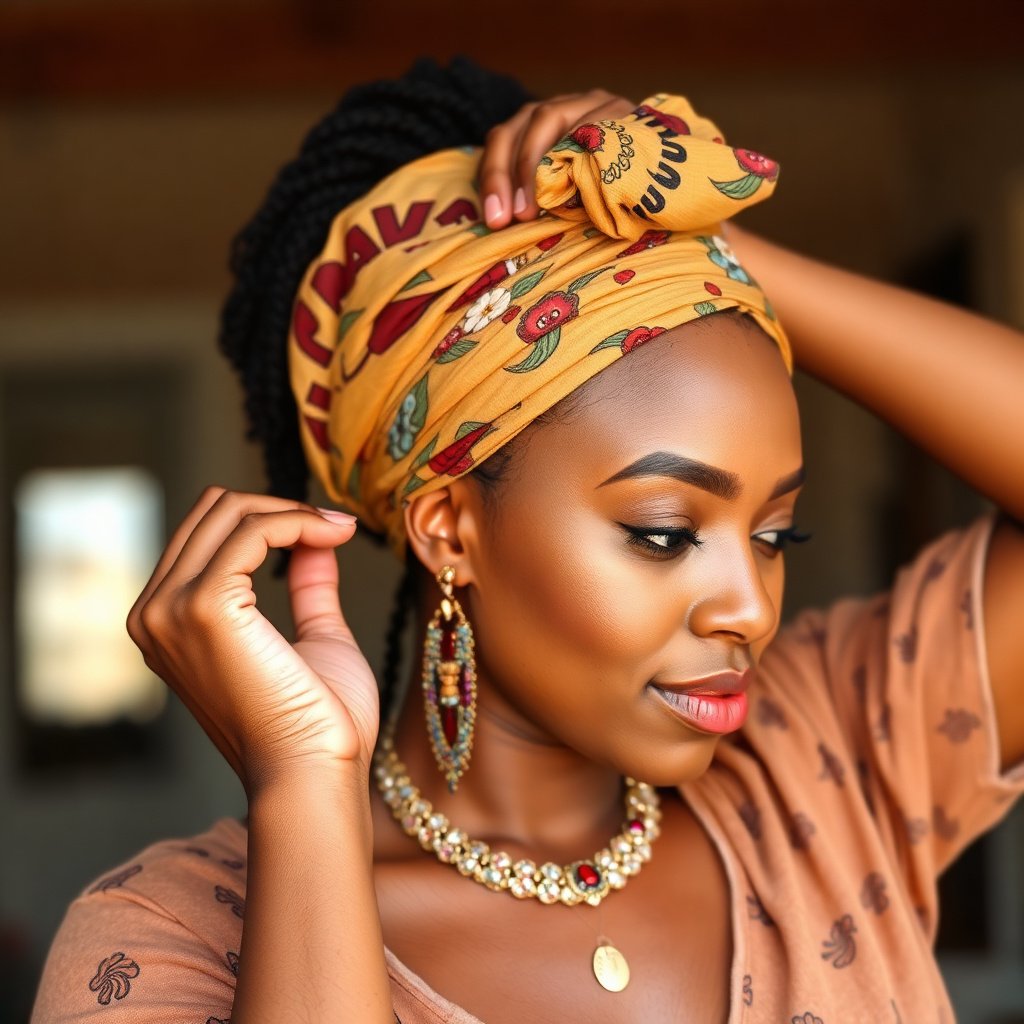
Styling Options for Fresh Instant Locs
Instant locs can be styled right after the installation using accessories like beads, cuffs, or scarves. Because they are tight and well-formed, styles such as high buns, ponytails, or half-updos are accessible immediately.
Experimenting with parting and manipulating locs can create unique looks, but be gentle to preserve the integrity of the locs during the early phase when they are still setting.
- Use protective accessories
- Avoid excessive pulling or tension
- Try simple updos and braids
- Refresh style with moisturizing sprays
For more on this, see our related guide: Soft Locs: A Complete Buying Guide.
Regular Maintenance and Care
Maintain instant locs by washing them regularly with residue-free shampoo and avoiding product buildup. Daily moisturizing and gentle palm-rolling can keep locs looking uniform and neat over time.
Inspect your locs for loose hairs or unraveling, especially in the first few weeks, and re-twist if necessary to maintain the shape and durability of each loc.
- Wash locs every 1-2 weeks
- Moisturize regularly
- Palm roll to preserve shape
- Re-twist loose locs promptly
Common Challenges and Troubleshooting
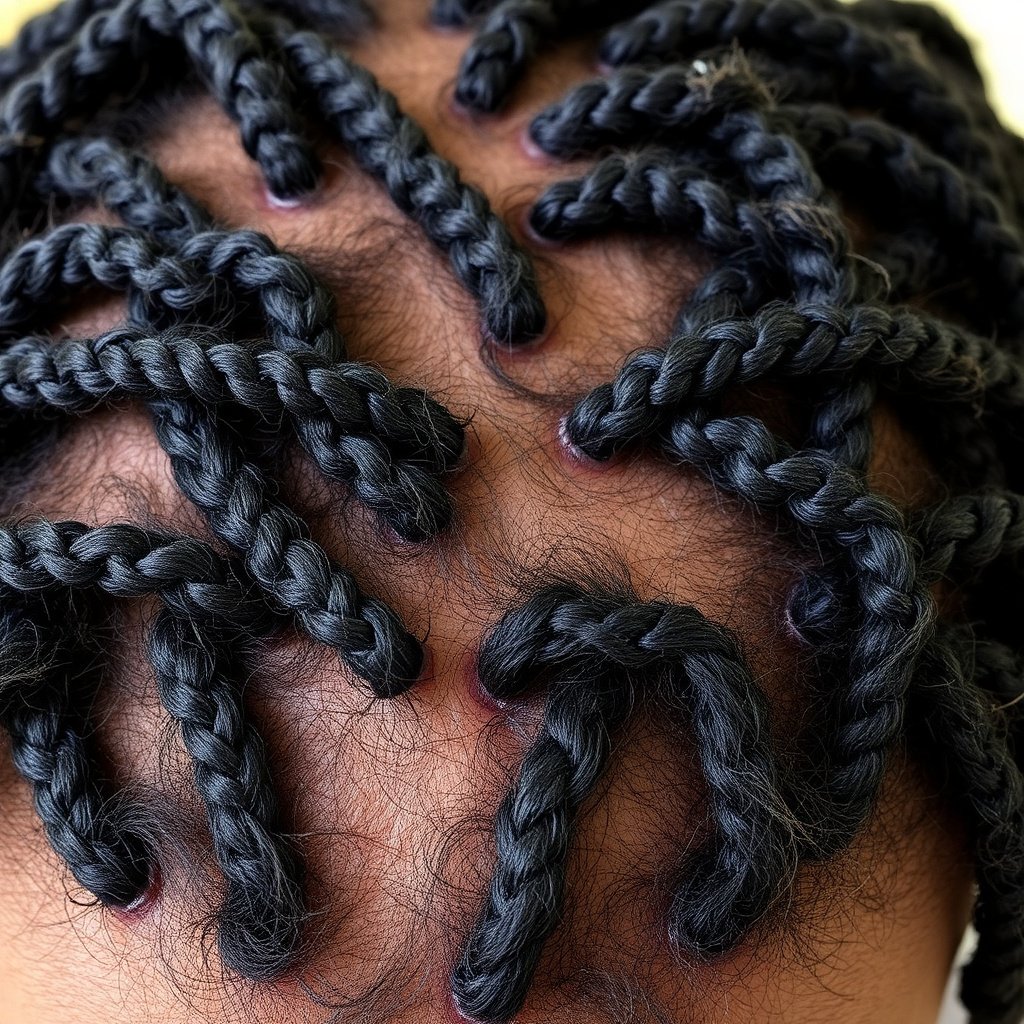
Dealing with Itching and Dry Scalp
Scalp itching and dryness are common after starting instant locs due to new styling tension or product reactions. Use soothing oils like tea tree or peppermint for relief and keep the scalp clean to avoid buildup triggering irritation.
Avoid scratching to prevent damage. If itchiness persists, consider adjusting your product routine or consulting a hair care professional.
- Use soothing scalp oils
- Keep scalp clean and moisturized
- Avoid harsh or fragranced products
- Consult a professional if needed
For more detailed historical and cultural context about loc hairstyles, you can visit the dreadlocks page on Wikipedia. dreadlocks on Wikipedia.
Preventing Locs from Unraveling
Instant locs may unravel if not set properly or if exposed to friction frequently. Use setting gels correctly and dry the locs thoroughly after washing to lock in the style.
Protect locs at night with silk or satin scarves and avoid styles that pull too tightly, which can weaken the hold and lead to loose ends.
- Apply setting gel properly
- Dry locs completely
- Use silk or satin nighttime coverings
- Avoid tight hairstyles that cause strain
Instant Locs Techniques Comparison
Here's a breakdown of popular instant locs methods to help you identify which suits your hair type and styling preferences best.
| Technique | Best Hair Type | Time Required | Durability | Maintenance Level |
|---|---|---|---|---|
| Comb Coiling | Curly to Afro-textured | 2-4 hours | High | Medium |
| Two-Strand Twist | Curly, Wavy, Afro-textured | 1-3 hours | Medium | Low |
| Palm Rolling | Previously Loc'd Hair | 3-5 hours | Very High | High |
| Interlocking | All Hair Types | 3-6 hours | High | High |
Frequently Asked Questions
Can instant locs be done at home?
Yes, instant locs can be done at home with proper tools and products, but professional help may yield neater, longer-lasting results.
How long do instant locs last without maintenance?
Without regular maintenance, instant locs may start to unravel or look frizzy after 2-4 weeks.
Can I wash my hair immediately after getting instant locs?
It's best to wait at least 1-2 days before washing to allow locs to set, though this depends on the method and products used.
Do instant locs damage hair?
When done gently and with proper care, instant locs do not damage healthy hair, but tight twisting or heavy products can cause breakage.
What products are recommended for instant locs?
Residue-free locking gels, light setting lotions, and natural oils like jojoba or castor oil help maintain instant locs without buildup.
Key Takeaways
- Instant locs provide an immediate mature loc appearance without waiting months.
- Choosing the right technique depends on your hair type and styling goals.
- Preparation and using the correct products critically affect the final results.
- Regular maintenance extends the life and neatness of instant locs.
Conclusion
Choosing to do instant locs offers a fast way to adopt a natural, beautiful hairstyle that celebrates texture and individuality. It involves measurements, sectioning, and carefully selecting a technique suitable for your hair type. Understanding the differences among comb coiling, two-strand twists, palm rolling, and interlocking helps in making an informed decision. With the right preparation, product choice, and maintenance plan, instant locs can stay healthy, neat, and long-lasting.
For those with tightly coiled hair, the comb coiling method combined with locking gels often provides the sharpest, most uniform locs, while the two-strand twist method suits those looking for a more natural, loose style with easier setup. If ongoing maintenance is desired, interlocking or palm rolling maintain the loc structure well but require more upkeep. Selecting products like residue-free gels and lightweight natural oils will promote scalp health and prevent buildup that can weigh locs down or cause irritation.
To start, choose a technique aligned with your lifestyle and hair texture, gather quality tools and products, and prepare your hair with cleansing and sectioning. Trying a professional stylist may be beneficial for first-timers seeking expert shaping and advice. Over time, adapting your maintenance routine, protecting your locs while sleeping, and addressing any scalp issues will ensure your instant locs develop into a confident, lasting style.