How to Do Cornrows: A Step-by-Step Guide for Perfect Braids
To do cornrows, start by sectioning clean, detangled hair into small, even parts. Begin braiding close to the scalp by dividing each section into three strands and crossing them over while adding more hair along each braid path. Maintain tight tension to keep the braids neat and secure.
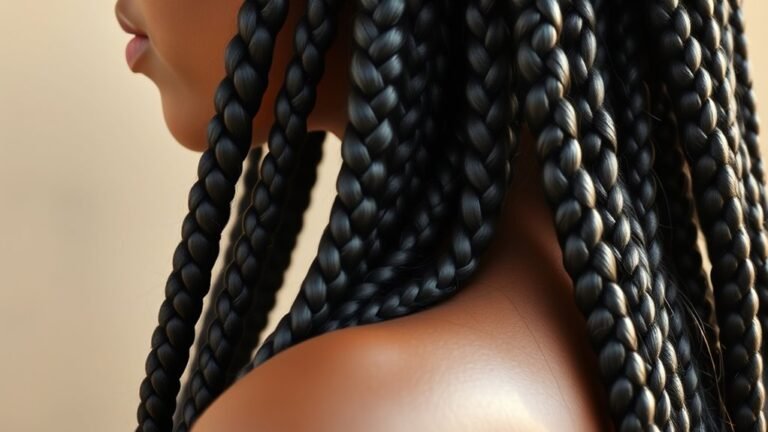
Cornrows have been a functional and fashionable hairstyle for centuries, celebrated for their protective qualities and versatile styling options. Mastering this technique not only allows you to create a bold statement but also helps protect natural hair from daily damage and promotes healthy growth.
This guide will cover the essential steps, from prepping your hair to different braiding patterns and maintenance tips. Whether you're styling your own hair or braiding for others, understanding these fundamentals will help you achieve clean and lasting cornrows.
Preparing Your Hair Before Cornrows

Washing and Conditioning
Begin by washing your hair thoroughly to remove dirt and oils that can interfere with braiding. Use a moisturizing shampoo followed by a hydrating conditioner to soften the hair and make it more manageable for cornrowing.
Rinse the conditioner well and gently towel-dry the hair. Avoid harsh rubbing, as this can cause tangling or breakage before braiding.
- Use sulfate-free shampoo
- Apply deep conditioner if hair is dry
- Avoid heavy products that weigh hair down
Detangling and Sectioning
Detangling is crucial for smooth cornrows. Using a wide-tooth comb or your fingers, gently remove all knots starting from the ends headed toward the roots.
Once detangled, divide the hair into the desired number of sections based on the style you want. Clean, crisp parts will result in neat cornrows.
- Section hair using rat-tail comb
- Clip sections separately to keep them organized
Mastering the Cornrow Braid Technique

Starting the Braid at the Scalp
Take a small section of hair near the scalp and split it into three equal strands. Begin braiding by crossing the right strand under the middle strand, then the left strand under the new middle strand.
Add small amounts of hair from the section you're working on to each strand as you continue braiding forward along the scalp. This keeps the braid attached and tight against the head.
- Hold tension firmly but comfortably
- Smooth sections to avoid bumps
Maintaining Clean Lines and Even Tension
Making sure the lines between cornrows stay straight improves the overall look dramatically. Use a rattail comb to guide clean parts and resection if needed.
Avoid braiding too tightly as this can cause scalp discomfort and hair breakage. Balanced tension keeps the braids durable and healthier.
- Check every few braids for consistency
- Pause if scalp feels too tight
Styling Variations of Cornrows

Classic Straight Cornrows
The most common style involves braiding straight lines running from the forehead toward the nape. This classic look suits many occasions and is simple to maintain.
Straight cornrows offer a clean, structured style that can be worn as is or combined with extensions for added length and thickness.
- Suitable for all hair types
- Easy to customize with parting width
For more on this, see our related guide: How Long Do Knotless Braids Last? the Complete Answer.
Creative Patterns and Designs
For a more artistic touch, cornrows can be braided into curves, zigzags, or intricate geometric shapes. These patterns require more time and precision but make striking fashion statements.
Using your own creativity or reference images can help guide you in creating personalized cornrow designs.
- Use hair gel for hold during styling
- Plan patterns before starting to braid
Maintaining and Caring for Cornrows
Cleaning and Scalp Care
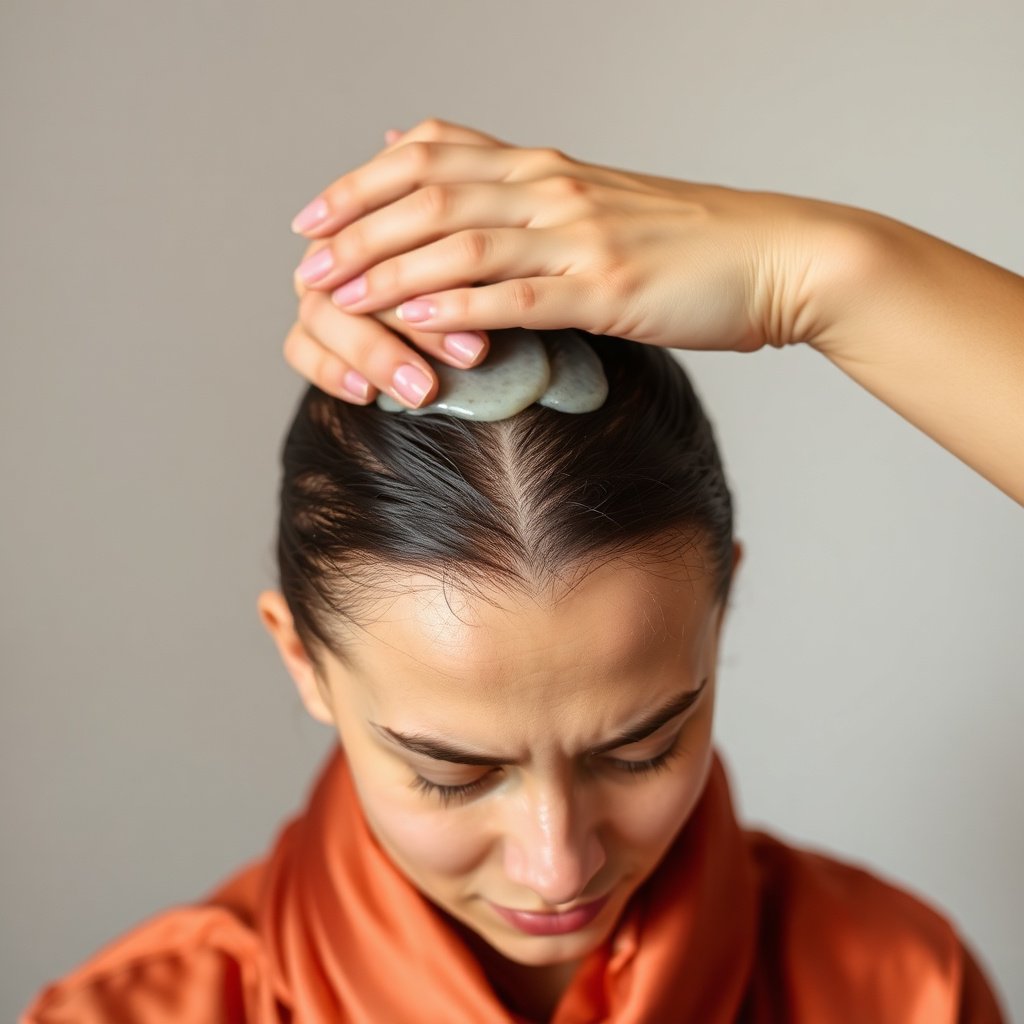
Even with cornrows, keeping the scalp clean is essential to prevent buildup and irritation. Use diluted shampoo or scalp cleansers applied with a spray bottle to gently cleanse between the braids.
Moisturizing the scalp with light oils or water-based sprays helps maintain scalp health and reduces itching.
- Avoid heavy creams that clog pores
- Clean scalp twice a week
Sleeping and Long-Term Care
To protect your cornrows overnight, wear a satin or silk scarf or use a satin pillowcase. This reduces friction, helping the braids stay neat longer.
Regularly check the braids for frizz and loose hairs, and gently retwist or trim as needed to keep the style fresh up to 6-8 weeks.
- Avoid excessive manipulation
- Rebraid edges if loosening appears
Common Mistakes When Doing Cornrows
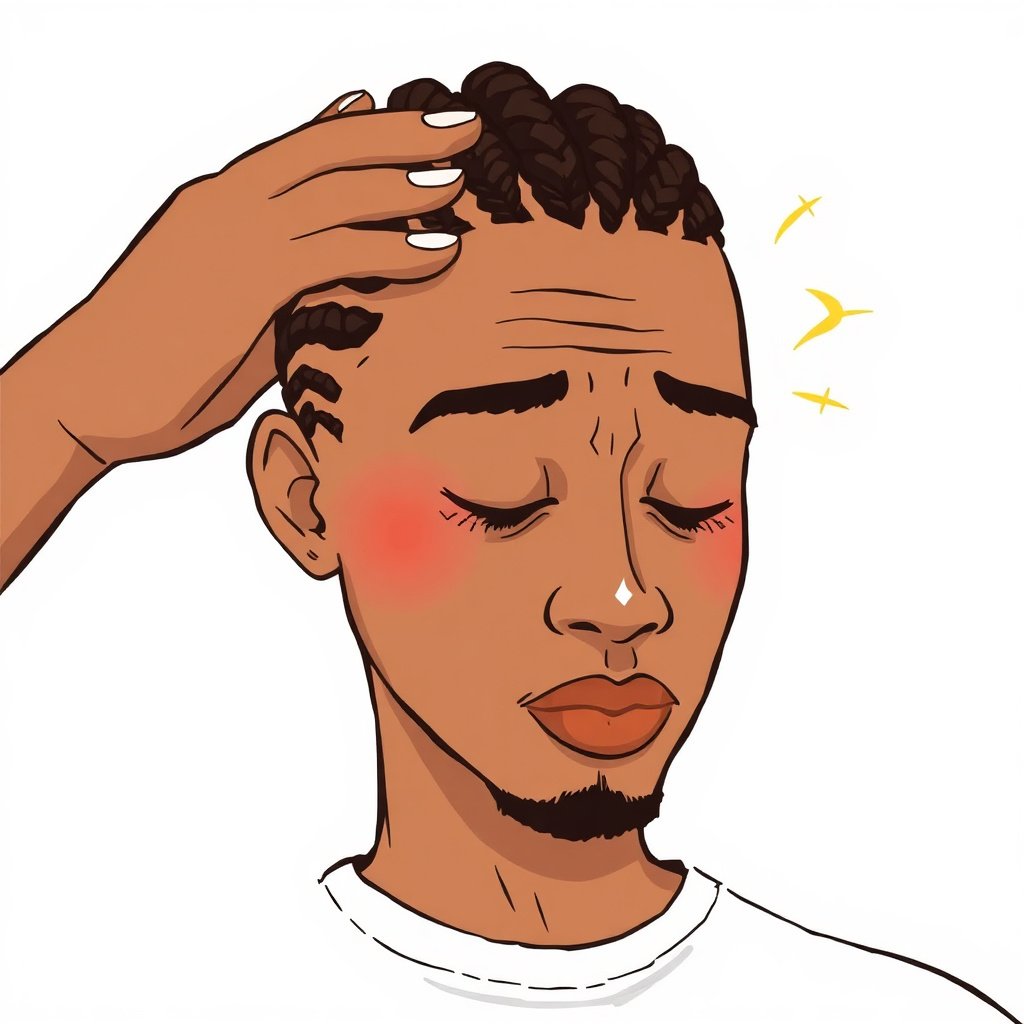
Braiding Too Tightly
Applying excessive tension while braiding can lead to scalp pain, hair breakage, and traction alopecia if repeated frequently.
It's important to keep a firm grip to secure the braid but stop immediately if pain or redness occurs.
- Check scalp comfort constantly
- Loosen braids if necessary
For more on this, see our related guide: How to Do Senegalese Twists: A Step-by-Step Guide to Stylish Protective Braids.
Uneven Sectioning and Inconsistent Braid Size
Skipping the proper sectioning results in messy lines and braids that vary wildly in thickness, which reduces the style's polished appearance.
Taking the time to measure and part carefully ensures even cornrows that lay flat and look professional.
- Use clips to hold sections
- Measure parts before starting each braid
Tools and Products to Support Cornrowing
Essential Cornrowing Tools
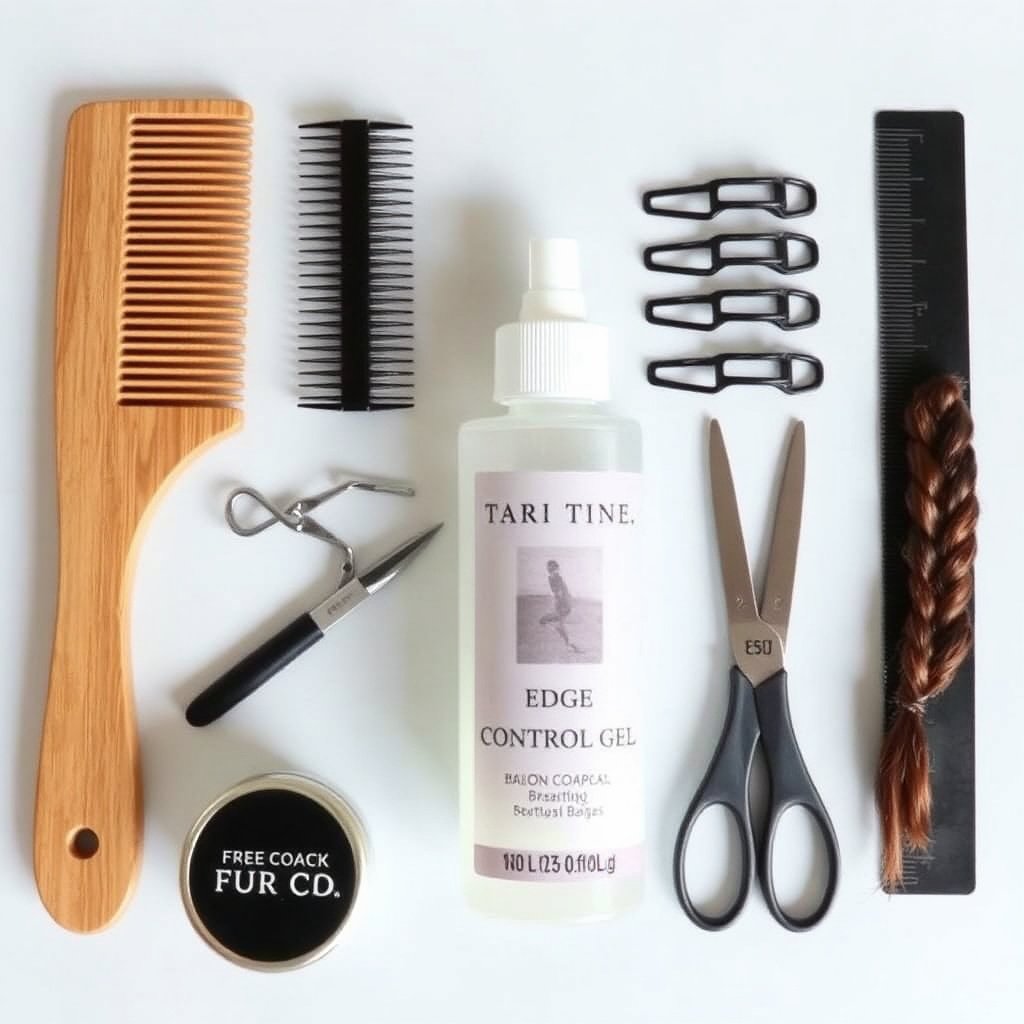
A fine-toothed rattail comb is necessary for clean parting. Hair clips keep sections separated and organized while braiding. Additionally, a spray bottle filled with water helps keep hair moist and manageable throughout the process.
Investing in good-quality tools speeds up the braiding process and improves overall finish.
- Rattail comb for parts
- Sectioning clips
- Spray bottle with water or leave-in conditioner
For further history and cultural background on cornrows, you can explore the detailed Wikipedia article on cornrow hairstyles. Cornrow hairstyles.
Helpful Hair Products
Edge control gels and pomades keep flyaways smooth, especially around the hairline. Light moisturizing sprays or curl creams can improve grip and definition in the braids.
Avoid heavy waxes that can build up and cause hair to look greasy or attract dirt.
- Lightweight edge control
- Moisturizing braid spray
Cornrow Styles Category Comparison
Compare popular cornrow styles based on complexity, maintenance, and ideal hair types to find the best fit for you.
| Style | Difficulty Level | Maintenance Frequency | Best Suited Hair Types |
|---|---|---|---|
| Classic Straight | Beginner | Low | All hair types |
| Zigzag Patterns | Intermediate | Medium | Medium to thick hair |
| Curved Designs | Advanced | High | Thick or textured hair |
| Feed-in Cornrows | Intermediate | Medium | Natural and kinky hair |
Frequently Asked Questions
How long do cornrows typically last?
Cornrows can last between 4 to 8 weeks with proper maintenance, including regular moisturizing and protecting the braids during sleep.
Can I do cornrows on wet hair?
It’s best to start cornrows on clean, damp hair rather than fully wet because extremely wet hair is fragile and more prone to breakage while braiding.
Do cornrows damage natural hair?
Cornrows themselves do not cause damage if braided with proper tension and care, but very tight braiding and prolonged tension can lead to hair breakage or scalp issues.
Is it necessary to use hair products when doing cornrows?
Using light edge control and moisturizing sprays can help keep cornrows neat and reduce frizz, making styling easier and extending braid life.
Can cornrows be done on all hair textures?
Yes, cornrows can be styled on all hair types, but the technique and braid tightness might vary depending on hair texture and length.
Key Takeaways
- Start cornrows on clean, detangled hair for the best results.
- Maintain even tension and neat sections for professional-looking braids.
- Various cornrow patterns cater to different style preferences and skill levels.
- Regular care and protective sleep methods prolong the braids' lifespan.
Conclusion
Understanding how to do cornrows involves more than just braiding; it requires detailed preparation, skilled technique, and ongoing care. Starting with clean and detangled hair sets the foundation for neat cornrows that last. Throughout the process, controlling tension and ensuring clean parting are essential to avoid scalp discomfort and maintain an elegant appearance. Recognizing different cornrow styles allows you to match the technique to your skill level and aesthetic goals. Overall, a mindful approach to these steps yields cornrows that are both protective and stylish.
When choosing a style, beginners may find classic straight cornrows easiest to try, as they require simpler parting and braiding skills. Intermediate braiders looking for variety can explore zigzag or feed-in patterns, which add dimension and fullness. For those comfortable with more complexity, curved and geometric designs offer an artistic flair that stands out. Each style also demands a different maintenance level, so considering your lifestyle is important. Regular moisturizing and gentle washing keep the scalp healthy irrespective of the style chosen, helping cornrows look fresh longer.
The practical next step is to gather the essential tools and products such as a rattail comb, clips, and light edge control to help execute clean cornrows. Practice on smaller sections or with assistance can build confidence and technique. If preferred, consulting tutorials or professional braiders can provide valuable hands-on guidance. Ultimately, mastering how to do cornrows opens up versatile styling possibilities that celebrate both heritage and personal flair.