How to Do Bantu Knots: A Step-by-Step Guide for Perfect Coils
Doing Bantu knots involves sectioning the hair, twisting each section tightly around itself, and then wrapping the twist into a small coiled knot secured at the scalp. This style creates distinct, spiraled knots that can either be worn as a protective style or unraveled for curly waves. Starting with clean, detangled hair makes the process easier and results in smoother knots.
Bantu knots have cultural roots in African hair traditions, offering a versatile hairstyle that protects hair from damage and can also create beautiful curly textures when undone. Many choose Bantu knots for their low-maintenance appeal and the unique styling versatility they provide, making them popular across various hair types and textures.
This article will guide you step-by-step on how to do Bantu knots, including preparation, sectioning techniques, twisting and wrapping methods, tips for securing knots, and caring for your style. Additionally, we will explore variations, common mistakes to avoid, hair care during and after knots, and maintenance to keep your style fresh and healthy.
Preparing Your Hair for Bantu Knots
Cleansing and Detangling
Start by washing your hair with a gentle shampoo and conditioner suitable for your hair type. This removes buildup and helps soften the hair, making it easier to manage. Thoroughly detangle hair with a wide-tooth comb or detangling brush while conditioning to minimize breakage.
Properly detangling before starting ensures each section can be twisted smoothly without knots or tangles interfering, which is especially important for achieving neat Bantu knots.
- Use sulfate-free shampoo to avoid dryness
- Condition deeply to soften hair
- Work through tangles gently from ends to roots
Moisturizing and Applying Products
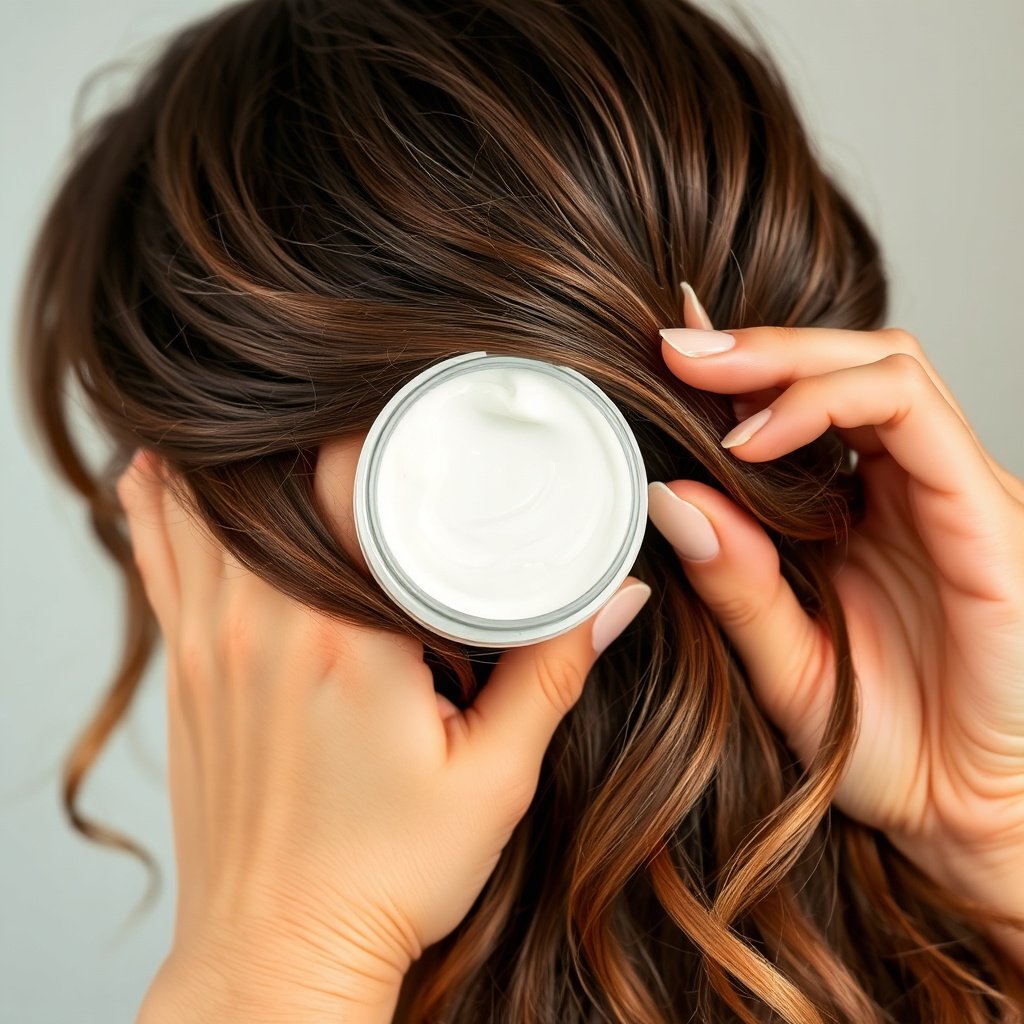
Moisturizing hair before styling is key to preventing breakage during the twisting and wrapping process. Use leave-in conditioners or hair oils tailored for hydration to maintain elasticity and manageability.
Applying a styling cream or gel aids in holding the twist in place and defining the knots. Choose products that provide a good grip without causing excessive stiffness or residue buildup.
- Apply leave-in conditioner evenly
- Use a curling or twisting cream for hold
- Seal moisture with natural oils if needed
Sectioning Hair for Even Bantu Knots

Choosing Your Section Size and Direction
The size and number of sections you divide your hair into directly affect the final look of your Bantu knots. Smaller sections create tighter, more numerous knots, while larger sections give bigger, chunkier coils.
Consider the direction of the partings: straight lines create uniform knots, while diagonal or curved parts add dynamic patterns and volume to the style.
- Use rat-tail comb for precise parts
- Clip away unsectioned hair to avoid tangling
- Aim for symmetrical sections for balance
Techniques for Sectioning All Hair Types
For fine or straight hair, sectioning can be done directly on dry hair for better control. For thick, curly, or coarse hair, braiding or stretching sections before twisting prevents excessive shrinkage and tangling.
Parting hair while slightly damp can help maintain the section shapes and reduce frizz during styling.
- Stretch curly hair with twist-outs before sectioning
- Use hair clips or bands to hold sections neatly
- Avoid overlapping to keep parts clean
Twisting and Wrapping: Forming the Bantu Knots

How to Twist Hair for Maximum Hold
Twist each section evenly by rotating the hair around itself from root to end. A tight, consistent twist helps the knot stay firm and last longer. You can opt for single twisting or two-strand twists depending on your preference for texture and hold.
Avoid twisting too loosely as this can cause the knots to unravel quickly. Applying a small amount of styling product during twisting enhances grip and definition.
- Start twisting from roots downward
- Keep tension consistent throughout the section
- Apply twisting gel or cream lightly
For more on this, see our related guide: How to Secure a Wig Without Glue: Effective Methods for a Natural Hold.
Wrapping the Twist into a Closed Knot
To form the Bantu knot, coil the twisted section tightly around itself at the scalp. Wrap until the entire length is secured and the coil is compact. Make sure the coil lies flat and doesn’t stick out unevenly.
Secure the knot by tucking the ends underneath or using small hairpins if needed. This method keeps our knot neat and prevents unraveling overnight.
- Wrap twists clockwise or counterclockwise
- Tuck loose ends under the knot
- Use bobby pins or small elastics as reinforcement
Maintaining and Caring for Bantu Knots

Nighttime Care and Protecting Knots
Wrap your hair with a silk or satin scarf or bonnet to prevent friction while sleeping. This helps maintain moisture, reduces frizz, and keeps your Bantu knots intact for a longer period.
Sleeping on a silk pillowcase can also protect your knots from harsh textures that promote breakage and unraveling.
- Use a silk/satin scarf nightly
- Avoid cotton pillowcases
- Re-twist any loose knots gently in the morning
Refreshing and Washing Bantu Knots
To keep Bantu knots fresh, spritz with water or a light moisturizing spray daily. If you need to wash the knots, use a gentle sulfate-free shampoo and conditioner, rinsing carefully to avoid loosening knots.
Air-dry your hair gently before reapplying styling products and re-twisting any loose sections. Regular moisture treatments help maintain healthy hair under the knots.
- Use diluted shampoo for spot-cleaning
- Avoid harsh rubbing during washing
- Moisturize after washing and before re-styling
Styling Variations with Bantu Knots

Classic Full-Head Bantu Knots
This traditional style involves creating Bantu knots all over the head for full coverage. It offers a bold, protective look and can be left in for several days or unwrapped for defined curls.
Full-head knots work well for both casual and formal occasions and suit many hair lengths and textures.
Partial Styles and Curly Waves from Undoing Knots
Bantu knots can also be styled as a half-up, half-down look or combined with braids for added texture. Undoing the knots after one to two days reveals voluminous, springy curls perfect for a fresh look without heat styling.
This versatility means you can enjoy both the protective benefits and styling creativity with the same technique.
Common Mistakes When Doing Bantu Knots

Avoiding Loose or Frizzy Knots
One of the most common errors is twisting hair too loosely or skipping product application, which causes knots to unravel quickly or lose definition. Always maintain consistent tension and apply a styling cream to encourage hold.
Starting with too dry or tangled hair also promotes frizz and uneven knots, so preparation is a key step to a successful style.
For more in-depth cultural and historical information, see this comprehensive Bantu knots hairstyle overview. Bantu knots hairstyle overview.
Preventing Uneven Sizes and Scalp Discomfort
Uneven section sizes result in a lopsided appearance and can make your style look messy. Use a fine comb and clips to part hair as evenly as possible. Also, avoid twisting overly tight knots, which can cause scalp pain and hair breakage.
Taking breaks and adjusting tension during styling can help avoid discomfort and preserve hair health.
Bantu Knots Style Variation Comparison
Here’s a table comparing popular Bantu knots styles based on complexity, maintenance level, and ideal hair types.
| Style | Complexity Level | Maintenance | Best Hair Type |
|---|---|---|---|
| Full-Head Bantu Knots | Medium | Medium (daily moisturizing, tying at night) | Curly, Coily, Kinky |
| Half-Up Bantu Knots | Low | Low (easy to refresh) | All hair types |
| Two-Strand Twist Bantu Knots | High | High (requires twisting skill) | Coily and kinky hair |
| Mini Bantu Knots | High | Medium (more knots to maintain) | Fine to medium textured hair |
| Large Bantu Knots | Low | Low (larger sections last longer) | Thick hair types |
Frequently Asked Questions
Can Bantu knots be done on straight hair?
Yes, Bantu knots can be done on straight hair. Using styling products and taking care when twisting helps create defined knots, though the texture will differ from curly hair and may not hold as long.
How long do Bantu knots last?
Bantu knots typically last between 3 to 7 days when well-maintained, depending on hair texture, product use, and how carefully they are protected, especially overnight.
Do Bantu knots damage hair?
When done properly, Bantu knots are a protective style that minimizes damage by reducing manipulation. However, twisting too tightly or leaving knots in too long without moisturizing may cause breakage.
How do I remove Bantu knots without causing frizz?
To prevent frizz, gently untwist the knots when hair is dry or slightly damp. Apply a lightweight oil or moisturizer before unwinding to keep curls defined and reduce flyaways.
Is it necessary to use heat to start Bantu knots?
Heat is not necessary for Bantu knots. While some prefer to stretch hair with heat for easier handling, twisting and wrapping can be done on damp or air-dried hair for a healthier method.
Key Takeaways
- Start with clean, detangled, and moisturized hair for best results.
- Proper sectioning shapes the style and affects the final look.
- Consistent twisting tension and product use secure the knots.
- Protect knots at night with silk or satin to maintain style.
Conclusion
Mastering how to do Bantu knots involves more than just twisting hair; it requires thorough preparation, proper sectioning, and careful wrapping to create neat, long-lasting coils. Paying attention to hair health and moisture before and during styling prevents damage and ensures your knots look polished and stay intact. The key to success lies in combining these practical techniques with patience and consistent care.
For those seeking different effects, full-head Bantu knots offer a striking protective style, while partial styles or using Bantu knots to create curly waves after removal provide versatile options for everyday looks. Fine or straight-haired individuals may want to use lighter products to avoid weighing down hair, whereas natural or coarse hair benefits greatly from more moisturizing, holding creams. Each variation comes with its own maintenance routine, so choose styles that fit your lifestyle and hair texture needs.
Once you are comfortable with the twisting and wrapping process, consider experimenting with section sizes and product combinations to perfect your technique. Protect your hair during sleep and refresh with daily moisture sprays to extend your style's lifespan. Whether as a protective style or a foundation for curls, Bantu knots remain a creative and culturally rich way to express natural hair beauty.