How to Dip Braids in Hot Water for a Sleek, Long-Lasting Look
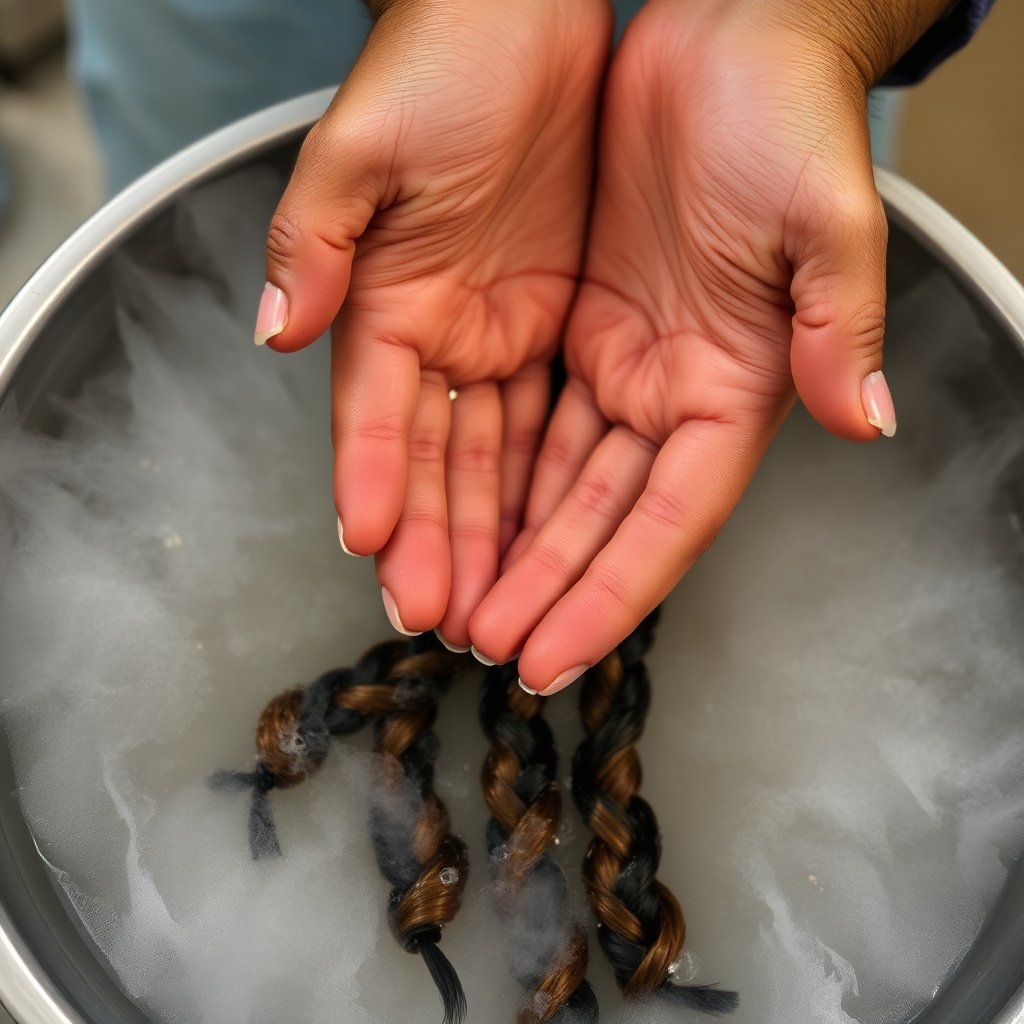
Dipping braids in hot water is a technique used to seal synthetic hair and create a smooth, polished finish. To dip braids safely, heat water to about 140°F (60°C), then briefly dip the ends or the entire braid, holding it for just a few seconds before quickly removing. This helps the hair retain its shape and prevents frizz.
This method matters because it not only enhances the appearance of braids but also extends their durability by setting the synthetic fibers. Without dipping, braids can become loose or fuzzy, reducing the style’s neatness and lifespan. Understanding how to handle hot water correctly ensures hair health and safety.
In this article, we’ll cover the ideal water temperature, step-by-step instructions on how to dip braids, safety tips, and care advice after dipping. You'll also learn common mistakes to avoid and comparisons between different dipping techniques.
Understanding the Hot Water Technique for Braids
Why Dipping Braids in Hot Water Works
Dipping braids in hot water helps seal the synthetic hair strands by slightly melting the fibers, locking them into place for a sleek finish. This process prevents ends from unraveling and reduces frizz, making the braids look freshly done and well-maintained for weeks.
This sealing effect is especially important for synthetic braids that can become loose with regular wear. By applying heat via hot water, the braided hair maintains its shape longer without the stiffness or brittleness that other heat sources might cause.
Types of Hair Suitable for Hot Water Dipping
Hot water dipping is recommended primarily for synthetic braiding hair made from materials like kanekalon or toyokalon. These fibers respond well to heat setting without damage when handled properly. Natural hair should never be dipped in hot water as it can cause dryness and breakage.
Some synthetic fibers come pre-treated for dipping, but even untreated braids can benefit from hot water dipping if done carefully. Human hair extensions or braids require different care methods and should not be exposed to hot water.
Preparing for the Hot Water Dip

Selecting the Right Water Temperature
Temperature control is key when learning how to dip braids in hot water. The ideal temperature ranges between 130°F and 150°F (54°C to 65°C). Water that’s too hot risks melting or damaging the braid fibers, while water too cool won’t effectively seal the hair ends.
Using a kitchen thermometer to measure water temperature ensures precision. Boiling water should be cooled slightly before dipping, or mix hot and warm water to reach the perfect range. Never dip braids directly into boiling water.
- Use a thermometer to check water temperature
- Avoid boiling water above 212°F (100°C)
- Aim for 140°F (60°C) as a safe median
Setting Up Your Workspace Safely
Create a comfortable, organized area for the dipping process. Use a heat-resistant bowl or basin large enough to immerse the braids without spilling hot water. Keep towels nearby to quickly dry dipped braids and protect surfaces from splashes.
Wear protective gloves if desired to avoid burns, and have a timer or clock handy to control dipping duration. This setup helps avoid accidents and allows you to work confidently and efficiently.
- Heat-resistant bowl or basin
- Towels for drying
- Protective gloves
- Timer
Step-by-Step Guide to Dip Braids in Hot Water

Preparing Your Braids
Before dipping, make sure the braids are freshly done or clean, dry, and detangled. Section the hair if needed to dip smaller portions for controlled results. Avoid wet or oily hair as this alters how the synthetic fibers react to heat.
Wear gloves or use tongs to handle the braids, ensuring your skin doesn’t get burned during the dipping process. Arrange all tools and keep everything within easy reach.
For more on this, see our related guide: Boho Box Braids Guide: What to Know Before You Buy.
Dipping and Drying Process
Submerge the tips or the whole braid into the hot water for about 3 seconds, then immediately remove. You can start with just the ends before dipping the full length if preferred. Avoid leaving braids in water for more than 5 seconds to prevent excess softening.
After dipping, pat the braids dry gently with a towel and let them air dry completely to set the hair. Avoid rubbing as it causes frizz. Some prefer to hang braids upward or lay them flat during drying to retain smoothness.
- Dip for 2-5 seconds only
- Pat dry gently with towel
- Air dry fully before styling
Common Mistakes When Learning How to Dip Braids in Hot Water
Using Boiling Water Directly
A frequent error is dipping braids straight into boiling water. This can warp or melt synthetic fibers beyond repair, making hair stiff, brittle, and unmanageable. Lower temperatures preserve the braid’s integrity while still sealing it effectively.
Always let water cool slightly or mix with cooler water to reach a safer temperature before dipping braids, protecting both the hair and your hands.
Overexposing Braids to Water
Leaving braids submerged too long causes synthetic material to soften excessively, resulting in limp or soggy braids. This defeats the purpose of the hot water dip, which is to maintain structure.
Limit dipping duration to a few seconds and dry braids promptly. Excess moisture also encourages tangling and reduces the style’s longevity.
Post-Dip Care and Styling Tips

Maintaining Smooth Braids After Dipping
Once braids are dipped and dried, maintain smoothness by gently applying light oils or braid sprays to prevent frizz and build-up. Avoid heavy products that weigh braids down or cause residue accumulation.
Regularly wrap braids with a satin scarf at night to preserve style and keep hair neat, which complements the sealed effect from the hot water dip.
- Use light oil or braid spray
- Avoid heavy styling products
- Sleep with a satin scarf or bonnet
For more on this, see our related guide: What Hair is Best for Goddess Braids: A Complete Guide.
Styling Options Post-Dip
After a hot water dip, your braids are more manageable to style. You can easily shape them into updos, ponytails, or sleek looks without worry of frizz. The sealed ends also allow safer heat styling with tools like flat irons if needed, but always use a low setting.
This technique provides a polished base for both everyday wear and special occasions.
Comparing Hot Water Dipping to Other Finishing Methods
Hot Water Dip vs. Curling Iron
While hot water dipping seals and smooths synthetic braids, curling irons reshape them with direct heat. Hot water is gentler and less likely to damage synthetic fibers, but curling irons offer more styling versatility for curls and waves.
Using a curling iron on synthetic hair requires careful temperature control and heat protection, whereas hot water dipping is safer for maintaining braid structure.
For more on various braiding hair care techniques, you can explore detailed information available about braids. braiding hair care techniques.
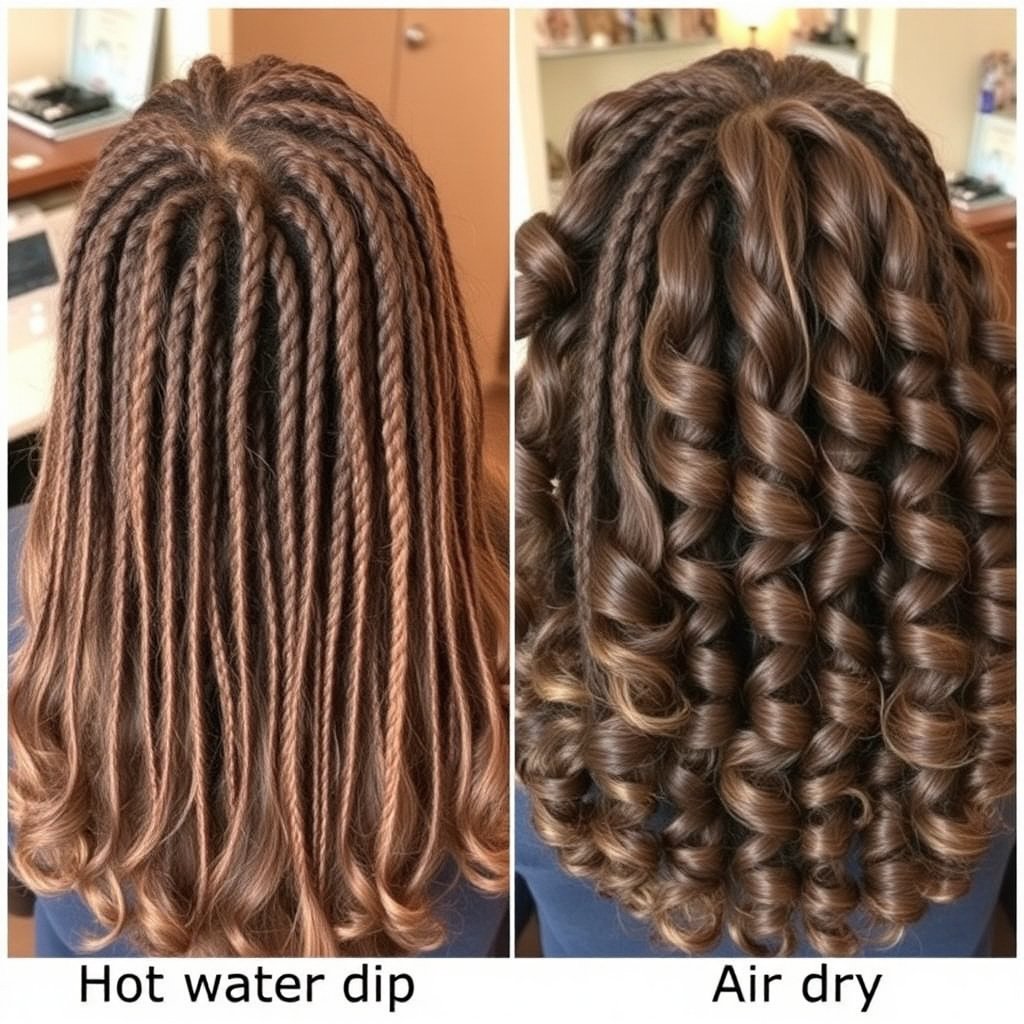
Hot Water Dip vs. Air Drying
Air drying braided synthetic hair after washing slows the setting process and often leaves ends rough or untamed. Compared to hot water dipping, air drying offers no sealing and may result in frizz and reduced style lifespan.
Hot water dipping instantly locks the braid pattern, whereas air drying relies on time alone without altering the texture significantly.
Hot Water Dipping Techniques Comparison
Here’s a quick overview of several common hot water dipping approaches and their effects on synthetic braids.
| Method | Water Temperature | Dipping Duration | Results | Pros | Cons |
|---|---|---|---|---|---|
| Full Braid Dip | 140°F (60°C) | 3-5 seconds | Complete sealing, smooth overall | Uniform finish, long-lasting | Risk of softening if overdone |
| Ends Only Dip | 130°F (54°C) | 2-3 seconds | Sealed tips, natural scalp look | Less exposure to heat, safer | May leave frizz on braid shafts |
| Repeated Quick Dips | 140°F (60°C) | Multiple 1-2 second dips | Controlled shaping, layered sealing | Fine control, gradual set | Time-consuming |
| Partial Length Dip | 145°F (63°C) | 3 seconds | Seals mid to ends for style | Targeted smoothing | Can cause stiffness if uneven |
| No Dip (Air Dry) | Room Temp | N/A | Untreated, natural texture | No heat damage | Frizz, shorter style life |
Frequently Asked Questions
Can I dip braids in boiling water?
Dipping braids in boiling water is not recommended as it can damage synthetic fibers by melting or warping them. Use water heated to about 130°F to 150°F to safely set braids.
How long should I dip my braids in hot water?
The dipping should last between 2 to 5 seconds per dip. Prolonged exposure can overly soften the braid and affect its shape and durability.
Is hot water dipping safe for natural hair braids?
Hot water dipping is intended only for synthetic braids. Natural hair is prone to dryness and damage from hot water and should be styled with safer, moisturizing methods.
Do I need to dry my braids after dipping in hot water?
Yes, after dipping, you should gently towel dry and let the braids air dry fully to lock in the smooth finish and avoid frizz.
Can I reuse hot water for dipping multiple braids?
It’s best to refresh the water regularly to keep the temperature consistent. Reused water cools quickly, which reduces the effectiveness of the dip.
Key Takeaways
- Use hot water at 130°F-150°F to dip synthetic braids safely.
- Briefly dip braids for 2-5 seconds to seal and smooth ends.
- Avoid boiling water and overexposure to prevent damage.
- Apply light oils and protective wraps after dipping for lasting style.
Conclusion
When deciding how to dip braids in hot water, the essential factor is controlling the temperature and time of exposure to protect synthetic fibers while achieving a smooth, polished style. This process enhances braid longevity by sealing the ends and reducing frizz, making the style practical for everyday wear or special occasions. Understanding the fiber type and preparing your workspace for safety are foundational steps in mastering this technique.
If you want sleek, neat braids with sealed ends, dipping the entire braid or only the tips at around 140°F for a few seconds works best. For those seeking more control over texture, repeated short dips or partial length dips provide customized results. Avoid boiling water and dipping excessive lengths at once to maintain braid integrity. Between options, dipping is generally preferable to air drying for synthetic hair as it extends your hairstyle’s lifespan and appearance.
Practicing this method with the recommended water temperature and prompt drying will deliver polished braids that hold well. After mastering dipping, complement the process with light braid oils and nighttime satin wraps to protect your look. This careful routine ensures your braids remain tidy and fresh for weeks, saving styling time while keeping your synthetic hair in good condition.