How to Detangle 4C Hair Without Damage: Effective Techniques and Tips
Detangling 4C hair requires patience and the right approach to avoid excessive breakage and maintain hair health. The best way to detangle is to work in small sections with ample moisturizing product and use wide-tooth combs or fingers, starting from the ends and gently moving toward the roots.
4C hair is known for its tight coils and shrinkage, which can make detangling more challenging compared to other hair types. Because this texture is prone to dryness and fragility, detangling improperly often leads to damage, making it essential to address it with a careful routine that maximizes moisture and minimizes tension.
This article will guide you through the techniques, timing, tools, and products ideal for detangling 4C hair. You'll learn how to prepare your hair, choose the best detanglers, and how to care for your hair during and after the process to keep your curls defined and healthy.
Understanding the Structure of 4C Hair for Better Detangling

Unique Characteristics of 4C Hair
4C hair is distinguished by its tightly coiled pattern with very little defined curl formation and significant shrinkage, often up to 75% of its actual length. This hair type is more fragile and prone to dryness because the natural oils have difficulty traveling down the hair shaft.
Because of its texture, 4C hair tangles easily, leading to knots if not detangled regularly and carefully. Knowing these unique traits will help guide the gentle handling and moisturizing necessary during detangling.
Why Gentle Detangling Matters for 4C Hair
The fragility of 4C hair means that rough detangling can cause breakage and split ends. Detangling aggressively can strip natural oils and damage the protective cuticle layer, resulting in weakening and dryness.
Taking time to detangle with care preserves the curl pattern and keeps the hair healthier over time. Using the right products combined with a gentle technique reduces tension and prevents unnecessary hair loss.
Preparing 4C Hair for Detangling: Moisture and Sectioning
The Importance of Moisturizing Before Detangling
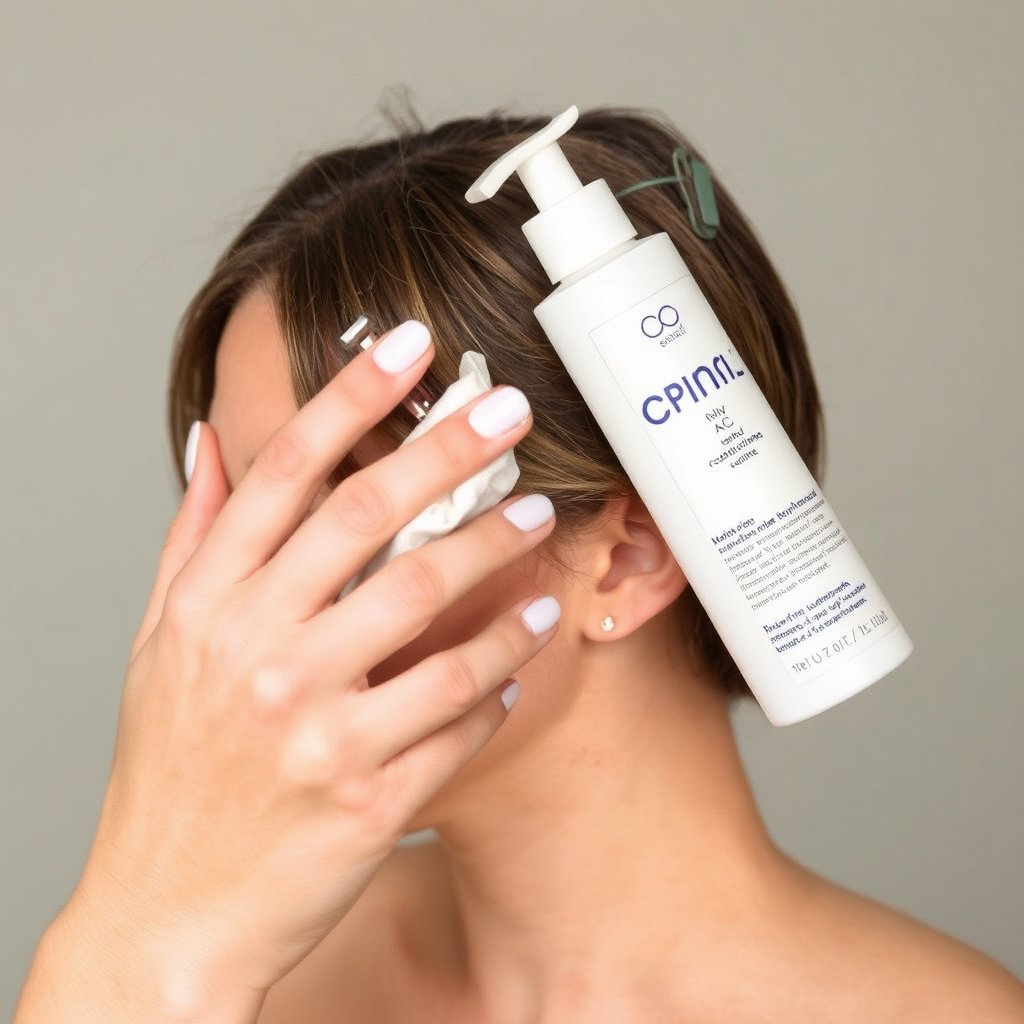
Moisture softens 4C hair, making it easier to handle during detangling. Water combined with a slip-enhancing product like a conditioning cream or detangling spray will help reduce friction between strands.
Spritzing damp hair or detangling in the shower with conditioner applied can dramatically ease combing. Avoid detangling dry hair as it increases the risk of breakage.
- Use water or a water-based leave-in conditioner
- Apply a detangling cream or conditioner rich in emollients
- Avoid harsh shampoos before detangling to retain moisture
For more on this, see our related guide: Best Shampoo for Natural Hair: Top Picks and Buying Tips.
Sectioning Hair for Manageable Detangling
Dividing the hair into four to eight sections depending on hair density allows for focused and controlled detangling. Working with smaller sections helps ensure you comb through thoroughly and reduces pulling.
Use clips or butterfly clamps to keep sections separate and to maintain moisture between detangling each part. Rushing through larger sections can cause uneven detangling and breakage.
- Create even sections using wide-tooth comb or fingers
- Secure sections with soft hair clips
- Keep hair damp throughout the process
Techniques and Tools to Effectively Detangle 4C Hair
Using Fingers Versus Combs for Detangling
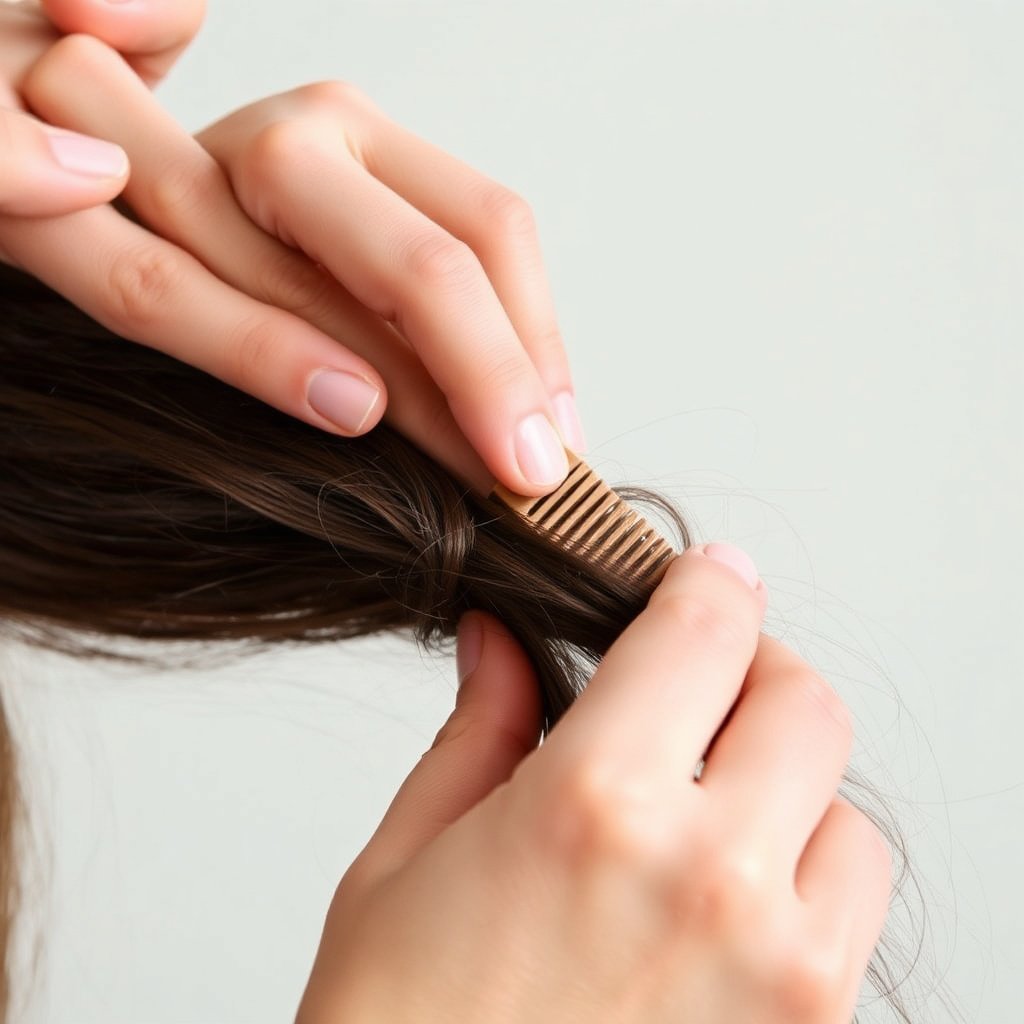
Finger detangling is often preferred for 4C hair because it allows you to feel and gently separate knots without causing excessive tension. Fingers help loosen tangles gradually before using a comb.
Wide-tooth combs with smooth, rounded edges facilitate gentle detangling when used carefully from ends upward. Avoid fine-tooth combs or brushes on dry 4C hair as they risk breakage.
- Start with fingers to loosen knots
- Follow with a wide-tooth comb from ends to roots
- Avoid aggressive tugging to prevent damage
Proper Detangling Method Step-by-Step
Begin detangling at the ends of each section, gently separating knots and moving upward to the roots to minimize pulling on the scalp. Take your time and work on one section fully before starting the next.
Maintain hair moisture during the process by applying water or detangling spray as needed. Patience and gentle touch are key to avoid breakage and preserve hair length.
- Work on small subsections within each main section
- Comb slowly and gently, allowing knots to release naturally
- Pause if hair gets tangled and use extra moisture
Choosing the Best Detangling Products for 4C Hair
Key Ingredients to Look for in Detangling Products
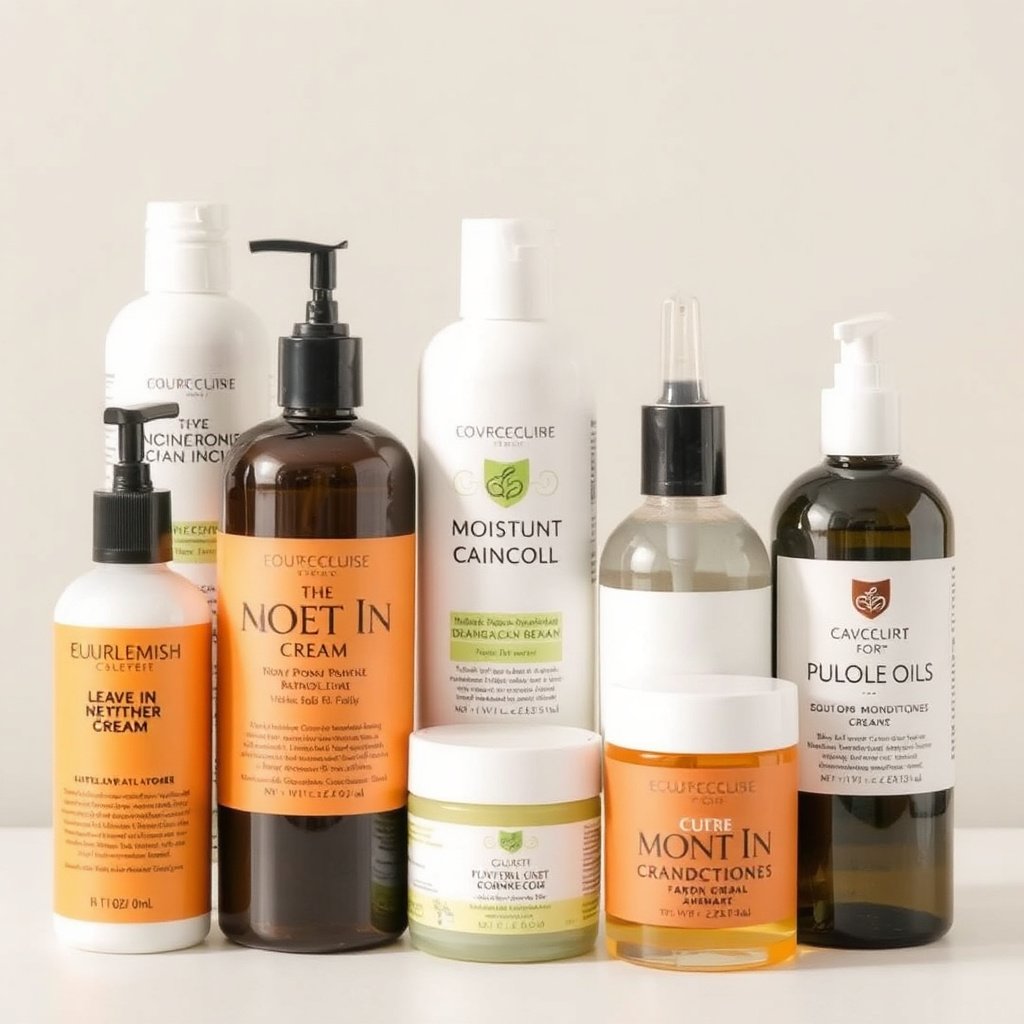
Products rich in humectants like glycerin, emollients like shea butter, and oils such as coconut or jojoba oil provide slip and hydration that facilitates detangling. Avoid products with heavy silicones or sulfates which can dry out hair.
Natural and lightweight formulas that add moisture without buildup help maintain hair softness and flexibility, making the detangling process easier and less damaging.
- Glycerin and aloe vera for hydration
- Shea butter and natural oils for slip
- Protein treatments to strengthen hair
- Avoid harsh sulfates and alcohols
For more on this, see our related guide: Your Guide to Butterfly Locs Crochet Hair: Choosing With Confidence.
Recommended Products for Detangling 4C Hair
Several products stand out for their ability to detangle and moisturize 4C hair effectively. Leave-in conditioners combined with detangling sprays offer excellent slip, while creamy conditioners provide added nourishment.
Using natural oils post-detangling can seal in moisture and reduce frizz. Choosing products designed specifically for natural hair textures and formulated to support moisture retention yields the best results.
- Leave-in conditioners like Cantu Shea Butter Leave-In
- Detangling sprays such as As I Am Leave-In Conditioner
- Oils like Jamaican Black Castor Oil and argan oil
- Moisturizing creams with shea butter
Maintaining Healthy 4C Hair After Detangling

Protective Styling and Night Care
After detangling, protective styles such as twists, braids, or bantu knots preserve moisture and prevent tangling. Additionally, sleeping with satin or silk bonnets and pillowcases minimizes friction that leads to breakage.
Regularly moisturizing hair before bedtime and refreshing styles during the week helps maintain softness and manageability, extending the time between detangling sessions.
- Use satin or silk wraps at night
- Opt for loose protective styles
- Apply light oils to seal moisture
- Avoid styles that strain the scalp
To understand more about 4C hair and its unique features, you can refer to this detailed overview on 4C hair characteristics. 4C hair characteristics on Wikipedia.
Recognizing When to Detangle Again
How often to detangle depends on hair growth and styling preferences, but generally, 4C hair benefits from detangling every one to two weeks to reduce matting. Waiting too long can cause stubborn knots requiring more force to remove.
Frequent detangling without proper moisture can cause damage, so monitor your hair's condition and adjust your regimen to balance care and manageability.
- Schedule detangling based on hair texture and growth
- Assess hair for increased tangling or dryness
- Moisturize before detangling always
- Protect hair between sessions
4C Hair Detangling Product Category Comparison
Below is a comparison of common detangling product categories to help you choose what works best for 4C hair.
| Category | Slip Level | Moisture | Price Range | Ideal Use |
|---|---|---|---|---|
| Leave-In Conditioner | High | High | $10-$20 | Daily detangling and moisturizing |
| Detangling Spray | Very High | Medium | $8-$15 | Quick touch-ups between washes |
| Creamy Conditioner | Medium | Very High | $12-$25 | In-shower detangling and deep hydration |
| Natural Oils | Low | High | $5-$20 | Moisture sealing after detangling |
Frequently Asked Questions
Can I detangle 4C hair when it is dry?
Detangling 4C hair when it is dry can cause breakage since the hair is more fragile without moisture. It is best to detangle when the hair is damp and moisturized to reduce stress on the strands.
How long does it usually take to detangle 4C hair?
Detangling 4C hair varies by length and density but generally requires 30 minutes to an hour due to its tight coiling and fragility, especially when done carefully in small sections.
Are there any tools I should avoid when detangling 4C hair?
Avoid fine-tooth combs, brushes, and rough tools on 4C hair as they can cause damage and breakage. Use wide-tooth combs and your fingers for gentle detangling instead.
How often should I detangle my 4C hair?
Detangle 4C hair every one to two weeks to prevent severe tangling and matting, while balancing moisture retention to avoid over-manipulation.
Is finger detangling better than combing for 4C hair?
Finger detangling gives more control and reduces breakage for 4C hair. It lets you feel knots and loosen tangles gently before using combs, making it a preferred technique.
Key Takeaways
- Always detangle 4C hair when damp and well-moisturized to prevent breakage
- Use finger detangling and wide-tooth combs starting from the ends upward
- Select moisturizing products with natural oils and emollients for slip
- Protect hair post-detangling with styles and silk or satin accessories
Conclusion
Successfully managing and detangling 4C hair centers on gentle, patient methods tailored to its unique texture and fragility. Balancing moisture with slip-enhancing products reduces tension and breakage. Breaking the hair into smaller sections and working gradually ensures knots release without damage, preserving the curl pattern and overall hair health. Detangling 4C hair is not a chore but a deliberate care ritual essential for length retention and healthy growth.
Different product categories such as leave-in conditioners and detangling sprays provide varying levels of slip and moisture suited for various needs. For example, creamy conditioners work well for in-shower deep conditioning and detangling, whereas sprays offer quick detangling assistance during the week. Oils help seal moisture afterward, especially advantaging those with extremely dry strands. Combining techniques — starting with finger detangling before using a wide-tooth comb — produces the gentlest results. Protective styles and night care further extend the benefits of a thorough detangling session.
The next time you approach detangling your 4C hair, focus on moisture preparation, use appropriate products crafted for natural hair, and approach the process slowly in sections. Keep your hair covered with satin materials to reduce friction, and plan to detangle regularly without rushing. With these steps, detangling becomes less stressful, making your curls easier to maintain and enjoy, no matter your hair length or style.