
Best Shampoo for Natural Hair: Top Picks and Buying Tips
Struggling to find the perfect shampoo for your natural hair? You’re not alone. Many people with textured or curly hair face the challenge of keeping their locks clean without drying them out or losing definition.
It can feel like a never-ending search for a formula that truly nourishes and respects your hair’s unique needs. You’ll want a shampoo that gently cleanses without stripping your natural oils, tailored to your unique texture and curl pattern.
Look for sulfate-free, moisturizing formulas with nourishing ingredients like argan, jojoba, and shea butter to boost strength, shine, and curl definition. Avoid harsh chemicals and drying alcohols to keep your scalp healthy and hair resilient.
Finding the right shampoo and care routine will transform your natural hair care. Explore the best choices and expert tips to get started.
Key Takeaways
- Choose shampoos with gentle, sulfate-free cleansers to maintain moisture and prevent stripping natural oils from textured hair. This helps keep your hair healthy and hydrated.
- Match shampoo frequency to your hair type: wavy hair every 3-7 days, curly 7-10 days, coily 10-14 days, and kinky 14-21 days. This way, you avoid over-washing or buildup.
- Look for nourishing ingredients like argan oil, shea butter, aloe vera, and glycerin. These help hydrate and strengthen natural hair, giving it a soft, healthy feel.
- Avoid shampoos with sulfates, parabens, alcohols, harsh chemicals, and synthetic fragrances. These can harm your scalp and hair health over time.
- Incorporate protein shampoos with keratin or biotin to boost hair strength and elasticity. Just make sure to balance moisture so your hair doesn’t get dry.
Why Choosing the Right Shampoo Matters for Natural Hair

Because natural hair has unique textures and moisture needs, choosing the right shampoo plays an important role in keeping it healthy and vibrant. When you select a shampoo designed specifically for natural hair care, you provide your hair with the gentle cleansing it needs without stripping away essential oils. This balance helps maintain moisture, reduces breakage, and promotes overall scalp health.
The shampoo benefits go beyond just cleaning. You’ll notice improved manageability, better curl definition, and less frizz. Using harsh shampoos can leave your hair dry and brittle, but the right formula supports your hair’s natural strength and shine. By understanding how shampoo ingredients interact with your hair, you can avoid common issues like dryness or buildup.
Ultimately, investing time in choosing the right shampoo means you’re actively supporting your hair’s natural beauty and health every time you wash. That’s why it’s an important step in your natural hair care routine.
Identifying Your Natural Hair Type for Shampoo Selection
How do you know which shampoo suits your natural hair best? Start by identifying your curl pattern, whether you have loose waves or tight coils. This affects your hair’s needs.
Next, consider your porosity levels, which determine how well your hair absorbs and retains moisture. If your hair dries quickly, you might need a hydrating shampoo to boost moisture retention.
Assess your hair’s porosity to choose a shampoo that enhances moisture absorption and retention.
Pay attention to your scalp sensitivity too. A gentle, soothing formula can prevent irritation.
Don’t forget hair density, as thick hair may require a richer shampoo to cleanse thoroughly without stripping. Also, factor in seasonal changes that can alter your scalp’s oil production and moisture levels.
Regularly check for product buildup, which can weigh down curls and dull your style. Finally, align your shampoo choice with your styling goals, whether you want volume, definition, or softness, to keep your natural hair healthy and vibrant.
How Often Should You Wash Natural Hair With Shampoo?
How often you wash natural hair with shampoo really depends on your hair’s texture and how your scalp feels. If you’re using heavy styling products, you might need to wash more often to keep buildup at bay. Just pay attention to what your scalp is telling you—that way, you can find a routine that works without stripping your hair.
Frequency Based On Texture
Since natural hair textures vary widely, the ideal shampooing frequency depends on your specific curl pattern and hair needs. Understanding shampoo frequency with texture-specific recommendations helps you maintain moisture and avoid over-washing.
Here’s a quick guide:
| Hair Texture | Shampoo Frequency | Tips |
|---|---|---|
| Wavy (2A-2C) | Every 3-7 days | Use gentle, sulfate-free shampoo |
| Curly (3A-3C) | Every 7-10 days | Focus on moisturizing shampoos |
| Coily (4A-4B) | Every 10-14 days | Opt for sulfate-free, hydrating formulas |
| Kinky (4C) | Every 14-21 days | Use cleansing conditioners or co-washes |
Adjust based on how your scalp feels, but this table gives a solid starting point for your shampoo frequency to keep natural hair healthy and vibrant.
Scalp Health Considerations
Although your hair texture influences shampoo frequency, your scalp’s condition plays an equally essential role in deciding how often you should wash natural hair. If your scalp feels itchy, dry, or oily, adjusting your routine is key. You want to avoid over-washing, which can strip natural oils and disrupt maintaining scalp moisture, or under-washing, which may cause buildup and irritation.
Consider these tips to keep your scalp healthy:
- Use gentle scalp exfoliation techniques once a week to remove dead skin and promote circulation.
- Wash your hair every 7-14 days, adjusting based on scalp oiliness or dryness.
- Apply moisturizing scalp treatments to maintain hydration between washes.
Impact Of Styling Products
Many styling products contain ingredients that can build up on your natural hair and scalp, making it important to adjust your shampooing routine accordingly. The styling impact of gels, creams, and oils often leads to product buildup, which can weigh your hair down and clog follicles.
To maintain healthy, vibrant curls, you should wash your hair with shampoo at least once a week if you use multiple styling products regularly. However, if your routine involves minimal product use, washing every 10 to 14 days might suffice.
Always listen to your hair and scalp. If you notice dullness or itchiness, it’s a sign you need to cleanse more often. Balancing cleansing frequency helps you manage product buildup without stripping natural oils essential for your hair’s health.
How to Shampoo Without Stripping Natural Oils
To protect your natural oils, try using gentle cleansing techniques. For example, massage your scalp with your fingertips instead of scratching with your nails. Also, choose shampoos that have moisturizing formulas—they clean your hair while nourishing it. This way, you help keep your hair healthy and hydrated without stripping away those essential oils.
Gentle Cleansing Techniques
When you shampoo natural hair, you want to cleanse your scalp and strands without stripping away essential oils that keep your hair healthy and moisturized. To do this, focus on gentle cleansing techniques that protect your natural oils while removing buildup.
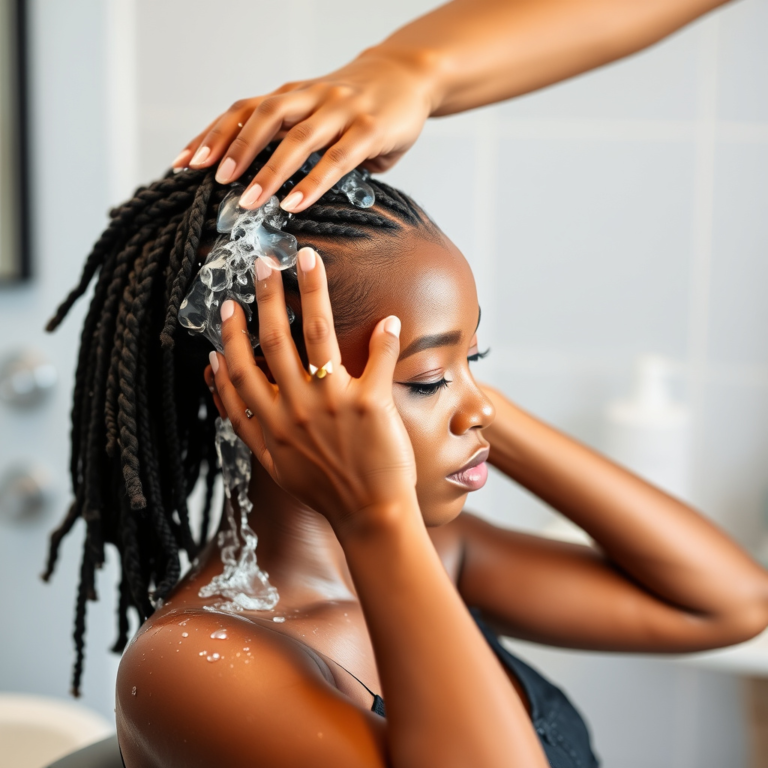
Start by using lukewarm water to open pores and loosen dirt. Incorporate scalp exfoliation techniques, like massaging with fingertips or a soft brush, to remove dead skin without irritation. Choose sulfate-free shampoos that cleanse softly yet effectively.
Finally, avoid over-washing; shampooing once a week or every two weeks helps maintain your hair’s natural balance.
- Use gentle, circular scalp massages to stimulate blood flow and exfoliate
- Rinse thoroughly to remove residue without harsh scrubbing
- Limit shampoo frequency to preserve natural oils and moisture
Choosing Moisturizing Formulas
Although cleansing is essential, choosing moisturizing shampoo formulas guarantees you won’t strip your natural oils while washing. When selecting a shampoo, prioritize formula types designed for moisture retention, like those with hydrating ingredients such as shea butter, aloe vera, or glycerin.
Sulfate-free shampoos are particularly effective because they clean gently without harsh detergents that can dry out your hair. Look for creamy or lotion-based formulas that provide slip and nourishment as you cleanse.
Avoid shampoos loaded with alcohol or strong detergents, as they disrupt your scalp’s natural balance. By picking the right moisturizing formula, you maintain your hair’s natural oils, improve softness, and prevent dryness or breakage.
This way, your natural hair stays healthy, hydrated, and vibrant with every wash.
Ingredients That Nourish vs. Ingredients to Avoid for Natural Hair
Since natural hair thrives on moisture and gentle care, choosing the right ingredients in your shampoo can make all the difference. You want nourishing oils like argan, jojoba, and coconut in your formula. They help lock in moisture and keep your curls soft and manageable. These oils provide essential nutrients that strengthen your strands without weighing them down.
On the flip side, avoid harmful sulfates like sodium lauryl sulfate and sodium laureth sulfate. These harsh detergents strip your hair of natural oils, leaving it dry, brittle, and prone to breakage. Also, steer clear of parabens and alcohols that can dry out your hair or irritate your scalp.
Avoid sulfates, parabens, and alcohols to prevent dryness, brittleness, and scalp irritation.
Look for shampoos with nourishing oils that hydrate and protect, gentle cleansers free of harmful sulfates, and natural extracts that soothe and strengthen hair.
Choosing wisely helps maintain your hair’s health and natural beauty every day.
Top Shampoos for Moisturizing Dry Natural Hair
To restore moisture to dry natural hair, you need shampoos that combine deep hydration with gentle cleansing. Look for formulas rich in ingredients like shea butter, aloe vera, and glycerin, which improve moisture retention without stripping your hair’s natural oils. These shampoos keep your scalp hydrated and prevent dryness that can lead to brittle strands.
Choosing the right shampoo also supports curl definition by maintaining your hair’s natural texture. Hydrating shampoos help curls stay bouncy and well-formed, reducing frizz and boosting shine. Avoid shampoos with harsh sulfates or alcohols that rob moisture and flatten your curls.
Brands that focus on moisture retention often feature mild cleansers and nourishing oils to balance cleansing with hydration. When you pick a shampoo designed for dry natural hair, you’ll notice your curls feel softer, look healthier, and maintain their shape longer. This makes your haircare routine more effective and enjoyable, giving you the moisture boost your natural hair craves.
Best Shampoos for Strengthening and Preventing Breakage
If you want stronger hair, look for shampoos loaded with ingredients like keratin and biotin—they really help keep your strands resilient. Protein shampoos are great too because they can rebuild your hair and gradually reduce breakage. Just be careful to avoid shampoos with harsh chemicals that strip away your hair’s natural oils and make it even weaker.
Key Ingredients for Strength
Although natural hair can be resilient, it still needs the right nutrients to stay strong and prevent breakage. When choosing shampoos, look for key ingredients that act as effective strengthening agents while maintaining moisture balance. These components work together to reinforce your hair’s structure without drying it out.
Here are three essential ingredients to watch for:
- Ceramides: Help rebuild the hair’s protective barrier, locking in moisture and preventing damage.
- Aloe Vera: Provides hydration and soothes the scalp, supporting healthy hair growth.
- Shea Butter: Nourishes strands deeply, enhancing elasticity and reducing breakage.
Benefits of Protein Shampoos
When your natural hair feels weak or prone to breakage, protein shampoos can make a significant difference. These shampoos deliver essential protein benefits by reinforcing your hair’s structure, helping to repair damage and prevent further breakage.
Protein sources like keratin, silk amino acids, and wheat protein penetrate the hair shaft, filling in gaps and strengthening strands from within. Using a protein shampoo regularly boosts elasticity and resilience, making your hair less likely to snap during styling or detangling.
However, it’s important to balance protein treatments with moisture to avoid dryness. By choosing a shampoo rich in quality protein sources, you support healthier, stronger natural hair that can better withstand daily wear and tear.
Avoiding Harsh Chemicals
Balancing protein treatments with moisture is key, but just as essential is steering clear of harsh chemicals that can weaken your natural hair. When choosing a shampoo, look closely at product labels to avoid sulfates, parabens, and silicones that cause scalp irritation and damage hair health.
Opt for shampoos rich in natural ingredients and chemical alternatives designed to maintain your hair’s pH balance. You’ll also want to take into account eco-friendly options and fragrance-free choices, especially if you have a sensitive scalp.
To protect your hair and scalp, remember to:
- Check for gentle surfactants and nourishing botanicals
- Avoid synthetic fragrances and harmful preservatives
- Prioritize shampoos with balanced pH and moisturizing properties
This helps keep your curls strong, hydrated, and breakage-free.
Shampoos That Enhance Shine and Define Curls
To bring out the natural shine and define your curls, you need shampoos that nourish without stripping moisture. Look for formulas packed with shine boosters like argan oil or vitamin E, which add a healthy glow while protecting your hair’s natural oils. Curl amplifiers such as aloe vera or shea butter help maintain your curl pattern, reducing frizz and promoting bounce. These ingredients work together to keep your curls hydrated and vibrant after every wash.
When choosing shampoos, prioritize those labeled as moisturizing or curl-specific to guarantee they cater to your hair’s unique needs. Avoid harsh sulfates that can dull your shine and loosen curl definition. Instead, opt for gentle cleansers that cleanse effectively but leave your curls soft and manageable. Using shampoos with shine boosters and curl amplifiers regularly will make your natural hair look lively, shiny, and beautifully defined without extra effort.
Picking the Right Shampoo for Your Natural Hair
Shampoos that improve shine and define curls set the foundation for healthy natural hair, but picking the right one goes beyond just ingredients. You need to reflect on your scalp sensitivity, hair porosity, and how often you deal with product buildup. Choosing a shampoo tailored to your unique needs helps maintain balance without stripping natural oils or causing irritation.
When selecting your shampoo, keep these points in mind:
- Scalp sensitivity: Opt for gentle, sulfate-free formulas if your scalp tends to be irritated or itchy.
- Hair type and porosity: Match the shampoo to your hair’s moisture needs, whether it’s dry, oily, or somewhere in between.
- Product buildup: Use clarifying shampoos occasionally to remove residue, but avoid overuse to prevent dryness.
Building a Natural Hair Shampoo Routine That Works
When you establish a shampoo routine tailored to your natural hair, you set the stage for healthier, more manageable curls. Start by incorporating pre poo treatments to protect your strands from harsh shampooing. These treatments add moisture and reduce breakage, making your hair easier to detangle and style.
Next, focus on a gentle scalp massage during shampooing. This not only cleanses your scalp but also stimulates blood flow, promoting hair growth and scalp health. Use lukewarm water to avoid stripping natural oils, and choose a sulfate-free shampoo that suits your hair type.
Don’t wash your hair too frequently; once a week or every two weeks often works best to maintain moisture balance. After shampooing, follow up with a nourishing conditioner or deep conditioner to restore hydration. Stick to this routine consistently, and you’ll notice your natural hair becoming softer, stronger, and more vibrant over time.
Frequently Asked Questions
Can Shampooing Frequency Affect Scalp Health in Natural Hair?
Yes, shampooing frequency can definitely affect your scalp health, especially with natural hair. If you shampoo too often, you might strip away natural oils, causing dryness or irritation.
On the other hand, not washing enough can lead to buildup, worsening scalp conditions like dandruff. Choosing the right shampoo types for your scalp condition is key.
You’ll want gentle, moisturizing formulas if you have dry scalp, or clarifying shampoos if you experience excess oil.
Are Sulfate-Free Shampoos Always Better for Natural Hair?
Sulfate-free shampoos aren’t always better for your natural hair. It depends on your hair porosity and how your scalp reacts.
Sulfate alternatives like cocamidopropyl betaine can gently cleanse without stripping moisture, which is great for low porosity hair. However, if you have high porosity hair or heavy product buildup, a shampoo with mild sulfates might work better.
How Do Hard Water and Shampoo Interact With Natural Hair?
Hard water effects on your natural hair are like tiny weights dragging it down. When you shampoo with hard water, minerals like calcium and magnesium build up, causing mineral buildup that leaves your hair feeling rough and dull.
This buildup blocks moisture and prevents your shampoo from fully cleansing, making your curls lose bounce and shine. To fight this, consider using chelating shampoos or a water softener to keep your hair fresh and vibrant.
Can Shampoo Residue Cause Buildup in Natural Hair?
Yes, shampoo residue can definitely cause buildup in your natural hair. When shampoo isn’t rinsed out thoroughly, the leftover residue effects can weigh your hair down, making it look dull and feel greasy.
To avoid this, focus on buildup prevention by rinsing thoroughly and using clarifying shampoos occasionally. This helps keep your hair clean and allows moisture to penetrate better, keeping your natural curls healthy and vibrant.
Is It Necessary to Use Conditioner After Every Shampoo?
You don’t always have to use conditioner after every shampoo, but it’s highly recommended since 85% of people with natural hair see noticeable improvement in hair hydration and manageability when they do.
Conditioner benefits include sealing moisture, reducing frizz, and protecting hair strands from damage. If your shampoo strips natural oils, skipping conditioner can leave your hair dry and brittle.
Conclusion
Choosing the right shampoo can make all the difference in keeping your natural hair healthy and vibrant. Did you know that 70% of people with natural hair see improved moisture retention when using sulfate-free shampoos?
By understanding your hair type and picking nourishing ingredients, you’ll prevent breakage and improve your curls’ shine. Stick to a gentle routine, and your natural hair will thank you with strength and beautiful definition every day.
Remember, the best shampoo for natural hair is one that supports moisture and nourishment while enhancing your curls’ natural beauty.