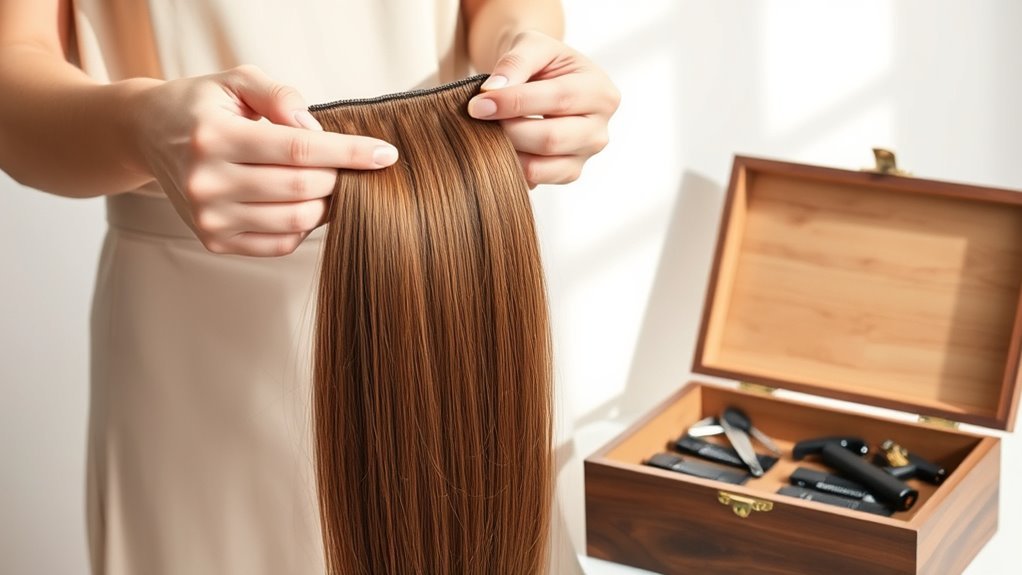
Clip in Hair Extensions Guide: What to Know Before You Buy
Struggling to add length and volume to your hair without committing to a long-term change? You’re not alone. Many people want a quick, damage-free way to enhance their look without spending hours at the salon. Clip-in hair extensions might just be the solution you’ve been searching for.
If you want to instantly add length and volume, clip-in hair extensions are a quick and easy solution. You’ll find lightweight wefts with small clips that attach close to your roots without damage and allow versatile styling.
To get a natural look, match your hair’s texture and color carefully, and follow safe application and removal steps. Proper care and storage also extend their lifespan.
Keep exploring to uncover tips on blending, mistakes to avoid, and where to find the best options.
Key Takeaways
- Clip-in hair extensions provide quick, reusable volume and length with lightweight clips for easy application and removal.
- Choose extensions matching your natural hair texture and color for seamless blending and a natural look.
- Apply extensions starting from the nape with clips secured near roots, and remove gently to avoid hair damage.
- Maintain extensions by washing sparingly with gentle shampoos, brushing knots out, and storing in ventilated containers.
- Avoid common mistakes like color mismatches, improper clip placement, and overusing wefts to ensure balanced, secure wear.
What Are Clip-In Hair Extensions and How Do They Work
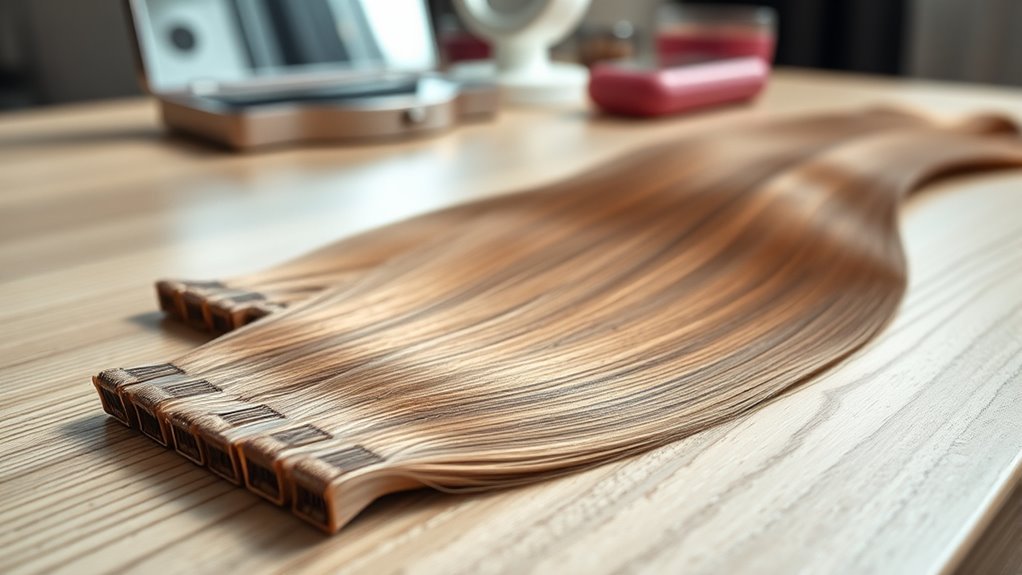
Clip-in hair extensions are a quick and easy way to add length and volume to your hair without any long-term commitment. You simply snap these lightweight wefts into your natural hair with small, secure clips. This means you can change your look whenever you want, making clip-in styles incredibly versatile.
Whether you’re going for a fuller, thicker mane or longer locks for a special occasion, clip-in hair extensions offer an instant transformation. One of the biggest clip-in benefits is their reusability. You can wear them multiple times without damage if you take proper care.
They come in various lengths, colors, and textures, so you can easily match your natural hair or try out new styles. Plus, they’re gentle on your hair since they don’t require glue or heat. If you’re looking for a flexible, damage-free way to improve your hair, clip-ins are a smart choice to investigate.
How to Apply Clip-In Hair Extensions Step-by-Step
Applying hair extensions can seem tricky at first, but with the right steps, you’ll have them looking natural and seamless in no time. Start by sectioning your hair horizontally from ear to ear, clipping the top portion up to expose the lower layers.
Choose the extension style that suits your desired look, whether it’s straight, wavy, or curly. Attach the clip-in wefts close to your roots, snapping each clip securely. Use proper application techniques by starting with the widest weft at the nape of your neck and working your way up with smaller wefts.
Next, release another section of hair and repeat the process until all extensions are applied. Make certain to evenly distribute the clips to avoid bunching.
Finally, run your fingers or a wide-tooth comb gently through your hair to blend the extensions with your natural strands. Following these steps guarantees a flawless application every time.
Tips for Blending Clip-In Hair Extensions Seamlessly
Although placing your extensions correctly is essential, blending them seamlessly with your natural hair truly brings your look together. To achieve a flawless finish, focus on mastering effective blending techniques and styling tips that make the extensions appear natural.
Here are three key tips for seamless blending:
- Layer and Trim: After clipping in your extensions, lightly trim them to match your hair’s layers. This helps blend the lengths and creates a smooth connection.
- Use Heat Styling: Curl or straighten your natural hair and extensions together. This unifies their texture and shape, making the extensions less noticeable.
- Tease and Smooth: Gently tease the roots near the clips for volume, then smooth the top layer of hair to conceal any clips or unevenness.
Common Clip-In Extension Mistakes to Avoid
Mastering blending techniques sets a solid foundation, but even the best efforts can be undone by common mistakes that many make when using clip-in extensions. Avoid application blunders like clipping extensions too close to the scalp or unevenly, which cause discomfort and an unnatural look.
Pay attention to sizing errors. Using too many or too few wefts disrupts balance and volume. Color mismatches are another frequent issue; choosing shades that don’t match your natural hair can be glaringly obvious. Attachment issues, such as improperly secured clips, risk slippage and damage to both your hair and the extensions.
Be cautious of quality concerns. Lower-grade extensions tangle easily and wear out fast. Maintenance mistakes like neglecting regular brushing or washing shorten their lifespan. Styling damages occur when you use excessive heat or harsh products without protection, leading to breakage.
Finally, watch out for removal pitfalls. Pulling extensions out carelessly can cause hair loss or matting. Staying mindful of these will keep your clip-ins looking flawless and healthy.
Choosing Clip-In Extensions That Match Your Hair Type
To get the best look, you’ll want clip-in extensions that match your hair texture perfectly. It’s all about making sure they blend in naturally. And don’t forget—color matching is super important too. When the shade is spot on, your extensions will look seamless. So, let’s take a closer look at how to find the right fit for your hair type and shade.
Hair Texture Compatibility
When you choose clip-in hair extensions, matching the texture of the extensions to your natural hair is essential for a seamless look. Different texture types like straight, wavy, or curly require specific attention to blend well.
Before buying, consider these factors:
- Identify your natural texture type to select extensions that mimic it closely.
- Understand how your preferred styling techniques, such as heat or braiding, will affect both your hair and the extensions.
- Choose extensions made from high-quality material that responds well to your styling methods without damaging your hair.
Matching textures guarantees your extensions look natural and last longer. Plus, adapting styling techniques helps maintain a cohesive appearance. Don’t overlook texture compatibility to achieve flawless results every time.
Color Matching Tips
Matching your clip-in extensions to your hair texture sets a strong foundation, but color plays an equally significant role in creating a natural look. To pick the perfect shade, always check color swatches in various lighting conditions. Natural light reveals the true hue, while indoor lighting can alter perception.
Don’t hesitate to bring a strand of your hair when shopping.
Here’s a quick guide to help you match:
| Hair Color | Suggested Extension Shade |
|---|---|
| Light Blonde | Ash Blonde, Platinum Blonde |
| Medium Brown | Chestnut, Light Brown |
| Dark Brown/Black | Espresso, Jet Black |
| Red/Auburn | Copper, Burgundy |
Using this approach, you’ll find extensions that blend seamlessly with your natural hair.
How to Match Clip-In Hair Extensions to Your Natural Color
How can you guarantee your clip-in hair extensions blend seamlessly with your natural color? Start by carefully comparing color swatches under different lighting effects. Natural daylight provides the most accurate representation, while indoor lights can distort shades. To match your extensions perfectly, follow these steps:
Ensure your clip-in extensions match your hair by comparing swatches in natural and indoor lighting.
- Check in Multiple Lights: View color swatches in natural light, fluorescent, and incandescent lighting to spot any discrepancies.
- Match the Roots and Tips: Your hair might have natural highlights or darker roots, so choose extensions that reflect these subtle variations.
- Test Before Buying: If possible, test a small section by clipping in sample extensions to see how they blend with your hair in various settings.
Materials Used in Clip-In Hair Extensions: What You Should Know
Since the quality of your clip-in hair extensions directly impacts their look and longevity, understanding the materials used is essential. You’ll mainly encounter two types: natural hair and synthetic fibers.
Natural hair extensions offer a realistic appearance and styling flexibility but tend to cost more. Synthetic fibers are budget-friendly and low maintenance but can’t be heat styled and may not blend as seamlessly.
Here’s a quick comparison to help you decide:
| Material | Pros | Cons | Styling Options | Longevity |
|---|---|---|---|---|
| Natural Hair | Looks natural, heat-friendly | More expensive | Can use heat tools | Lasts several months with care |
| Synthetic Fibers | Affordable, low maintenance | Limited styling, less natural | No heat styling | Lasts a few weeks to months |
Knowing these differences lets you pick extensions that fit your lifestyle and desired look perfectly.
How to Care for and Maintain Clip-In Hair Extensions
To keep your clip-in hair extensions looking fresh, you’ll want to follow some simple cleaning and washing tips. It’s not too complicated, and doing this right will make a big difference. Also, storing them properly is just as important if you want to maintain their quality and avoid any damage. So, let’s walk through the best ways to care for and store your extensions together.
Cleaning and Washing Tips
Although clip-in hair extensions don’t require frequent washing, keeping them clean is essential for maintaining their shine and longevity. You should follow a proper cleaning frequency to avoid buildup of oils and dirt.
Here are three key tips for washing your extensions:
- Use gentle washing products specifically designed for extensions or sulfate-free shampoos to prevent damage and dryness.
- Wash your extensions only when necessary, typically after 15-20 wears, to maintain their quality without over-washing.
- Always rinse with cool water and avoid scrubbing; instead, gently massage the shampoo and conditioner to keep the hair smooth and tangle-free.
Following these steps will help your clip-in extensions stay fresh, soft, and extend their lifespan.
Proper Storage Techniques
When you’re not wearing your clip-in hair extensions, storing them properly can prevent tangling, damage, and loss of shape. Start by gently brushing out any knots before placing them in storage containers designed for hairpieces.
These containers keep your extensions protected from dust and physical harm. Choose storage containers with ventilation to help regulate humidity, as excess moisture can lead to mold or frizz. If you live in a humid climate, consider using silica gel packets or humidity control products inside the container to maintain an ideal environment.
Avoid tossing your extensions loosely into bags or drawers, as this causes unnecessary tangling and breakage. By following proper storage techniques, you’ll extend the life of your clip-in hair extensions and keep them looking fresh for every use.
How to Remove Clip-In Hair Extensions Without Damaging Your Hair
Removing clip-in hair extensions carefully is essential to keep both your natural hair and the extensions in good condition. Using proper removal techniques minimizes breakage and guarantees hair protection. Here’s how to do it right:
- Unclip Gently: Start at the back and work your way forward. Open each clip slowly without yanking to avoid pulling your natural hair.
- Detangle Before Removal: Use a wide-tooth comb or your fingers to gently detangle your hair and the extensions. This reduces stress on your strands during removal.
- Avoid Wet Hair Removal: Don’t remove extensions when your hair is wet, as it’s more fragile. Wait until your hair is dry to prevent unnecessary damage.
Where to Buy Affordable Clip-In Hair Extensions
Wondering where to find affordable clip-in hair extensions without sacrificing quality? Start by exploring budget-friendly options from reputable online retailers. Websites like Amazon, Ulta, and Sally Beauty offer a wide range of clip-in extensions at various price points, making it easy to compare and find the best deals.
These online retailers often provide customer reviews and detailed product descriptions, helping you choose extensions that match your hair type and color. Also, check out specialized beauty stores online that focus solely on hair extensions; they often have sales and bundles that provide great value.
Remember to look for 100% human hair options if you want a natural look and longer durability. Shopping online also lets you avoid the markup prices found in some salons, saving you money without compromising quality. By focusing on trusted online retailers and budget-friendly options, you can confidently purchase clip-in extensions that fit your style and wallet.
Frequently Asked Questions
Can Clip-In Hair Extensions Damage My Scalp or Cause Allergies?
Yes, clip-in hair extensions can cause scalp sensitivity or allergic reactions, especially if you have sensitive skin or allergies to certain materials. You should check the extension clips’ metal type and any adhesives used to avoid irritation.
To protect your scalp, try a patch test before full use and avoid wearing them too tightly or for extended periods. If you notice itching, redness, or discomfort, remove them immediately and consult a dermatologist.
How Long Do Clip-In Hair Extensions Typically Last With Regular Use?
Imagine reaching for your clip-in extensions and noticing they still look flawless after months of use. With regular wear, clip-in hair extensions typically last 3 to 6 months.
Their longevity depends on factors like how often you wear them and the care you provide. By following maintenance tips like gentle washing, proper storage, and avoiding heat damage, you’ll extend their lifespan and keep your hair looking fresh and vibrant longer than you might expect.
Are Clip-In Hair Extensions Suitable for All Hair Lengths and Textures?
Yes, clip-in hair extensions can work for most hair lengths and textures, but you’ll need to adjust your application techniques accordingly. If your hair is very short or fine, you might have to be extra careful with placement to avoid slipping or visibility.
For curly or textured hair, matching the curl pattern and maintaining your hair’s health through proper hair maintenance will help the extensions blend seamlessly and last longer.
Can I Style Clip-In Hair Extensions With Heat Tools Like Curling Irons?
Think of your clip-in extensions as delicate petals. They thrive with gentle care. Yes, you can use heat tools like curling irons, but always apply heat protection first to shield those strands.
Your styling options expand beautifully when you respect their fragility. Curl, straighten, or wave, but keep the temperature moderate to avoid damage.
Treat them well, and your extensions will bloom with every style you create.
How Do Clip-In Extensions Affect Washing and Drying My Natural Hair?
When you use clip-in extensions, your hair care routine needs extra attention. You’ll want to avoid washing your natural hair with the extensions clipped in, as this can cause tangling and damage. Instead, remove them before washing and dry your hair thoroughly to maintain scalp health.
Proper extension maintenance means treating your natural hair gently and keeping extensions clean separately. This way, both stay in great condition without compromising each other.
Conclusion
Now that you’re armed with all these tips, you’re ready to transform your look with clip-in hair extensions, no hoop skirt required! Just remember, choosing the right match and caring for your extensions properly keeps your hair healthy and your style flawless.
With a little practice, you’ll blend them seamlessly and avoid common mistakes. So go ahead, adopt this modern beauty hack and enjoy the instant boost of volume and length whenever you want with clip-in hair extensions!