
How to Keep a Wig from Slipping: Effective Tips for Secure Wear
To keep a wig from slipping, the most reliable methods include using wig caps, grip bands, adjustable straps, and applying styling products like wig tape or glue. Ensuring a snug fit and proper preparation of your natural hair and scalp is essential for stable, comfortable wear.
Wigs can shift or slip due to factors like hair texture, scalp oiliness, or improper securing techniques. Slippage not only causes discomfort but also affects appearance and confidence. Addressing these causes with the right tools and practices improves both comfort and style stability.
This guide covers practical ways to keep your wig secure, including the choice of wig caps, the role of wig grip bands, adhesive options, and daily maintenance routines. Whether you wear wigs occasionally or daily, these strategies will help you maintain a natural, slip-free look.
Preparing Your Hair and Scalp for Wig Wear
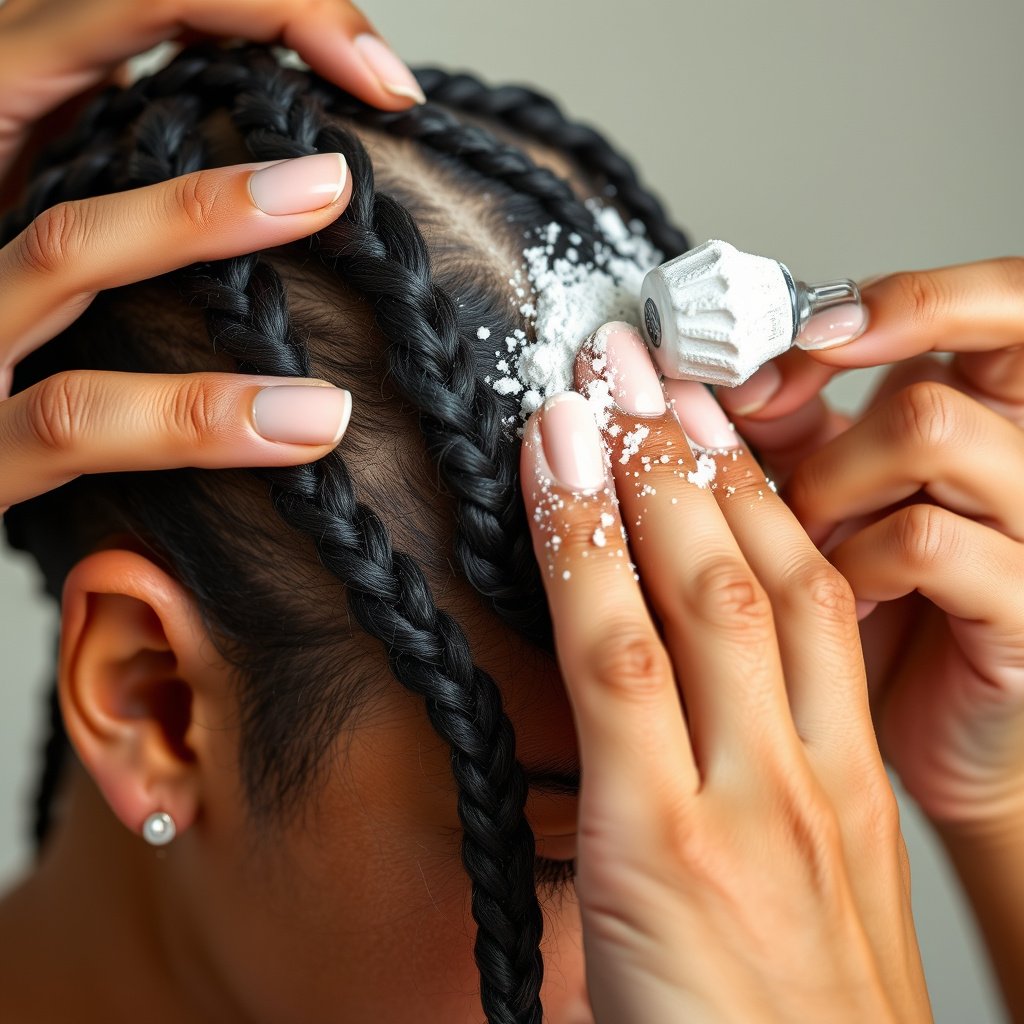
Securing Natural Hair Under the Wig
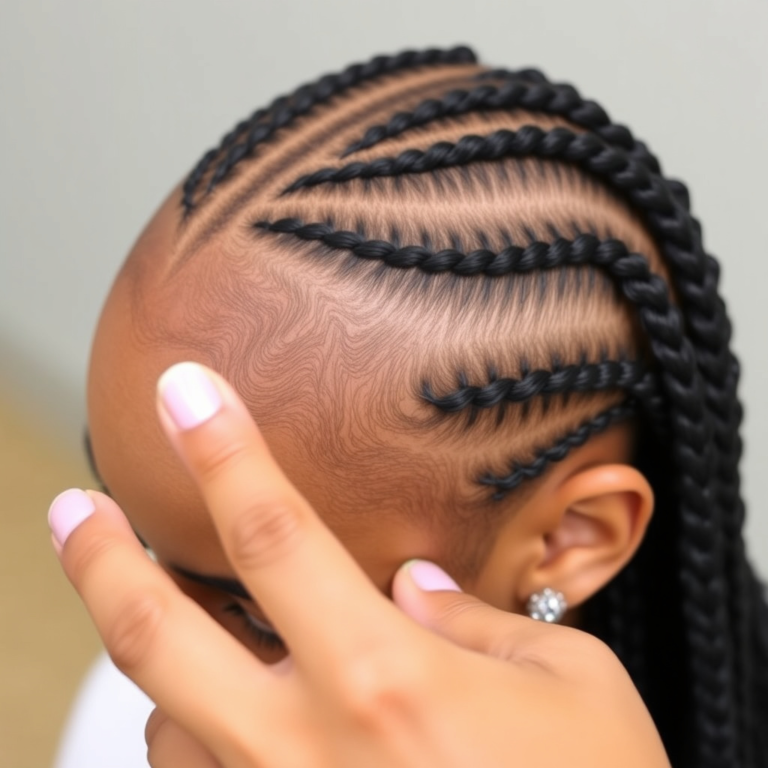
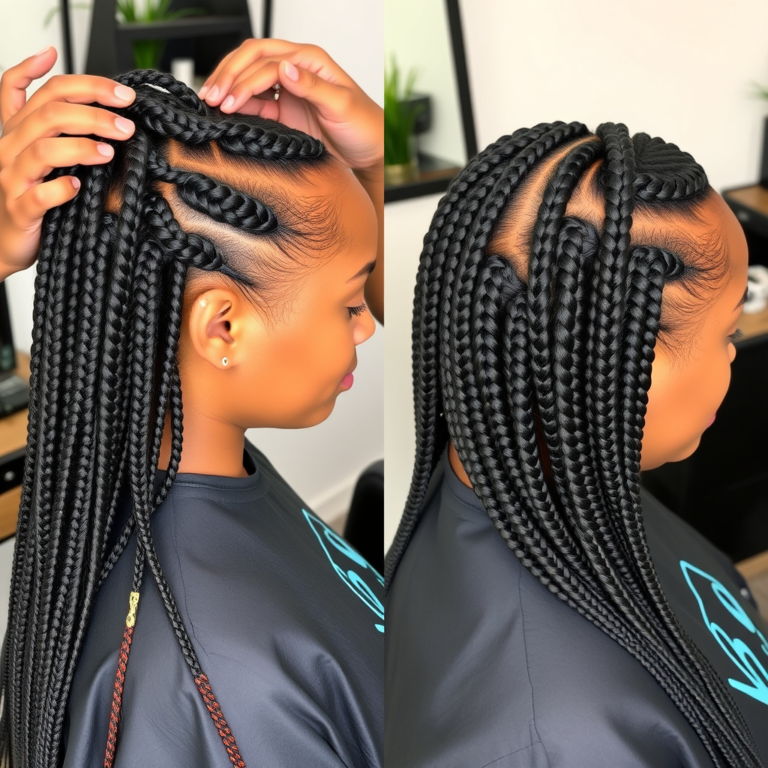
Before putting on a wig, it's important to secure your natural hair to create a smooth, flat base. Braids, cornrows, or flat twists help reduce bulk and prevent uneven bumps that might cause the wig to shift.
Using a silk or satin scarf after braiding can keep hair tight and reduce friction between your natural hair and the wig's interior, promoting stability during movement.
- Braid or cornrow hair flat against scalp
- Use silk scarf to wrap hair before wig application
- Avoid bulky hairstyles under the wig
Prepping the Scalp
Clean, dry scalp conditions are essential to minimize wig slipping. Excess oil or sweat reduces surface grip. Using a light scalp powder or anti-slip wig spray can absorb moisture and create friction.
Some individuals benefit from gently cleansing scalp areas with witch hazel to balance oils without drying out the skin, preparing a better surface for adhesives if used.
- Use oil-absorbing scalp powder
- Apply anti-slip wig spray sparingly
- Avoid heavy moisturizers before wig application
Using Wig Caps and Wig Grip Bands

Choosing the Right Wig Cap
Wig caps provide a secure foundation by keeping natural hair in place and preventing direct contact between your scalp and the wig. Caps vary in material from nylon to cotton, affecting breathability and grip.
Selecting a cap that fits snugly without sliding is key. A tighter cap reduces movement and provides a stable base, while breathable fabrics improve comfort during long wear times.
- Nylon caps for better grip
- Cotton caps for comfort
- Caps that match scalp tone for a natural look
For more on this, see our related guide: How to Make a Lace Wig Look Natural: Expert Tips and Techniques.
Benefits of a Wig Grip Band
A wig grip band is a fabric strip, often velvet-lined, worn along the hairline beneath the wig. It increases friction, holding the wig firmly without adhesives and making wig wear more comfortable.
Wig grip bands come in adjustable sizes and can be trimmed to your head shape. They are reusable, lightweight, and prevent wig slipping effectively during everyday activities.
- Use adjustable straps for a custom fit
- Choose velvet-lined bands for max grip
- Compatible with most wig types
Adhesives and Tape for Extra Security
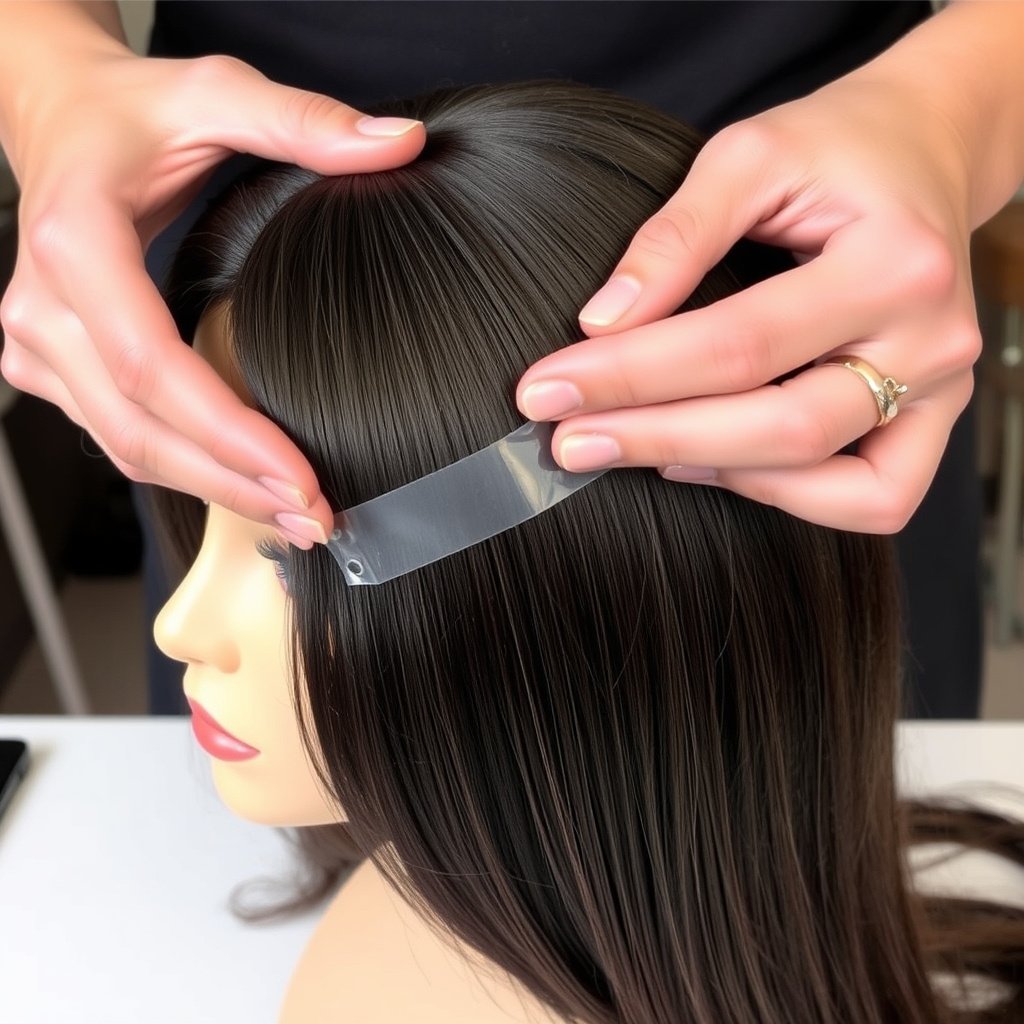
Understanding Different Wig Adhesives
Wig adhesives include tapes, glues, and gels designed to bind the wig to the scalp or wig cap. Tapes are double-sided and simple to use, while liquid glues offer a more permanent hold for longer wear.
Choosing the right adhesive depends on your skin sensitivity, desired hold duration, and wig type. Test adhesives on a small skin area to avoid irritation.
- Double-sided wig tape for easy application
- Liquid adhesives for extended wear
- Skin-friendly formulas to prevent irritation
Application Tips for Adhesives and Tape
Clean the scalp area thoroughly before applying tape or glue. Wait for adhesives to become tacky before securing the wig. Press gently but firmly for an even bond.
Remove adhesives carefully at the end of wear to protect scalp and wig integrity, using remover solutions designed specifically for wig products.
- Clean scalp for better adhesion
- Wait for adhesive to become tacky
- Use proper removers to prevent damage
Adjusting Wig Fit and Styling Techniques
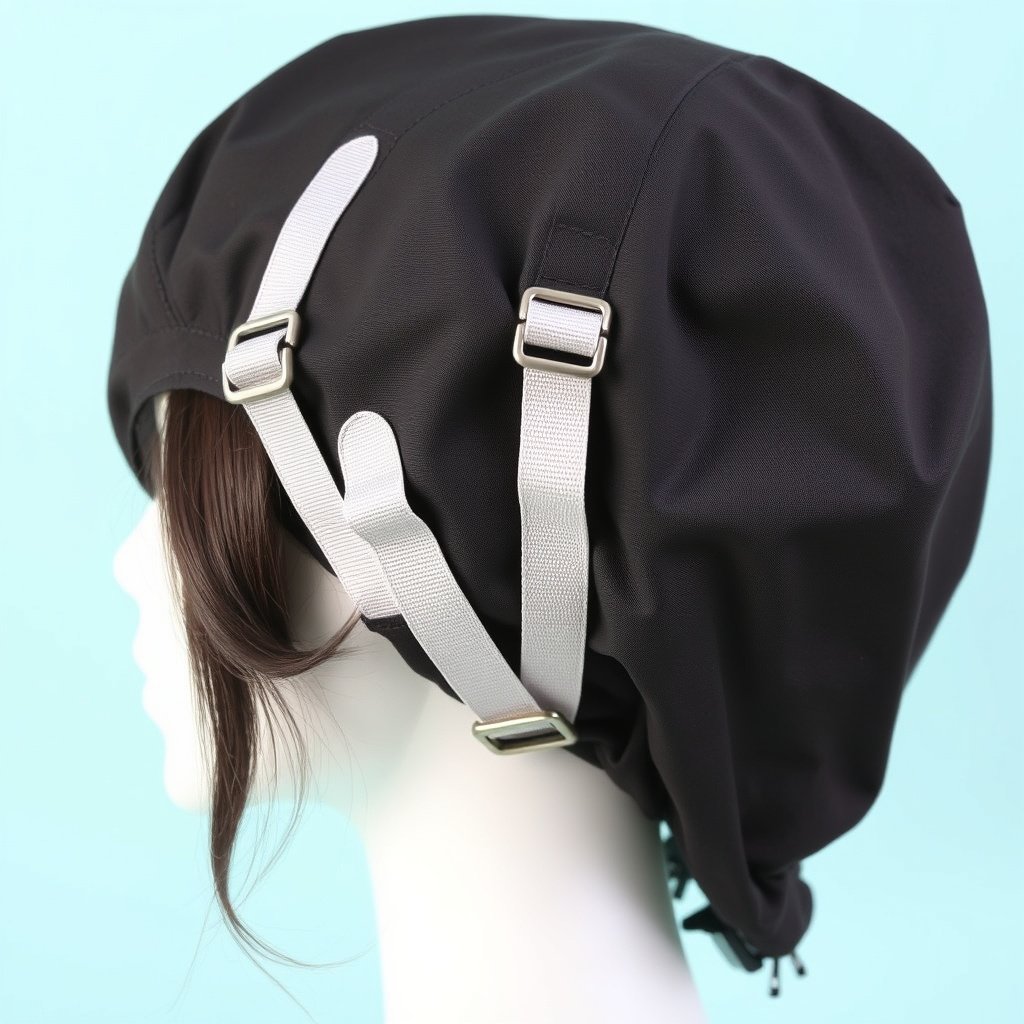
Utilizing Adjustable Straps in Wigs
Most wigs come with adjustable straps on the inside that let you tighten or loosen the fit around your head. Proper adjustment can dramatically reduce slipping by creating a custom-fitted hold.
Check strap condition regularly as elastic bands may stretch over time, and replace them if needed to maintain secure fitting.
- Adjust straps for snug but comfortable fit
- Inspect elasticity regularly
- Replace worn straps for reliability
For more on this, see our related guide: How Often Should You Wash a Wig: Expert Guidelines for Wig Care.
Styling Tips to Enhance Wig Security
Styling your wig in ways that create additional tension—such as braiding front sections or securing with pins—can help keep it anchored. Pinning hair near the sides also adds extra hold.
Avoid overly heavy hair products that can loosen adhesives or reduce fabric grip on wig caps and wig grip bands.
- Use hairpins to secure wig edges
- Light styling products to maintain grip
- Avoid heavy oils or sprays that reduce adhesion
Daily Care and Maintenance for Wig Stability
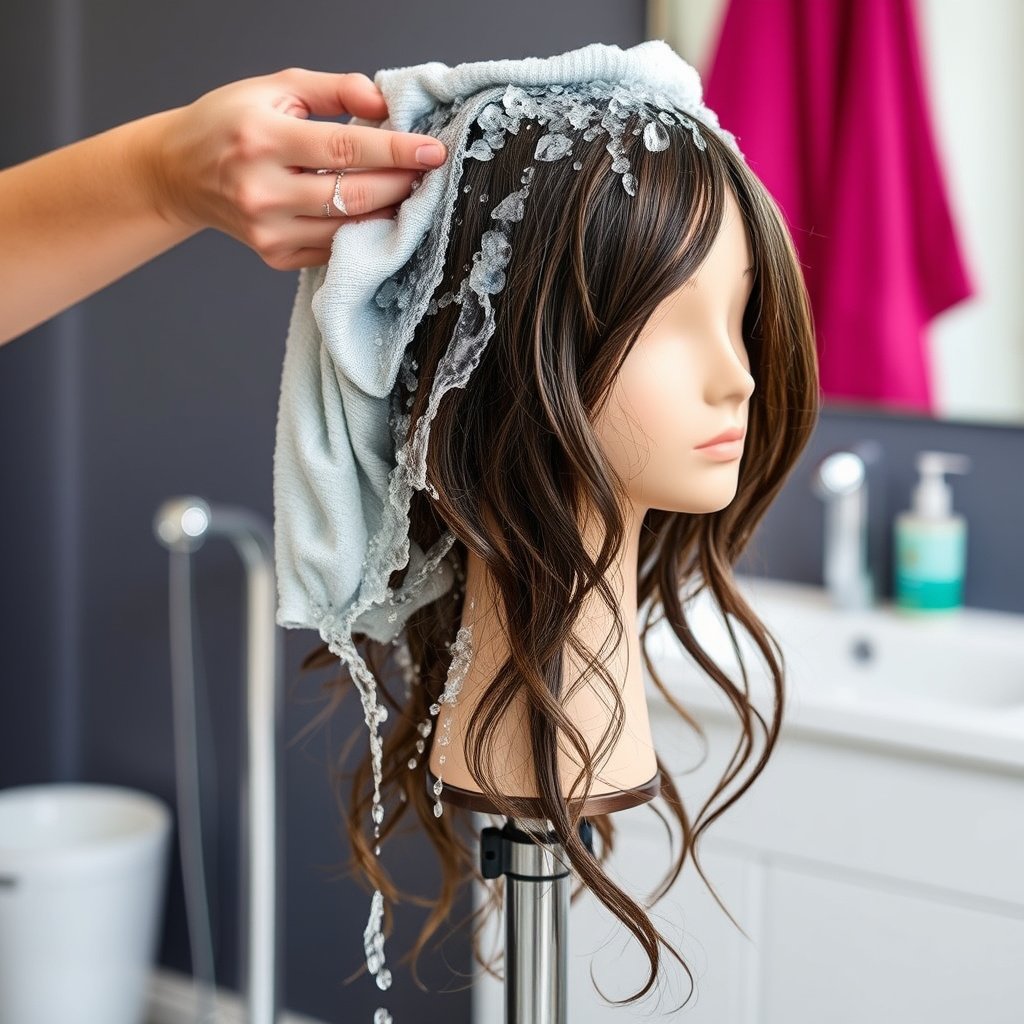
Cleaning and Maintaining Your Wig
Regular cleaning keeps your wig lightweight and prevents buildup that can cause slippage. Use wig-specific shampoos and follow washing instructions carefully to maintain shape and fit.
Rinse thoroughly to remove residue that might affect grip on the scalp or wig cap, prolonging secure wear.
- Wash wig with gentle wig shampoo
- Avoid excessive product buildup
- Dry thoroughly on wig stand
For additional historical and technical information, you can visit the comprehensive wig article on Wikipedia. Wig article on Wikipedia.
Storage Practices to Preserve Wig Shape
Store your wig on a wig stand or mannequin head to retain its original shape and prevent tangling, which can alter fit and cause uneven slipping issues.
Cover the wig during storage to protect from dust and environmental factors that degrade materials impacting grip and fit.
- Use wig stand for storage
- Cover with breathable fabric
- Store in a cool, dry place
Comparison of Wig Security Methods
This table compares popular wig security options based on ease of use, comfort, hold strength, and suitability for different wig types.
| Method | Ease of Use | Comfort Level | Hold Strength | Best For |
|---|---|---|---|---|
| Wig Grip Band | Easy | High | Medium | Everyday wear, synthetic and human hair wigs |
| Wig Tape | Moderate | Medium | High | Short-term use, lace front wigs |
| Liquid Adhesive | Challenging | Medium-Low | Very High | Long-term wear, lace front and full lace wigs |
| Adjustable Straps | Very Easy | High | Low to Medium | All wig types needing fit adjustment |
| Wig Cap | Easy | High | Low to Medium | Foundation for all wig types |
Frequently Asked Questions
Can I wear a wig without any adhesive or grip band?
Yes, some wigs with adjustable straps and properly prepared hair can stay secure without adhesives or grip bands, but these methods generally offer less hold, increasing slippage risk during physical activity.
Is it safe to use wig glue on sensitive skin?
Many wig adhesives are formulated for sensitive skin, but a patch test is recommended to avoid reactions. If irritation occurs, discontinue use and consider alternatives such as wig grip bands.
How often should I replace a wig grip band?
Wig grip bands typically last several months depending on usage and care. Replace them when elasticity diminishes or fabric wears thin to maintain effective grip.
Does scalp oil make wigs slip more easily?
Yes, natural scalp oils can reduce friction between your scalp and wig, causing the wig to shift. Using scalp powder or washing before wig wear helps address this issue.
What should I do if my wig still slips after using a grip band?
Try pairing your wig grip band with adjustable straps or light adhesive tape. Also, double-check that your natural hair and scalp are properly prepped and that the wig size is correct.
Key Takeaways
- Proper hair preparation and scalp care reduce wig slipping risks.
- Wig grip bands offer comfortable, non-adhesive security.
- Adhesives provide the strongest hold but require careful use.
- Adjustable straps and styling techniques enhance overall wig fit.
Conclusion
Choosing how to keep a wig from slipping comes down to understanding your specific needs: the wig type, your daily activities, skin sensitivity, and comfort preferences. A combination of properly preparing your hair and scalp, selecting the right foundation like a wig cap or grip band, and using additional adhesives or adjustments creates the best chance for a stable, confident fit. Each method trades off ease, hold strength, and maintenance, so tailoring your approach is key to comfortable wig wear.
For casual wearers or those sensitive to adhesives, starting with a wig grip band and snug fitting wig cap works well to reduce slippage while allowing easy wig removal. If you need a stronger hold for longer periods or for lace front wigs, applying wig tape or liquid adhesives may be necessary. Adjustable straps inside the wig should never be overlooked as they personalize fit and reduce unnecessary movement. Styling tricks like light pinning further secure the wig, especially during active or windy conditions.
Once you understand these options, your next step is to test combinations that suit your lifestyle and wig type. Experiment with prepping your scalp, trying wig grip bands alongside adjustable straps, and considering mild adhesives for special occasions. Consistent wig care, including regular cleaning and proper storage, will keep your wig fitting securely over time. The right security method can transform your wig-wearing experience into one of comfort and confidence throughout the day.

2 Comments