
How Often Should You Wash a Wig: A Practical Guide for Long-Lasting Wear
Knowing how often should you wash a wig depends mostly on the wig type and how frequently you wear it. Generally, synthetic wigs need washing every 6-8 wears, while human hair wigs can be washed every 10-15 wears or when buildup occurs. Regular cleaning helps maintain the wig's appearance and longevity.
The frequency matters because over-washing can cause premature wear and dryness, especially with synthetic fibers. On the other hand, under-washing allows dirt, oils, and styling products to accumulate, which dulls the wig and irritates your scalp. Striking the right balance preserves the wig’s texture and vibrancy.
This article will explore factors influencing wig washing frequency, tips for proper washing techniques, how to care differently for synthetic versus human hair wigs, and recommended maintenance routines. Understanding these basics will help you keep your wig comfortable and looking fresh for as long as possible.
Factors Influencing How Often Should You Wash a Wig

Usage Frequency and Environment
The more frequently you wear your wig, the sooner it will need cleaning. Daily users might need to wash their wigs every one to two weeks, while occasional users can extend that to a month or more. Environmental factors like heat, humidity, or exposure to smoke and pollution also accelerate dirt buildup.
Sweat from scalp and buildup of styling products directly affect the wig’s need to be washed. If you wear your wig for lengthy periods or during exercise, washing frequency should increase. Conversely, careful use in clean environments allows for longer intervals between washes.
Wig Material: Synthetic vs. Human Hair
Synthetic wigs generally require less frequent washing because their fibers are coated to resist dirt and maintain shape. Over-washing may damage synthetic fibers, causing tangling and loss of style, so washing every 6-8 wears is ideal.
Human hair wigs behave similarly to natural hair and tolerate more frequent shampooing. Washing every 10-15 wears or when grease and product buildup become noticeable works best. They benefit from deeper conditioning treatments during wash routines.
Best Wig Care Routine for Longevity and Appearance
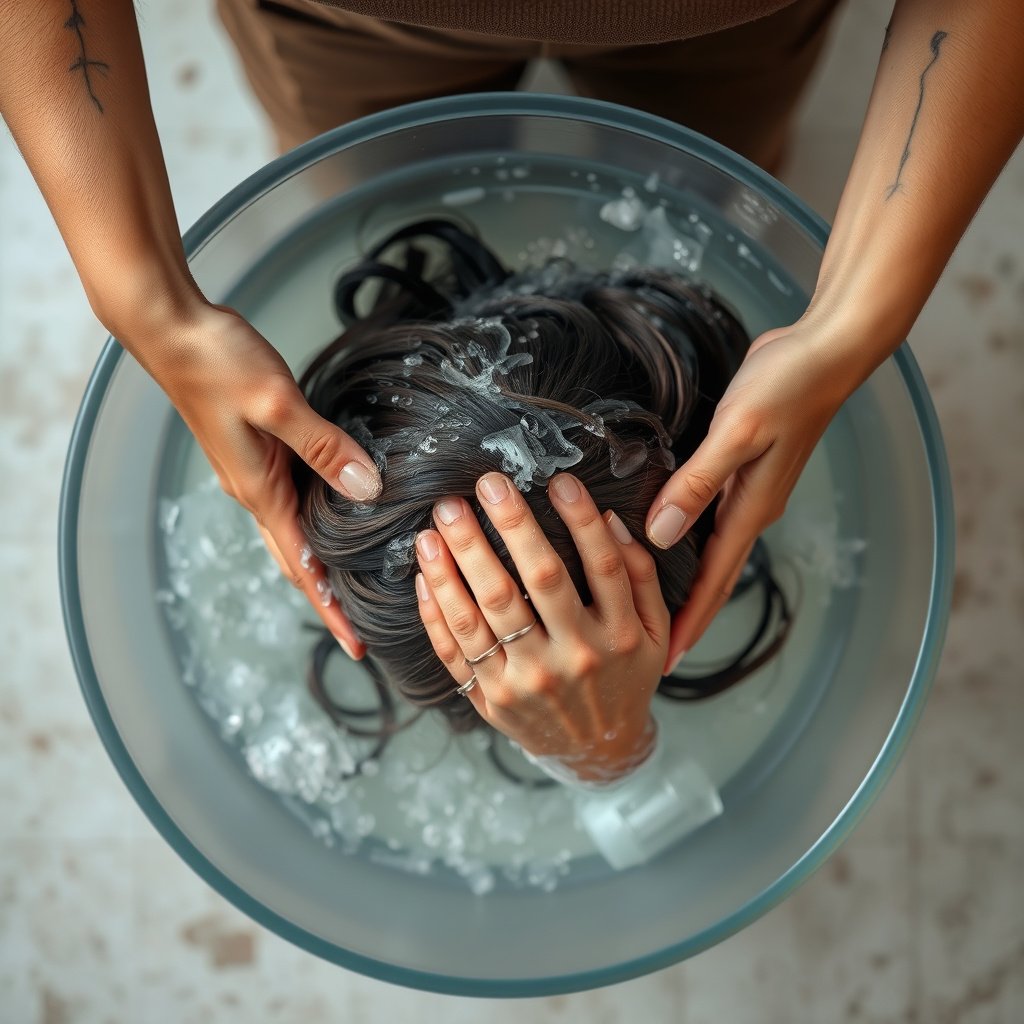
Step-by-Step Washing Process
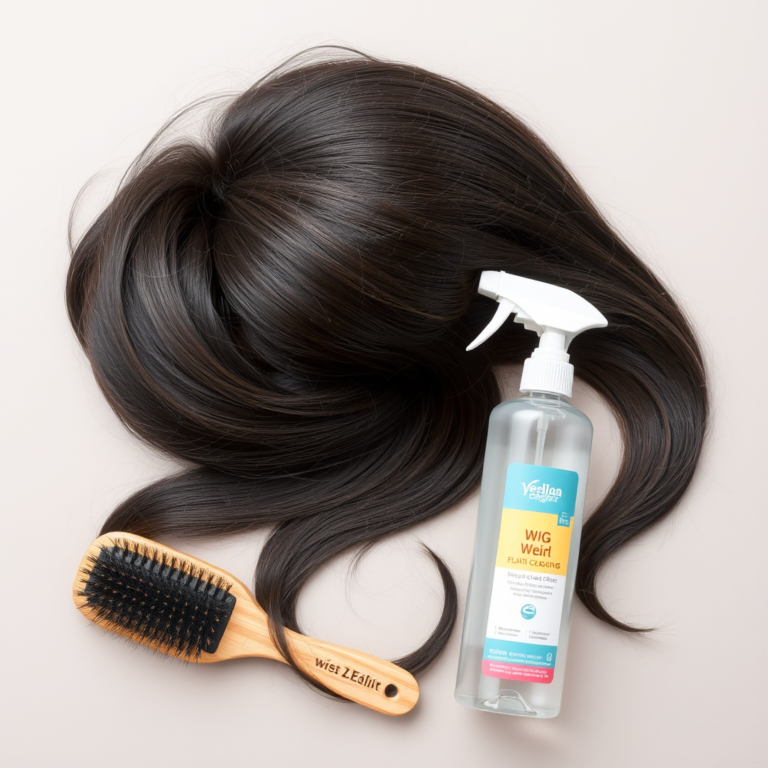
Start by detangling the wig gently with a wide-tooth comb before washing. Use cool or lukewarm water and a wig-specific shampoo to cleanse without stripping natural oils or damaging fibers.
Soak the wig briefly, swirl gently but avoid rubbing or wringing. Rinse thoroughly and apply conditioner designed for wigs, focusing on ends for human hair types. Air dry on a wig stand away from direct heat sources to retain shape and softness.
- Use wig shampoo and conditioner only
- Avoid hot water to prevent fiber damage
- Air dry on wig stand to maintain style
Daily Maintenance Between Washes
Brushing or combing your wig daily using proper tools prevents tangles and buildup. Use a wig brush or wide-tooth comb starting from ends, moving upward gently. Avoid excessive styling products, which shorten intervals between washes.
After wearing, store the wig on a stand to maintain form and prevent dust accumulation. Spot clean small stains with a damp cloth when needed instead of full washes to extend the wig’s lifespan.
- Use wide-tooth comb or wig brush
- Store on wig stand when not in use
- Spot clean between washes
Caring for Synthetic Wigs

Washing Frequency Specific to Synthetic Fibers
Synthetic wigs hold their style even after washing better than human hair wigs but are sensitive to heat and chemicals. Washing them every 6-8 wears is generally sufficient unless exposed to sweat or heavy product buildup.
Using specialty synthetic wig shampoos that refresh fibers without weighing them down promotes longevity. Avoid daily washing to prevent dullness and fiber weakening.
- Wash every 6-8 wears
- Use synthetic wig shampoo only
- Avoid heat styling
For more on this, see our related guide: Can You Straighten a Human Hair Wig? Practical Tips and Techniques.
Detangling and Styling Tips
Synthetic wigs should be detangled with a wide-tooth comb while dry to avoid stretching or damaging fibers. When styling, only use products and tools made for synthetics, avoiding heat unless the wig is heat-resistant.
Regularly finger-style curls or waves instead of brushing to minimize fiber stress. Store with care to prevent tangling and matting between uses.
- Detangle when dry with wide-tooth comb
- Use heat-free styling products
- Finger style curls or waves
Caring for Human Hair Wigs

Ideal Washing Schedule for Human Hair Wigs
Human hair wigs can be washed more frequently than synthetic types, typically after 10-15 wears depending on usage and product buildup. Since they behave like natural hair, treating them with moisturizing shampoos and conditioners is essential.
Regular washing restores natural sheen, removes oils, and prevents scalp irritation. Over-washing, however, should still be avoided to keep hair healthy and elastic.
- Wash every 10-15 wears
- Choose moisturizing shampoo and conditioner
- Avoid washing daily
Styling and Heat Care Advice
Human hair wigs allow for heat styling with tools like curling irons and straighteners. Use heat protection sprays and avoid excessive or very high temperatures to prevent damage.
Styling can be refreshed between washes by lightly misting with water or leave-in conditioner. Proper care extends the wig’s natural look and life significantly.
- Use heat protectant sprays
- Style on low to medium temperature
- Refresh styles with misting or leave-in conditioner
Recognizing When Your Wig Needs Washing

Signs of Dirt and Buildup
Visible dullness, dryness, or grease are clear indicators that the wig requires washing. A heavy or sticky feel often results from accumulated oils, sweat, or product residue.
Odors, itching, or scalp irritation while wearing the wig also signal it's time for a thorough wash. Attuning to these signs prevents discomfort and maintains wig quality.
For more on this, see our related guide: Can You Sleep in a Wig? What You Need to Know Before Bedtime.
When to Rethink Washing Frequency
Lifestyle changes such as increased physical activity or moving to dustier environments can make more frequent washing necessary. Similarly, change in wig usage patterns—like daily wear versus occasional—requires adjustment of your care routine.
Experimenting with washing intervals and observing how your wig responds helps find the best personalized routine.
Additional Tips for Extending Wig Lifespan
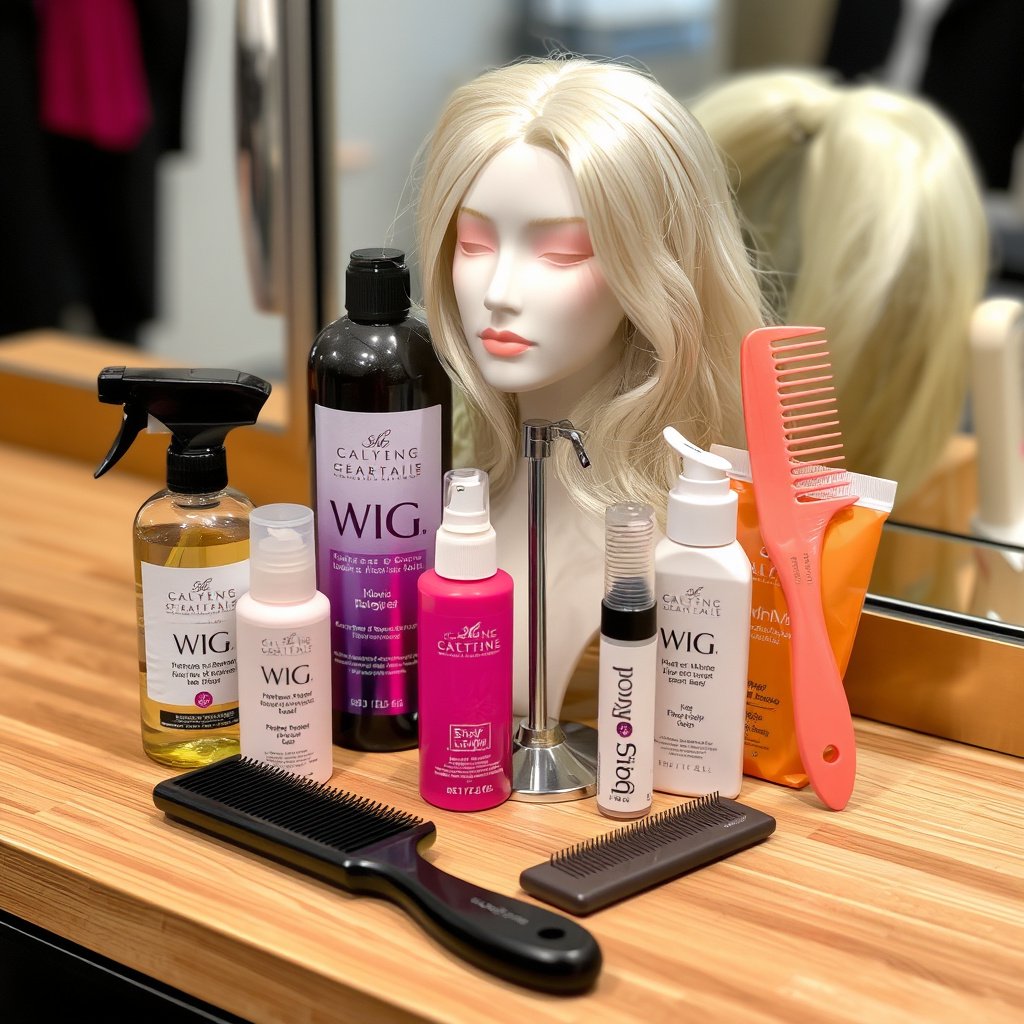
Proper Storage Practices
Storing wigs on stands supports their shape and avoids tangling or flattening. Keep them in cool, dry places away from direct sunlight to prevent color fading and fiber weakening.
Use breathable wig bags or covers to protect from dust and pests when not in use for extended periods.
- Store on wig stands
- Avoid sunlight and heat
- Use breathable storage bags
For additional detail on wig types and their care, refer to this comprehensive resource on wig care and maintenance. Wig care and maintenance.
Avoiding Damage From Chemicals and Heat
Exposure to harsh chemicals, such as chlorine in swimming pools or excessive hairspray, can harm both synthetic and human hair wigs. Minimize contact to prolong wig integrity.
Limit heat exposure, especially for synthetic wigs, but also moderate human hair wig styling to prevent fiber damage and split ends.
- Avoid pool and harsh chemicals
- Use minimal heat styling
- Choose gentle styling products
Wig Types and Washing Frequency Comparison
This table compares synthetic and human hair wigs regarding washing frequency, care needs, styling options, and durability.
| Wig Type | Recommended Washing Frequency | Styling Flexibility | Care Complexity | Typical Lifespan |
|---|---|---|---|---|
| Synthetic Wig | Every 6-8 wears | Limited (heat-resistant options available) | Moderate; avoid heat and harsh shampoos | 4-6 months with regular use |
| Human Hair Wig | Every 10-15 wears | High; similar to natural hair | Higher; requires moisturizing and heat care | 12 months or more with proper care |
| Heat-Resistant Synthetic | Every 6-8 wears | Good; can handle low heat styling | Moderate; careful heat use | 6-8 months |
| Blended Wigs (Human + Synthetic) | Every 8-12 wears | Moderate; heat styling cautiously | Medium; tailored care for fibers | 8-10 months |
Frequently Asked Questions
Can washing a wig too often damage it?
Yes, frequent washing especially of synthetic wigs can weaken fibers, cause tangling, and shorten the lifespan. Aim to wash according to the recommended schedule based on your wig type.
Is it necessary to use special shampoos for wigs?
Using shampoos designed specifically for wigs is recommended because they gently cleanse without stripping essential oils or damaging synthetic fibers, preserving wig quality.
How can I refresh my wig between washes?
You can spot clean stains, gently comb out tangles, and lightly mist with water or leave-in conditioning spray to refresh your wig and extend time between full washes.
Does human hair wig require the same care as natural hair?
Human hair wigs respond well to many of the same care practices as natural hair, including moisturizing, gentle detangling, and heat protection, though they also need special consideration to maintain their wig structure.
How do I know if my wig needs washing even if I haven’t worn it often?
Dust accumulation and odor can build up even with limited use, so inspect your wig for these signs and wash when it feels dirty, sticky, or has an unpleasant smell regardless of wear frequency.
Key Takeaways
- Wash synthetic wigs every 6-8 wears, human hair wigs every 10-15 wears.
- Use wig-specific shampoos to protect fibers and maintain appearance.
- Daily gentle detangling and proper storage extend wig lifespan.
- Adjust washing frequency based on usage, environment, and buildup signs.
Conclusion
Determining how often should you wash a wig requires balancing usage patterns, wig material, and environmental factors. Understanding whether your wig is synthetic or human hair, combined with noticing signs like buildup and odor, guides an effective washing schedule that avoids damage or premature aging. Careful observation and routine adjustment help maintain comfort and aesthetic over time.
For daily or frequent wig wearers, synthetic wigs usually call for washing every 6-8 uses, while human hair wigs allow a bit more flexibility at 10-15 wears between washes. Incorporating a best wig care routine—such as using specialized shampoos, avoiding harsh chemicals, and storing properly—makes a notable difference in durability. Heat-resistant synthetics offer styling versatility but still need mindful washing frequency to keep fibers intact.
Begin monitoring your wig’s condition with these guidelines and tweak your washing routine accordingly. If unsure, prioritize gentle care and spot cleaning to extend intervals. Ultimately, consistent maintenance plus correct washing timing ensures your wig remains fresh, comfortable, and visually appealing well beyond initial purchase.

One Comment