How to Make a Wig Look Natural: Expert Tips for a Realistic Hairline and Seamless Blend
Making a wig look natural starts with understanding key techniques that mimic real hair growth and scalp texture. From choosing the right wig cap to blending the hairline, these steps create a convincing, wearable look without obvious signs of a wig.
A natural wig improves confidence and comfort, whether for fashion, medical reasons, or cosplay. Poorly styled wigs often reveal their artificial nature through shapeless construction, unnatural color, or an obvious hairline attachment. Tackling these issues upfront improves the illusion and helps maintain the wig’s integrity over time.
This article will cover essentials like selecting the perfect wig base, preparing the hairline for blending, styling tips for texture and movement, and upkeep advice to keep your wig looking realistic day after day.
Choosing the Right Wig Base for a Natural Look
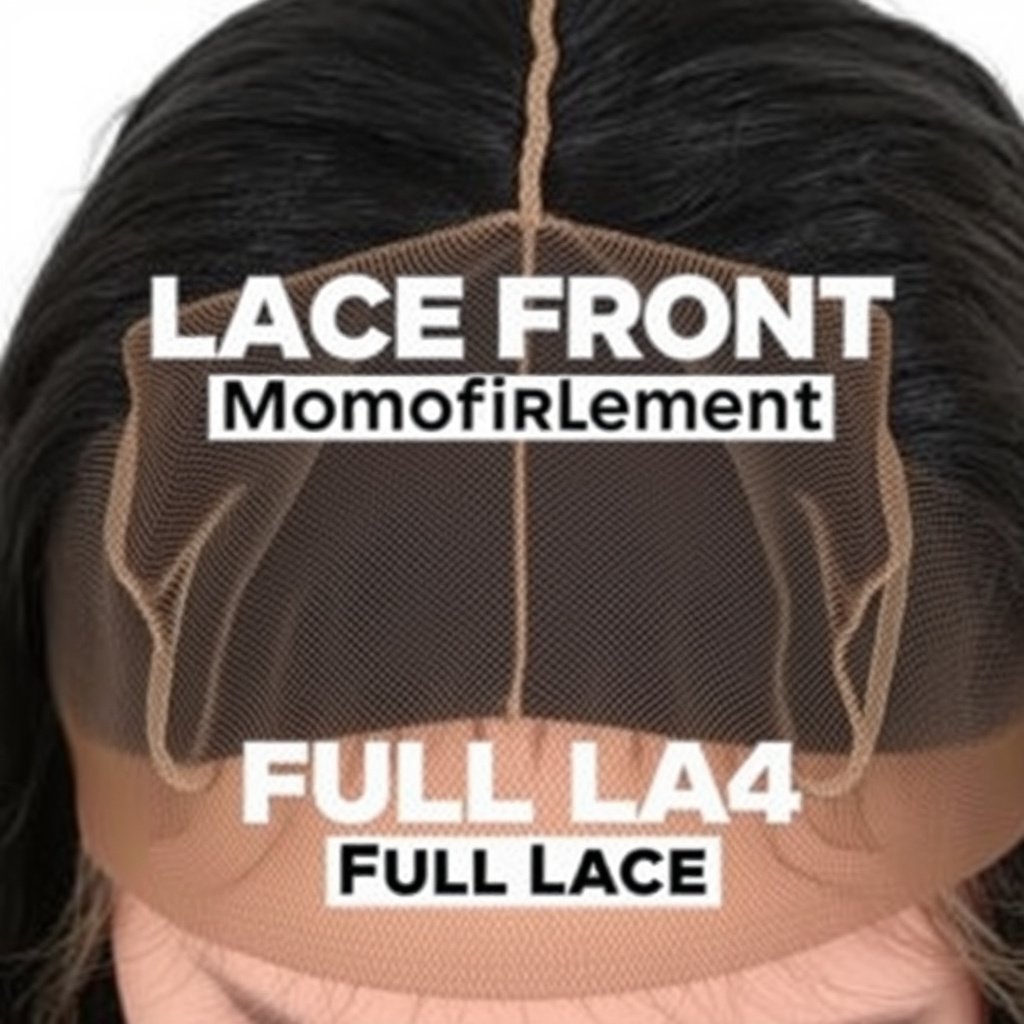
Understanding Wig Cap Types
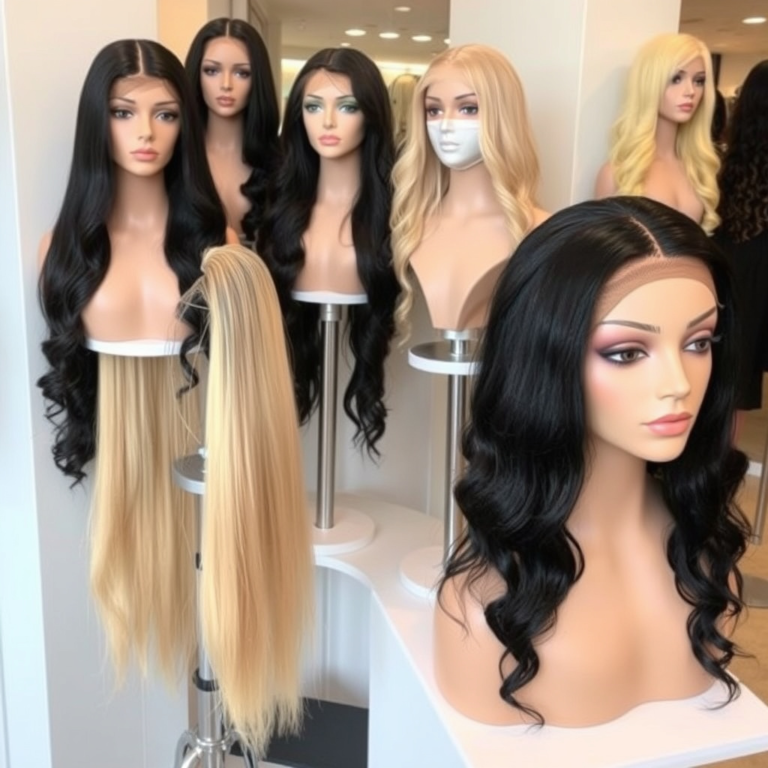
Wig bases come in several styles that influence how natural they appear. Lace front wigs provide a sheer mesh along the front hairline that allows hair to seem like it’s growing directly from your scalp.
Monofilament caps feature tiny mesh sections throughout the crown for multidirectional parting and natural movement. Full lace wigs have the most versatility and realism, enabling styling in updos and ponytails with a consistent scalp look.
- Lace front: best for natural hairline appearance
- Monofilament: allows realistic parting in multiple directions
- Full lace: highest customization and natural look
Selecting the Right Color and Texture
Picking a wig color and texture that complements your skin tone and natural hair texture prevents a stark mismatch. Avoid wigs with overly shiny synthetic fibers; human hair or high-quality fibers with a matte finish look more natural.
Subtle highlights or lowlights within the wig’s hair can mimic natural hair variations, helping avoid a flat or artificial appearance.
- Match wig color closely to complexion
- Choose human hair or high-quality synthetic fibers
- Select textures similar to your natural hair
Preparing the Hairline for a Seamless Blend
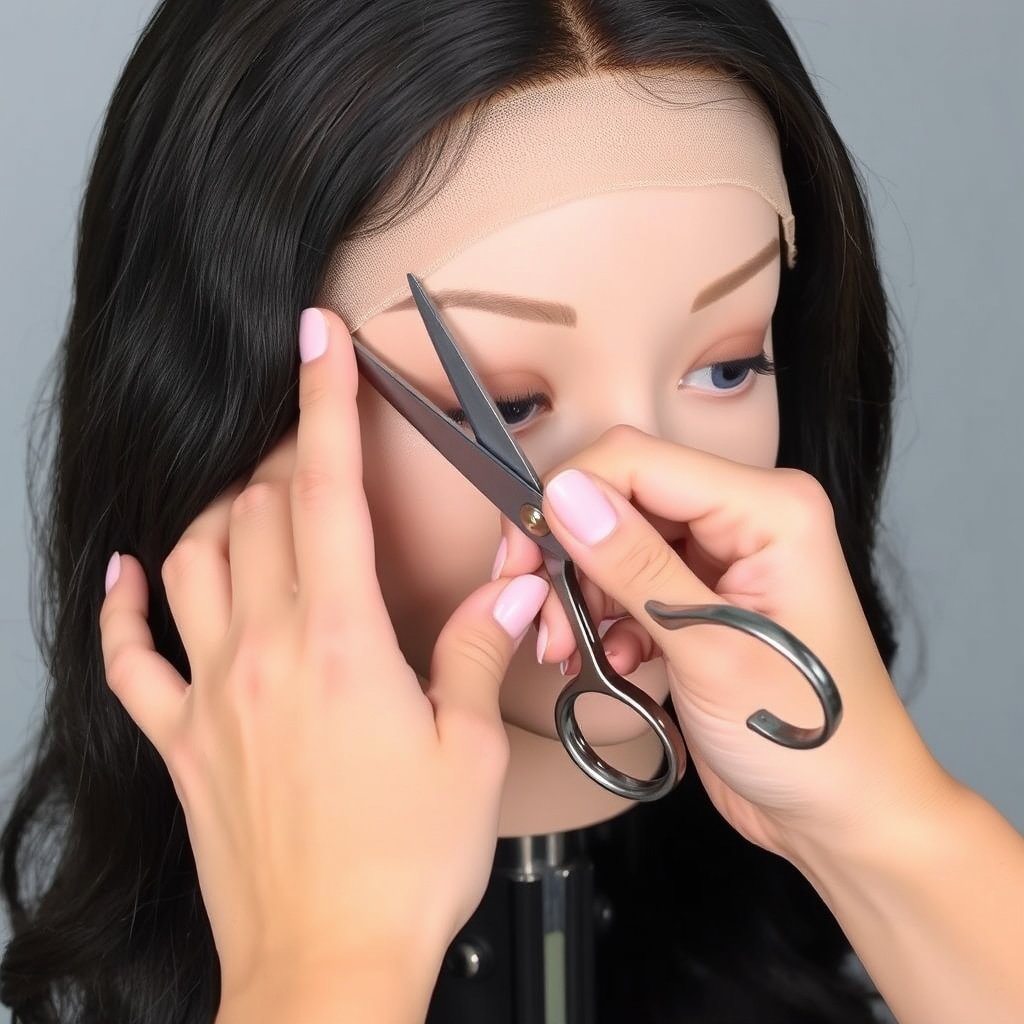
Trimming the Lace Front Carefully
Properly trimming the lace on a lace front wig is crucial for a discreet hairline. Cut the lace close to the hairline but avoid too much trimming which risks compromising the lace's integrity and natural look.
Use small scissors and trim in small increments, following the natural curve of your hairline. This prevents jagged edges that might stand out.
For more on this, see our related guide: How to Install a Glueless Wig: A Step-by-Step Guide for a Secure Fit.
Creating Baby Hairs for Realism
Baby hairs imitate the fine, wispy hairs naturally found along human hairlines. Carefully pluck or trim some hairs from the front of the wig to create these subtle strands.
Use a small toothbrush or spoolie with some styling gel or mousse to gently lay baby hairs flat in a natural direction. This technique softens the wig hairline for a realistic transition to your forehead.
- Pluck hairs to create softness
- Style with gel or mousse for laydown
- Avoid too many baby hairs which look unnatural
Styling Techniques to Enhance a Natural Wig Look
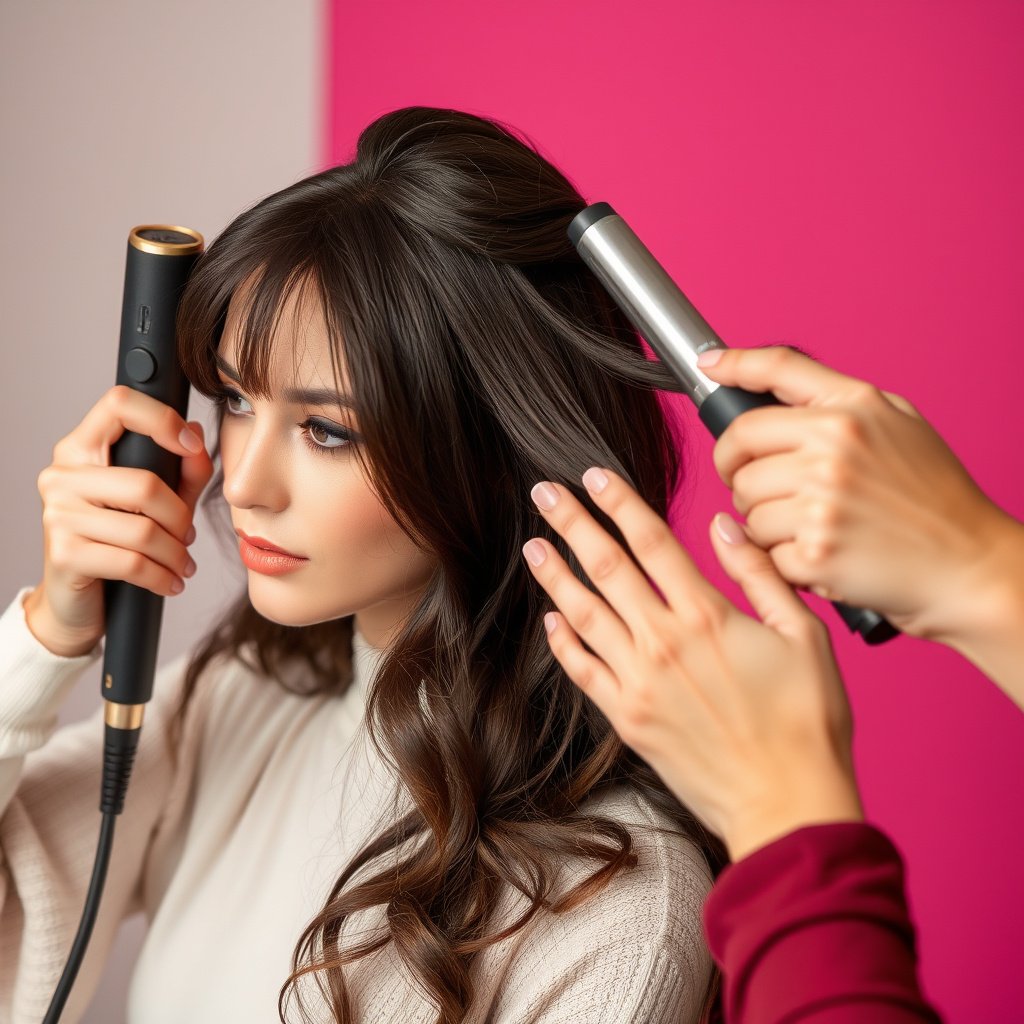
Adding Layers and Texture
Cutting layers into the wig hair can help remove bulk and create movement similar to natural hair. Layers break up blocky or overly uniform strands, giving depth and dimension.
Texturizing techniques like razoring ends or using styling products create a lived-in look. For synthetic wigs, use heat-safe tools only, and for human hair wigs, consider gentle curling or wave creation.
- Use razor cutting to add softness
- Create subtle waves or curls
- Avoid excessively uniform cuts
Blending the Wig with Your Natural Hair
When possible, blend your own hairline with the wig to reduce obvious transitions. This is especially helpful for lace front wigs where a bit of your natural hairline can peek through.
Use styling gels or powders near the part to camouflage gaps between the wig and your skin, making the overall style more cohesive.
- Use powders to conceal scalp gaps
- Pin natural hair softly behind ears
- Match textures where wig meets skin
Maintaining Your Wig’s Natural Appearance
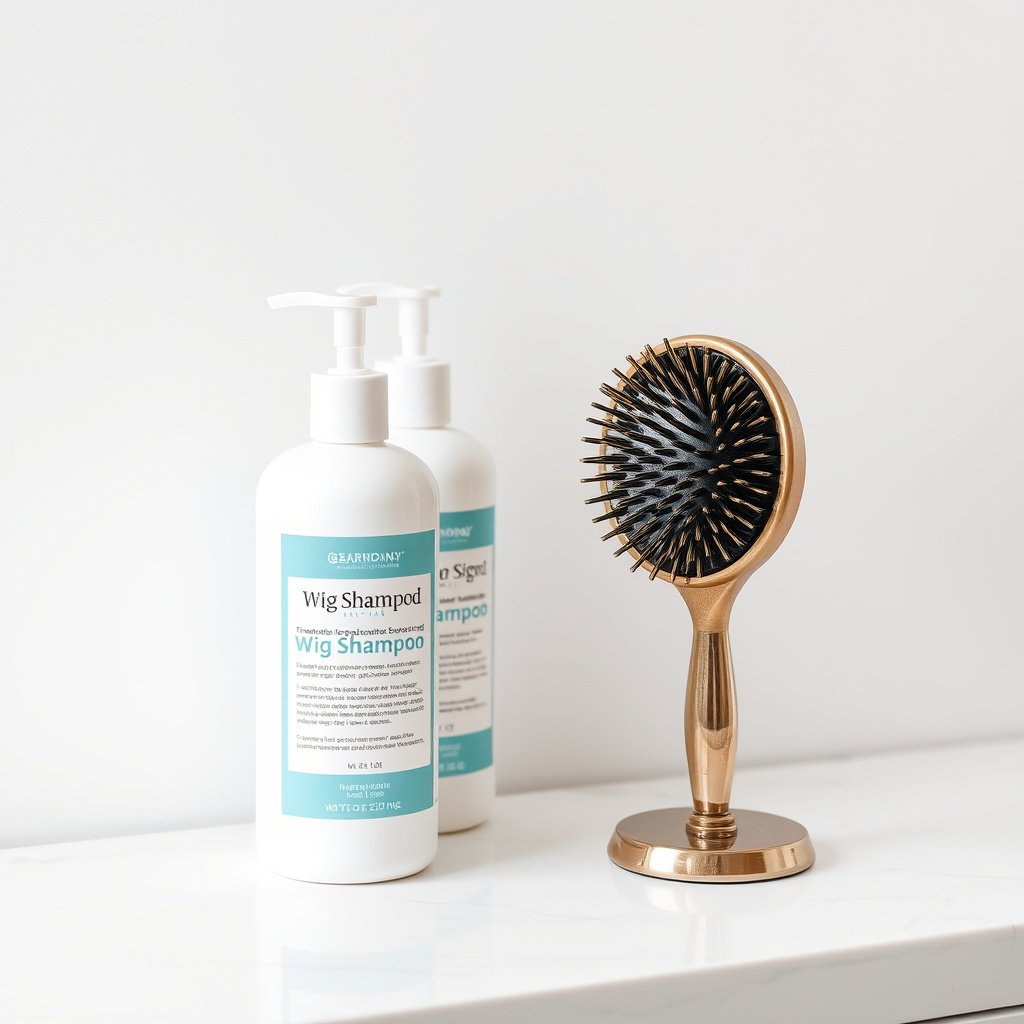
Proper Washing and Conditioning
Regular washing with wig-specific shampoos and conditioners preserves softness and appearance. Harsh shampoos strip natural oils, leaving wigs dull and rough.
Always use cool or lukewarm water and avoid vigorous scrubbing. Instead, gently press shampoo through the hair, rinse thoroughly, and apply conditioning to keep fibers hydrated and soft.
- Use gentle wig shampoo and conditioner
- Avoid hot water that damages fibers
- Allow wig to air dry on a stand
For more on this, see our related guide: How to Do Eye Makeup: Step-by-Step Techniques for Stunning Looks.
Storage and Protection Tips
Store wigs on a breathable stand or mannequin head to keep their shape between wears. Cover with a silk or satin scarf to prevent dust accumulation and fiber tangling.
Avoid prolonged sun exposure which can fade colors and reduce fiber lifespan. Use wigs sparingly with heat styling tools to preserve integrity.
- Use wig stand for air circulation
- Protect from sun and dust
- Limit heat styling frequency
Advanced Tips for Personalizing Your Natural Wig
Tinting and Scalp Camouflage
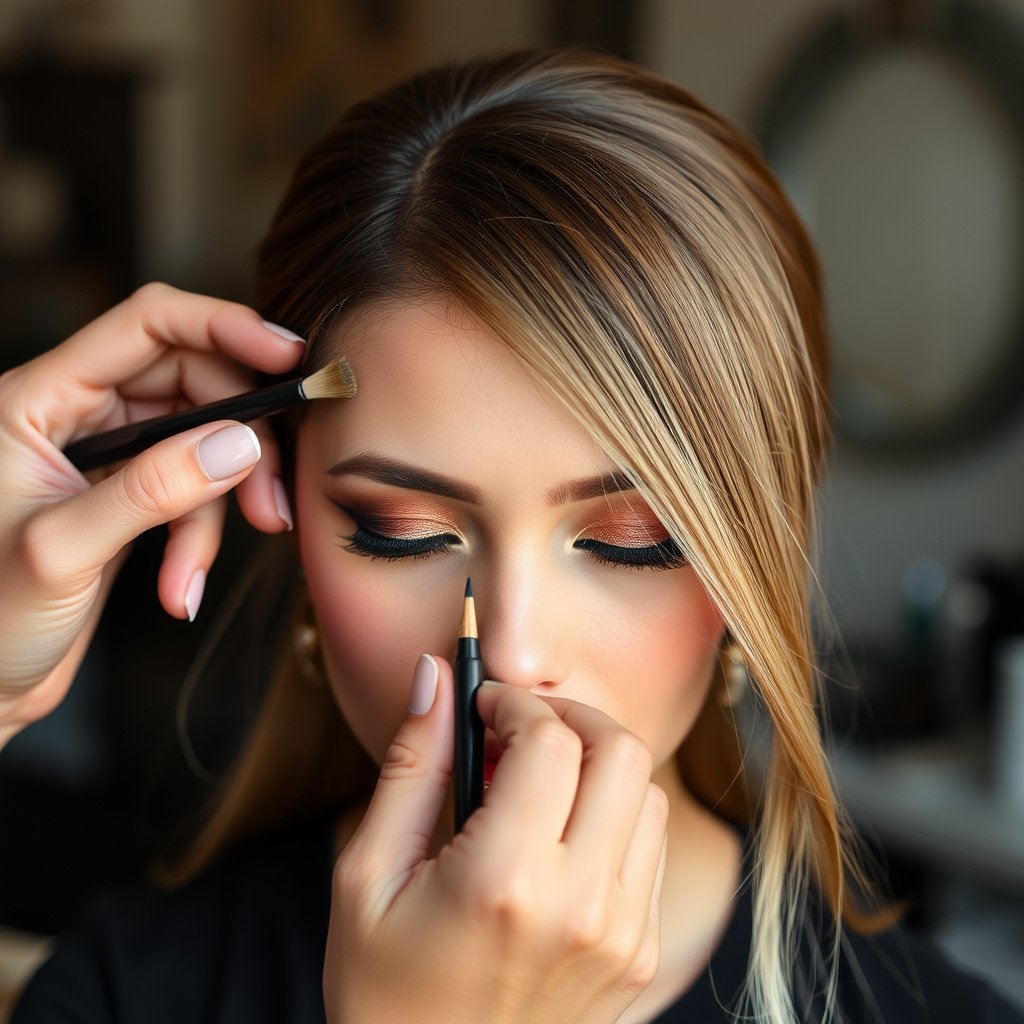
Customizing the scalp appearance under lace fronts with foundation or scalp tint powders in a matching skin tone increases realism. This prevents the visible lace from appearing unnatural or overly bright under lighting.
Tinting individual strands or highlights can also create depth and prevent a flat appearance in the wig’s hair color.
- Use powder foundation on lace scalp area
- Apply color touch-ups for highlights
- Blend makeup gently around hairline
For more detailed history and types of wigs, see the comprehensive wig basics on Wikipedia. wig basics on Wikipedia.
Wig Caps and Adhesives for Secure Fit
Using a wig cap that matches your scalp tone helps the wig lay flat and reduces shine underneath. Quality adhesives or tape applied sparingly along the hairline can prevent lifting and enhance the natural hairline effect.
Avoid excessive glue usage which may damage lace or irritate skin.
- Choose a skin-tone matching wig cap
- Use medical-grade adhesives safely
- Test adhesives for skin reactions
Comparison of Popular Wig Types for Natural Appearance
Here’s a comparison of common wig types highlighting their advantages and drawbacks related to achieving a natural look.
| Wig Type | Realism | Comfort | Styling Versatility | Maintenance Level |
|---|---|---|---|---|
| Lace Front | High realistic hairline | Good breathability | Moderate | Medium |
| Monofilament | Very natural scalp appearance | Excellent ventilation | High, multidirectional parting | Higher maintenance |
| Full Lace | Most realistic, flexible styling | Lightweight and breathable | Highest versatility | High maintenance |
| Traditional Cap | Less natural hairline | Less breathable | Limited styling | Low maintenance |
| Synthetic Ready-to-Wear | Moderate realism depending on quality | Varies widely | Limited to fixed styles | Low maintenance |
Frequently Asked Questions
How do I make a synthetic wig look like real hair?
Choose high-quality synthetic fibers with matte finish, trim the lace carefully, add baby hairs, and style with heat tools designed for synthetics to enhance realism.
Can I wear a wig daily without damaging my natural hair?
Yes, wearing a properly fitted wig with a wig cap and giving your hair breaks can protect your natural hair from damage caused by friction or tension.
What is the best way to clean a natural-looking wig?
Use wig-specific gentle shampoo and conditioner, wash with cool water, avoid rubbing, and let the wig air dry on a wig stand to maintain shape and softness.
How can I make the wig hairline blend better with my skin?
Trim lace carefully, create baby hairs, use makeup powders matching your skin to tint the lace, and consider light adhesive to secure edges invisibly.
Are human hair wigs easier to make look natural than synthetic ones?
Human hair wigs generally offer more natural texture and styling flexibility, but high-quality synthetic wigs with proper styling can also achieve a realistic appearance.
Key Takeaways
- Choose lace front or monofilament wig caps for a more natural hairline and scalp look.
- Trim lace carefully and create baby hairs to soften the wig’s edge.
- Style with layering and appropriate products to add texture and movement.
- Maintain the wig carefully with gentle washing and proper storage.
Conclusion
Achieving a natural-looking wig involves several focused steps that together mask artificiality and simulate real hair growth. Selecting the right wig base—like lace front, monofilament, or full lace—lays the groundwork for realism through a subtle scalp appearance and flexible styling. Pairing this with color and texture matched to your features enhances believability. Attention to detail when trimming the lace, crafting baby hairs, and applying makeup or tint to the wig foundation further dissolves visible edges. Thoughtful styling that includes layering, soft waves, or curls adds dimension and avoids a blocky, unnatural silhouette. Finally, maintaining the wig through gentle washing and thoughtful storage preserves these traits over time.
For those seeking natural wig solutions, a lace front wig might be ideal for daily wear due to its combination of realism and moderate maintenance, perfect for beginners or casual users. Monofilament and full lace wigs offer superior styling versatility for users comfortable with higher upkeep wanting updos or multidirectional parts. Synthetic wigs can also look natural with quality materials and wig styling tips for natural look such as heat-safe styling and baby hair customization. For occasional wear or costume use, synthetic options offer convenience without sacrificing much realism if treated well.
Whatever your needs, start by selecting a high-quality wig suited to your lifestyle, then invest time in refining the hairline and texture details. Use proper wig caps, products, and care techniques to keep your wig looking fresh and authentic longer. By following these steps, you can confidently wear wigs that blend seamlessly with your natural appearance and boost your personal style effortlessly.