How to Choose the Best Conditioner for Natural Hair: Expert Tips and Top Picks
The best conditioner for natural hair is one that deeply moisturizes, detangles, and strengthens your hair without weighing it down or causing buildup. Look for formulas rich in humectants like glycerin and natural oils such as shea butter or coconut oil, which nourish curls and prevent breakage.
Natural hair tends to be drier and more fragile compared to other hair types because of its texture, so proper conditioning is essential to maintain softness, reduce frizz, and promote growth. Many conditioners designed specifically for natural hair cater to these needs by offering a balance of hydration and protein to rebuild damaged strands.
This article will cover what ingredients to seek and avoid, the differences between rinse-out and deep conditioners, how to match products to your specific hair porosity, and a comparison of popular conditioners suited for natural hair. With these insights, you’ll be ready to select the conditioner that works best for your curls.
Key Ingredients That Define the Best Conditioner for Natural Hair
Hydrating Ingredients for Moisture Retention
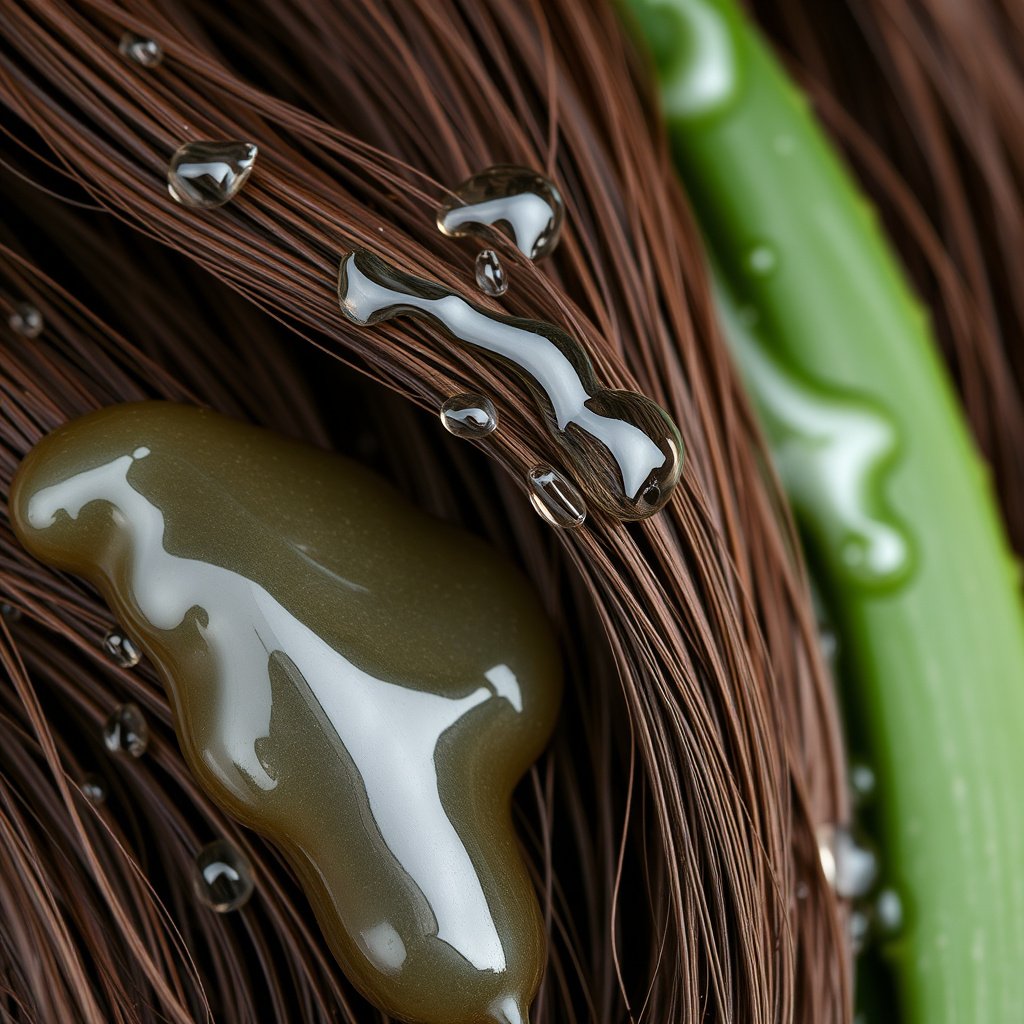
Hydration is vital for natural hair since its texture can prevent natural oils from reaching the strands. Good conditioners include humectants like glycerin, honey, and aloe vera that attract moisture from the environment and hold it in the hair shaft.
Oils such as coconut, jojoba, and argan oil add an extra layer of moisture and seal the cuticle to reduce water loss. Shea butter is particularly valued for its richness and ability to soften thick curls without leaving residue.
- Glycerin
- Shea butter
- Coconut oil
- Aloe vera
Protein and Strengthening Agents
Natural hair often benefits from conditioners that provide protein to reinforce weakened strands. Hydrolyzed proteins like keratin, silk, or wheat protein fill in gaps in the hair shaft caused by damage, enhancing elasticity and reducing breakage.
However, too much protein can make hair stiff and brittle, so conditioners that blend moisturizing and strengthening ingredients are ideal for maintaining balance.
- Hydrolyzed keratin
- Silk protein
- Wheat protein
Understanding Conditioner Types for Natural Hair
Rinse-Out Conditioners for Daily Moisture
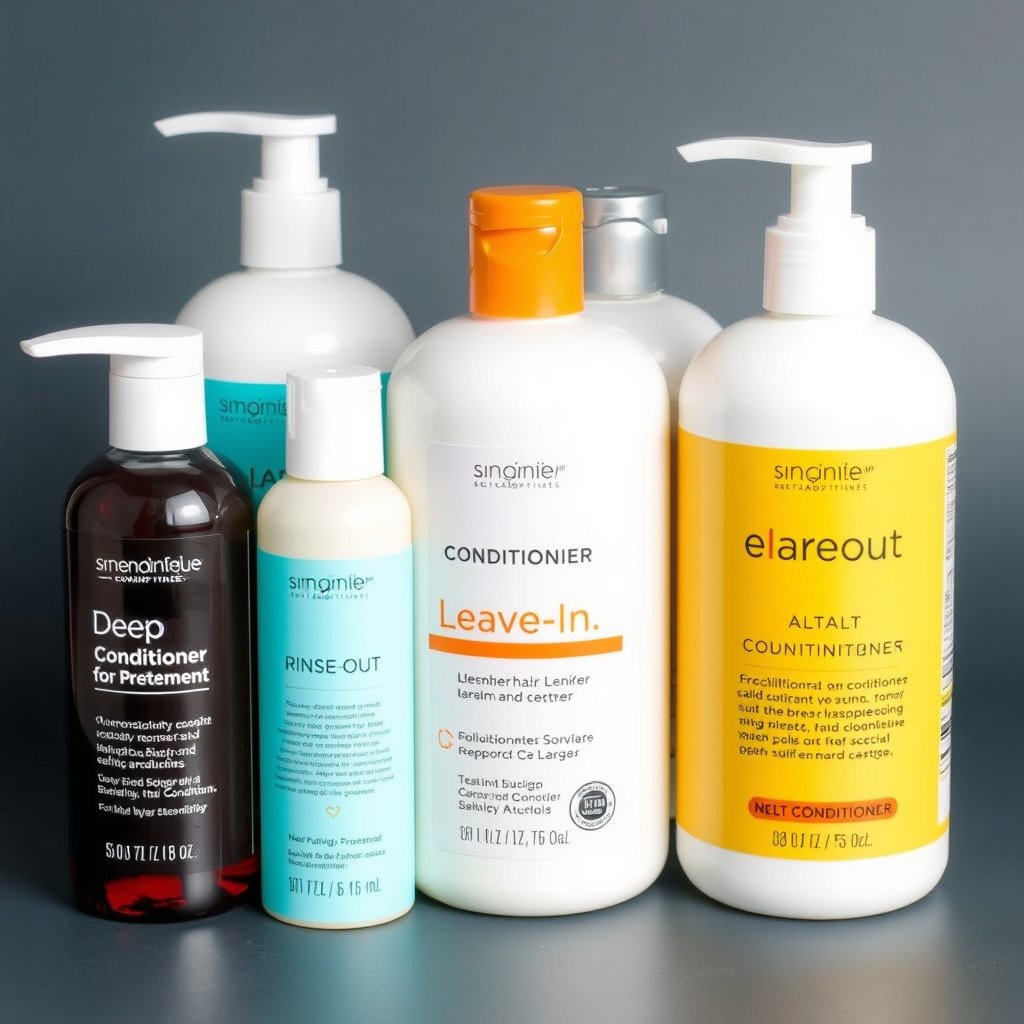
Rinse-out conditioners are designed for regular use and focus on detangling and light hydration. They typically contain lighter oils and emulsifying agents to make hair manageable without heavy buildup.
Using a good rinse-out conditioner after shampooing can reduce tangles and protect the hair cuticle, especially when the formula is targeted toward curly or coily textures.
For more on this, see our related guide: How to Choose the Best Shampoo for Natural Hair: Expert Guide.
Deep Conditioners and Hair Masks for Repair
Deep conditioners or hair masks are thicker treatments meant to penetrate the hair shaft and provide intense moisture or protein. They are often recommended weekly or biweekly for natural hair to restore softness and strength.
These products stay on the hair longer than rinse-out conditioners, sometimes with heat application, which helps active ingredients absorb better to tackle dryness or damage.
Matching Conditioner Choice to Hair Porosity
Low Porosity Hair Conditioner Tips
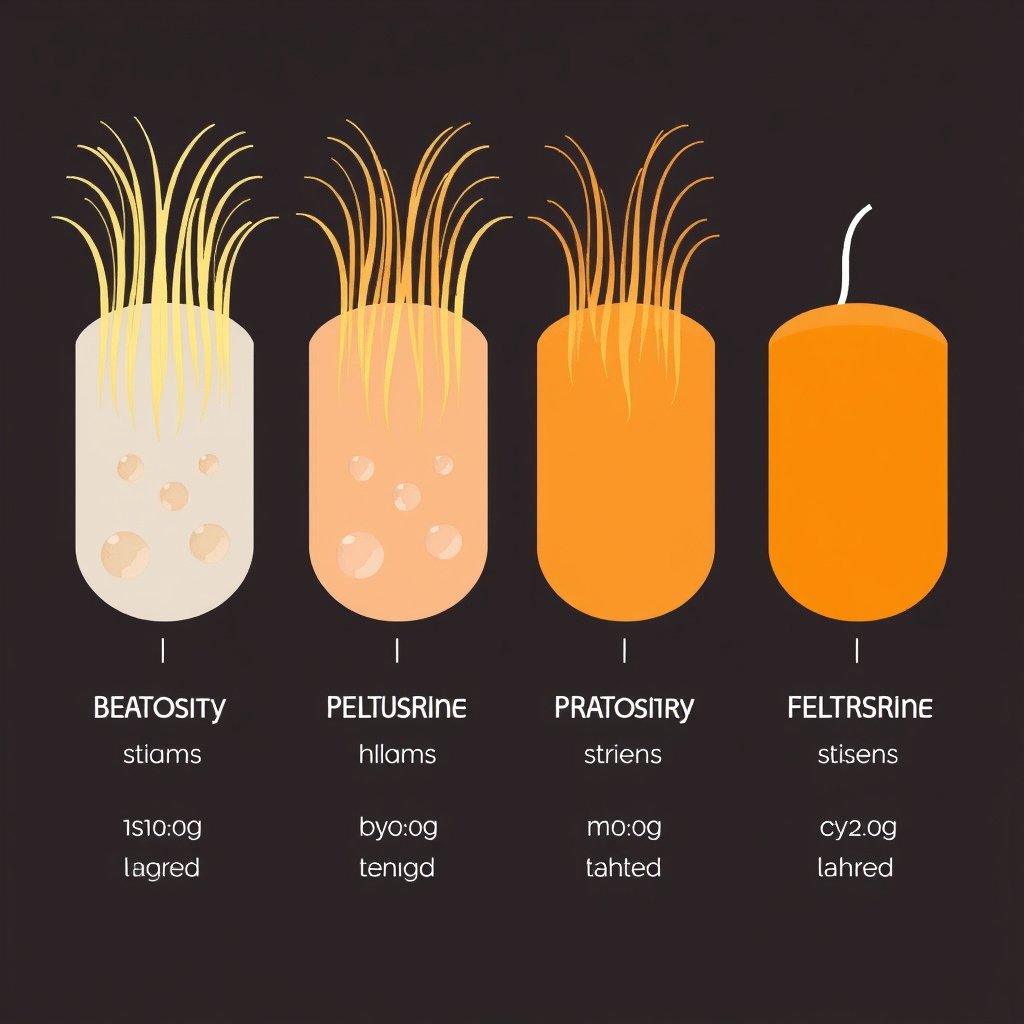
Low porosity hair has a tight cuticle layer that resists moisture absorption, so light conditioners with humectants and small molecular weight oils penetrate best. Avoid heavy creams or dense oils that can sit on the hair surface and cause buildup.
Conditioners with ingredients like aloe vera and glycerin are beneficial to lightly hydrate without weighing down fine natural hair that tends to have low porosity.
High Porosity Hair Conditioner Needs
High porosity hair absorbs moisture quickly but also loses it fast due to gaps in the cuticle. Rich conditioners with occlusive agents like shea butter and castor oil are helpful to seal moisture in after hydrating the hair.
Protein-enriched conditioners can strengthen damaged strands common in high porosity hair, improving elasticity and reducing frizz caused by moisture imbalance.
Applying Conditioner for Natural Hair: Techniques and Tips
Proper Application for Even Moisture
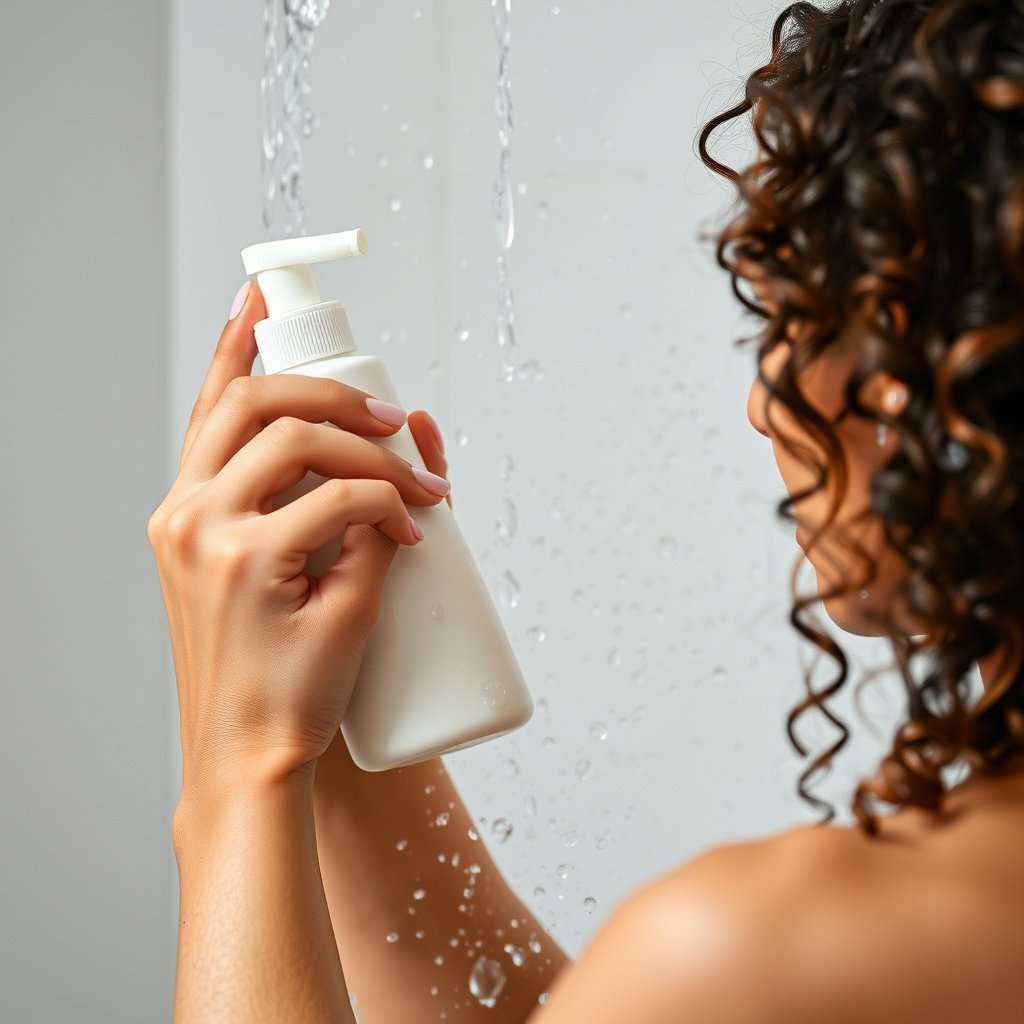
Start by detangling hair gently with fingers or a wide-tooth comb while applying conditioner to ensure product distribution and reduced breakage. Focus on the mid-lengths and ends where hair is driest and most prone to damage.
Avoid applying excessive conditioner directly to the scalp unless the formula is lightweight; this can cause buildup and leave the scalp feeling oily.
For more on this, see our related guide: How to Choose the Best Shampoo for Natural Hair: Expert Tips and Top Picks.
Rinsing and Post-Conditioning Care
Use cool to lukewarm water when rinsing out conditioner to close the hair cuticle and lock in moisture. After rinsing, gently blot hair with a microfiber towel to prevent frizz and breakage.
Follow with styling products that suit your hair type and porosity to maintain hydration throughout the day.
Popular Conditioners for Natural Hair: Comparing Formulas
Budget-Friendly Conditioners with Quality Ingredients
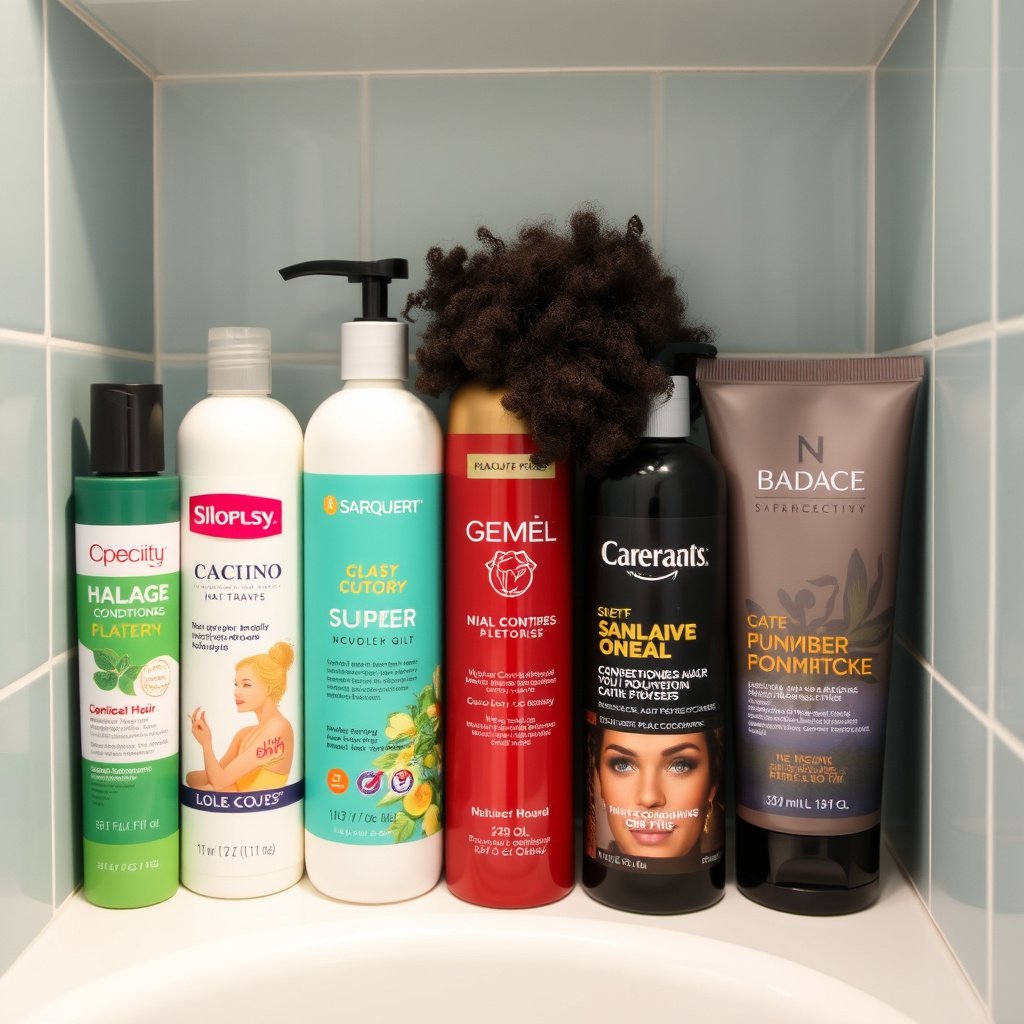
Affordable conditioners like those from SheaMoisture and Cantu offer formulas rich in natural oils and humectants suitable for various curl types. They provide effective hydration and manageability without a high price tag.
These products often blend moisturizing and strengthening ingredients, making them good entry-level options for people new to natural haircare.
For a broader understanding of natural hair care, the Natural hair care details on Wikipedia offer valuable background and terminology insights. Natural hair care details on Wikipedia.
Premium Conditioners with Targeted Benefits
Higher-end conditioners from brands like DevaCurl and Camille Rose Lab focus on ingredient quality and innovative blends, including botanical extracts and advanced proteins. These tend to offer enhanced moisturizing and repair effects.
Their formulas often cater to specific natural hair challenges such as dryness, shrinkage, or low porosity, providing customized conditioning solutions.
Comparison of Conditioner Types for Natural Hair
Here's a detailed comparison of different conditioner types to help find the best fit for your natural hair care routine.
| Conditioner Type | Moisture Level | Usage Frequency | Best For | Price Range |
|---|---|---|---|---|
| Rinse-Out | Light to Moderate | Every Wash | General Daily Hydration | $5 – $20 |
| Deep Conditioner | High | Weekly or Biweekly | Repair and Intense Moisture | $10 – $40 |
| Leave-In Conditioner | Light to Moderate | Every Wash or As Needed | Ongoing Moisture and Detangling | $7 – $30 |
| Protein Conditioner | Moderate | Occasional Use | Strengthening Weak or Damaged Hair | $12 – $35 |
Frequently Asked Questions
Can I use regular conditioner on natural hair?
Regular conditioners may not provide enough moisture or may contain ingredients that weigh natural hair down. It's better to choose conditioners formulated for natural hair textures to keep curls healthy and hydrated.
How often should I deep condition natural hair?
Most people with natural hair benefit from deep conditioning once a week or every two weeks to restore moisture and strengthen hair, though this can vary with hair porosity and health.
Does natural hair need protein in conditioners?
Yes, protein helps rebuild hair structure, especially if strands are damaged or weak. However, balance protein use with moisturizing conditioners to avoid dryness.
Is leave-in conditioner necessary for natural hair?
Leave-in conditioners provide extra moisture and help with detangling and styling. While not mandatory, they are beneficial for maintaining softness and reducing breakage.
How do I know if a conditioner is causing buildup?
If hair feels heavy, greasy, or looks dull after conditioning, buildup may be an issue. Clarifying shampoos used occasionally can help remove residue and refresh hair.
Key Takeaways
- Look for conditioners rich in humectants and natural oils to moisturize natural hair.
- Match conditioner choice to your hair porosity for best absorption and results.
- Alternate between rinse-out and deep conditioners for hydration and repair.
- Balance moisturizing and protein ingredients to maintain softness and strength.
Conclusion
Choosing the best conditioner for natural hair requires understanding your hair’s unique needs, such as moisture level, porosity, and damage extent. Focus on products that provide ample hydration through humectants and oils while incorporating proteins to strengthen strands. Applying conditioners correctly enhances their effectiveness, protecting and enhancing your natural hair’s texture and health through consistent care.
For everyday moisture, rinse-out conditioners with hydrating ingredients like glycerin and shea butter work great for most natural textures. Those with high porosity or damaged hair benefit from weekly deep conditioning treatments rich in proteins and occlusives to restore structure and lock in moisture. Lightweight leave-in conditioners can provide ongoing hydration and detangling for all hair types, especially when managing shrinkage or frizz.
Start by testing conditioners suited to your hair porosity and observe how your curls respond over several weeks. Incorporate deep conditioning if you notice dryness or breakage. Over time, a tailored conditioning routine will maintain soft, manageable, and healthy natural hair, keeping your curls defined and resilient.