
Can You Curl Human Hair Extensions? Expert Tips and Techniques
Yes, you can curl human hair extensions much like your natural hair, but there are important factors to consider to maintain their quality and longevity. Using heat styling tools on human hair extensions requires care to avoid damaging the strands or shortening their lifespan.
Human hair extensions are prized for their natural look and feel, which makes them ideal for styling versatility. Curling them allows for a range of looks, from soft waves to tight ringlets, but understanding the right tools and techniques helps you achieve beautiful curls without compromising the integrity of the extensions.
This article explores the best practices for curling human hair extensions safely. You'll learn about choosing the right heat protection products, the suitable temperature settings for curling irons, alternative curling methods, and maintenance tips to keep extensions looking fresh and healthy.
Understanding Human Hair Extensions and Heat Styling
What Are Human Hair Extensions Made Of?
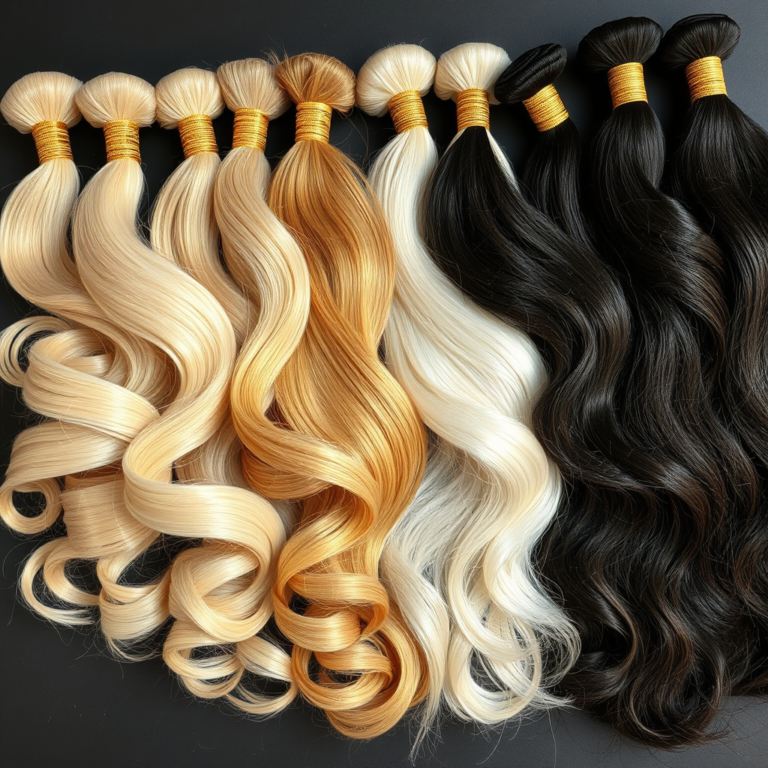
Human hair extensions are crafted from real human hair collected from donors, which can be treated and processed for various textures and lengths. Because they are natural hair, they respond to heat and styling products like your own hair, but their quality can vary depending on the source and processing methods.
The density, cuticle alignment, and chemical treatments applied during manufacturing affect how extensions tolerate heat. High-quality extensions retain more moisture and resist tangling, making them better suited for curling with heat tools.
Heat Styling and Its Effects on Extensions
Applying heat to human hair extensions alters the hair shaft structure temporarily to form curls or waves. However, repeated heat exposure without protection can dry out the hair, lead to split ends, or cause frizziness. The absence of a natural scalp environment means extensions lack scalp oils to nourish them, increasing the need for protective care.
To minimize heat damage, it’s advisable to use heat protectant sprays and set curling irons to moderate temperatures, especially for extensions that have been chemically treated or dyed.
Techniques for Curling Human Hair Extensions
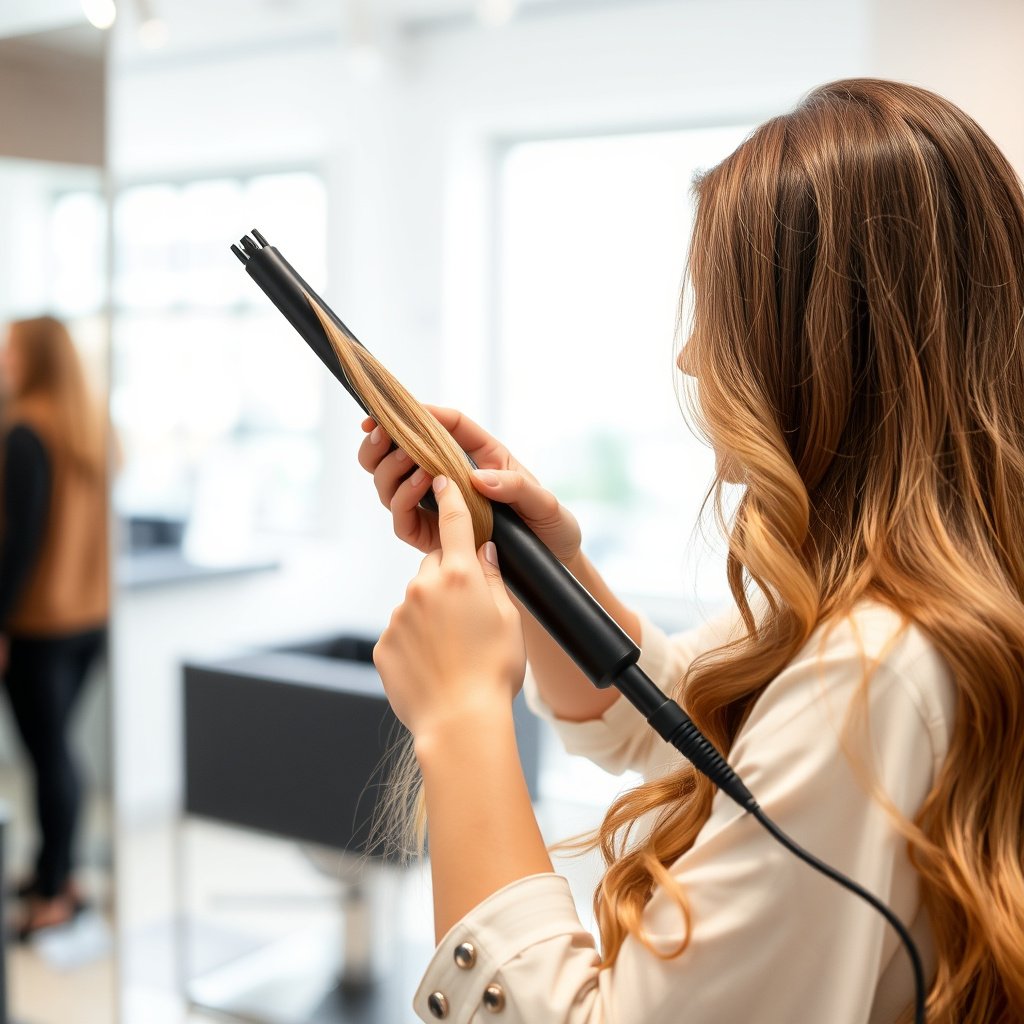
Using Curling Irons and Wands Safely
Select curling irons or wands with adjustable temperature controls and use settings below 350°F for virgin or high-quality extensions, and ideally lower for processed ones. Always apply a heat protectant evenly to each strand before styling to shield the hair cuticle from excessive heat.
Work with small sections and avoid prolonged heat contact to prevent over-processing. Let curls cool completely before brushing or styling further to set the shape and increase curl longevity.
- Use a ceramic or tourmaline curling iron for even heat distribution
- Wrap hair around the barrel without stretching to form natural curls
- Avoid high heat settings above 400°F
Alternative Curling Methods Without Heat
For those looking to avoid heat damage altogether, heatless curling techniques such as braiding damp extensions, using foam rollers, or twisting hair into buns overnight can create gentle waves and curls. These methods take longer but preserve the hair's natural integrity.
Heatless curls tend to last longer on extensions when hair is set while slightly damp with a light styling mousse. These approaches maintain the softness and shine of human hair extensions while offering styling flexibility.
- Braid extensions before bed for loose waves
- Use velcro rollers on damp hair for volume and curls
- Twist into small buns for spiral curls
Choosing the Right Products for Curling
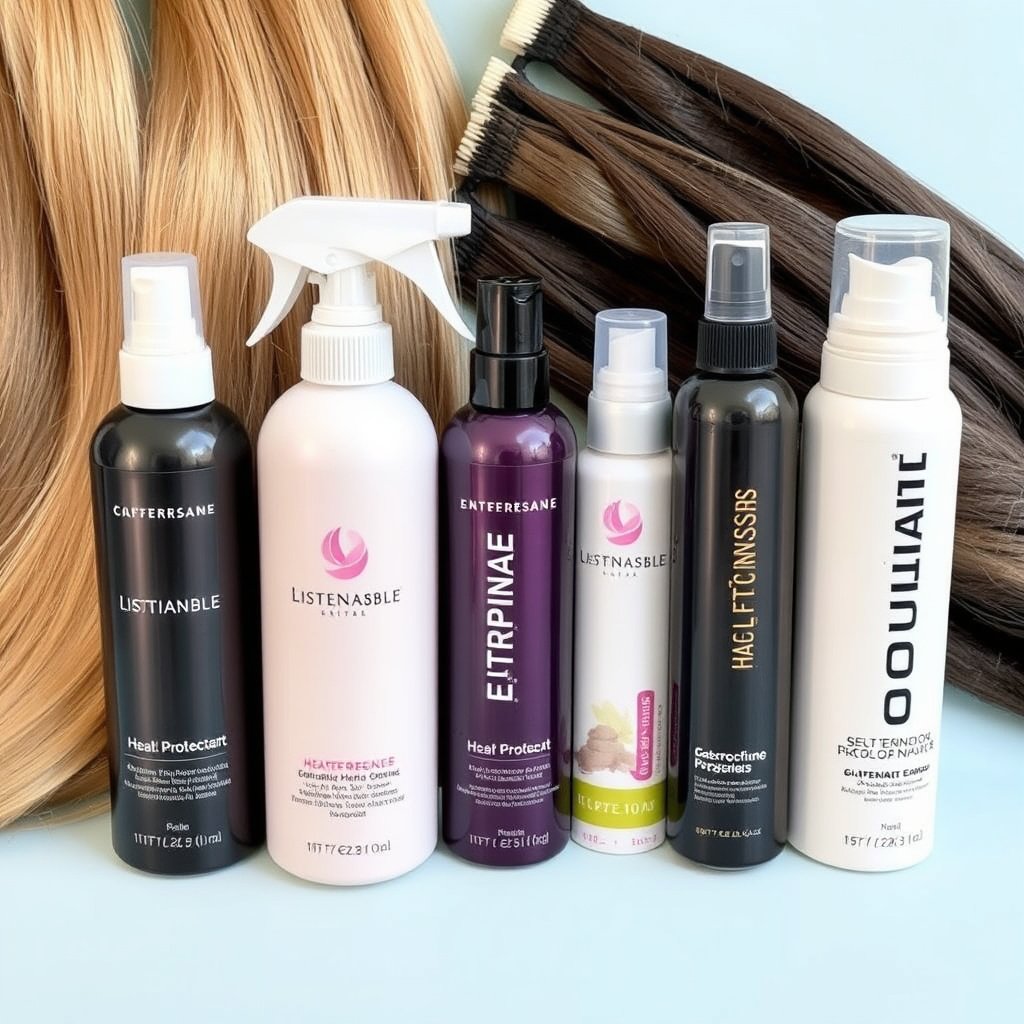
Heat Protectants and Styling Sprays
Heat protectant sprays form a barrier that prevents moisture loss and limits cuticle damage when curling human hair extensions. Products with silicones and natural oils can smooth the hair and reduce frizz during heat styling.
Lightweight styling sprays or mousses help define curls without weighing the hair down. Use products specifically formulated for extensions or fine hair to avoid buildup that can dull and tangle the strands.
- Choose sulfate-free and paraben-free formulas
- Apply protectant evenly before heat styling
- Avoid heavy oils that cause greasiness
For more on this, see our related guide: Can You Straighten Human Hair Bundles? How to Do It Safely and Effectively.
Maintaining Curls and Hair Health
To extend the life of curls and keep extensions looking fresh, refresh with a curl-enhancing spray or mist curls with water blended with leave-in conditioner. Refrain from overwashing extensions, as frequent shampooing strips vital moisture.
Regular conditioning and occasional deep treatments restore suppleness, making curls more resilient. Store extensions carefully when not in use to avoid tangling and preserve curl shape.
- Use a silk or satin storage pouch
- Avoid brushing curls when dry to prevent frizz
- Deep condition weekly for softness
Troubleshooting Common Curling Issues
Why Curled Extensions Lose Shape Quickly
If curls on extensions unravel fast, it could be due to insufficient heat setting, lack of product, or hair condition. Extensions that have been overly processed or are old may not hold curls as well, requiring more gentle styling approaches.
Environmental factors like humidity also play a role. Using anti-frizz serums and holding sprays specifically designed for extensions can help maintain curl shape longer.
- Apply mousse or curl enhancer before curling
- Avoid touching curls to reduce frizz
- Use a light hairspray for hold
How to Fix Heat Damage on Extensions
Heat-damaged extensions become dry, brittle, and lose luster. Deep conditioning treatments with protein and moisture restore some health but cannot fully reverse damage. Trimming split ends and reducing future heat exposure are key steps.
If damage is severe, replacing or reconditioning the extensions with a professional’s help is advisable. Preventive care remains the best approach to avoid irreversible harm.
- Use protein-rich deep conditioners
- Trim damaged tips periodically
- Limit heat styling frequency
Styling Tips for Different Extension Types
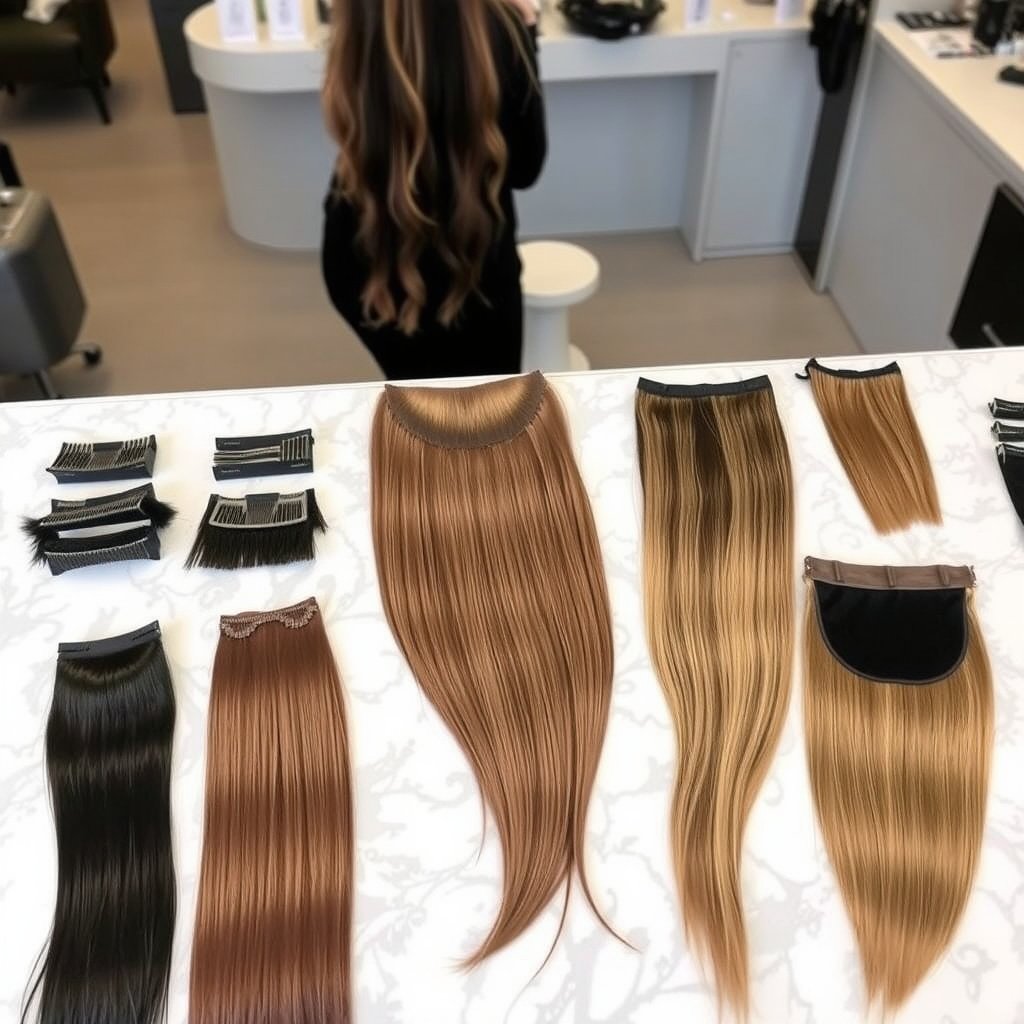
Curling Clip-In and Tape-In Extensions
Clip-in and tape-in extensions can be curled just like natural hair but because they are removably attached, heat styling should be gentle to avoid adhesive weakening or clip damage. Low to medium heat settings are ideal, and avoid curling too close to the bond or clip.
Styling can be done while extensions are detached for safer handling and more even heat distribution.
- Curl extensions off the head for better control
- Keep heat away from attachment points
- Test a small section first
For more on this, see our related guide: Which Human Hair Bundles Are Best for Your Style and Budget.
Curling Wefts and Sew-In Extensions
Sew-in weft extensions are sewn close to the scalp, which can limit direct heat styling due to potential scalp heat exposure. Use a lower heat setting and a heat protectant to style curls carefully.
Curling wefts off-head before installation or afterward with caution extends the durability and looks natural when blending with your hair.
- Avoid direct heat on scalp area
- Style wefts unattached when possible
- Use a diffuser for curled finishes
Maintaining Curl Styles Over Time
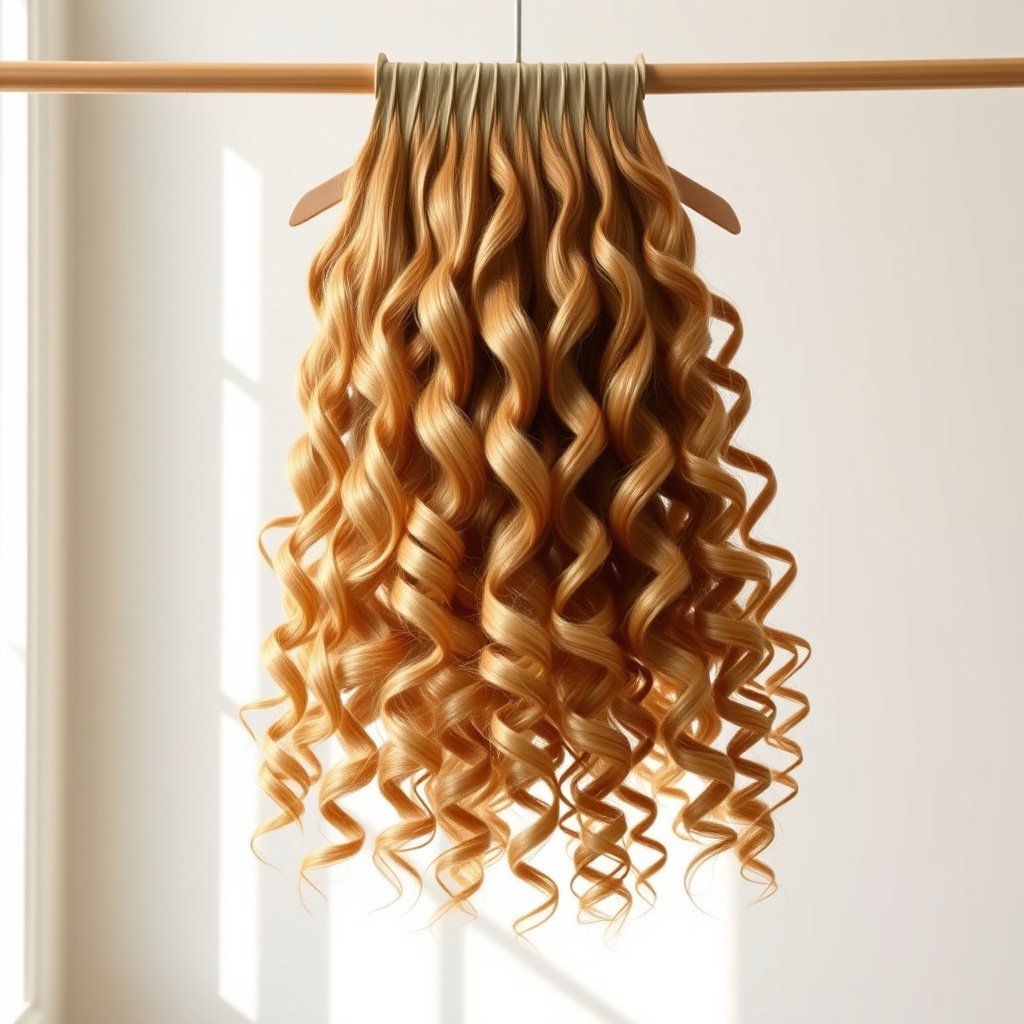
Storing Curled Extensions Properly
When not in use, keep curled extensions in a cool, dry place away from dust. Hanging extensions on a wide hanger or storing in a satin bag helps preserve curl shape and prevent tangling.
Avoid compressing curls under heavy items and refrain from leaving extensions in humid or damp environments which can cause curls to lose form.
- Use padded hangers or satin pouches
- Keep extensions separate to avoid tangling
- Store in a consistent temperature area
For more detailed information on the types and sourcing of human hair extensions, consult this human hair extensions overview. Human hair extensions overview.
Refreshing Curls Between Washes
Use a water-based curl refresher spray or mix water with a small amount of leave-in conditioner to lightly mist extensions. Twisting or finger-coiling dampened curls helps reactivate their form without having to reheat.
Avoid heavy products that weigh curls down or cause buildup. Lightly scrunch curls to rebuild volume and definition.
- Mist with curl refresher spray
- Finger-coil curls when slightly damp
- Avoid overwashing extensions
Comparison of Human Hair Extension Curling Methods
Here is a summary table comparing various methods to curl human hair extensions by ease, damage risk, and curl longevity.
| Method | Ease of Use | Damage Risk | Curl Longevity | Styling Time |
|---|---|---|---|---|
| Traditional Curling Iron | High | Moderate | Medium to High | 10-20 minutes |
| Curling Wand | Moderate | Moderate | Medium | 10-15 minutes |
| Heatless Braiding | Easy | None | Low to Medium | Overnight |
| Foam Rollers | Easy | None | Medium | Several hours |
| Twisting/Buns Overnight | Easy | None | Medium | Overnight |
Frequently Asked Questions
Can curling damage human hair extensions?
Yes, excessive or high heat without protection can damage human hair extensions by drying them out or causing split ends. Using heat protectants and moderate temperatures helps reduce this risk.
How often should I curl my human hair extensions?
Limit curling to when desired and avoid daily heat styling. Curling human hair extensions once or twice a week with heat protection keeps them healthy longer.
Can I use the same products on extensions as on natural hair?
Products formulated for fine or chemically treated hair work well on extensions, but avoid heavy oils or silicone buildup that can weigh extensions down and cause tangling.
Is it better to style extensions on or off the head?
Styling extensions off the head gives better control and helps avoid heat contact with attachment points, making curling safer and more even.
How do I keep curls in extensions looking fresh longer?
Use curl refreshing sprays, avoid touching curls too much, and store extensions carefully. Lightly mist curls between washes to reactivate definition.
Key Takeaways
- You can safely curl human hair extensions with proper heat protection and moderate temperatures.
- Heatless curling methods offer gentle styling that preserves extension quality.
- Use products designed for extensions to avoid buildup and maintain softness.
- Store and refresh curls carefully to extend styling longevity.
Conclusion
Curling human hair extensions can be done effectively by understanding how heat impacts the hair and taking steps to protect the strands. Since extensions do not receive natural oils from the scalp, their care requires attention to moisturizing products and heat protection. Temperature settings and styling tools should be selected with the hair type and processing level in mind to minimize damage while achieving the desired curl style.
For those who want quick and defined curls, using a curling iron or wand with a heat protectant is a practical choice. Alternatively, heatless curling methods such as braiding or using foam rollers are excellent for preserving hair health and creating lasting waves without risk. Extension types like clip-ins or wefts have specific considerations when curling to prevent bond weakening or scalp irritation, so styling off-head when possible is recommended.
The best next step for anyone looking to curl human hair extensions is to assess the quality and type of their extensions, choose suitable styling tools, and acquire a good heat protectant suited for extensions. Experiment initially with lower heat settings and test small sections of hair. With careful care and technique, you can enjoy beautifully curled extensions that complement your style while maintaining their natural look and feel.
One Comment