How Long to Keep Braids In: A Practical Guide for Healthy Hair
The optimal length of time to keep braids in generally ranges from 6 to 8 weeks. Keeping braids in for this period balances style longevity with hair health, preventing excessive buildup and minimizing scalp irritation. Stretching beyond 8 weeks risks hair breakage and tangling as new growth outpaces the braid base.
Braids serve both a practical and aesthetic function, providing a low-maintenance protective style that shields hair from environmental stressors and manipulation. However, leaving braids in too long can cause tension and dryness, while removing them too soon sacrifices convenience and protection benefits. Understanding the right timeframe helps maintain hair vitality and scalp comfort.
This article will explore factors influencing how long to keep braids in, signs that it’s time for removal, care tips during wear, and recommendations for braid types suited to different hair textures. You'll also find a comparison of braid categories and answers to common questions to optimize your braid experience.
Determining How Long to Keep Braids In
Factors Influencing Braids Duration
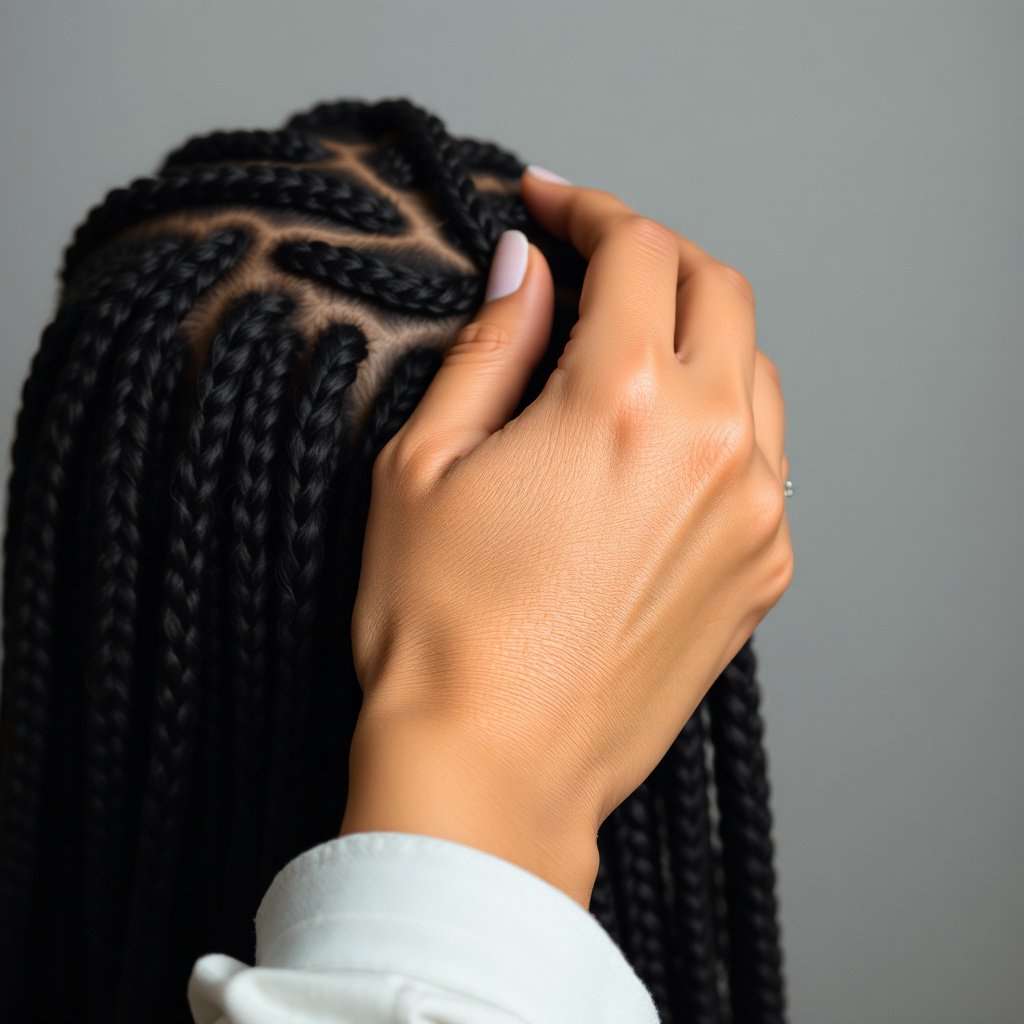
The time you should keep braids in depends on hair texture, braid size, scalp sensitivity, and lifestyle activities. Coarser hair textures and larger braids often tolerate longer wear because they place less tension on each strand. Conversely, finer hair or tight cornrows may require earlier removal to avoid unnecessary stress.
Frequency of washing and scalp care routines also affect braid longevity. Regular cleansing prevents buildup and itchiness, but excessive washing can loosen braids prematurely. Personal comfort and styling preferences will guide how long you maintain your braided look.
- Hair texture and fragility
- Braid thickness and tightness
- Scalp condition and sensitivity
- Washing and maintenance routines
Recognizing When Braids Should Be Removed
Signs that braids need to come out include persistent itching, noticeable buildup, frizz and flyaways around the edges, and visible new growth causing tangling at the roots. Prolonged wear past these signs increases the risk of matting and hair loss.
If your scalp becomes inflamed or painful, or if hair strands are snapping when gently tugged, it’s best to remove your braids to prevent further damage. Listening to your hair and scalp’s feedback is key.
Caring for Braids During Wear

Cleaning and Scalp Care
Keeping your scalp clean while wearing braids helps reduce buildup and discomfort. Use diluted shampoo with a spray bottle to target the scalp and rinse gently, or opt for dry shampoos and scalp-refreshing powders between washes.
Moisturizing the scalp with light, non-greasy oils and using a soft toothbrush to gently exfoliate dry skin promotes healthy scalp conditions throughout braid wear.
- Diluted shampoo application
- Dry shampoo alternatives
- Light oil moisturization
- Gentle scalp exfoliation
Protecting Braids While Sleeping
Sleeping with a satin or silk scarf or bonnet minimizes friction and frizz, preserving braid neatness and preventing breakage at night. Satin pillowcases are a good alternative if you prefer not to wear head coverings while sleeping.
Avoid tight hairstyles that stress braid roots as you rest, and reposition slightly when sleeping to reduce tension in one area.
- Use satin or silk scarf/bonnet
- Satin pillowcase alternative
- Avoid tight sleep styles
- Reposition head regularly
Types of Braids and Their Recommended Wear Time

Box Braids and Their Duration
Box braids, a popular medium-sized braid style, can typically be kept in for 6 to 8 weeks. They are relatively low tension, making longer wear feasible if maintained well with scalp care.
Due to their size, box braids allow easier cleaning and moisturizing compared to microbraids, supporting scalp health over a longer period.
For more on this, see our related guide: How to Keep Braids from Getting Frizzy: Essential Tips for Long-Lasting Style.
Cornrows and Their Recommended Removal Time
Cornrows involve braiding hair tightly close to the scalp and are usually kept in for about 4 to 6 weeks. The increased scalp tension calls for more frequent removal to prevent traction alopecia or irritation.
For active individuals or those sensitive to scalp tension, shorter wear and gentler styling alternatives might be better.
Signs of Damage From Keeping Braids Too Long

Physical Indicators on Hair and Scalp
Redness, flaking skin, and swelling around braid roots often indicate scalp irritation or infection from prolonged braid wear. Hair thinning or breakage near the braid bases is common with excess tension and neglect.
If you notice increased shedding or pain when touching the braids, it indicates compromised follicle health requiring immediate braid removal and recovery care.
Preventing Long-Term Hair Loss
Consistently keeping braids in beyond recommended times, especially tight styles like microbraids or cornrows, increases the risk of traction alopecia. This condition can cause permanent damage if left unmanaged.
Regular monitoring for signs of damage and alternating protective styles helps maintain hair density and scalp strength over time.
- Monitor scalp comfort regularly
- Alternate braid styles and tension
- Schedule timely braid removal
- Maintain scalp hygiene
Removing Braids Safely and Aftercare
Proper Technique for Braid Removal
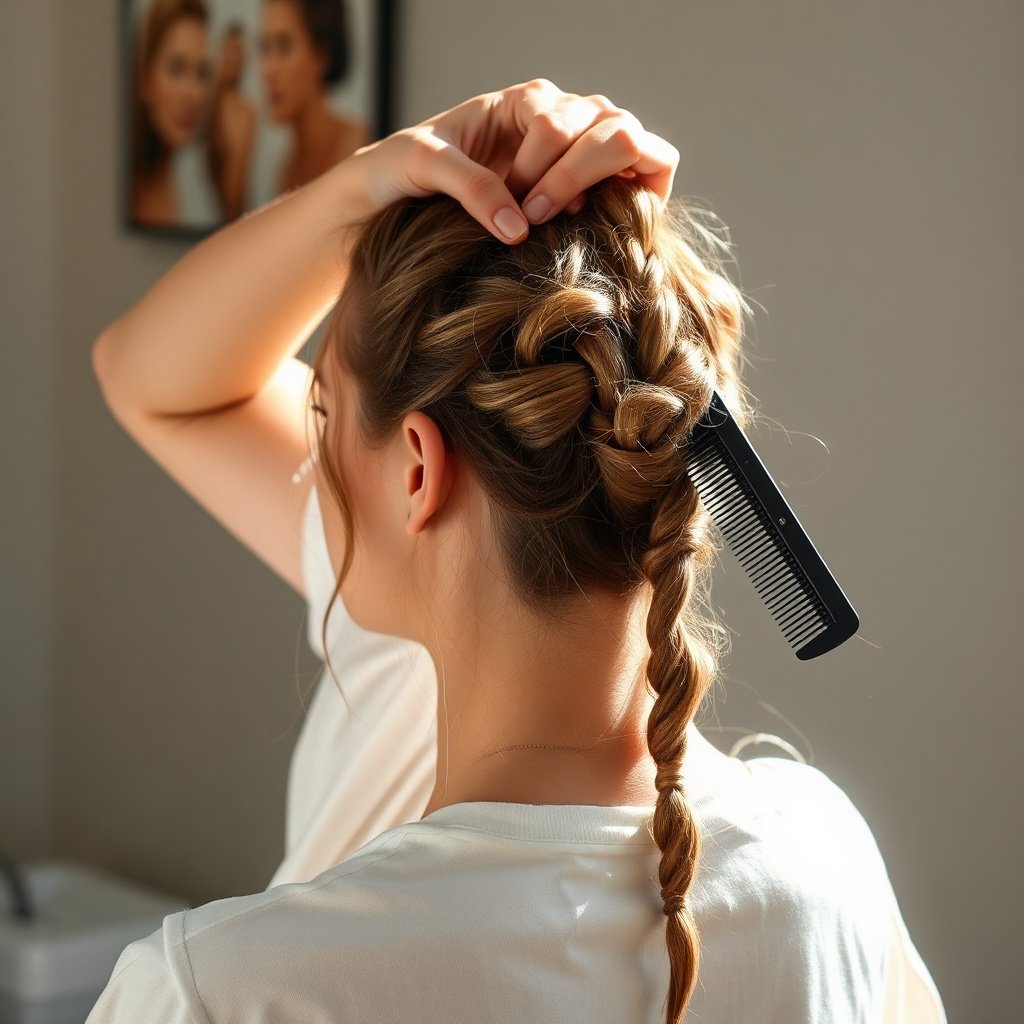
Take your time removing braids gently to prevent excessive hair breakage. Use scissors cautiously only if necessary and always avoid cutting hair strands. Detangling with fingers and a wide-tooth comb helps minimize pulling.
Start from the nape and work upwards, and apply a leave-in conditioner or detangling spray as you go to ease the process.
For more on this, see our related guide: How Long Does a Relaxer Take? the Complete Answer.
Post-Braid Hair Care Routine
After removing braids, give your hair a deep conditioning treatment to restore moisture and elasticity. Avoid heavy manipulation for several days to allow hair recovery.
Incorporate regular moisturizing, gentle detangling, and protective styling between braid sessions to maintain hair health and prolong the benefits of the braid maintenance tips.
- Deep conditioning post-removal
- Limit combing and styling initially
- Regular moisturizing routines
- Use protective hairstyles between braids
Extending Braid Life Without Damage

Daily Maintenance Strategies
Applying a light, non-greasy oil daily to the scalp and braids helps retain moisture and reduce dryness. Refresh your hairline and parts with herbal sprays or braid refresher products to maintain a fresh appearance.
Avoid heavy products that cause buildup and schedule scalp massages to stimulate circulation and relieve tension.
- Use light oils regularly
- Braid refresher sprays
- Avoid heavy buildup products
- Scalp massages for circulation
Learn more about protective hairstyles, including braids, and their impact on hair health on the Protective Hairstyles page. Protective Hairstyles on Wikipedia.
Avoiding Common Mistakes to Maximize Braid Longevity
Inadequate scalp cleansing or neglecting signs of scalp discomfort often shorten braid wear time. Over-tightening braids during styling can lead to unnecessary breakage and should be avoided.
Limit exposure to harsh chemicals or frequent heat styling to prevent fiber weakening and brittleness.
- Keep scalp clean and moisturized
- Avoid over-tightening braids
- Limit chemical exposure
- Reduce heat styling
Braids Category Comparison
Highlighting typical wear times, maintenance needs, and level of scalp tension for common braid styles to guide your choice.
| Braid Style | Typical Duration | Maintenance Level | Scalp Tension |
|---|---|---|---|
| Box Braids | 6-8 weeks | Moderate | Low to Medium |
| Cornrows | 4-6 weeks | High | High |
| Microbraids | 4-6 weeks | High | Medium to High |
| Senegalese Twists | 6-8 weeks | Moderate | Low |
| Ghana Braids | 4-6 weeks | High | Medium to High |
Frequently Asked Questions
Can I keep braids in for longer than 8 weeks?
Keeping braids beyond 8 weeks increases risks of hair breakage and scalp buildup. It’s better to remove them within 6 to 8 weeks to maintain hair health and prevent damage.
How often should I wash my scalp with braids?
Cleaning your scalp every 1 to 2 weeks using diluted shampoo or dry shampoos helps reduce buildup while preserving the braid structure.
Are tighter braids worse for hair health?
Tight braids put increased tension on hair follicles and can cause scalp pain, breakage, and traction alopecia if worn too long.
What products are best for maintaining braids?
Light oils, braid refresher sprays, and gentle moisturizers prevent dryness without causing buildup, supporting braid longevity.
How can I soothe an itchy scalp under braids?
Use scalp oils with soothing ingredients like tea tree or peppermint and regularly cleanse to reduce itchiness caused by buildup or dryness.
Key Takeaways
- Keep braids in for 6 to 8 weeks to balance style and hair health.
- Regular scalp care and gentle washing extend braid longevity.
- Remove braids at earliest signs of scalp irritation or hair damage.
- Choose braid styles based on hair texture and scalp sensitivity.
Conclusion
Determining how long to keep braids in involves assessing your hair type, scalp condition, and daily routine. The goal is to maintain a protective style that supports healthy hair growth without causing tension or buildup. Monitoring scalp comfort and signs of damage helps identify when it’s time to take down the braids.
For those with coarse hair or larger braids like box braids or Senegalese twists, it’s feasible to wear styles closer to 8 weeks with proper maintenance. On the other hand, tighter styles such as cornrows and microbraids often require more frequent changes, typically every 4 to 6 weeks. Implementing braid maintenance tips like moisturizing the scalp and protecting hair at night preserves style neatness and scalp health.
Ultimately, listen to your hair and scalp’s needs when deciding the timing for braid removal. By following these guidelines and adjusting based on your personal experience, you can enjoy the benefits of braided hairstyles without compromising the integrity of your hair.