How to Retouch Braids: A Step-by-Step Guide for Fresh Styles
Retouching braids involves tightening the roots, refreshing edges, and smoothing flyaways to keep your style looking neat and fresh. By carefully addressing areas where hair has grown out or loosened, you can maintain the structure of your braids without a full redo.
Braids require regular upkeep because hair growth and daily activities cause them to loosen over time. Retouching helps you avoid damage caused by pulling too tightly when braiding anew and extends the life of your style, saving time and expense.
This article will cover practical techniques for retouching different braid types, the best products to use, and step-by-step guidance so you can confidently maintain your braids at home or prepare for professional touch-ups.
Understanding When and Why to Retouch Braids
Signs Your Braids Need Retouching
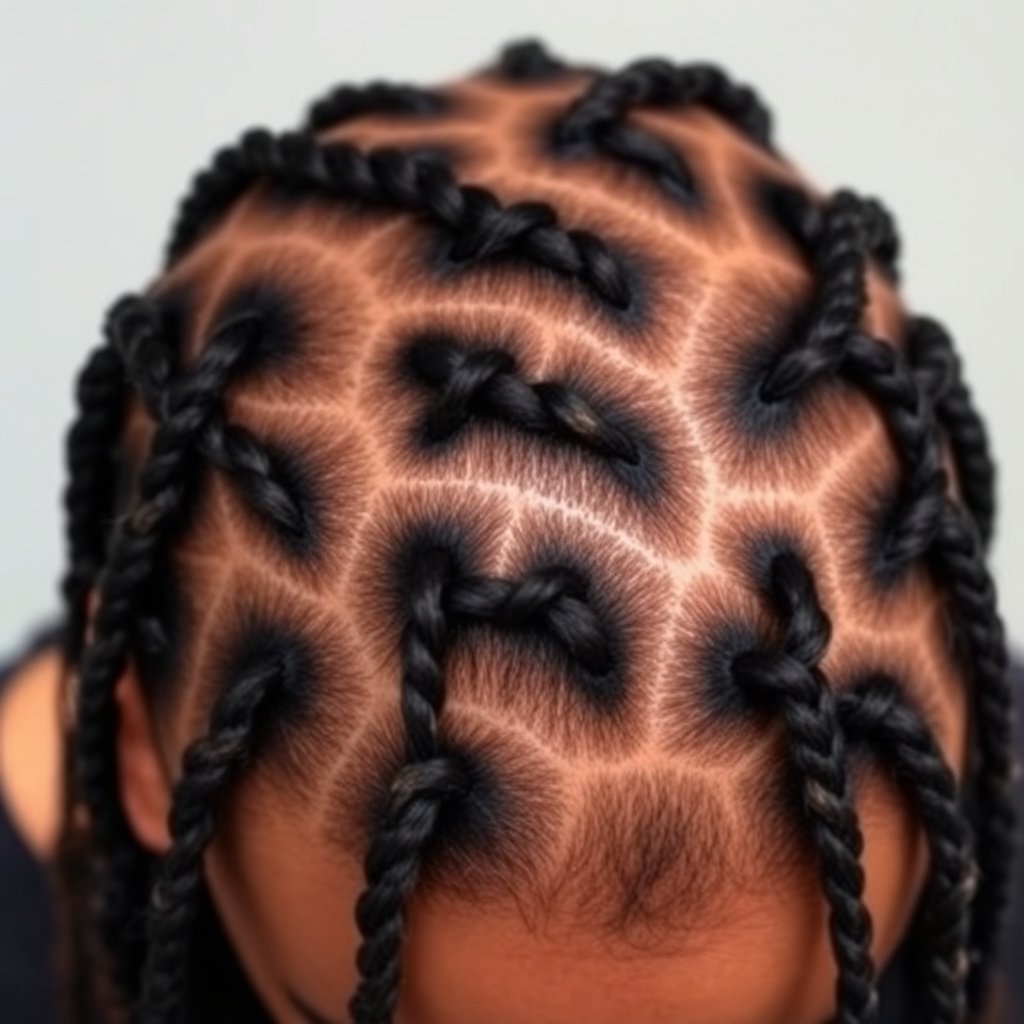
You can tell braids need retouching when new hair growth causes slack at the roots, making the braid appear loose or frizzy. Additionally, flyaways and fuzziness along the braid length signal it's time to refresh the style.
Ignoring these signs leads to tangling and potential breakage since the protective tightness of the braid diminishes. Addressing retouching early preserves scalp health and keeps your hairstyle looking polished.
- Visible new growth causing gaps
- Frizzy or fuzzy areas near scalp
- Increased scalp itchiness
- Loose braid edges or unraveling
Benefits of Regular Braid Maintenance
Proper braid maintenance by retouching ensures your hair remains protected, reduces breakage risk, and helps scalp cleanliness. It also allows you to enjoy your style longer without the full effort of rebraiding.
Besides extending style longevity, retouching supports hair growth by minimizing manipulation stress and maintaining moisture balance with appropriate products.
Preparing Your Hair and Scalp for Retouching

Scalp Care Before Retouching
Cleanse your scalp gently with a diluted shampoo or cleansing spray to remove buildup without stripping natural oils. Afterward, apply a light, nourishing oil or scalp serum to soothe and hydrate the skin before manipulation.
Careful scalp preparation prevents irritation during retouching and helps maintain healthy hair follicles, which is essential to sustaining braid style integrity.
- Use gentle cleansing techniques
- Apply lightweight scalp oils
- Avoid heavy products that clog follicles
For more on this, see our related guide: Understanding the Difference Between Box Braids and Knotless Braids.
Detangling and Moisturizing Braids
Before tightening braids, focus on detangling loose hairs using your fingers or a wide-tooth comb to prevent matting. Then, lightly mist the braids with water or braid refresher spray to rehydrate the strands.
Moisturizing reduces fracture risk during retouching and keeps both natural hair and synthetic extensions soft and manageable while you work.
Techniques for Retouching Different Types of Braids
Retouching Box Braids and Individual Braids
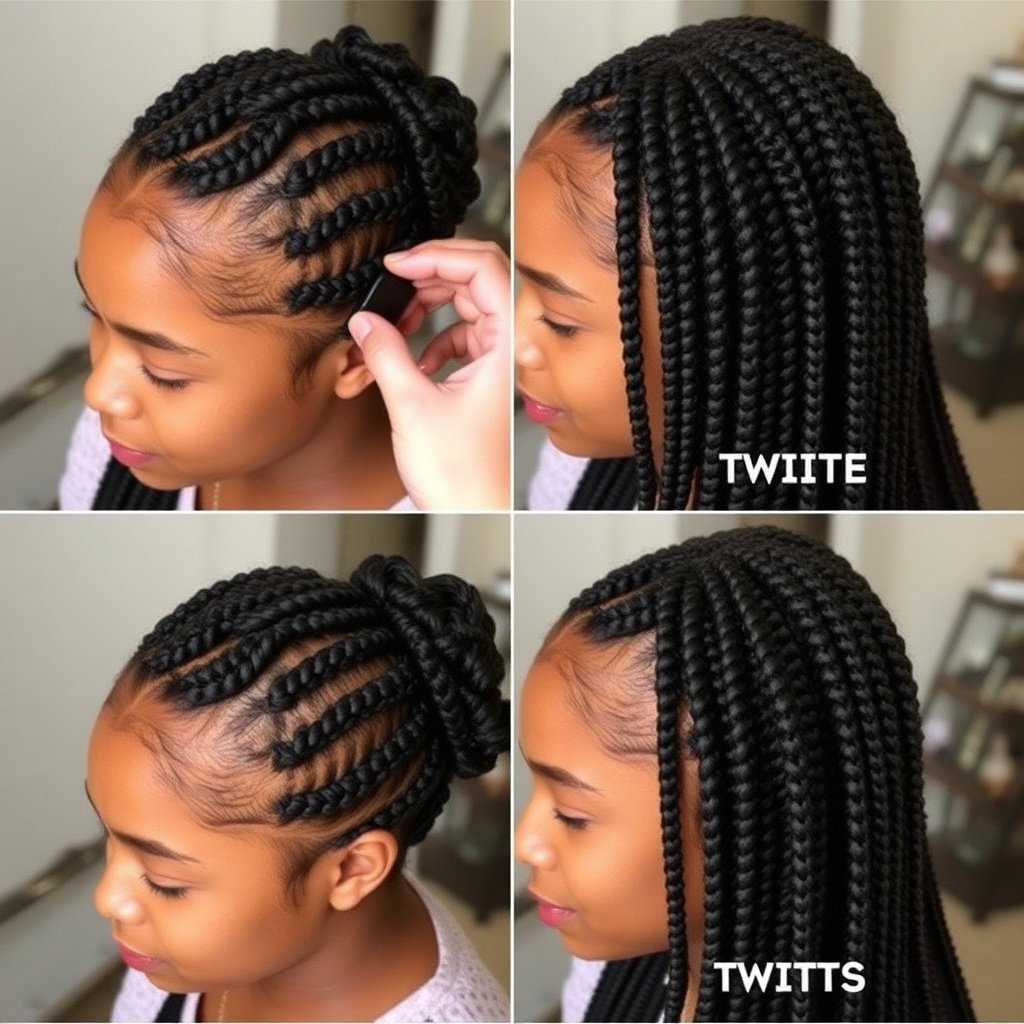
For box braids, carefully rebraid the new growth near the scalp sections by section. Start by dividing the loose area into manageable parts and using braid gel for grip as you braid tighter to the roots.
Avoid pulling too tightly to prevent damage, and gently smooth edges with edge control products to freshen the look.
- Section loose roots carefully
- Use braid gel to add grip
- Smooth edges with control gel
- Avoid excessive tension
Retouching Cornrows and Flat Twists
Retouching cornrows requires recreating neat parts alongside the new growth zones, using a rat-tail comb for precision. Moistening the scalp before braiding enhances manageability and helps keep lines clean.
Flat twists benefit from similar tactics—section out loosened hair, apply styling cream for hold, and twist tightly but comfortably to avoid scalp discomfort.
- Use precise parting tools
- Work with damp hair
- Apply styling cream for hold
Recommended Products for Effective Braid Maintenance
Styling Products to Retouch Braids
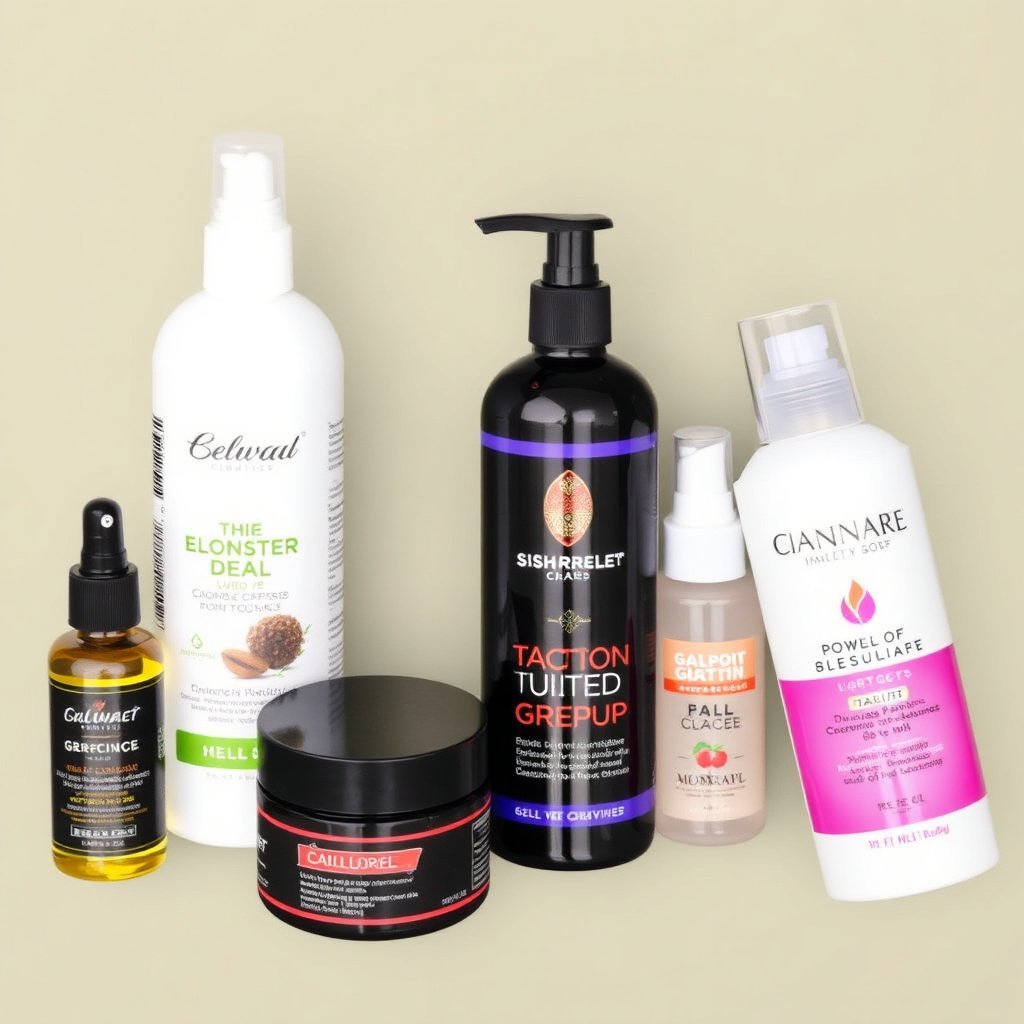
A quality braid gel or edge control with non-flaking formulas helps tighten roots and smooth flyaways without buildup. Resuable or natural-based gels are preferred for their scalp-friendly characteristics.
Braid refresher sprays infused with moisturizing agents like aloe vera or glycerin keep hair hydrated between washes and during retouching processes.
- Non-flaking braid gel
- Edge control for edges
- Hydrating braid refresher sprays
Hydrating and Protecting Products
Lightweight oils such as jojoba or grapeseed oil provide moisture without heaviness. Leave-in conditioners formulated for braids replenish moisture and reduce frizz during retouching.
Avoid heavy creams or products that leave residue, as these can cause buildup and scalp irritation over time.
- Light oils like jojoba oil
- Braid-friendly leave-in conditioners
- Avoid heavy or sticky products
Maintaining Your Retouched Braids for Longevity

Nighttime Care and Protection
Protect your retouched braids by covering them with a silk or satin scarf or bonnet at night to reduce friction that causes frizz and breakage. Sleeping on a satin pillowcase offers additional protection.
This simple step significantly extends the neat appearance of your braids between touch-ups.
- Use silk or satin scarves
- Opt for satin pillowcases
- Avoid cotton which causes friction
For more detailed background on the history and cultural significance of braid hairstyle care, you can read this comprehensive article. braid hairstyle care.
Routine Cleansing and Scalp Health
Keep your scalp clean by shampooing gently every 1-2 weeks. Use diluted shampoos or scalp cleansers designed for braided hair to avoid loosening the style prematurely.
Regular cleansing prevents itching and buildup, which are common issues when maintaining braids long-term.
- Shampoo every 1-2 weeks gently
- Use diluted shampoos
- Focus on scalp cleanliness without over-washing
Comparing Braid Retouching Methods by Style Type
Here is a quick overview comparing retouching methods, time required, and typical product recommendations for popular braid styles.
| Braid Type | Retouching Complexity | Time Needed | Recommended Products |
|---|---|---|---|
| Box Braids | Medium | 1–2 hours | Braid gel, edge control, refresher spray |
| Cornrows | High | 2–3 hours | Styling cream, hold gel, scalp oil |
| Flat Twists | Medium | 1–1.5 hours | Twisting cream, leave-in conditioner |
| Senegalese Twists | High | 2+ hours | Moisturizing cream, braid gel |
| Faux Locs | Low | 30 mins–1 hour | Light oil, mousse for hold |
Frequently Asked Questions
How often should I retouch my braids?
Typically, braids should be retouched every 2-4 weeks depending on hair growth and braid type to maintain neatness and prevent damage.
Can I retouch my braids myself at home?
Yes, with proper tools and products, you can retouch most braid styles at home, focusing on new growth near the scalp and smoothing edges.
What products are best for retouching braids?
Non-flaking braid gels, edge control, lightweight oils, and braid refresher sprays work best to tighten braids and maintain moisture during retouching.
Is it damaging to retouch braids frequently?
Retouching done gently without excessive tension helps prevent damage. Overly tight braiding or pulling too frequently can cause breakage and scalp irritation.
How can I reduce frizz when retouching braids?
Using edge control, braid gels, and hydrating sprays while smoothing flyaways during retouching minimizes frizz and keeps braids looking fresh.
Key Takeaways
- Retouch braids to tighten roots and refresh edges for a neat appearance.
- Prepare the scalp and hair with gentle cleansing and moisturizing before retouching.
- Use braid-friendly styling and hydrating products to maintain style longevity.
- Protect braids at night and keep the scalp clean for healthy hair growth.
Conclusion
Retouching braids is about balancing gentle upkeep with maintaining the protective benefits of your style. Focusing on tightening loose roots, smoothing edges, and moisturizing keeps braids functional and visually fresh without full redos that can stress hair. This approach allows for healthy hair growth and minimizes damage caused by consistent manipulation. By understanding the needs of your braid type and scalp condition, you can adopt a retouch routine that supports lasting style and scalp health.
Different braid styles require unique retouch techniques. For example, box braids call for careful rebraiding at the roots using braid gel for grip, while cornrows demand precise parting and moisture for neat lines. Using braid maintenance tips like regular moisturizing with lightweight oils and avoiding heavy buildup products lets you keep your style intact longer. For those with tight twists or faux locs, minimal retouching combined with hydration offers the best results to sustain the look without stressing the hair.
Starting your retouch process with scalp care and cleansing sets a healthy foundation, followed by detangling and selecting suitable products tailored to your braid type. Make retouching a regular but gentle habit to extend your wash-and-go intervals and keep braids looking sharp. Whether you choose to retouch at home or rely on a stylist, understanding these essential steps will let you confidently maintain the beauty and integrity of your braids.