
Your Guide to Dandruff Shampoo: Choosing With Confidence
Dealing with flakes and an itchy scalp can be really frustrating, and if you’re struggling to find a dandruff shampoo that actually works, you’re not alone. Many people face this issue and want a reliable solution that soothes their scalp without causing irritation.
Choosing the right product can feel overwhelming with so many options out there.
To choose the right dandruff shampoo confidently, first assess your scalp type—dry, oily, sensitive, or normal—and consider your lifestyle and scalp needs.
Look for key ingredients like zinc pyrithione, salicylic acid, or tea tree oil, balancing treatment strength with gentleness.
Use the shampoo as directed, avoid overuse, and combine it properly with other hair products.
Understanding these basics helps you manage flakes effectively and keeps your scalp healthy.
Explore further to find the best routine for lasting relief.
Key Takeaways
- Identify your scalp type (dry, oily, sensitive, or normal) to select a suitable dandruff shampoo for effective treatment.
- Choose shampoos with active ingredients like zinc pyrithione, salicylic acid, tea tree oil, or ketoconazole for targeted dandruff control.
- Use dandruff shampoo 2-3 times weekly, adjusting frequency based on how your scalp responds to avoid irritation or dryness.
- Apply shampoo gently to the scalp, rinse thoroughly, and follow with lightweight conditioners to keep your scalp hydrated.
- Maintain a consistent routine and consider rotating shampoos to support long-term scalp health and help prevent dandruff from coming back.
What Causes Dandruff and Scalp Issues
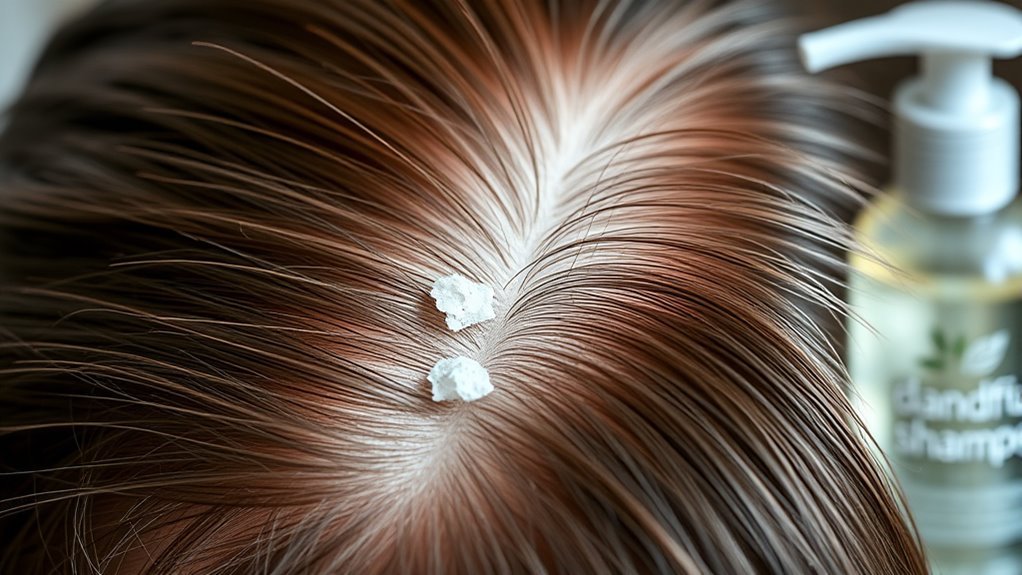
Although dandruff might seem like just flaky skin, it actually stems from several underlying scalp issues that you should understand to treat it effectively. Poor scalp hygiene often contributes to dandruff by allowing excess oil and dead skin cells to build up, creating an environment where yeast-like fungi thrive.
When these fungi multiply, they irritate your scalp and cause flaking. Environmental factors like cold, dry weather or pollution can also worsen dandruff by drying out your scalp or triggering irritation. Moreover, stress and certain hair products might disrupt your scalp’s natural balance, making flakes more noticeable.
To manage dandruff, you need to keep your scalp clean while being mindful of these external influences. Maintaining good scalp hygiene and protecting your scalp from harsh environmental factors can reduce irritation and control flaking. Understanding these causes helps you take smarter steps toward healthier, flake-free hair.
How to Pick the Right Dandruff Shampoo
Keeping your scalp clean and balanced is key to controlling dandruff, but choosing the right shampoo can make a big difference in how effectively you manage flakes. Start by evaluating your scalp hydration. If your scalp feels dry or tight, look for shampoos that help maintain moisture without weighing down your hair.
Consider your lifestyle factors, such as stress levels, diet, and how frequently you wash your hair, since these can influence the type of shampoo you need. If you’re active or sweat often, a gentle but effective formula that cleanses thoroughly might work best.
On the other hand, if you have sensitive skin, opt for shampoos designed to soothe irritation. Don’t hesitate to try a few options to see which one suits your scalp’s unique needs. Remember, consistent use and paying attention to how your scalp responds will guide you to the right dandruff shampoo for lasting relief.
Key Ingredients in Dandruff Shampoos to Know
When you choose a dandruff shampoo, understanding its key ingredients can help you target the root cause of your flakes more effectively. Here are four important components to know:
- Zinc Pyrithione Benefits: This ingredient fights fungus and bacteria, reducing scalp irritation and flakiness.
- Salicylic Acid Effectiveness: It acts as a natural exfoliant, helping to remove dead skin cells and prevent buildup.
- Tea Tree Oil Properties: Known for its antimicrobial and anti-inflammatory effects, it soothes the scalp and reduces dandruff symptoms.
- Coal Tar Usage and Ketoconazole Function: Coal tar slows down skin cell production, while ketoconazole targets fungal causes of dandruff, providing effective relief.
Additionally, moisturizing agents and essential oils help keep your scalp hydrated and balanced. Exploring natural exfoliants can also support scalp health without harsh chemicals.
Knowing these ingredients empowers you to pick a shampoo that truly addresses your dandruff concerns.
Medicated vs Natural Dandruff Shampoos: What’s Best?
Understanding the ingredients in dandruff shampoos helps you decide between medicated and natural options. Medicated options often contain active ingredients like zinc pyrithione or ketoconazole, which target dandruff-causing fungi directly. They tend to offer quicker relief and are backed by clinical effectiveness comparison studies. However, they might be harsher on sensitive scalps if used too frequently.
On the other hand, natural alternatives use ingredients like tea tree oil, aloe vera, or chamomile to soothe your scalp and reduce flakes gently. These can support scalp health over time but may take longer to show visible results and might not be as potent against severe dandruff.
When choosing, consider your scalp’s sensitivity and the severity of your dandruff. Medicated options deliver fast, targeted treatment, while natural alternatives promote overall scalp health with a gentler approach. Balancing these factors helps you pick what’s best for your hair and comfort.
Finding the Best Shampoo for Your Scalp Type
To find the best dandruff shampoo, first figure out what type of scalp you have. Is it dry, oily, or flaky? Once you know that, you can pick ingredients that really target your specific needs. Also, keep in mind any sensitivities or allergies you might have so you don’t end up with irritation. It’s all about choosing the right match for your scalp!
Identify Your Scalp Type
How do you know which shampoo suits your scalp best? Start by identifying your scalp type, as this guides your choice. Your hair type and environmental factors like weather can affect scalp conditions such as dryness or oiliness.
- Dry scalp often feels tight and may be flaky or itchy. It needs gentle moisturizing care.
- Oily scalp produces excess sebum, making hair look greasy quickly and prone to buildup.
- Sensitive scalp reacts easily to products or pollution, causing redness or irritation.
- Normal scalp balances moisture and oil, usually without noticeable flakiness or itchiness.
Recognizing whether your scalp is dry, oily, sensitive, or normal helps you pick a shampoo that targets your specific needs effectively.
Match Ingredients To Needs
Since every scalp type has unique needs, choosing a shampoo with the right ingredients makes all the difference in managing dandruff effectively. You want to focus on ingredient synergy, how active components work together to improve scalp health.
For oily scalps, look for shampoos with salicylic acid or tea tree oil to reduce excess oil and flakiness. If your scalp is dry, ingredients like zinc pyrithione or coal tar can soothe irritation without stripping moisture.
Normal scalps benefit from balanced formulas combining antifungal agents and moisturizers to maintain healthy skin. By matching ingredients to your specific scalp type, you create an environment that discourages dandruff buildup while promoting overall scalp wellness.
This targeted approach guarantees you tackle dandruff effectively and keep your scalp feeling fresh and comfortable.
Consider Sensitivity And Allergies
What should you do if your scalp reacts badly to certain shampoos? If you have sensitive scalps, it’s essential to take extra care when selecting a dandruff shampoo. Start by performing allergy testing on a small skin patch before full use. Here’s how to evaluate sensitivity and allergies:
- Choose shampoos labeled for sensitive scalps. They usually contain gentler ingredients.
- Avoid products with harsh chemicals like sulfates and parabens because they can trigger irritation.
- Conduct allergy testing by applying a small amount behind your ear. Then, wait 24 hours to see if there’s any reaction.
- Consult a dermatologist if you experience persistent redness, itching, or discomfort.
How Often Should You Use Dandruff Shampoo?
How often you use dandruff shampoo really depends on what your scalp needs and what the product says. You might want to start by using it daily. Then, if your scalp starts feeling dry or irritated, you can ease up a bit. Paying attention to how your scalp reacts helps you avoid overusing the shampoo and keeps your scalp healthy.
Daily Versus Weekly Use
Although dandruff shampoos are effective, you shouldn’t use them the same way every day. Choosing between daily application and a weekly regimen depends on your scalp’s sensitivity and dandruff severity. Here’s how to decide:
- Start with a daily application if your dandruff is severe or flaky.
- Switch to a weekly regimen once flakes reduce and your scalp feels calmer.
- Use gentle shampoos daily if your scalp is sensitive but still needs treatment.
- For mild dandruff, a weekly regimen often suffices and prevents scalp dryness.
Signs to Adjust Frequency
When should you change how often you use dandruff shampoo? Pay attention to your scalp’s reaction. If you notice increased dryness, redness, or irritation, it may be time to reduce frequency.
Scalp sensitivity varies from person to person, so what worked before might need tweaking. On the other hand, if flakes persist or worsen, increasing usage could help control buildup.
Make gradual frequency adjustments. Don’t switch abruptly. Monitor your scalp closely after each change to find the right balance.
Effects of Overuse
If you use dandruff shampoo too often, you might irritate your scalp and strip away natural oils that protect your skin. This can lead to dryness, redness, and even worsen dandruff symptoms. To maintain scalp health, it’s important to find the right balance.
Here’s what to take into account:
- Follow the recommended usage on the product label, usually 2-3 times per week.
- Be mindful of product interactions; avoid mixing dandruff shampoo with harsh styling products.
- Monitor your scalp’s response; if irritation occurs, reduce frequency or switch formulas.
- Consult a dermatologist if dandruff persists despite proper usage.
Common Mistakes to Avoid When Using Dandruff Shampoo
Because dandruff shampoos are designed to treat specific scalp conditions, using them incorrectly can reduce their effectiveness or even cause irritation. One common mistake is poor application techniques. Make sure you massage the shampoo gently into your scalp and allow it to sit for the recommended time before rinsing.
Avoid frequency mistakes. Using dandruff shampoo daily when it’s only needed a few times a week can lead to dryness or scalp irritation. Be mindful of product interactions, especially if you’re using other hair treatments. Some ingredients may counteract each other or worsen sensitivity.
Proper scalp care extends beyond shampooing. Maintain a healthy routine by staying hydrated, eating well, and managing stress, as lifestyle factors directly influence scalp health. By avoiding these pitfalls and following instructions closely, you’ll maximize your dandruff shampoo’s benefits and keep your scalp comfortable and flake-free.
Combining Dandruff Shampoo With Other Hair Products
When you combine dandruff shampoo with other hair products, it’s important to layer them safely to avoid irritation. You don’t want to end up with a scalp that’s more irritated than before. Also, keep an eye out for ingredient conflicts—some combinations can reduce how well your dandruff shampoo works. Getting this right means you’ll get the best results from your dandruff treatment and keep your hair looking healthy.
Layering Products Safely
Although dandruff shampoos target scalp health, you’ll want to be careful about how you combine them with other hair products to avoid irritation or reduced effectiveness. Understanding product interactions and using proper layering techniques can help you get the most out of your routine.
- Apply dandruff shampoo first, focusing on the scalp, then rinse thoroughly.
- Use lightweight conditioners or treatments afterward to avoid weighing down your hair.
- Wait a few minutes between products to let active ingredients absorb fully.
- Avoid applying styling products directly to the scalp to prevent buildup that can interfere with your dandruff shampoo.
Avoiding Ingredient Conflicts
To prevent irritation and maintain your dandruff shampoo’s effectiveness, you need to be mindful of the ingredients in other hair products you use. Some products can disrupt your scalp pH or contain harsh chemicals that counteract your shampoo’s active ingredients. Always check for ingredient compatibility before layering treatments, conditioners, or styling products.
For example, combining shampoos with antifungal agents and acidic tonics may irritate your scalp or reduce treatment potency. Avoid products with sulfates or alcohol that can dry out your scalp and interfere with the shampoo’s balance. Instead, choose gentle, pH-balanced products designed to complement your dandruff treatment.
Paying attention to these details helps you avoid conflicts, keeping your scalp healthy and your dandruff shampoo working as intended.
Enhancing Treatment Effectiveness
Combining dandruff shampoo with the right hair products can boost your treatment’s effectiveness and improve scalp health. To maximize results, consider these tips:
- Use a gentle conditioner after shampooing to maintain scalp hydration and prevent dryness.
- Incorporate a scalp serum designed to soothe irritation, especially during seasonal changes when dandruff can flare up.
- Avoid heavy styling products that may clog pores or interfere with your shampoo’s active ingredients.
- Rotate dandruff shampoos with different active ingredients occasionally to target various causes and keep your scalp balanced.
What to Do If Your Dandruff Shampoo Isn’t Working
If your dandruff shampoo isn’t delivering results, don’t give up just yet. Sometimes, it takes a little time for your scalp to adjust and for the shampoo to work effectively. Make sure you’re following the instructions carefully and using the shampoo consistently.
Be patient with your dandruff shampoo; consistent use and proper application are key to seeing results.
Beyond that, consider your overall scalp care routine. Gentle cleansing, avoiding harsh styling products, and not scratching can make a big difference.
Also, assess your lifestyle changes. Stress, diet, and sleep all impact scalp health. Managing stress, eating balanced meals rich in vitamins, and getting enough rest can support your scalp’s recovery.
If you’ve tried these adjustments and still see no improvement after several weeks, it might be time to switch shampoos or consult a dermatologist. They can help identify if an underlying condition is causing your dandruff or recommend a stronger treatment.
Tips for Maintaining a Flake-Free Scalp Long Term
Once you find a dandruff shampoo and routine that work for you, keeping your scalp flake-free becomes a matter of consistent care. Maintaining scalp hydration and making smart lifestyle changes will help prevent flare-ups and keep your scalp healthy long term. Here are four essential tips to stick with:
- Stick to your shampoo routine: Use your dandruff shampoo as directed, even when flakes disappear. Consistency is key to preventing buildup.
- Keep your scalp hydrated: Use a lightweight conditioner or scalp treatment to avoid dryness, which can worsen flaking.
- Adopt healthy lifestyle changes: Manage stress, eat a balanced diet, and get enough sleep. These factors influence scalp health more than you might think.
- Avoid harsh hair products: Steer clear of styling products that dry out or irritate your scalp. Opt for gentle, scalp-friendly formulas.
Frequently Asked Questions
Can Dandruff Shampoo Cause Hair Color to Fade?
Yes, dandruff shampoo can cause hair color to fade, especially if it contains strong ingredients like zinc pyrithione or selenium sulfide. To protect your color, you should incorporate dandruff prevention tips such as using a gentle, color-safe shampoo and avoiding over-washing.
Adjust your hair care routines to include moisturizing treatments and limit heat styling. This way, you’ll keep your scalp healthy without sacrificing your vibrant hair color.
Are Dandruff Shampoos Safe for Children?
Regarding your child’s safety, you shouldn’t overlook ingredient concerns in dandruff shampoos. While many are formulated gently, some contain active ingredients like zinc pyrithione or selenium sulfide, which might irritate sensitive skin.
You should always choose products labeled safe for children and consult a pediatrician before use. After all, safeguarding your child’s scalp health means balancing effectiveness with softness because their comfort matters just as much as treating dandruff.
How Should Dandruff Shampoo Be Stored?
You should store dandruff shampoo in a cool, dry place away from direct sunlight to maintain its effectiveness. Keeping it tightly closed prevents contamination and helps preserve the formula.
Follow storage tips on the label and avoid humid areas like the shower. Always check the product expiration date before use, as expired shampoo might not work well or could irritate your scalp. Proper storage guarantees you get the best results every time.
Can Dandruff Shampoo Help With Oily Scalp?
Yes, dandruff shampoo can help with an oily scalp like a magnet attracts metal. Many dandruff shampoos contain ingredients that balance oil production while tackling flakes, making them effective oily scalp solutions.
Using these shampoos regularly supports dandruff prevention tips by keeping your scalp clean and less greasy. Just be sure to choose one suited for oily skin to avoid over-drying or irritation, ensuring your scalp feels fresh and healthy.
Is It Okay to Share Dandruff Shampoo With Others?
It’s generally best not to share dandruff shampoo with others, even though dandruff treatments can seem harmless. Sharing hygiene products like shampoos can spread bacteria or fungi, which might make scalp issues worse.
Your scalp’s needs might differ from someone else’s, so using your own dandruff shampoo ensures you get the right treatment. Keep your dandruff treatments personal to maintain good hygiene and avoid cross-contamination for healthier scalp care.
Conclusion
Now that you know how to choose the right dandruff shampoo, why settle for an itchy, flaky scalp? With the right ingredients and a routine tailored to your scalp type, you can confidently bid farewell to flakes.
Remember, consistency is key, and avoiding common mistakes will keep your scalp healthy long term. If your shampoo isn’t working, don’t hesitate to try another. Your scalp deserves the best care every day, so choose the right dandruff shampoo to keep it healthy and flake-free.