How to Use a Weaving Net: A Step-by-Step Guide for Beginners
Using a weaving net involves setting up a framework of interconnected threads or cords that serve as the base for your weaving project. To use it, you thread your weft materials horizontally through the vertical warp cords of the net, carefully interlacing to create your desired pattern or texture.
Weaving nets provide a stable yet flexible grid that simplifies consistency in spacing and structure, making them popular for both practical crafts and artistic designs. Knowing how to use a weaving net properly can help you produce intricate woven pieces with greater ease and accuracy.
This guide will walk you through the basics of preparing your weaving net, choosing your weaving materials, and applying various weaving net techniques. You’ll also find tips for troubleshooting and finishing your woven nets to achieve durable, attractive results.
Preparing Your Weaving Net for Use
Choosing the Right Weaving Net Material
Select a weaving net made from materials suited to your project, such as cotton, nylon, or polyester. Cotton nets, for example, are soft and absorbent, ideal for natural fiber weaving, while synthetic nets offer greater durability and resistance to stretching.
Consider the mesh size of the net, which affects the thickness and spacing of your weft threads. Smaller mesh sizes work well for fine, detailed work, whereas larger meshes accommodate bulkier or broader strips.
- Cotton: natural, flexible, absorbent
- Nylon: strong, durable, less stretchable
- Polyester: resistant to weather, versatile
- Mesh size selection based on project detail
Setting Up the Weaving Net Properly
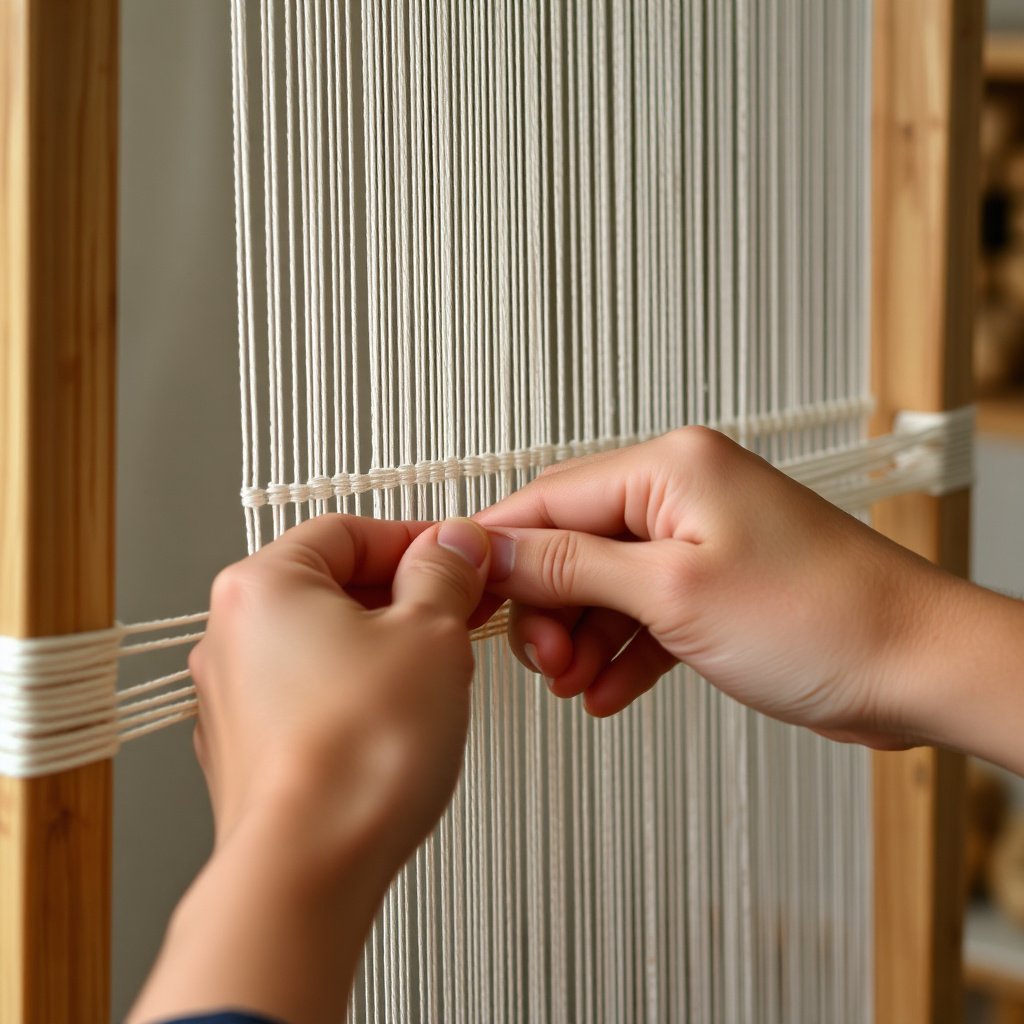
Secure your weaving net tightly onto a frame or embroidery hoop to maintain consistent tension. Proper tension prevents sagging and misalignment during weaving. The frame size should match your intended project size for ease of handling.
Ensure the net is evenly stretched without distorting the mesh shape. You can use clamps or nails depending on your setup. A taut net creates a reliable grid, making the weaving process smoother and resulting in a cleaner finished product.
- Use a wooden or metal frame
- Stretch net evenly before securing
- Avoid overstretching to prevent distortion
- Check for consistent mesh tension
Basic Weaving Techniques Using a Net

Simple Over-Under Weave Pattern
Start by passing your weft thread over one warp strand of the net and then under the next, repeating this alternating pattern across the row. This fundamental technique builds a strong fabric structure and establishes the basic woven look.
Be consistent and gentle with your weaving tension to keep the pattern uniform. After completing each row, pack the weft down lightly to reduce gaps between threads and enhance overall stability.
- Alternate weaving over and under mesh strands
- Maintain even thread tension
- Pack weft rows for tightness
For more on this, see our related guide: Weaving Thread: A Complete Buying Guide.
Creating Patterns and Textures on the Net
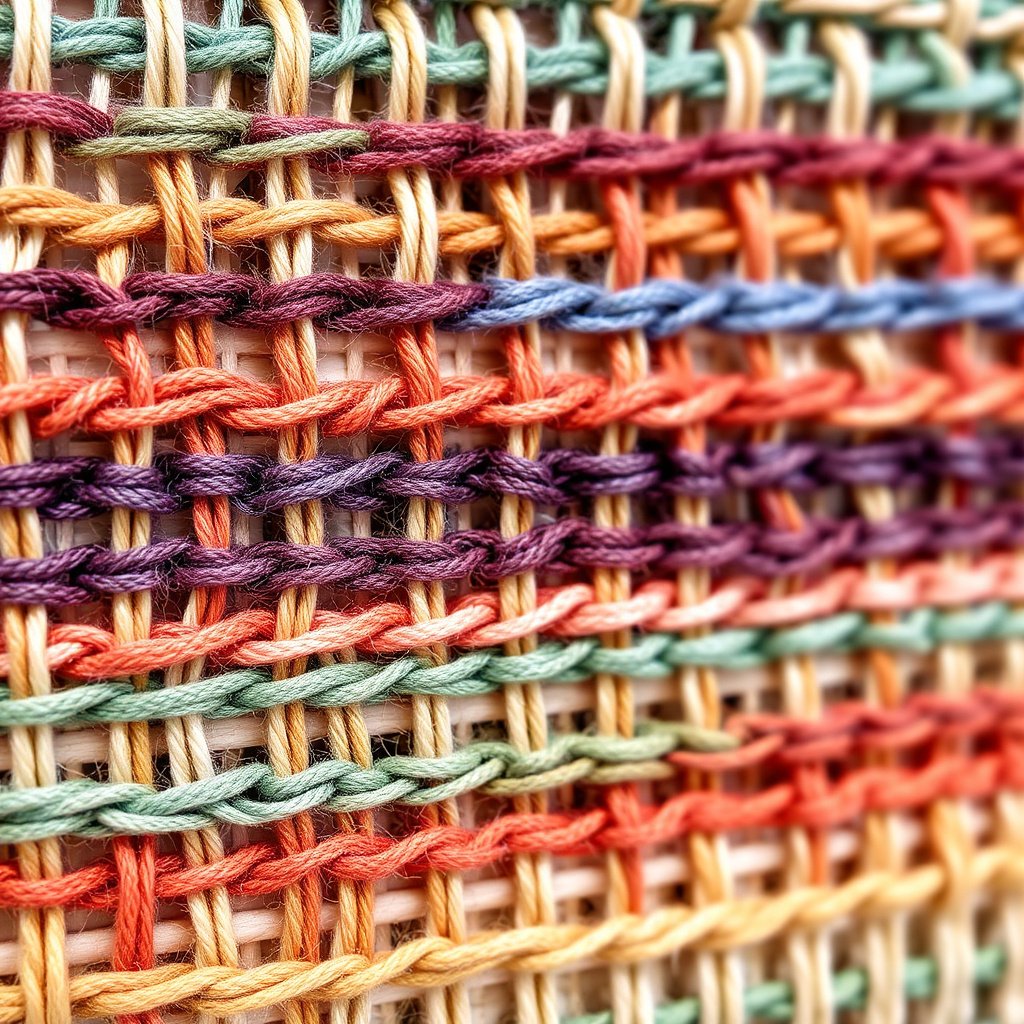
By varying the colors, thicknesses, and weaving sequences of your weft threads, you can introduce patterns such as stripes, checks, or more complex geometric forms. Try skipping mesh strands or doubling weaving passes to add texture and depth.
Using different weaving net techniques like twining or wrapping around certain warp points expands your creative options. Experimentation is key to discovering appealing patterns that work well with the net's structure.
- Incorporate color changes for patterns
- Vary weft thickness for texture
- Use advanced weaving net techniques like twining
- Skip mesh points for open designs
Advanced Weaving Net Techniques for Durability and Aesthetics
Reinforcing Edges and Corners
Edges and corners of your weaving net project are prone to fraying or loosening if left unreinforced. Adding extra weaving passes or wrapping stronger threads around these areas secures your work and extends its lifespan.
You can also sew or knot the perimeter threads for additional stability. This finishing detail preserves the net shape and prevents unraveling when the project is handled or washed.
- Extra weaving around edges
- Sew perimeter knots
- Use stronger threads on vulnerable areas
Incorporating Mixed Materials in Weaving Nets
Combine natural fibers with metallic threads, ribbons, or thin leather strips to introduce visual interest and tactile variation. The weaving net's open grid supports diverse materials better than a solid fabric base.
Pay attention to compatibility; some materials require looser tension or gentle handling to avoid damage. Integrating mixed materials adds complexity and artistic flair to your net-based weaving projects.
- Mix fibers like cotton and metallic threads
- Use ribbons or leather strips
- Adjust tension for delicate materials
- Create layered effects with different textures
Common Uses and Applications of Weaving Nets

Crafting Home Décor Items
Weaving nets are widely used to create wall hangings, table runners, and decorative baskets. Their grid structure makes it easier to maintain uniform patterns and introduce textures fitting to interior themes.
Choosing colorful weft materials or varied thicknesses tailors the aesthetics, while reinforced edges ensure durability for everyday use items.
For more on this, see our related guide: What Is Pre-Stretched Braiding Hair? A Clear Guide to Its Features and Uses.
Practical Utility and Repair Work
Weaving nets find adoption for practical purposes like repairing fishing nets, making nets for gardening support, or creating protective mesh for delicate produce. Their design allows strength and flexibility necessary for utilitarian tasks.
Adopting proper weaving net techniques enhances the efficiency and lifespan of such repairs or newly crafted functional nets.
Troubleshooting and Maintenance of Weaving Nets
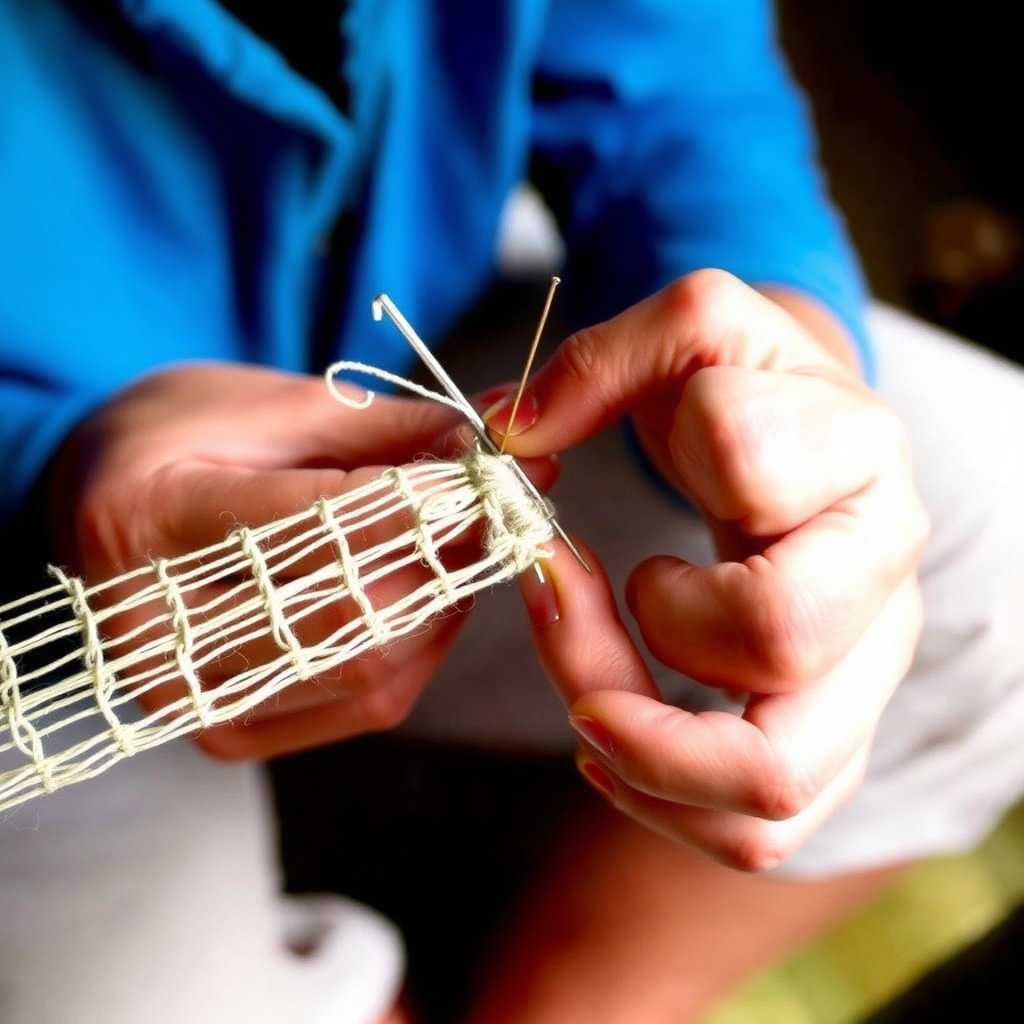
Fixing Tears and Loose Weaves
If your weaving net develops tears, repair them by carefully weaving additional threads across the damaged area. Use a needle or small shuttle to mimic the original weaving pattern and maintain strength.
Regularly check for loose strands and tighten them by reweaving or tying knots where possible. Quick fixes prevent small issues from expanding into larger problems.
- Use matching thread to weave repairs
- Mimic the original pattern
- Tie knots or secure loose strands
For more detailed historical and technical information, you can refer to this weaving nets detailed overview. Weaving nets detailed overview.
Cleaning and Storing Your Weaving Net
Keep your weaving net clean by gently hand washing with mild detergent if materials allow. Avoid harsh chemical cleaners which can weaken fibers or fade colors. Dry flat to retain mesh shape.
Store nets rolled or flat, avoiding sharp folds that may distort the mesh. Proper storage keeps the net ready for your next project and preserves its integrity.
- Hand wash with mild detergent
- Dry flat to maintain shape
- Store rolled or flat in a dry place
- Avoid harsh cleaning agents
Weaving Net Types Category Comparison
Here’s a comparison of popular weaving net materials to help you select the best option for your project based on durability, tension, and typical uses.
| Net Material | Durability | Tension Stability | Ideal Uses |
|---|---|---|---|
| Cotton | Medium – wears with moisture | Good – stretches slightly | Fine weaving, craft projects |
| Nylon | High – resists tearing | Excellent – holds shape well | Outdoor, durable nets, heavy weaving |
| Polyester | High – resists UV and moisture | Good – moderate stretch | Gardening, repair nets, mixed materials |
| Hemp | Medium – naturally strong | Moderate – can be stiff | Eco-friendly crafts, rustic designs |
Frequently Asked Questions
What is the main purpose of a weaving net?
A weaving net serves as a stable grid that supports weaving by holding warp threads in place, allowing you to interlace weft threads to create woven fabric or designs.
Can I use any type of thread for weaving in a weaving net?
You can use various threads such as cotton, wool, or synthetic fibers, but selecting a compatible thickness and flexibility improves weaving quality and results.
How do I maintain the tension on a weaving net?
Securing the net tightly on a frame or hoop with even stretching and avoiding overstretching maintains proper tension during weaving.
Is it possible to repair a damaged weaving net?
Yes, small tears or loose areas can be repaired by weaving new threads following the original pattern, reinforcing weak spots and preventing further damage.
What are some common projects for weaving nets?
Weaving nets are used in crafting home décor like wall hangings, making baskets, repairing fishing nets, and gardening supports.
Key Takeaways
- Weaving nets provide a flexible and sturdy framework for various weaving projects.
- Choosing the right net material and mesh size impacts your project’s outcome.
- Proper tension and setup are essential for clean, consistent weaving.
- Advanced techniques include edge reinforcement and mixed material incorporation.
Conclusion
Selecting and using a weaving net effectively revolves around understanding your project’s requirements and the net’s characteristics. The key factors include material type, mesh size, and the tension with which the net is mounted. These influence not only the weaving process but also the durability and appearance of the final product. Maintaining consistent tension and preparing your net properly lays the foundation for easier weaving and better control over patterns and textures.
For beginners who want to start crafting decorative wall hangings or baskets, cotton or hemp nets with finer mesh sizes offer a forgiving and accessible base. Those working on outdoor or utility nets, like gardening supports or fishing net repairs, will benefit from the toughness and tension stability of nylon or polyester nets. Experimenting with weaving net techniques like over-under weaving and incorporating mixed materials can elevate your work and add unique artistic touches.
Once you've chosen your weaving net and gathered materials, set the net tightly on a frame and proceed with simple weaving patterns to build confidence. Make repairs promptly when needed and store your net carefully to preserve its condition. With practice and patience, using a weaving net can become a rewarding method for creating both functional and beautiful woven pieces.