
How Often Should You Wash a Wig: Expert Guidelines for Wig Care
You should wash a wig every 6 to 8 wears or roughly every two to three weeks if worn regularly. This frequency maintains cleanliness without stripping the fibers or loosening the cap. Overwashing can lead to dryness and tangling, while underwashing may cause buildup of oils and dirt, dulling the wig's look.
Wigs collect natural oils from the scalp, styling products, dust, and environmental pollutants, all of which can degrade fiber quality and reduce style longevity. Choosing the right washing schedule depends on wig type—synthetic wigs generally need gentler, less frequent washes than human hair wigs, which can sometimes handle more regular cleansing.
This article covers detailed recommendations on wig washing frequency, step-by-step cleaning instructions, signs your wig needs washing, and maintenance tips for both synthetic and human hair varieties. You'll also find comparisons of wig care products and answers to common questions to help you keep your wig looking fresh and natural.
Understanding Wig Types and Their Washing Needs
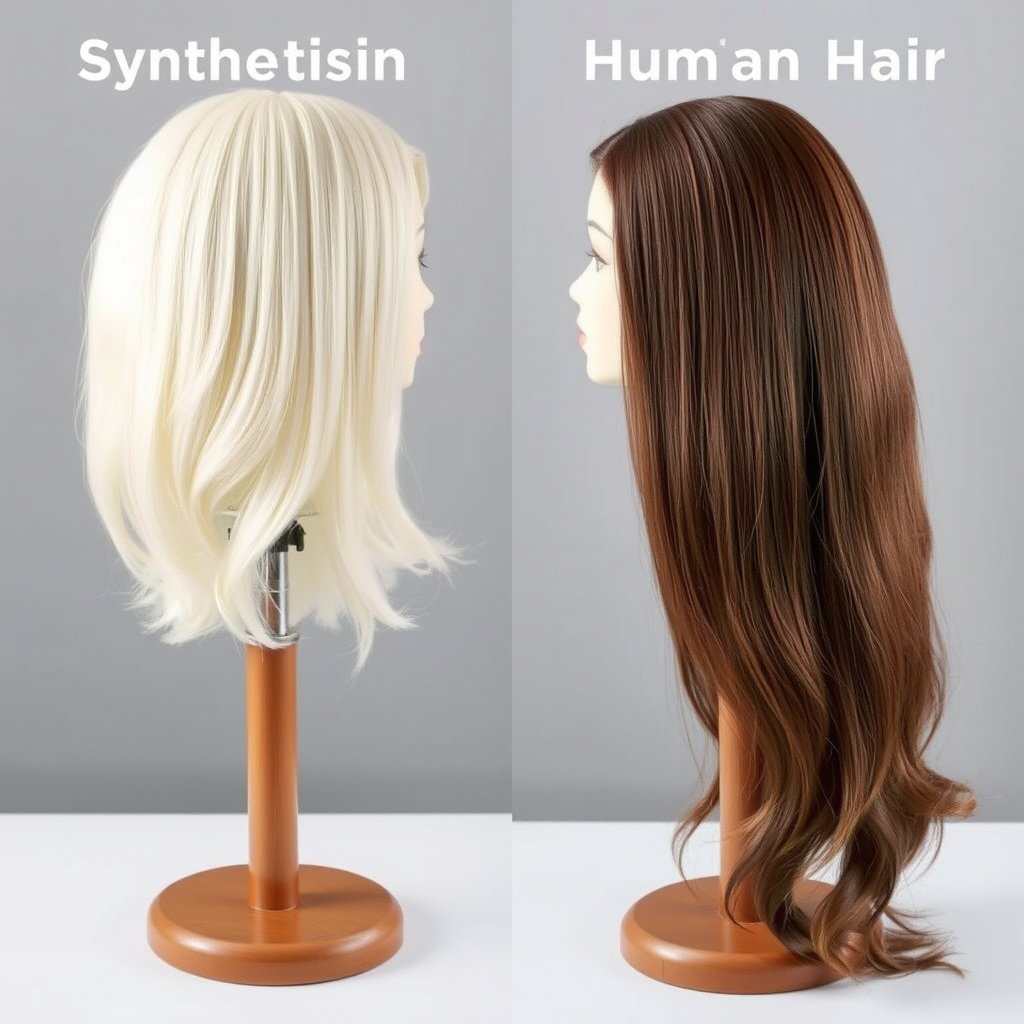
Synthetic Wigs: Gentle Care for Longevity
Synthetic wigs are made of man-made fibers designed to mimic natural hair. The fibers are pre-styled, which means washing frequently can cause them to lose their shape and shine more quickly. Typically, washing synthetic wigs every 6 to 8 wears keeps them clean without damaging their style.
Due to their delicate fibers, synthetic wigs should be washed with specialized shampoos and conditioners, avoiding hot water and vigorous scrubbing. Proper drying techniques, such as air drying on a wig stand, help preserve the fibers’ softness and prevent frizz.
- Use synthetic wig shampoo only
- Avoid heat styling after washing
- Air dry on a wig stand
Human Hair Wigs: Flexibility and Frequent Washing
Human hair wigs behave similarly to natural hair, allowing for heat styling and chemical treatments. This flexibility comes with the need for more frequent washing to keep the hair healthy and scalp feeling fresh, often every 7 to 14 days depending on wear.
Washing human hair wigs requires gentle sulfate-free shampoos and deep conditioning treatments to maintain softness and prevent dryness. They also tolerate more robust detangling and styling routines post-wash, making them a favorite for wearers who want versatility.
- Use sulfate-free shampoo
- Apply deep conditioner regularly
- Can use heat styling tools cautiously
Signs It’s Time to Wash Your Wig
Visual and Tactile Indicators
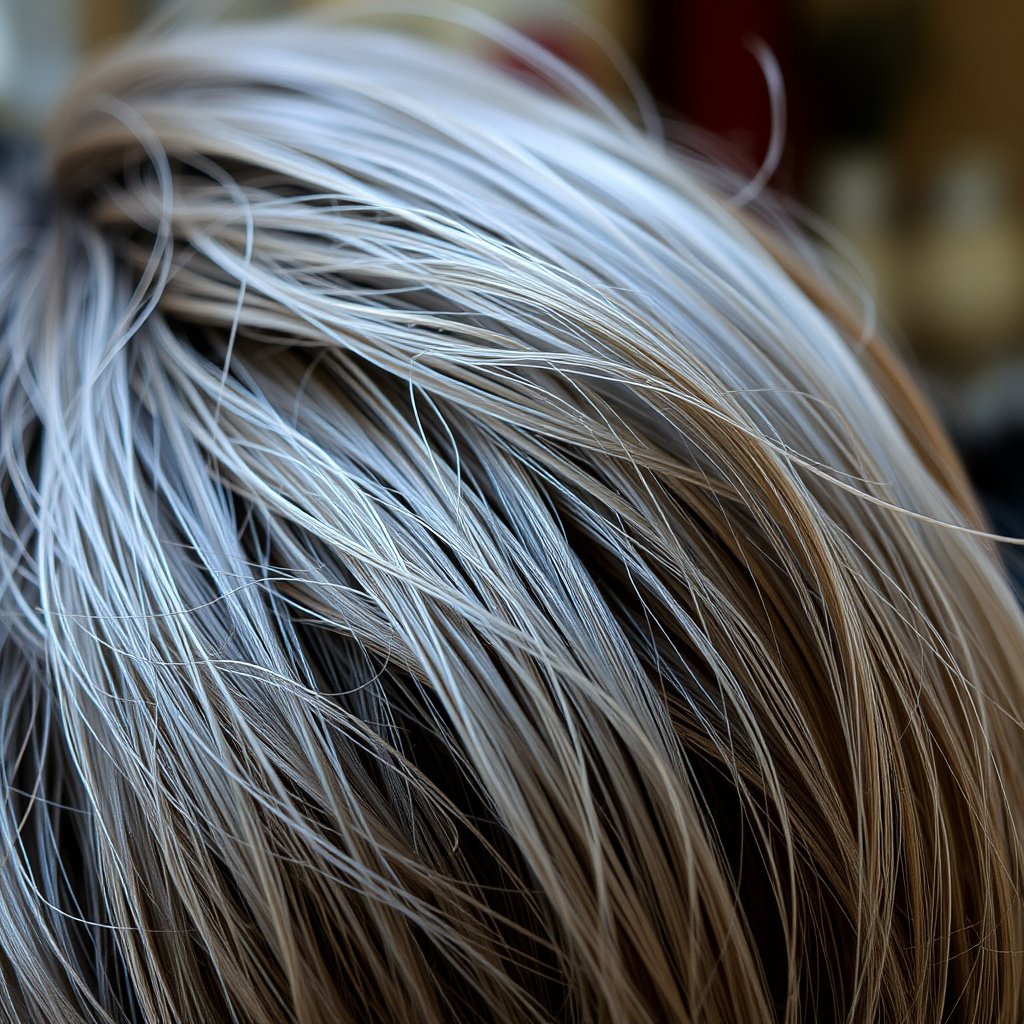
One of the easiest signs your wig needs washing is a buildup of oils, dirt, or styling products that can make the wig look dull or feel sticky. Synthetic wigs may appear matted or lose their shine, while human hair wigs might feel greasy or heavy.
Tactile cues include increased tangling or stiffness, which indicates that product residues are preventing the fibers from moving naturally. Noticing an unpleasant scalp odor from extended wear is also a strong sign it’s time to cleanse.
Changes in Wig Fit or Comfort
If the wig cap feels itchy or uncomfortable against your scalp, accumulation of sweat and oils may be the cause. A slipping wig can also signal that it needs washing, as the grip between the scalp and wig fibers changes with buildup.
Maintaining comfort is key for long-term wig wear, and washing can restore that fresh feel. Pay attention to any irritation or itching, as clean wigs help reduce scalp issues and keep the hair foundation healthy.
Best Practices for Washing a Wig
Preparation and Tools Needed
Gather a basin, gentle shampoo designed for wigs, conditioner or wig-specific detanglers, and a wig stand for drying. Make sure water is lukewarm to protect the fibers from heat damage.
Before washing, carefully detangle the wig with a wide-tooth comb or wig brush to remove knots, starting from the tips moving upward to the roots. Avoid tugging which can damage the cap and fibers.
- Lukewarm water
- Synthetic or sulfate-free shampoo
- Wide-tooth comb or wig brush
- Wig drying stand
For more on this, see our related guide: How Often Should You Wash a Wig: A Practical Guide for Long-Lasting Wear.
Step-by-Step Washing Process
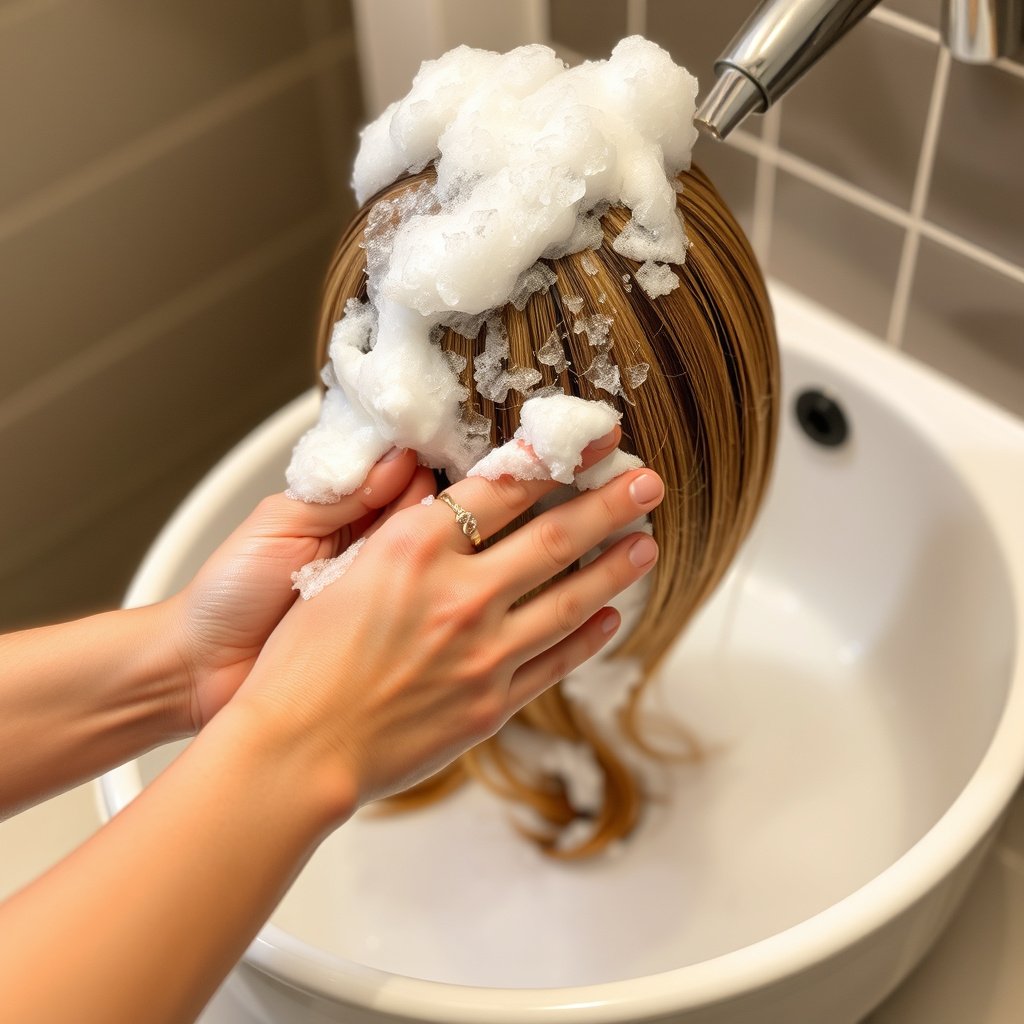
Submerge the wig gently in water and apply a small amount of shampoo, softly massaging the fibers to prevent tangling. Rinse thoroughly with cool water to remove soap residue.
Apply conditioner sparingly, avoiding the cap, and leave it on for a few minutes. Rinse again with cool water, then press the wig gently with a towel to remove excess moisture before placing it on the wig stand to air dry.
Maintaining Your Wig Between Washes

Daily Care and Styling Tips
Wig maintenance tips include using wig-specific sprays to refresh the fibers and prevent tangling. Avoid heavy styling products that cause buildup; instead, opt for lightweight detanglers.
Storing the wig on a stand after each use helps keep its shape and prevents creases. Brushing gently when dry also detangles without stressing the fibers.
- Use wig conditioning sprays
- Avoid heavy oils and gels
- Store on a wig stand
Protecting Your Wig from Damage
Shield your wig from excessive sun exposure, heat styling (especially for synthetic wigs), and harsh weather to prolong its lifespan. Covering the wig or wearing a silk scarf outdoors protects the fibers and cap integrity.
Regularly check the wig for loose wefts or cap wear and have it professionally repaired if needed to avoid structural damage.
Special Considerations for Colored and Lace Front Wigs

Color Preservation During Washing
Colored wigs require gentle handling to avoid color fading. Use color-safe shampoos and conditioners and limit washing frequency to protect vibrancy.
Avoid exposure to chlorine or saltwater without protection, as these can strip dye pigments and damage synthetic fibers more easily.
- Choose color-safe products
- Limit wash frequency for colored wigs
- Avoid harsh chemicals and UV exposure
For more on this, see our related guide: Can You Straighten a Human Hair Wig? Practical Tips and Techniques.
Caring for Lace Fronts and Delicate Caps
Lace front wigs have delicate lace along the hairline that can tear easily if mistreated during washing. When cleaning, handle the lace gently and avoid scrubbing that area.
Use gentle tapping motions during shampooing and support the lace cap on your hand while rinsing to avoid stress on the mesh.
Common Mistakes to Avoid When Washing a Wig

Overwashing and Using Incorrect Products
Many wearers wash their wigs too often, mistakenly thinking cleanliness means daily washing. Overwashing especially damages synthetic fibers, causing dryness and frizz.
Using regular hair products, especially those with sulfates or alcohol, can strip the wig fibers and degrade the cap’s structure.
- Avoid daily washing
- Use wig-appropriate shampoos and conditioners
For additional comprehensive wig care tips, the Wig Makers organization provides extensive guidance on wig maintenance. Wig Care and Maintenance.
Improper Drying Techniques
Rough towel drying or using blow dryers on high heat can distort wig fibers and melt synthetic strands. Letting the wig air dry on a stand maintains style and fiber health.
Avoid wringing or twisting the wig, which can stretch or damage the lace or cap.
- Never wring or twist wig
- Avoid heat drying synthetic wigs
Wig Type Washing Frequency and Care Comparison
Compare common wigs by fiber type, washing frequency, and maintenance to find the best fit for your lifestyle.
| Wig Type | Recommended Wash Frequency | Best Shampoo Type | Styling Flexibility | Longevity |
|---|---|---|---|---|
| Synthetic Wig | Every 6-8 wears | Synthetic wig shampoo | Low (pre-styled) | 6-12 months |
| Human Hair Wig | Every 7-14 days | Sulfate-free shampoo | High (heat and chemical styling) | 1-2 years |
| Colored Synthetic Wig | Every 6-8 wears | Color-safe synthetic shampoo | Low | 4-10 months |
| Lace Front Human Hair Wig | Every 7-14 days | Gentle sulfate-free shampoo | High | 1-2 years+ |
| Heat-Resistant Synthetic Wig | Every 6-8 wears | Synthetic wig shampoo | Medium (limited heat) | 8-14 months |
Frequently Asked Questions
Can I wash my wig more often than recommended?
Washing a wig more often than advised can lead to fiber damage, especially for synthetic wigs, causing dryness and loss of style. It's best to stick to the suggested schedule unless the wig becomes visibly dirty.
How should I dry my wig after washing?
Always air dry your wig on a wig stand to preserve its shape and prevent heat damage. Avoid wringing or using blow dryers on synthetic wigs, as this can cause tangling and fiber melting.
What products are safe to use on wigs between washes?
Use lightweight wig conditioners, detangling sprays, and anti-static sprays specifically formulated for wigs. Avoid heavy oils or traditional hair products that can cause buildup and weigh the wig down.
Can I wash a lace front wig the same way as other wigs?
Lace front wigs require extra care to prevent lace tears. Use gentle motions during washing, avoid scrubbing the lace, and support the lace with your hands while rinsing to protect the delicate mesh.
How do I know when my wig needs washing if I don’t wear it often?
Even if worn infrequently, wigs can accumulate dust and lose their freshness. If it starts to look dull, tangled, or emits odor, it’s time for a gentle wash regardless of wear count.
Key Takeaways
- Wash wigs every 6-8 wears for synthetic and every 7-14 days for human hair wigs.
- Use shampoo and conditioners formulated specifically for wig types.
- Air drying on a wig stand helps maintain shape and fiber health.
- Watch for signs like buildup, odor, and tangling to know when to wash.
Conclusion
Determining how often you should wash a wig comes down to balancing cleanliness with preserving fiber integrity. Following the general guideline of washing synthetic wigs every 6 to 8 uses and human hair wigs every 7 to 14 days provides a good starting point. Observing signs like buildup, tangling, or odor allows you to adjust timing for your specific usage and environment. Being gentle in your washing, drying, and maintenance routines ensures your wig lasts longer and continues to look natural.
If you use a synthetic wig primarily for fashion or occasional wear, sticking to a 6-8 wear washing schedule with specialized synthetic shampoos and avoiding heat is best. Human hair wig users who style frequently or wear wigs daily benefit from slightly more frequent washing and deep conditioning to nourish the strands. Colored and lace front wigs need particular care to maintain color vibrancy and prevent damage to delicate areas. Following these tailored recommendations protects your investment and keeps your wig fresh.
Your next step is to assess how often you wear your wig and its current condition, then develop a custom washing and maintenance routine based on the advice here. Select appropriate wig care products designed for your wig’s fiber and always treat your wig gently while washing and styling. With these practical guidelines on how often to wash a wig and how to maintain it, you can confidently enjoy your wig’s look and feel for months or years.

One Comment