How to Dye a Synthetic Wig: A Complete Step-by-Step Guide
Dyeing a synthetic wig requires specific care and materials because traditional hair dyes don’t work on synthetic fibers. To dye a synthetic wig, the most reliable approach is using fabric dye or specialized synthetic wig dye, applying heat carefully when needed. This allows you to change the color without damaging the fibers or causing unwanted texture changes.
This process matters because synthetic wigs are made from plastic fibers that do not absorb color like natural hair. Using the wrong products or methods can lead to melting, stiffening, or uneven coloring. Proper preparation and the right dye help you personalize your wig’s appearance while preserving its style and feel.
In this guide, we'll walk through how to dye a synthetic wig safely, covering types of dyes to consider, preparation steps, application techniques, and aftercare. You'll also find troubleshooting tips and comparisons to help decide which dye suits your needs best.
Understanding Synthetic Wig Fibers and Dye Compatibility

Types of Synthetic Wig Fibers
Synthetic wigs are primarily made from fibers like Kanekalon, Toyokalon, and modacrylic. These materials are designed to mimic human hair but have a plastic base, which affects how dyes interact with them. Identifying your wig's fiber type is the first step since some respond better to heat or dye.
Kanekalon and Toyokalon can sometimes tolerate mild heat, making them more adaptable for dyeing using heat-activated dyes. Modacrylic fibers tend to be more delicate and need gentler methods. Knowing your wig's fiber content helps avoid damaging it during the dyeing process.
Why Traditional Hair Dyes Don’t Work
Traditional hair dyes contain chemicals designed to penetrate natural hair's cuticle and cortex, which synthetic fibers lack. Since synthetic wigs don't absorb these chemicals, applying them results in no color change or staining only the surface patchily.
Moreover, harsh chemicals in hair dyes can melt or deform synthetic fibers because they're plastic-based. This is why fabric dyes or specialized dyes designed for synthetics are necessary, often used alongside heat for the dye to set properly.
Preparing Your Synthetic Wig for Dyeing

Cleaning and Detangling the Wig
Before dyeing, thoroughly wash the synthetic wig with a gentle shampoo formulated for synthetic fibers. This removes residue, styling products, and oils that might prevent the dye from adhering evenly.
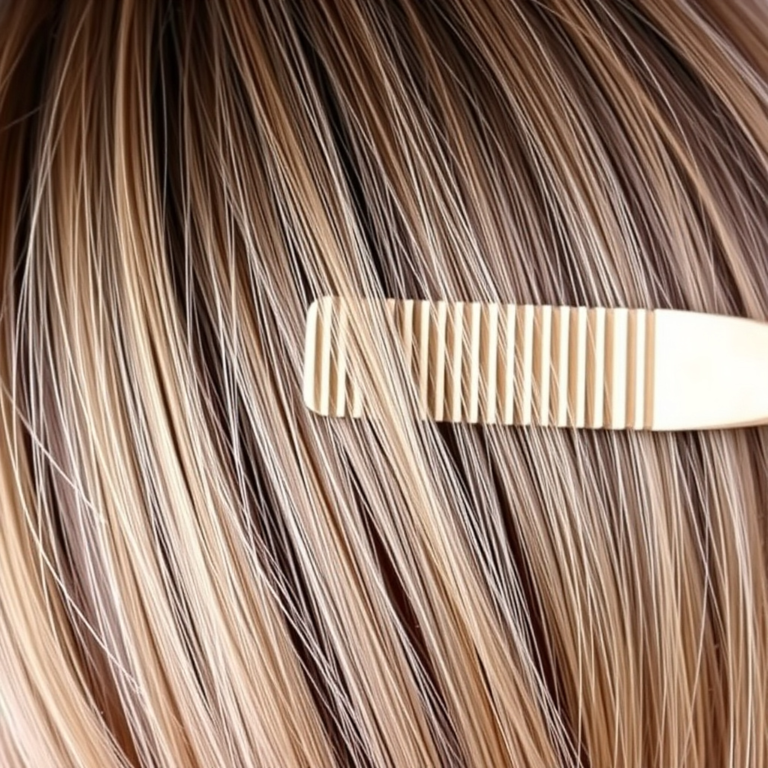
After washing, carefully detangle the wig with a wide-tooth comb or wig brush, starting from the ends and working upward. A smooth surface helps the dye apply uniformly and reduces the risk of patchiness or color spots.
Setting Up Your Workspace
Protect your workspace with plastic sheets or newspapers, as fabric dyes can stain surfaces. Have gloves, a measuring cup, a large pot (if using heat-dyeing), and stirring tools ready.
Ensure good ventilation, especially if using hot water or heat sources. Place the wig on a wig stand or mannequin head for better control during application, especially with hand-painting methods or sprays.
Methods for Dyeing Synthetic Wigs

Using Fabric Dye in a Hot Water Bath
One of the most reliable methods for achieving an even color change is submerging the wig in a hot water bath mixed with fabric dye formulated for synthetics. The heat helps open the fibers’ surface, allowing the dye to adhere more effectively.
Carefully monitor the temperature, typically around 140°F (60°C), and submerge the wig for 10-30 minutes. Stir gently to ensure even dye distribution. Afterward, rinse with cool water and air dry on a wig stand.
- Use Rit DyeMore synthetic fabric dye or similar
- Wear gloves to protect hands
- Avoid water hotter than 160°F to prevent fiber damage
For more on this, see our related guide: Are Lace Front Wigs Worth It? The Complete Answer.
Spray and Fabric Paint Techniques
For color accents or partial dyeing, spray dyes or fabric paints designed for synthetics provide more control. These work best on small sections or layering multiple colors.
Apply the spray evenly from 6-12 inches away and allow to dry thoroughly between coats. Fabric paints can be hand-painted with brushes for creative patterns but require sealing to prevent flaking.
- Use a well-ventilated area
- Test spray on a wig strand first
- Seal color with a fabric sealant spray if needed
Aftercare and Maintaining Your Dyed Synthetic Wig
Washing and Styling Post-Dye
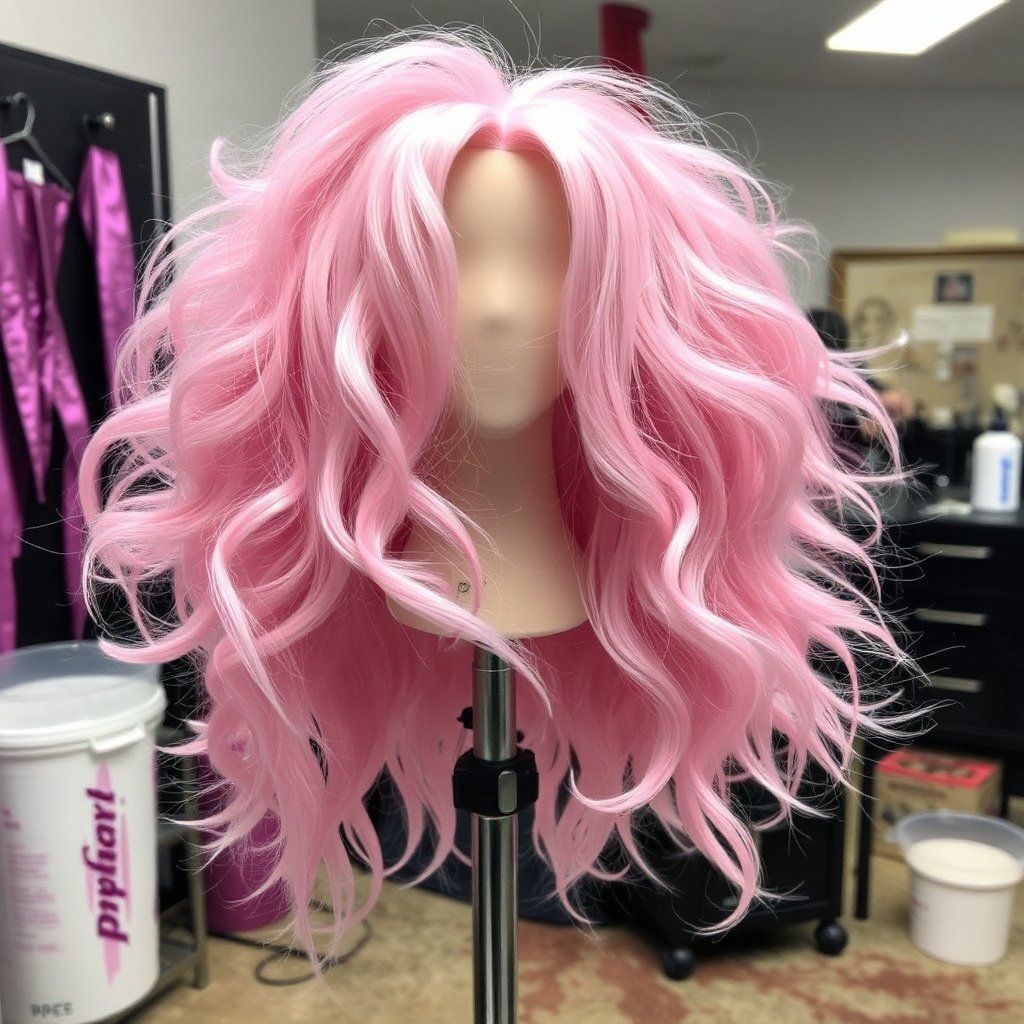
Once dyed, wash the wig sparingly with cold water and synthetic wig shampoo to preserve the color. Avoid heat styling tools unless the fiber explicitly allows heat, as dyeing can make fibers more sensitive.
Use conditioners formulated for synthetic wigs to maintain softness and reduce tangling. Air dry on a stand and avoid combing while wet to keep the fibers intact.
Handling Color Fading and Touch-Ups
Synthetic wig color may fade faster than natural hair dye, especially with washing or sun exposure. To refresh the color, you can apply diluted fabric dye sprays or repeat partial dyeing methods.
Store the wig away from direct sunlight and extreme humidity to prolong dye life. Regular gentle care improves longevity and keeps your wig looking vibrant.
Common Challenges and How to Overcome Them
Dealing with Uneven Color or Patchiness
Uneven dye results from inadequate fiber saturation or applying dye unevenly. To avoid this, immerse the wig fully during dyeing or apply spray dyes in consistent, overlapping motions.
If patches appear after dyeing, spot-treat those areas with dye brushes or fabric paint to even out the color before fully drying.
For more on this, see our related guide: Is Human Hair Wig Worth It? The Complete Answer.
Preventing Fiber Damage
High heat or harsh chemicals can melt or stiffen synthetic fibers. Always adhere to temperature limits and use dyes specifically designed for synthetics.
Testing a small section before full application can help prevent broader damage. If fibers heat warp, gentle steaming with caution can restore some softness.
Choosing the Best Dye for Synthetic Wigs

Fabric Dyes Suitable for Synthetic Fibers
Rit DyeMore and iDye Poly are popular fabric dyes formulated for polyester and synthetic fibers. These dyes require hot water and careful handling but deliver durable, vibrant colors compatible with synthetic wigs.
Choosing dyes specifically marked for synthetic fibers prevents mishaps caused by dyes meant for cotton or natural textiles.
- Check dye compatibility with fiber type
- Follow manufacturer instructions strictly
For additional background on synthetic wig materials and their care, visit a detailed explanation of synthetic wig properties and dyeing techniques. Synthetic hair dyeing techniques.
Specialized Synthetic Wig Dye Products
Some brands produce sprays and paints crafted just for synthetic wigs, offering an easier application and less risk. These products are designed to sit on the fiber surface without harsh chemical reactions.
Consider these for beginners or partial coloring projects, as they often require less preparation and less heat exposure.
Comparison of Dye Types for Synthetic Wigs
Here's a concise comparison of common dye types used for synthetic wigs, highlighting their pros, cons, and best use cases.
| Dye Type | Application Method | Durability | Color Range | Ease of Use |
|---|---|---|---|---|
| Fabric Dye (e.g., Rit DyeMore) | Hot water bath | High – long-lasting | Wide spectrum | Moderate – requires heat and precautions |
| Spray Dyes for Synthetics | Spray application | Medium – may fade faster | Limited to vibrant shades | Easy – no heat needed |
| Fabric Paints | Brush or spray | Medium – potential flaking | Varied, customizable | Easy – artistic control |
| Commercial Synthetic Wig Dyes | Spray or soak | Moderate to high | Moderate range | Easy to moderate, designed for wigs |
Frequently Asked Questions
Can I use regular hair dye on a synthetic wig?
No, regular hair dyes don’t work on synthetic fibers because these lack the natural structure to absorb chemical dyes and can be damaged by them.
Is it possible to lighten a synthetic wig by dyeing?
Synthetic fibers cannot be lightened by dyeing; if you want a lighter color, you’ll need to purchase a wig in that shade or use fabric paints for highlights.
How long does the color last on a dyed synthetic wig?
Color durability depends on dye type and care, but typically dye on synthetic wigs lasts several weeks to months, with some fading occurring after multiple washes.
Can I heat style my synthetic wig after dyeing?
Heat styling is risky after dyeing unless the wig is heat-friendly fiber. Always check fiber type and follow manufacturer guidelines to avoid damage.
What safety precautions should I take when dyeing a synthetic wig?
Use gloves, work in a ventilated area, protect your workspace with coverings, and carefully control water temperature to avoid fiber damage.
Key Takeaways
- Use fabric or synthetic-specific dyes for coloring synthetic wigs, not regular hair dyes.
- Prepare the wig by cleansing and detangling for uniform dye application.
- Hot water dye baths are the most effective but require careful handling.
- Post-dye care is essential to maintain color and fiber integrity.
Conclusion
Choosing to dye a synthetic wig involves understanding the unique nature of synthetic fibers and selecting compatible dye products. The decision should balance the desired color change, method complexity, and wig fiber type. Approaching the process methodically helps achieve vibrant, lasting results without compromising the wig’s texture or structure. By using fabric dyes designed for synthetics and following careful preparation steps, you can personalize your wig safely and confidently.
For those seeking a full color change, a hot water bath with Rit DyeMore or similar dye is an effective choice when paired with temperature control. If you prefer subtle highlights or temporary hues, spray dyes or fabric paints offer flexibility and ease. Consider how often you will wash and style the wig, as this impacts color longevity. Synthetic wig owners with Kanekalon or Toyokalon fibers may explore heat-activated dyes cautiously, while those with modacrylic fibers should stick to gentler surface dyeing.
Ultimately, the next step is to select a dye product suited to your synthetic wig’s fiber and shade goals, perform a strand test, and prepare your workspace thoroughly. Regular care after dyeing will keep your wig looking fresh. Whether refreshing an old wig or creating a unique style, the right dye method can transform synthetic hair beautifully and extend your wig’s versatility.