
How Long Do Human Hair Wigs Last? A Detailed Lifespan Guide
Human hair wigs typically last between six months to a year with regular use, but their lifespan can stretch up to two years with proper care. The durability depends on factors like hair quality, styling habits, and maintenance routines. Understanding these variables helps set realistic expectations for wig longevity.
The longevity of a human hair wig is essential for anyone invested in their appearance and comfort. These wigs look natural, allow versatile styling, and provide confidence, making it important to know how to keep them looking great as long as possible. Quality and upkeep play key roles in determining how long your wig remains at its best.
This article will explore the factors influencing how long human hair wigs last, identify different wig types and qualities, share maintenance techniques, and compare synthetic alternatives. We'll also go over common pitfalls and answer frequently asked questions about wig lifespan.
Types of Human Hair Wigs and Their Lifespan
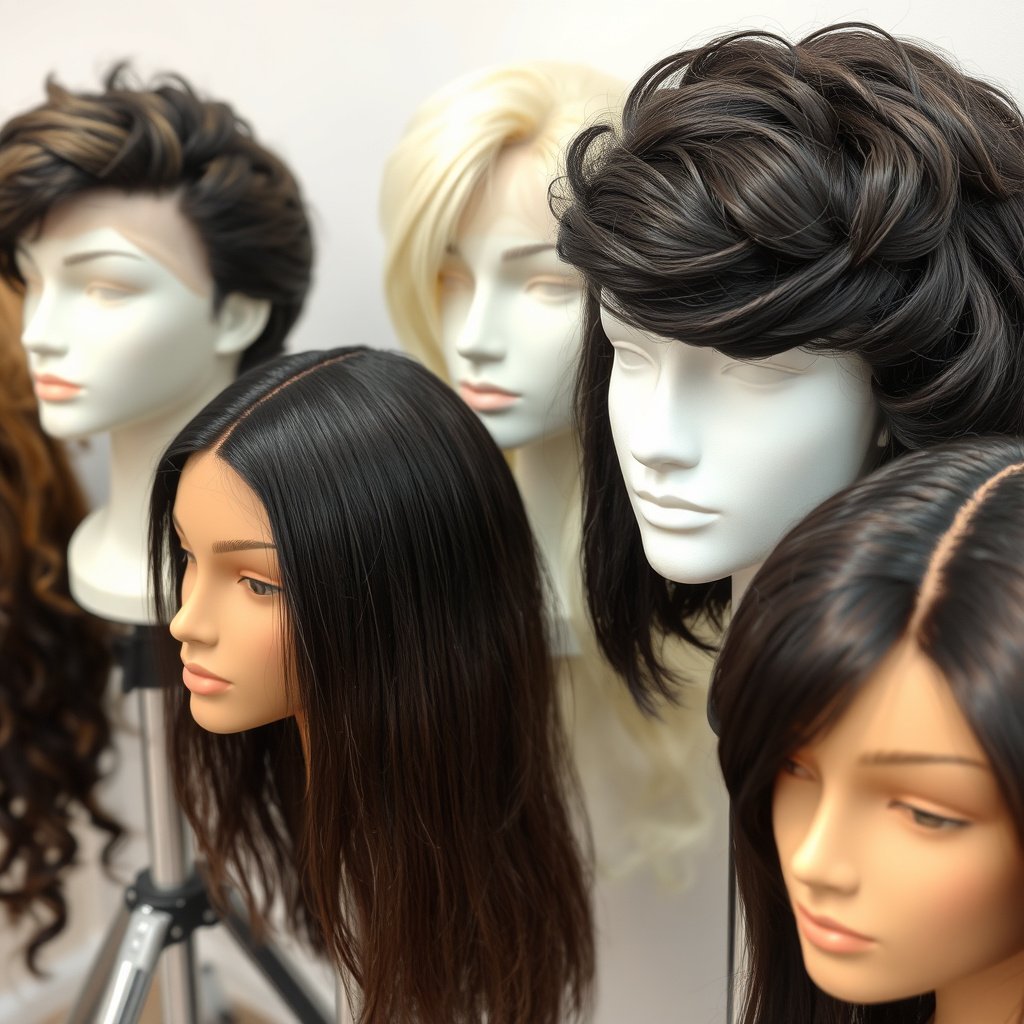
Virgin vs. Processed Human Hair Wigs
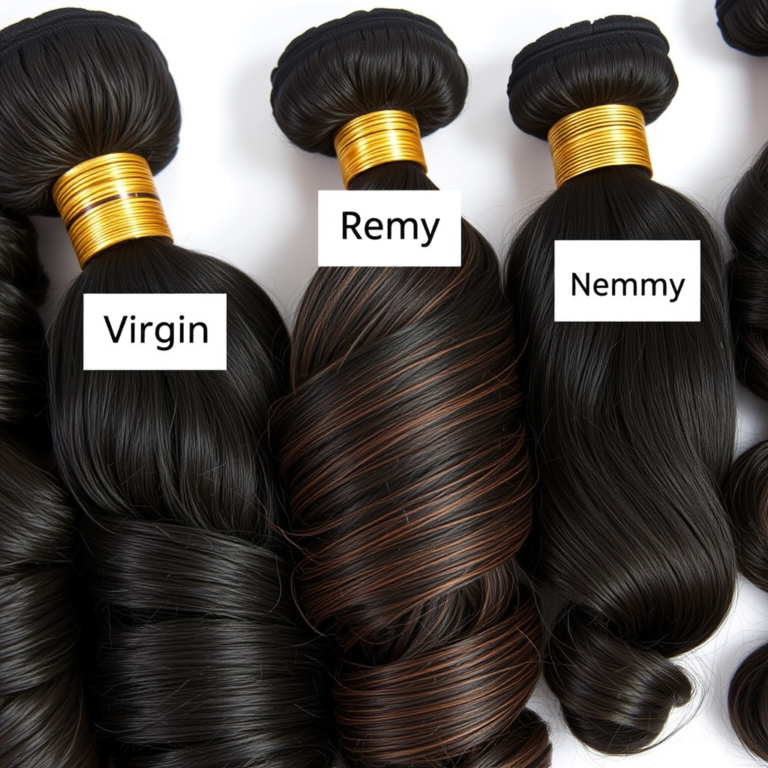
Virgin human hair wigs come from donors who have not chemically treated their hair, preserving the natural cuticle and strength. This type lasts longest, often up to two years with careful maintenance. Processed wigs have undergone chemical treatments like bleaching or coloring, which weaken strands and shorten lifespan to around six to nine months.
When selecting between virgin and processed wigs, consider your intended use and styling preferences. Virgin wigs tolerate heat styling and chemical treatments better, but they cost more upfront. Processed hair wigs may need replacement sooner due to breakage and loss of luster.
Remy Hair Wigs and Other Grades
Remy hair means the hair cuticles are kept intact and aligned in the same direction, minimizing tangling and extending useful life. Remy wigs usually last six months to over a year if maintained. Lower-grade wigs often collect tangled shed hair and have cuticles stripped, which causes quick matting and shorten lifespan drastically.
Recognizing hair grade labels helps manage expectations about durability. While Remy wigs are a popular choice for balanced cost and quality, opting for premium Remy or virgin hair will give you the longest-lasting results.
Maintenance Tips to Extend Human Hair Wig Life
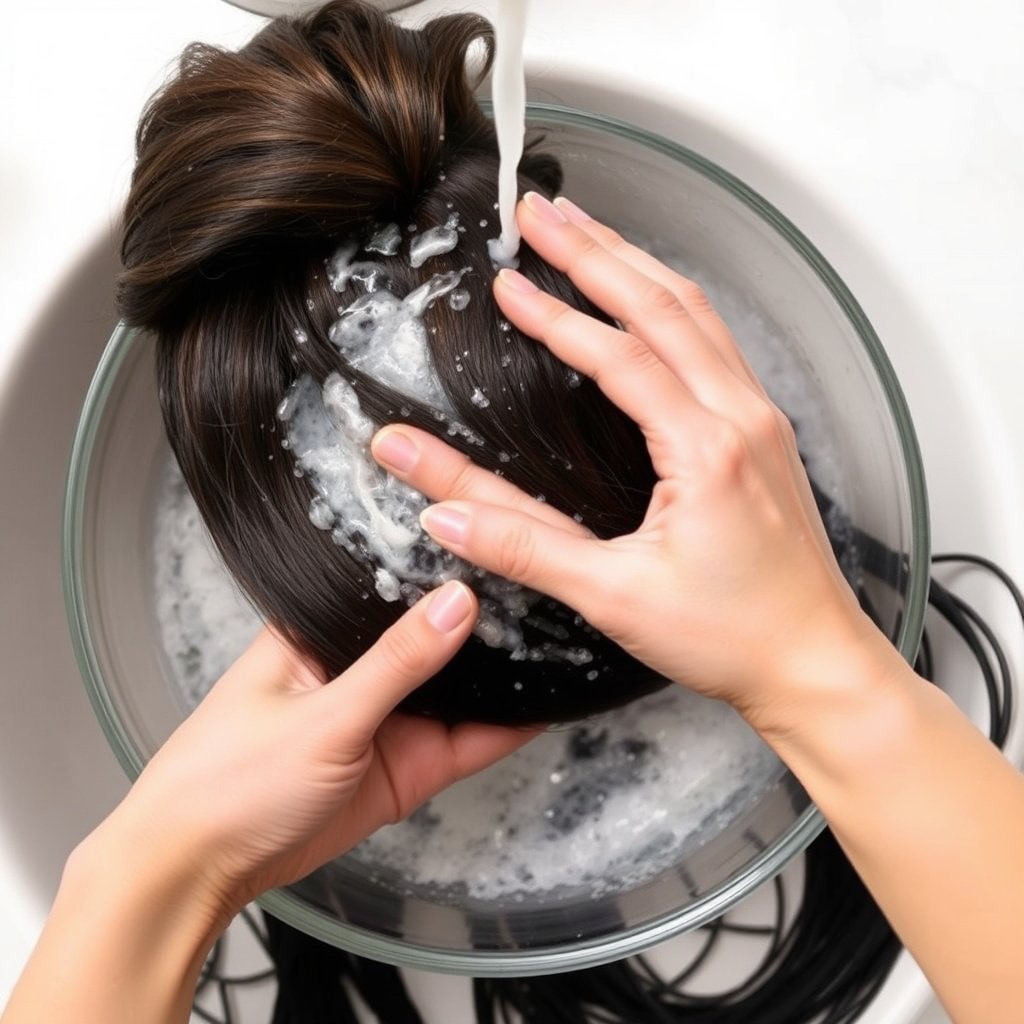
Proper Cleaning and Conditioning
Washing your wig with sulfate-free, gentle shampoos every 10 to 15 wears helps keep the hair clean without stripping natural oils. Conditioner should be applied mid-length to ends to prevent dryness and maintain softness. Avoid frequent washing as excess moisture weakens the hair bonds over time.
Rinse thoroughly with cold or lukewarm water to seal cuticles. After washing, pat dry with a towel and air-dry on a wig stand to preserve cap shape and hair integrity. Heated tools and blow dryers should be used sparingly to protect strand health.
- Use sulfate-free shampoo
- Condition hair mid-length to ends
- Wash only every 10-15 wears
- Air-dry on a wig stand
Styling Practices and Storage
Limiting heat styling and chemical treatments prolongs wig life. Use heat protectant sprays if styling tools are necessary. Avoid heavy products which can build up and cause hair to weigh down or mat. Detangle gently with wide-tooth combs starting at ends and moving upward.
When not in use, store your human hair wig on a stand or mannequin head to maintain shape and avoid tangles. Avoid exposing it to direct sunlight for extended periods as UV rays degrade hair fibers and fade color.
- Use heat protectants
- Avoid heavy styling products
- Gentle detangling from ends
- Store on wig stands out of sunlight
Factors That Influence Human Hair Wig Longevity
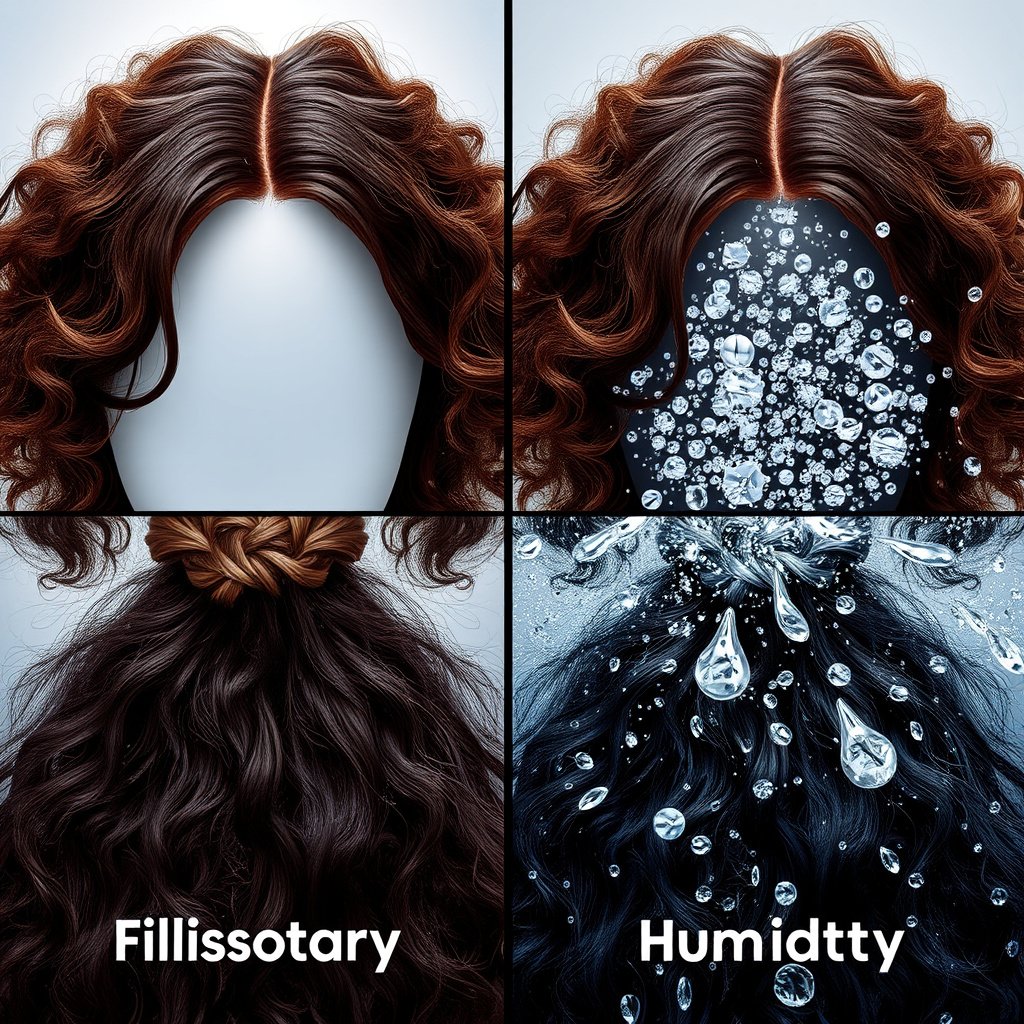
Frequency of Use and Daily Wear
Wigs worn daily without rest undergo more stress from combing, styling, and environmental exposure, reducing lifespan. Having multiple wigs to alternate use rarely wears any single one out quickly. Occasional use typically extends lifespan well beyond a year.
Sweat, oils, and dirt accumulate faster with daily wear, necessitating more frequent cleaning that can weaken hair fibers. Being mindful of daily handling and giving the wig ample downtime are essential to preserving it longer.
For more on this, see our related guide: How Long Do Human Hair Wigs Last? A Complete Guide to Wig Longevity.
Environmental and Lifestyle Influences
Exposure to harsh environmental factors like sun, wind, chlorine, and saltwater accelerates hair degradation and color fading. Wigs worn in smoky or polluted areas also collect deposits that cause dullness and tangling.
If you lead an active, outdoor lifestyle, extra scalp protection like wig caps and regular cleansing will be necessary. Choosing specific wigs designed for durability or protective finishes can mitigate some environmental damage.
Comparing Human Hair Wigs to Synthetic Alternatives
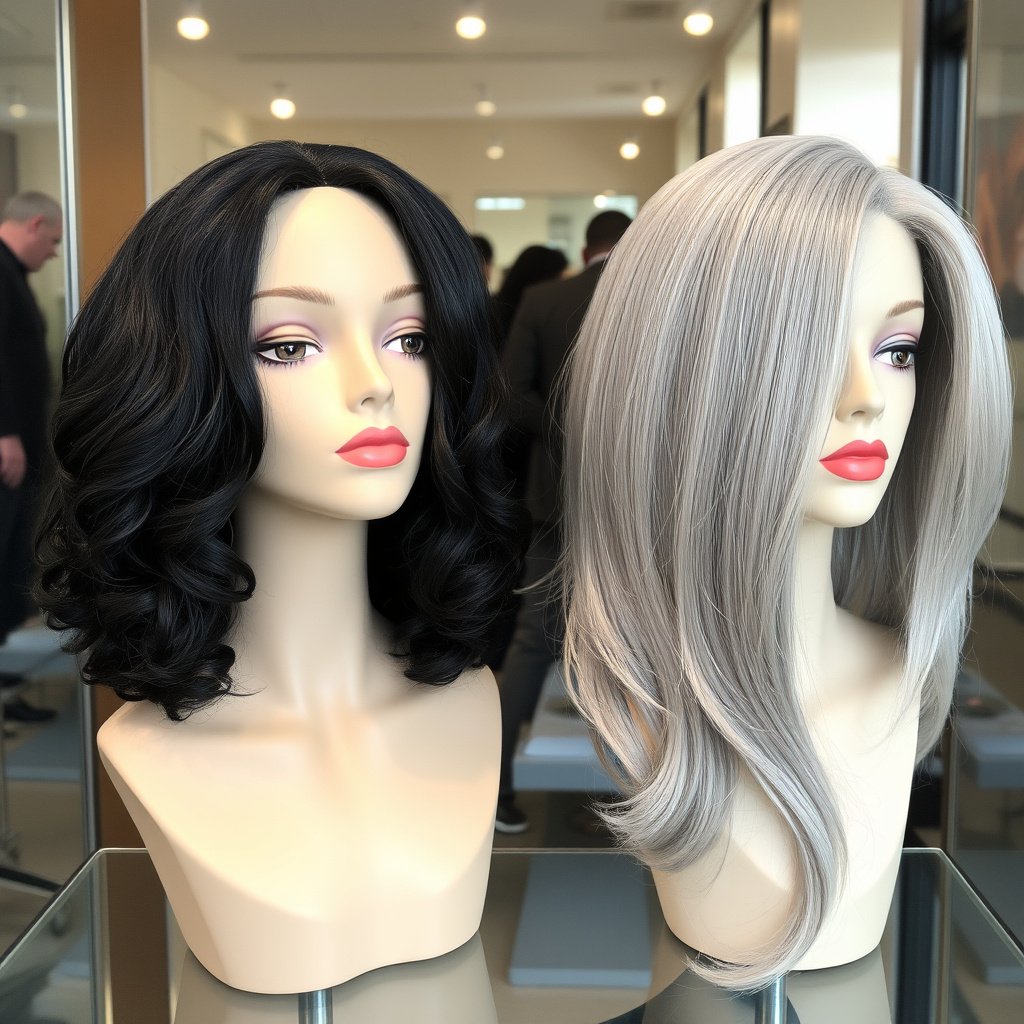
Durability and Lifespan Differences
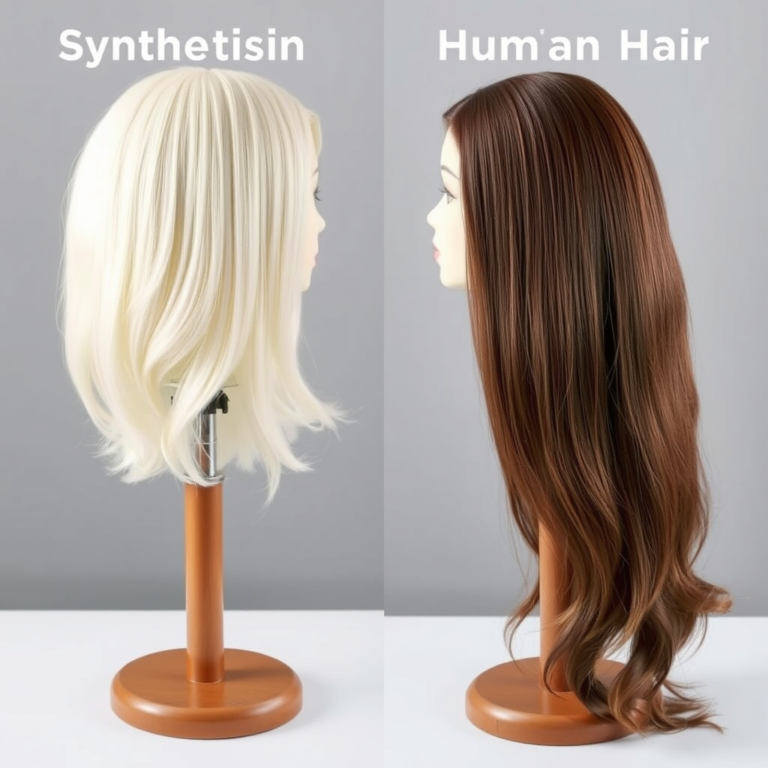
Human hair wigs generally last longer than synthetic ones because they can be washed, restyled, and colored repeatedly. Synthetic wigs usually have a lifespan of three to six months due to fiber degradation and limited styling options.
However, synthetic wigs often require less maintenance and are less expensive upfront, offering a trade-off between convenience and longevity that some users prefer depending on their lifestyle.
Appearance and Styling Flexibility
Human hair wigs provide the most natural look and styling freedom since they mimic real hair's texture and movement. You can curl, straighten, dye, and cut them like your own hair.
Synthetic wigs come pre-styled and retain their shape after washing, which is convenient but limits versatility. High-end synthetics do look realistic but generally do not last as long or tolerate heat styling as well.
Signs It's Time to Replace Your Human Hair Wig
Physical Wear and Damage
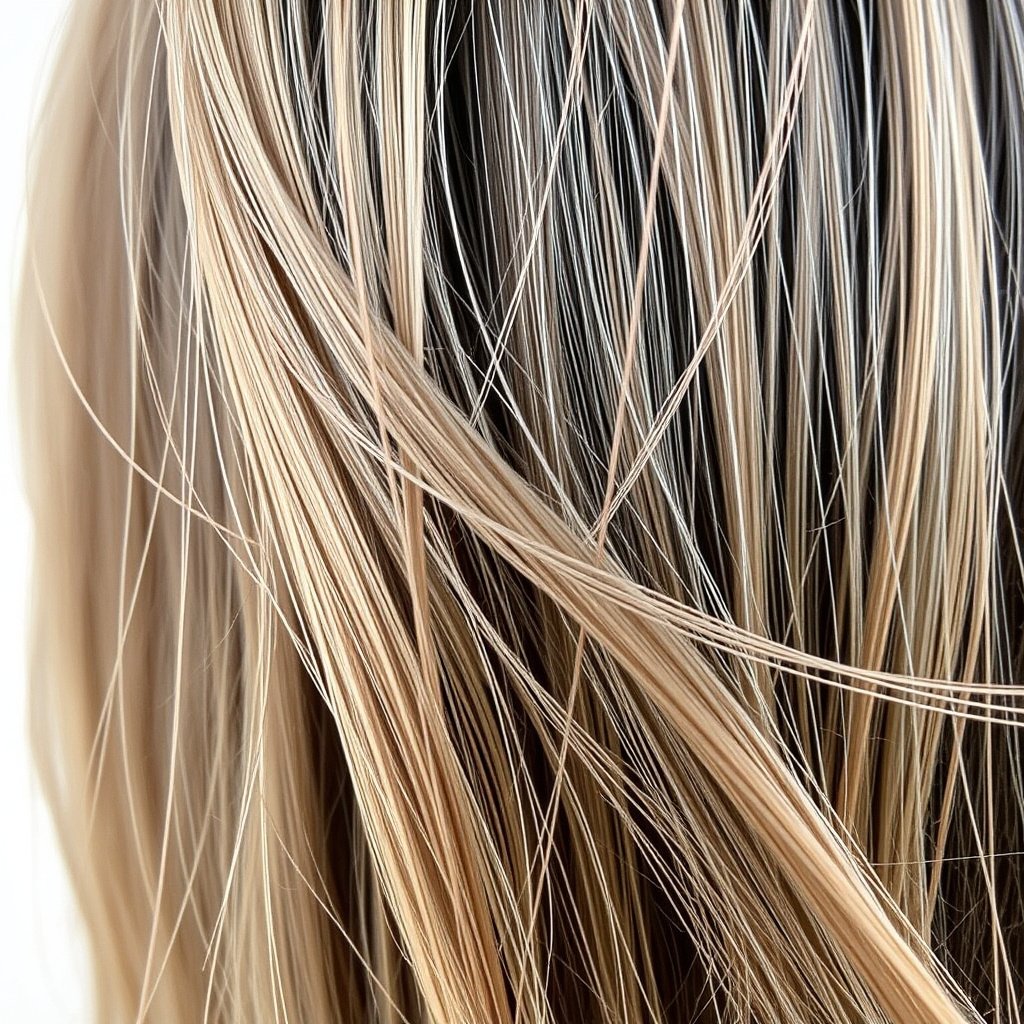
Common indicators that your wig is nearing the end include excessive shedding, persistent tangling, thinning spots, and split ends. These signs reflect natural fiber breakdown that styling cannot mask.
If the wig's cap becomes loose or damaged, fit and comfort suffer significantly, warranting replacement for proper wear. Attempting repairs can sometimes extend life but often only offers a temporary fix.
For more on this, see our related guide: How to Wash a Wig: Step-by-Step Guide for Clean, Fresh Results.
Loss of Natural Appearance
Fading color, frizz, and loss of shine diminish a wig's realistic look. When styling no longer restores vibrancy or smoothness, it's a sign to consider a new wig. Maintaining confidence and style depends on a hairpiece appearing fresh and healthy.
Ignoring these visual cues can lead to frustration and a less flattering appearance, reducing the wig's value as a styling option.
Human Hair Wig Maintenance Essentials
Daily Care Routines
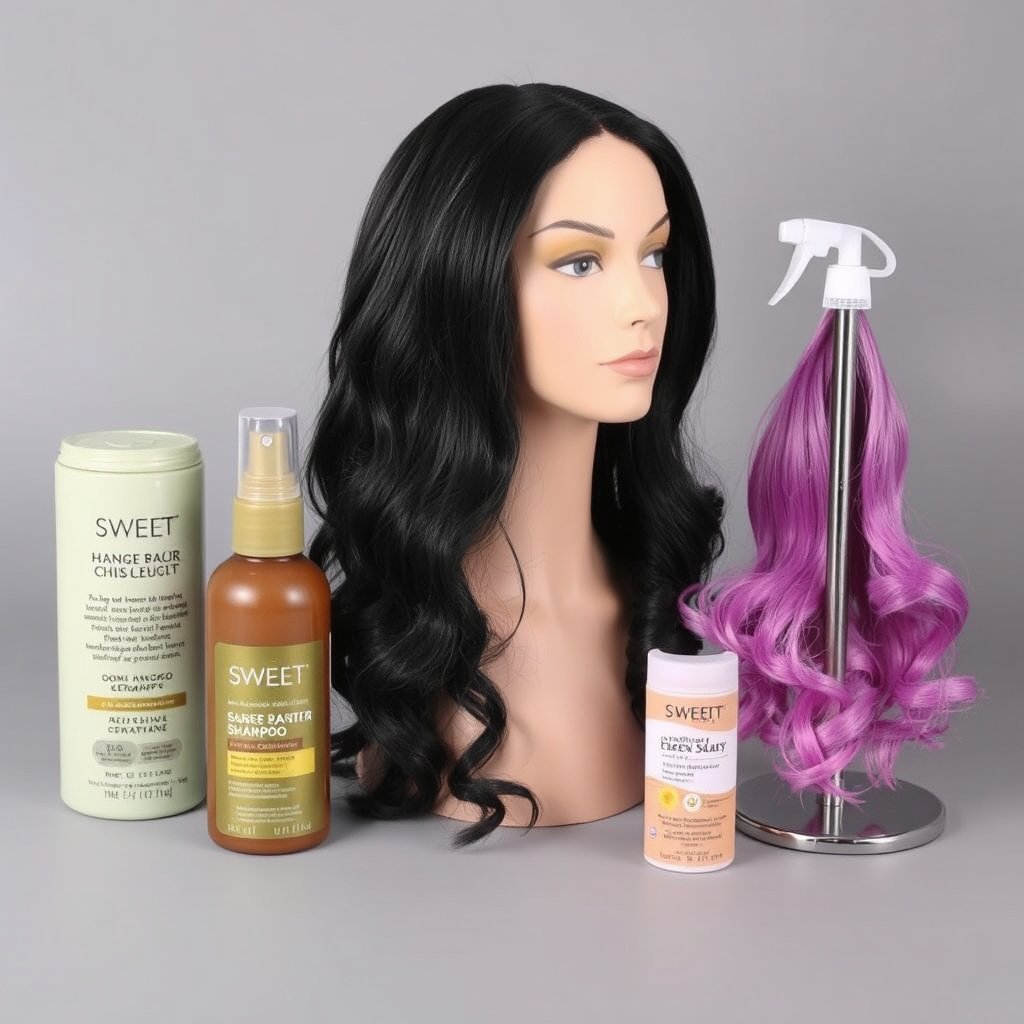
Daily care involves gentle detangling, avoiding tight hairstyles, and minimizing exposure to friction from hats or pillows. Using wig-specific shampoos and conditioners designed for human hair wigs helps preserve softness and prevents buildup.
Moisturizing sprays and light oil applications can combat dryness without weighing hair down. These habits protect the cuticle layer and promote longer wig life.
- Use wig shampoos and conditioners
- Detangle gently with wide-tooth comb
- Avoid tight pulling hairstyles
- Apply moisturizing sprays lightly
For more detailed insights on human hair wigs and their characteristics, visit this reliable source on human hair wig information. Human hair wig information.
Periodic Treatments and Professional Care
Regular deep conditioning treatments every few weeks replenish moisture and restore elasticity. Some wearers benefit from professional wig care services that clean, reshape, and repair damage expertly.
Scheduling maintenance appointments helps catch minor wear before it worsens and keeps wigs looking fresh. This extends lifespan beyond standard home care capabilities.
Human Hair Wig Categories Lifespan Comparison
The following table compares common human hair wig types on lifespan, cost, and maintenance needs to help you find the best fit.
| Wig Type | Average Lifespan | Average Cost | Maintenance Level |
|---|---|---|---|
| Virgin Hair | 12-24 months | $300-$1500 | High |
| Remy Hair | 6-12 months | $150-$600 | Medium |
| Processed Hair | 6-9 months | $100-$400 | Medium |
| Synthetic Hair | 3-6 months | $50-$300 | Low |
Frequently Asked Questions
How often should I wash a human hair wig?
It's best to wash your human hair wig every 10 to 15 wears with gentle, sulfate-free shampoo to keep it clean without damaging the strands.
Can I style human hair wigs with heat tools?
Yes, you can use heat styling tools on human hair wigs, but use a heat protectant spray and avoid excessive heat to prevent damage and preserve lifespan.
What causes a human hair wig to tangle excessively?
Excessive tangling arises from cuticle damage, lack of moisture, dirt buildup, and rough handling; proper maintenance reduces this problem.
Is it worth investing in virgin hair wigs?
Virgin hair wigs last longer and offer better styling flexibility; if you plan to wear your wig often, they provide better value despite higher initial cost.
How can I store my human hair wig when not in use?
Store your wig on a stand or mannequin head away from sunlight and dust to preserve its shape and prevent tangling.
Key Takeaways
- Human hair wigs last 6 months to 2 years depending on quality and care
- Virgin and Remy hair provide longer lifespan than processed hair
- Proper washing, conditioning, and storage extend wig life
- Environmental exposure and styling frequency impact durability
Conclusion
Deciding how long human hair wigs last involves considering hair type, quality, usage, and maintenance habits carefully. Virgin hair wigs offer the greatest longevity, potentially lasting up to two years with proper care, while processed hair wigs need more frequent replacement. Regular cleaning, gentle styling, and appropriate storage slow degradation and preserve a natural look. Choosing the right wig also hinges on lifestyle preferences and budget, balancing upfront costs against expected lifespan to make a practical choice aligned with your needs.
For those wearing wigs daily or engaging in active lifestyles, investing in virgin or Remy hair wigs is advisable due to their structural integrity and styling flexibility. Occasional wig users might find processed hair or synthetic options more affordable though shorter-lived. Maintenance strategies, such as using sulfate-free shampoos, limiting heat tools, and storing wigs properly, can meaningfully enhance longevity regardless of wig grade. Professional care services offer additional restoration opportunities to refresh older wigs nearing the end of their natural life.
Ultimately, to maximize your investment in human hair wigs, develop a consistent maintenance routine and be attentive to wear signs indicating replacement time. Testing wigs from reputable suppliers and understanding the care demands beforehand ease transitions between styles and ensure your wig wardrobe remains fresh and flattering. Start with assessing your usage goals and explore quality human hair wigs tailored to your lifestyle, then commit to upkeep practices that preserve their beauty long term.

One Comment