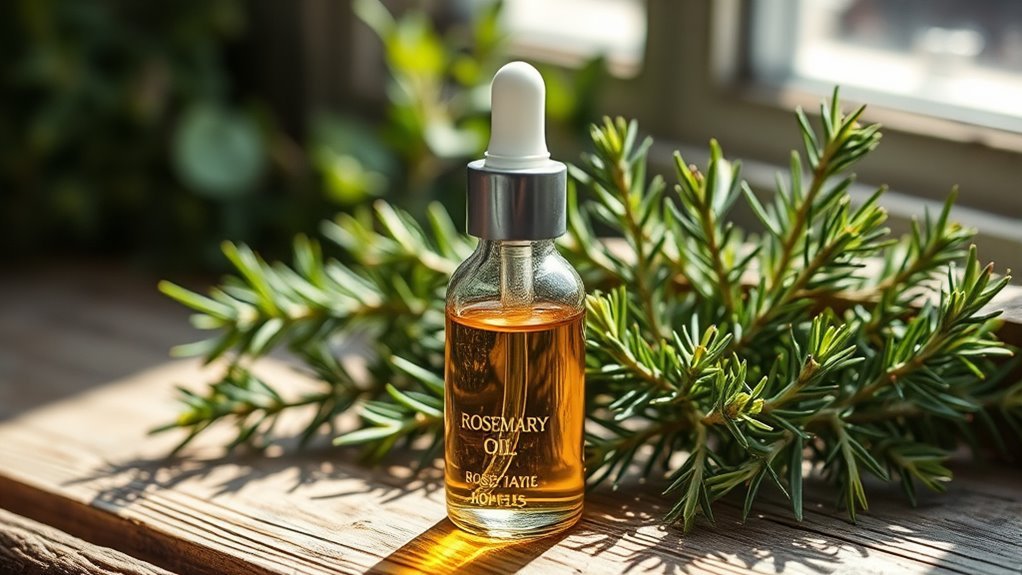
Your Guide to Rosemary Oil for Hair: Choosing With Confidence
Struggling to find the perfect hair care solution that actually works? You’re not alone. Many people grapple with dry, thinning, or lackluster hair and are eager to discover something natural and effective.
Rosemary oil for hair has gained popularity for its potential to improve scalp health and encourage growth, but choosing the right one can feel overwhelming.
You can confidently choose rosemary oil for your hair by focusing on quality and proper use. Look for cold-pressed, pure oil in dark glass bottles with a strong herbaceous scent.
Always dilute it with a carrier oil and patch test to avoid irritation.
Using it 2-3 times a week helps boost scalp health and hair growth without overdoing it.
Keep these tips in mind, and you’ll uncover even more ways to make the most of rosemary oil’s benefits.
Key Takeaways
- Choose high-quality rosemary oil that is cold-pressed or steam-distilled. Make sure it’s sourced from chemical-free, hand-harvested rosemary plants.
- Look for a strong, fresh herbaceous scent. Also, check that it comes in dark glass bottles to keep the oil authentic and well-preserved.
- Dilute rosemary oil with a carrier oil at 2-3 drops per tablespoon to avoid scalp irritation. It’s a good idea to do a patch test before you use it.
- Apply rosemary oil 2-3 times a week. You can mix it with carrier oils or complementary oils like peppermint or lavender for extra benefits.
- Avoid overusing it or applying it undiluted. This helps prevent dryness, irritation, or allergic reactions, keeping your hair care safe and effective.
What Is Rosemary Oil and Its Benefits for Hair
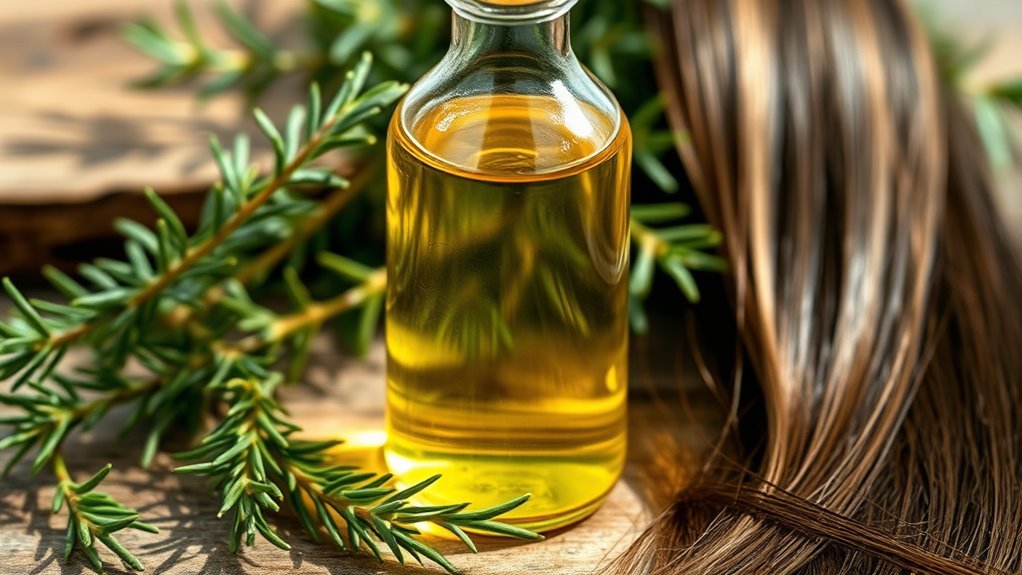
Rosemary oil is a natural essential oil extracted from the leaves of the rosemary plant, known for its stimulating and nourishing properties. You might be curious about rosemary oil origins, which trace back to the Mediterranean region, where it has been cherished for centuries for both culinary and medicinal uses.
Despite its popularity, there are several rosemary oil myths you should be aware of. For instance, some people believe that rosemary oil guarantees instant hair growth or cures baldness, but these claims aren’t backed by solid evidence.
What you can expect, however, is that rosemary oil helps improve scalp circulation and can soothe dryness or irritation. When used properly, it supports overall scalp health, which is key to maintaining strong, healthy hair.
How Rosemary Oil Helps Boost Hair Growth
Although hair growth depends on many factors, using rosemary oil can give your scalp the boost it needs to support healthier strands. This essential oil stimulates blood circulation, delivering more nutrients to hair follicles. That encourages stronger hair growth.
It also has anti-inflammatory properties that soothe the scalp. This helps prevent issues like dandruff and irritation that can hinder hair growth.
Here’s how rosemary oil benefits your hair growth and scalp health:
- Promotes circulation: Increases blood flow to hair roots, nourishing follicles for improved growth.
- Reduces scalp inflammation: Keeps your scalp balanced and less prone to conditions that disrupt hair growth.
- Strengthens hair strands: Helps prevent breakage by improving follicle health and elasticity.
How to Spot High-Quality Rosemary Oil for Your Hair
How can you tell if the rosemary oil you’re buying will truly benefit your hair? Start by checking for high quality sourcing. The best rosemary oil comes from plants grown in clean, chemical-free environments, often harvested by hand to preserve potency. Look for brands that clearly state their sourcing practices and provide transparency about where and how the oil is extracted.
Next, pay attention to the aroma profile. Authentic rosemary oil has a strong, fresh, herbaceous scent with slightly woody undertones. If the smell is faint, overly sweet, or artificial, the oil might be diluted or mixed with fillers.
Also, verify that the oil is cold-pressed or steam-distilled, as these methods retain the beneficial compounds essential for hair health. Packaging matters too. Choose oils stored in dark glass bottles to protect against light damage. By focusing on these factors, you’ll confidently select rosemary oil that supports your hair’s growth and vitality.
Pure vs. Blended Rosemary Oil: Which Is Best for Hair?
Which option will truly give your hair the boost it needs: pure rosemary oil or a blended version? Choosing between the two depends on what you want from the oil. Pure rosemary oil offers concentrated benefits, including improved scalp stimulation and potent antioxidant properties.
Deciding between pure or blended rosemary oil depends on your desired hair benefits and care goals.
On the other hand, blended rosemary oil combines rosemary with other oils, potentially increasing combined effectiveness by addressing multiple hair concerns simultaneously.
Here’s a quick comparison to help you decide:
- Pure benefits: Direct, strong impact on hair growth and scalp health.
- Blended effectiveness: Multi-targeted approach with added hydration or nourishment.
- Skin sensitivity: Pure oil may cause irritation if not diluted; blends often reduce this risk.
You’ll get the most from pure rosemary oil if you want focused results and don’t mind mixing it with a carrier oil. Blended options suit you if you prefer convenience and a broader hair care approach. Make your choice based on your hair’s unique needs.
Best Rosemary Oil Forms for Easy Hair Application
When it comes to applying rosemary oil to your hair, picking the right form really makes a difference. You can find it as a concentrated essential oil or as a handy spray—each one has its own perks.
And here’s a tip: using carrier oils to dilute the essential oil not only makes it safer but also easier to apply. It’s all about finding what works best for you!
Essential Oil Vs. Spray
Wondering whether to choose rosemary essential oil or a spray for your hair care routine? Both come from oil extraction but differ in application methods and convenience. Essential oils are concentrated, pure extracts that you’ll need to dilute before applying. Sprays, on the other hand, offer a ready-to-use formula, often blended with water or carrier oils for easier use.
Consider these points when deciding:
- Essential Oil: Potent, customizable dilution, ideal for targeted scalp treatments.
- Spray: Convenient, quick application, great for rejuvenating hair throughout the day.
- Portability: Sprays are travel-friendly, while essential oils require careful storage.
Choosing between the two depends on your lifestyle and how hands-on you want to be with your hair care routine.
Carrier Oils For Dilution
Because rosemary essential oil is highly concentrated, you’ll need to dilute it with a carrier oil before applying it to your scalp or hair. Carrier oils make the application safer and improve absorption, offering extra nourishment and moisture. These are the key carrier oil benefits.
Popular carrier oil types include jojoba, coconut, and sweet almond oil. Jojoba oil closely mimics your scalp’s natural oils, making it lightweight and non-greasy. Coconut oil is deeply moisturizing and adds shine, while sweet almond oil soothes irritation and strengthens hair strands.
Choose a carrier oil that suits your hair type and scalp needs to maximize rosemary oil’s effects. Always mix a few drops of rosemary oil with your carrier oil for a balanced, effective blend that’s easy to apply and gentle on your skin.
How to Safely Use Rosemary Oil on Your Scalp
To use rosemary oil safely on your scalp, start by diluting it with a carrier oil. This helps prevent any irritation. It’s a good idea to do a patch test first, just to make sure you don’t have any allergic reactions. Also, try not to apply it more than a few times a week. That way, you’ll keep your scalp healthy and happy.
Dilution Guidelines For Safety
Although rosemary oil offers many benefits for your scalp, you need to dilute it properly before applying to avoid irritation or sensitivity. Following proper dilution ratios is essential to guarantee safety precautions are met.
Typically, you should mix 2-3 drops of rosemary oil with a tablespoon of carrier oil, such as jojoba or coconut oil. This dilution helps minimize the risk of skin reactions while maximizing the oil’s effectiveness.
Keep these guidelines in mind:
- Use a 1-2% dilution ratio for sensitive skin or first-time use
- Always blend rosemary oil with a carrier oil before scalp application
- Avoid applying undiluted rosemary oil directly to your scalp
Patch Testing Importance
How can you be certain rosemary oil won’t cause an adverse reaction on your scalp? The answer lies in patch testing.
Before applying rosemary oil broadly, apply a small diluted amount to a discreet patch of skin, like behind your ear or on your inner forearm. Wait 24 to 48 hours to monitor any signs of redness, itching, or irritation. This simple step helps identify if you have skin sensitivity to the oil.
Skipping patch testing increases the risk of unpleasant reactions, which can be uncomfortable and counterproductive. By taking this precaution, you protect your scalp and verify rosemary oil is safe for your personal use. Always remember: patch testing is your first defense for safe and confident application.
Application Frequency Tips
Once you’ve confirmed rosemary oil is safe for your skin through patch testing, figuring out how often to apply it becomes your next step. The right application frequency depends on your scalp type and the application methods you use. Generally, applying rosemary oil 2-3 times per week strikes a good balance between effectiveness and scalp comfort. Overuse might cause irritation, so stick to ideal timing for the best results.
Here are some tips for safe application frequency:
- Start with twice a week and observe how your scalp responds before increasing usage.
- Use diluted rosemary oil in carrier oils to prevent sensitivity from frequent applications.
- Avoid applying rosemary oil daily unless recommended by a dermatologist, as this can disrupt your scalp’s natural balance.
Following these guidelines helps you enjoy rosemary oil benefits safely and effectively.
Combining Rosemary Oil With Hair Care Ingredients
When you blend rosemary oil with other hair care ingredients, you reveal its full potential to nourish and strengthen your hair. Using proper mixing techniques guarantees the oils combine evenly, maximizing their benefits without causing irritation.
For example, diluting rosemary oil with carrier oils like jojoba or coconut oil creates a soothing base that penetrates your scalp effectively. You can also create synergistic blends by pairing rosemary oil with ingredients like peppermint for a revitalizing tingle or lavender for added calming effects.
These combinations improve circulation, reduce dandruff, and promote healthy hair growth. Always mix small batches to maintain potency and test on a patch of skin first.
Common Mistakes to Avoid When Using Rosemary Oil
You might think that using more rosemary oil will speed up your results, but actually, overdoing it can irritate your scalp. So, it’s really important to always dilute it properly with a carrier oil before applying. This helps avoid any unwanted reactions. Let’s take a closer look at how to use it safely and effectively.
Overuse Risks
Although rosemary oil offers numerous benefits for hair, overusing it can lead to unwanted side effects that hinder your progress. When you apply too much or use it too frequently, you risk experiencing overuse symptoms that can cause discomfort and hair damage.
Pay close attention to how your scalp and hair respond to avoid these pitfalls. Common overuse risks include scalp irritation and redness due to excessive application, dryness and brittleness leading to hair breakage, and increased sensitivity causing allergic reactions or inflammation.
To protect your hair, stick to recommended usage frequencies and avoid heavy application. Recognizing these overuse symptoms early helps you adjust your routine and maintain healthy, vibrant hair without setbacks.
Proper Dilution Methods
Avoiding overuse is only part of keeping rosemary oil safe for your hair; proper dilution plays a big role too. You need to mix rosemary oil with a carrier oil to prevent irritation or sensitivity. A common dilution ratio is 3-5 drops of rosemary oil per tablespoon of carrier oil like jojoba or coconut. Stick to this balance to avoid adverse reactions.
When it comes to application techniques, make certain you apply the mixture evenly on your scalp and hair strands. Use your fingertips to massage gently, enhancing absorption without causing irritation. Avoid applying undiluted rosemary oil directly to your skin or scalp, as this can lead to redness or burning. Following proper dilution ratios and careful application techniques guarantees you enjoy rosemary oil’s benefits safely.
Signs That Rosemary Oil Is Working for Your Hair
When rosemary oil starts to work on your hair, you’ll notice subtle changes that signal healthier growth and improved scalp condition. You might first feel that your scalp is less itchy or flaky, showing that the oil absorption is effective. This means your scalp is getting the nourishment it needs without feeling greasy. Over time, your hair health improves, and you’ll see stronger, shinier strands with less breakage.
Look for these signs that rosemary oil is benefiting your hair:
- Reduced scalp dryness and irritation due to better oil absorption
- Noticeable decrease in hair shedding as follicles strengthen
- Improved hair texture with increased shine and volume
These indicators confirm that rosemary oil is actively supporting your hair’s natural growth cycle and overall health. Keep using it consistently, and you’ll enjoy these rewarding results.
Where to Buy Trusted Rosemary Oil Brands for Hair
Since the quality of rosemary oil greatly affects its benefits, choosing trusted brands is essential for your hair care routine. Start by exploring trusted retailers and reputable online marketplaces known for authentic products. When browsing, pay close attention to brand comparisons that highlight organic certifications, ingredient transparency, and clear product sourcing.
These factors guarantee the oil is pure and sustainably produced, which directly impacts effectiveness. Don’t overlook customer reviews because they offer valuable insights into real user experiences and can help you gauge product reliability.
Also, consider price ranges carefully. High cost doesn’t always mean higher quality, but extremely cheap options might lack purity. By balancing these elements—trusted retailers, organic certifications, ingredient transparency, and honest customer feedback—you’ll confidently select rosemary oil brands that truly support your hair health.
Frequently Asked Questions
Can Rosemary Oil Cause Allergic Reactions on Sensitive Skin?
Yes, rosemary oil can cause allergic reactions on sensitive skin. Even though it offers essential oil benefits like promoting hair growth, it may trigger skin irritation in some people.
You should always do a patch test before using it extensively. If you notice redness, itching, or burning, stop using it immediately. Taking these precautions helps you enjoy rosemary oil safely without risking uncomfortable skin reactions.
How Long Does It Take to See Results From Rosemary Oil Use?
You’ll likely notice noticeable new growth and rosemary oil benefits within 3 to 6 months of steady, consistent use. Hair growth happens gradually, so don’t get discouraged if results seem slow.
Applying rosemary oil regularly stimulates scalp circulation, promoting healthier, thicker strands over time. Remember, patience pairs perfectly with persistence. Keep applying a few drops a few times a week, and soon, you’ll see your hair’s natural vigor visibly vibrate.
Is Rosemary Oil Safe to Use During Pregnancy?
You should avoid using rosemary oil during pregnancy because it’s one of the herbal remedies that might cause complications. Essential oils like rosemary can be quite potent and may stimulate uterine contractions or affect hormone levels.
It’s best to consult your healthcare provider before trying any herbal remedies or essential oils while pregnant. Staying cautious helps protect you and your baby from any unexpected risks.
Can Rosemary Oil Help With Dandruff or Scalp Itchiness?
Imagine your scalp throwing a tiny snowstorm of dandruff. Annoying, right? Yes, rosemary oil can help with dandruff treatment and soothe scalp itchiness.
You’ll love its scalp benefits, as it boosts circulation and fights dryness, calming irritation. Just mix a few drops with a carrier oil and massage it in.
Don’t expect miracles overnight, but consistent use can turn that flaky chaos into a calm, healthy scalp party.
What Is the Shelf Life of Unopened Rosemary Oil?
The shelf life of unopened rosemary oil is typically about 1 to 2 years. To make sure it stays fresh, you’ll want to focus on proper oil storage.
Keep the bottle tightly sealed, store it in a cool, dark place, and avoid exposure to heat or sunlight. By doing this, you’ll preserve the oil’s potency and extend its shelf life, ensuring it’s ready to use whenever you need it.
Conclusion
Now that you know what rosemary oil is, how it boosts hair growth, and how to choose the best quality, you’re ready to transform your hair care routine. Use it pure or blended, apply it with the right techniques, and pair it with nourishing ingredients.
Avoid common mistakes, watch for signs of progress, and shop trusted brands confidently. Welcome rosemary oil into your routine, nurture your hair, and enjoy the healthy, vibrant results you deserve with rosemary oil!