Feed in Braids: A Complete Buying Guide
Struggling to find a protective hairstyle that adds both length and volume without damaging your natural hair? You’re not alone. Many people want a look that’s stylish, comfortable, and easy to maintain, but finding the right technique and products can feel overwhelming.
Feed-in braids add length and volume by gradually feeding in hair, offering a stylish, comfortable protective look with cultural roots. You’ll want neatly sectioned, detangled hair and consistent tension to avoid discomfort or uneven braids.
Choose between synthetic, human, or blended hair extensions based on your budget and style preference. Use lightweight products and satin accessories to maintain your braids.
Keep following for tips on choosing the best hair, avoiding common mistakes, and styling your feed-in braids flawlessly.
Key Takeaways
- Feed-in braids add length and volume by gradually feeding synthetic or natural hair for a seamless, natural look.
- Choose between synthetic, human, or blended hair extensions based on your budget, durability, and styling needs.
- Proper sectioning, even tension, and securing braid ends are essential to avoid discomfort and keep things neat.
- Maintain feed-in braids with gentle cleansing, moisturizing sprays, scalp oils, and satin protection. Just steer clear of heavy products.
- Use essential tools like rat-tail combs, edge brushes, and moisturizing sprays for precise styling and good scalp care.
What Are Feed-In Braids and Why Choose Them
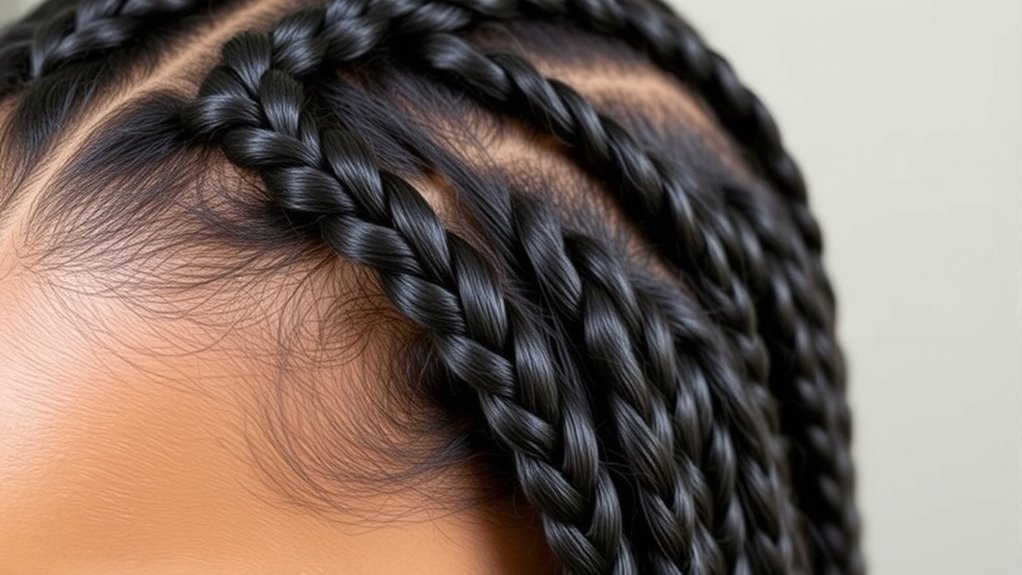
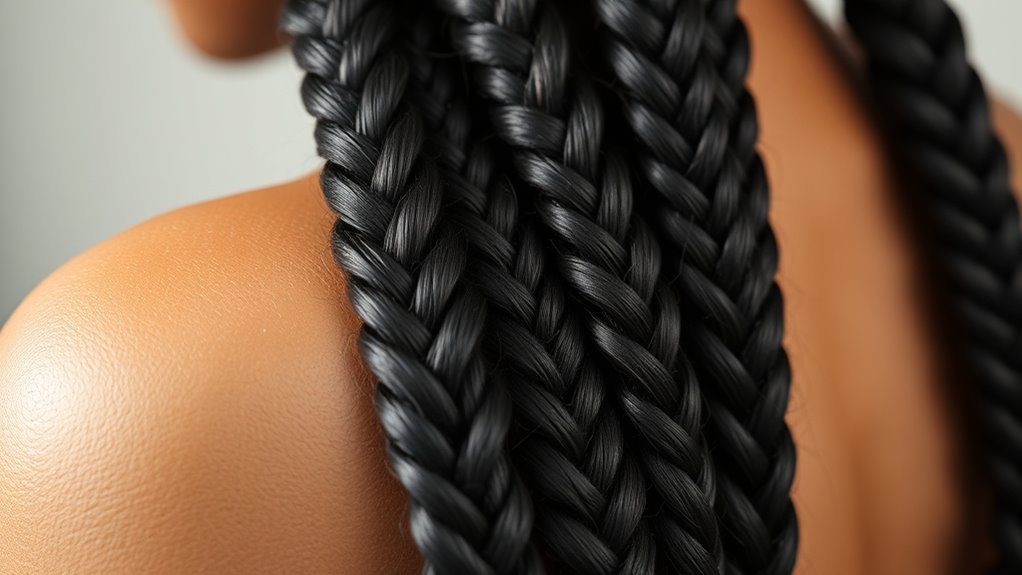
Although feed-in braids might seem complex at first, they’re actually a protective hairstyle that adds length and volume by gradually feeding synthetic or natural hair into your braids.
By choosing feed-in braids, you’re embracing a style with deep historical significance, rooted in African culture where braiding symbolized social status, age, and community ties. This hairstyle’s cultural influence extends globally, celebrated for its versatility and protective qualities.
When you wear feed-in braids, you’re not just enhancing your look; you’re honoring a tradition that has empowered people for centuries. The gradual braiding technique reduces tension on your scalp, making it gentler and more comfortable than traditional braids.
Plus, this style offers durability, allowing you to maintain a neat, polished appearance for weeks. If you want a hairstyle that combines beauty, cultural pride, and hair health, feed-in braids are a smart choice that connects you to a rich heritage while protecting your natural hair.
Creating Perfect Feed-In Braids: Step-by-Step Guide
Anyone can master creating perfect feed-in braids by following a clear, step-by-step process. Start by sectioning your hair neatly, ensuring each part is clean and detangled.
Next, choose your desired braiding techniques. Feed-in braids involve gradually adding synthetic hair to create a natural, seamless look. Begin braiding close to the scalp, incorporating small amounts of synthetic hair as you go. Keep consistent tension to avoid pulling.
Choose your braiding technique and add synthetic hair gradually for a natural, seamless feed-in braid look.
As you continue, adjust the thickness by adding more or less hair depending on your preferred style. Finish by securing the ends with small elastics or by sealing with heat for longevity.
Don’t forget to explore various styling options once your feed-in braids are complete. Whether you want sleek, tight braids or a fuller, chunkier appearance, proper technique makes all the difference.
Practicing these steps will help you achieve flawless feed-in braids that look professional and last longer.
Common Feed-In Braiding Mistakes to Avoid
When you’re doing feed-in braiding, keeping an even tension is super important—it helps prevent discomfort and keeps your braids looking smooth. Also, be sure to section your hair properly; this makes a big difference in achieving a neat and consistent style. If you steer clear of these common mistakes, your braids will not only last longer but also look more professional.
Uneven Tension Issues
Because maintaining consistent tension is essential in feed-in braiding, uneven tension can quickly lead to a messy, uneven look and even cause discomfort on your scalp. Proper tension management is key to mastering braiding techniques and ensuring your feed-in braids look neat and last longer.
If you pull too tightly, your scalp may hurt. Too loose, and the braid can unravel.
| Symptom | Cause |
|---|---|
| Uneven braid thickness | Inconsistent tension |
| Scalp pain | Excessive tightness |
| Loose strands | Insufficient tension |
| Braids slipping out | Poor grip during braiding |
| Braid gaps | Uneven feeding of hair |
Focus on maintaining steady tension throughout to avoid these common issues and achieve flawless feed-in braids every time.
Incorrect Hair Sectioning
Three common mistakes with hair sectioning can sabotage your feed-in braids before you even start. First, using incorrect parting techniques leads to messy sections that make your braids look unprofessional. If your parts aren’t straight or consistent, the overall style loses its clean, polished appearance.
Second, failing to section hair evenly causes uneven braid size, which disrupts the uniformity of your feed-in braids. When some sections are too thick or too thin, the braids won’t blend smoothly, making the style appear unbalanced.
To avoid these pitfalls, take time to part your hair carefully with a fine-tooth comb, and guarantee each section is equal in size. Proper sectioning sets the foundation for flawless feed-in braids every time.
Choosing the Right Hair Extensions for Feed-In Braids
When you’re picking out hair extensions for feed-in braids, it’s important to think about the material. You’ve got two main options—synthetic or human hair—and each comes with its own perks.
Also, make sure the length and texture match your natural hair as closely as possible. That way, your braids will blend in smoothly without standing out.
Focusing on these little details can really make a difference, helping your braids look natural and last a lot longer.
Hair Extension Material Options
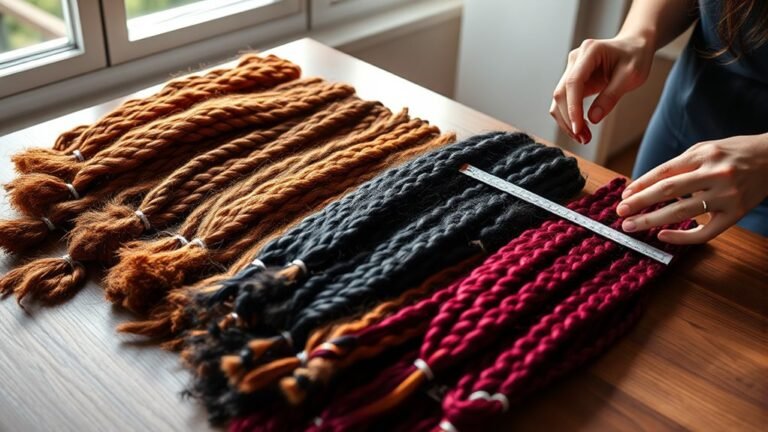
Choosing the right hair extension material is essential for achieving natural-looking feed-in braids that last. You’ll mainly choose between synthetic options and human hair, each offering unique benefits. Here’s what to evaluate:
- Synthetic Options are affordable and widely available. These fibers hold braid shapes well but can feel less natural and be less durable.
- Human Hair offers the most natural appearance and versatility. You can style it with heat, but it’s pricier and requires more care.
- Blended Fibers combine synthetic and human hair for a balance of affordability and realism.
- Remy Hair is a premium human hair type with cuticles intact. This reduces tangling and extends the lifespan of your braids.
Length And Texture Matching
Matching the length and texture of your hair extensions to your natural hair plays a crucial role in creating seamless feed-in braids. When choosing extensions, consider the length variety to match your desired style and natural hair length.
Texture compatibility is similarly significant. Picking extensions that mimic your hair’s curl pattern or straightness guarantees a natural look and easier blending.
| Length Variety | Texture Compatibility |
|---|---|
| Short (8-12 inches) | Straight |
| Medium (14-18 inches) | Wavy |
| Long (20-24 inches) | Curly |
| Extra Long (26+ inches) | Kinky |
Selecting the right length and texture lets you achieve flawless feed-in braids with minimal effort and maximum confidence.
Best Hair Types and Textures for Feed-In Braids
Feed-in braids work best with hair textures that offer natural grip and flexibility, like curly or coily hair. These textures help the braids hold firmly without slipping, making them ideal for protective styling. Your natural curl patterns provide the perfect foundation for seamless blending with added hair extensions, ensuring a neat and long-lasting finish.
When choosing hair for feed-in braids, consider these types:
- Curly Hair – Offers excellent grip and blends well with most natural curl patterns.
- Coily Hair – Provides outstanding hold and volume, perfect for protective styling.
- Wavy Hair – Works if your natural hair has some texture but may require extra product for hold.
- Straight Hair – Less ideal, as it tends to slip; however, it can be used with added texturizing.
Selecting hair that complements your natural texture improves the look and durability of your feed-in braids.
Must-Have Tools for Feed-In Braids
To create flawless feed-in braids, you’ll need the right tools at hand. Essential braiding tools like rat-tail combs and clip holders make the process smoother. Plus, hair care accessories help keep your strands healthy.
Essential Braiding Tools
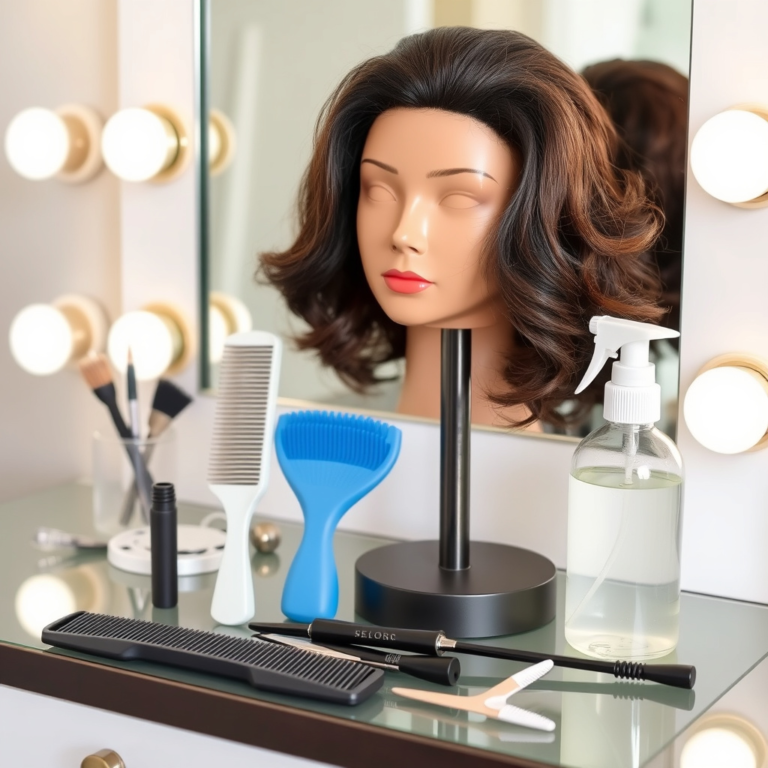
Creating flawless feed-in braids starts with having the right tools at your fingertips. These essentials not only simplify the braiding process but also support effective braid maintenance and advanced styling techniques. Here are four tools you shouldn’t skip:
- Rat-tail comb – Perfect for precise sectioning and parting, essential for neat braids.
- Edge control brush – Keeps your edges sleek and polished, enhancing the overall look.
- Hair clips – Hold sections securely, giving you control as you work through each braid.
- Moisturizing spray – Keeps hair hydrated during styling, preventing breakage and frizz.
With these tools, you’ll achieve professional-looking feed-in braids while maintaining healthy hair and mastering various styling techniques.
Hair Care Accessories
Several hair care accessories can make maintaining your feed-in braids easier and keep your style looking fresh longer. Start with a good detangling brush to gently smooth your hair without disrupting your braids.
Use hair oil and moisturizing creams regularly to nourish both your scalp and strands. This supports scalp care and helps prevent dryness. Incorporate styling gels to tame flyaways and define your braids, but choose lightweight formulas to avoid buildup.
Don’t forget heat protectants if you use heat tools to style your edges, as they shield your hair from damage. To deeply condition, apply hair masks weekly, enhancing moisture retention.
These accessories help you protect your feed-in braids while embracing protective styles that promote healthy hair growth and lasting looks.
Best Products to Keep Your Feed-In Braids Fresh and Healthy
Keeping your feed-in braids fresh and healthy means choosing the right products that nourish both your hair and scalp without causing buildup. It’s important to focus on moisturizing your hair and caring for your scalp to prevent dryness and itching while keeping your style looking great for longer.
Here are four top products you should consider:
1. Lightweight Leave-In Conditioner
Keeps your braids hydrated without weighing them down or causing residue.
2. Scalp Oil or Serum
Targets dryness and soothes irritation, promoting a healthy scalp environment.
3. Dry Shampoo or Braiding Spray
Refreshes your scalp and hair between washes, controlling oil and odor.
4. Moisturizing Hair Mist
Provides a quick, easy boost of moisture to keep your braids looking fresh and vibrant.
Using these products regularly will help you maintain healthy hair and scalp while preserving the neatness of your feed-in braids. Just make sure to choose formulas free of heavy waxes or silicones to avoid buildup and keep a natural feel.
Maintaining and Caring for Feed-In Braids
Once you’ve chosen the right products to nourish your feed-in braids, you’ll want to focus on how you maintain and care for them daily. Proper scalp care is essential to keep your hair healthy and prevent itching or buildup.
Since feed-in braids are a popular protective style, maintaining cleanliness and moisture is key to prolonging their lifespan. Make sure to gently cleanse your scalp without disturbing the braids, and apply light oils or sprays to keep your scalp hydrated.
| Task | Tips for Best Results |
|---|---|
| Scalp Care | Use a diluted shampoo, avoid heavy products |
| Moisturizing | Apply lightweight oils or leave-in sprays |
| Sleeping Routine | Wear a satin scarf or use a satin pillowcase |
Regularly following these steps will keep your feed-in braids looking fresh while protecting your natural hair and scalp health.
Styling Ideas to Rock Your Feed-In Braids
A variety of styling options can help you showcase your feed-in braids while expressing your personal flair. Whether you want to keep it simple or go bold, there’s a look for every occasion. Here are some ideas to inspire your next style:
Explore versatile feed-in braid styles that highlight your unique personality for any occasion.
- Everyday wear: Keep it practical with neatly parted braids and subtle braided accessories like small cuffs or rings for a polished finish.
- Protective styles: Try low buns or ponytails to protect your edges, reducing manipulation while still looking chic.
- Festival looks: Add colorful beads and vibrant braided accessories to create a fun, eye-catching style perfect for festivals or parties.
- Elegant updos: Sweep your feed-in braids into sophisticated updos for formal events, combining style with the protective benefits of braiding.
Where to Buy Quality Hair and Supplies for Feed-In Braids
Where can you find the best hair and supplies to create flawless feed-in braids? Start by exploring premium retailers and specialty shops that focus on quality brands known for durability and natural texture. These places often provide expert advice, ensuring you get exactly what you need.
Online marketplaces offer wide selections and convenient bulk purchases, which are perfect if you want to stock up or find budget options without compromising quality. Don’t overlook local suppliers and hair salons. They often carry trusted brands and can recommend products tailored to your hair type.
Hair salons might also sell professional-grade supplies that aren’t easily found elsewhere. When shopping, balance cost with quality to avoid frequent replacements. Whether you’re a beginner or pro, sourcing from these channels guarantees you’ll have the right tools and hair to achieve seamless, long-lasting feed-in braids every time.
Frequently Asked Questions
How Long Do Feed-In Braids Typically Last?
Feed-in braids typically last 6 to 8 weeks, depending on how well you care for them. To extend their life, follow maintenance tips like keeping your scalp moisturized, wrapping your hair at night, and avoiding excessive manipulation.
You’ll love the versatile styling options feed-in braids offer, from sleek ponytails to intricate updos. With proper care, your braids will stay neat and fresh, letting you enjoy your look longer without frequent touch-ups.
Can Feed-In Braids Damage Natural Hair?
Yes, feed-in braids can damage your natural hair if you’re not careful. To protect your hair health, avoid making the braids too tight because that can cause tension and breakage.
Also, follow maintenance tips like moisturizing your scalp regularly, gently washing your braids, and giving your hair breaks between styles. Taking these steps helps keep your natural hair strong and healthy while you enjoy the look of feed-in braids.
Are Feed-In Braids Suitable for All Ages?
Feed-in braids are like a chameleon, adapting beautifully to your age and style. You’ll find they offer incredible style versatility, making them suitable whether you’re young or seasoned.
However, age considerations matter. Your scalp’s sensitivity and hair strength might change, so you’ll want to adjust tension and maintenance accordingly. With the right care, feed-in braids can be a timeless, stylish choice that complements any age perfectly.
How Much Do Professional Feed-In Braids Cost?
Professional feed-in braids typically cost between $100 and $300, depending on braid pricing factors. You’ll notice stylist experience plays a big role. More experienced stylists usually charge higher rates because they deliver better quality and longer-lasting braids.
Also, location and salon reputation influence prices. To get the best value, ask about the stylist’s expertise and check reviews before booking. This way, you’ll guarantee you’re paying for skill, not just the service.
Can I Swim or Exercise With Feed-In Braids?
Yes, you can swim and exercise with feed-in braids! Studies show 70% of people with braids maintain their style while staying active.
For swimming precautions, always rinse your hair immediately after to remove chlorine or salt, and consider wearing a swim cap.
When working out, use exercise tips like tying your braids up to prevent frizz and applying a light moisturizer afterward. This keeps your braids fresh and your scalp healthy.
Conclusion
Feed-in braids are your crowning glory, weaving confidence and style into every strand. Like a skilled artist blending colors on a canvas, you craft beauty that lasts and shines.
With the right tools, care, and a touch of patience, your braids won’t just sit—they’ll dance through days, turning heads wherever you go. Welcome the journey, and let your feed-in braids tell your unique story with every twist and turn.
Embrace the process, and watch how feed-in braids bring out your best look while making a statement that’s all your own.