How to Wear a Wig: A Complete Guide for a Natural Look
Wearing a wig starts with preparing your natural hair properly and choosing a wig that fits comfortably and securely. Begin by braiding or flattening your hair, then use a wig cap to create a smooth base. Position the wig carefully, aligning the front hairline, and secure it using adjustable straps, clips, or adhesive for stability.
Knowing how to wear a wig well is significant because it affects comfort, appearance, and confidence. A well-fitted wig not only stays in place throughout the day but also looks natural and complements your facial features. The right techniques reduce discomfort and prevent damage to your real hair while enhancing your overall style.
This article covers every step of how to wear a wig effectively, from hair preparation and wig application to styling and maintenance. Additionally, it explores different wig types and tools that help achieve a flawless, long-lasting look, making it easier to wear a wig like a pro.
Preparing Your Natural Hair for Wearing a Wig
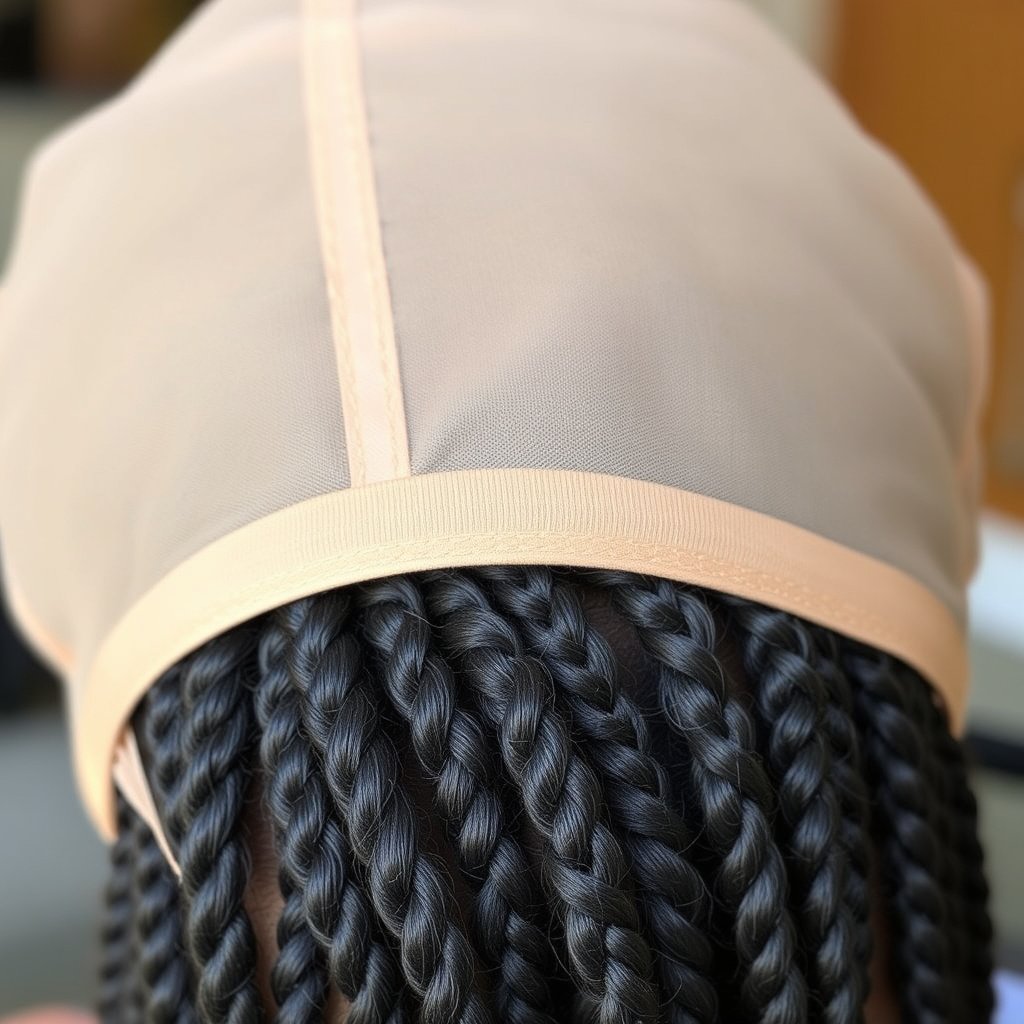
Flattening versus Braiding Your Hair
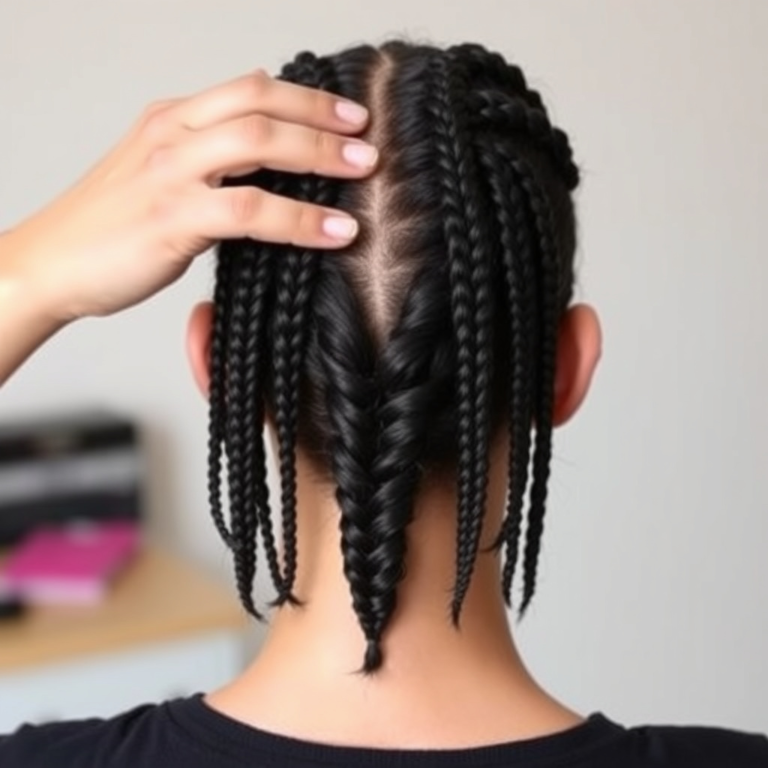
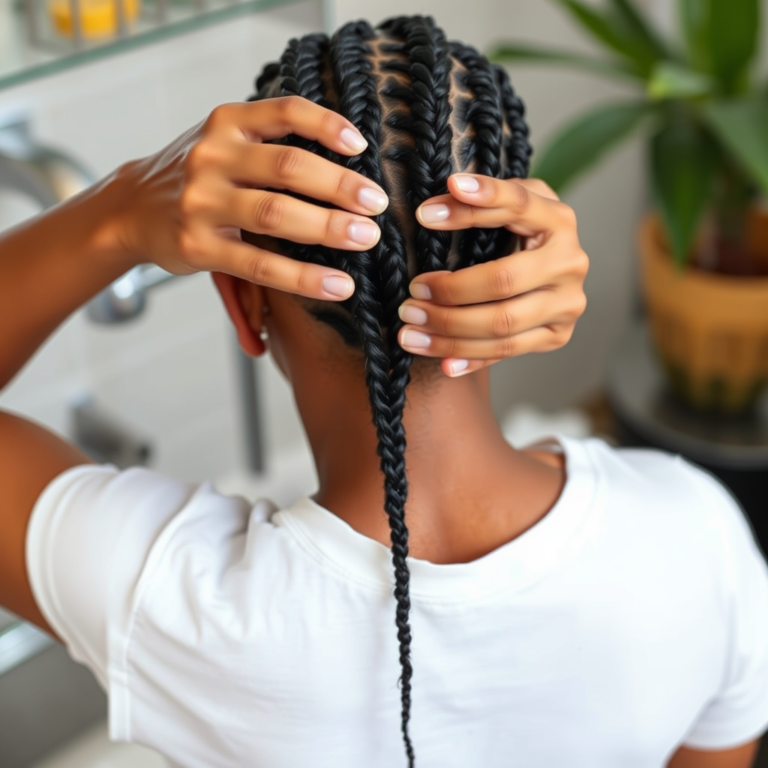
Before putting on a wig, flattening or braiding your natural hair is essential to create a smooth foundation. Flattening typically involves twisting or braiding the hair down close to the scalp so the wig sits evenly without bumps.
Choosing between flattening and braiding depends on hair length and texture. Braiding is ideal for longer hair as it compresses volume more effectively, while flattening works well for shorter or finer hair types.
- Braids: Tight cornrows for better hold
- Flattened hair: Use gel or hairbands to keep hair flat
- Benefits: prevents wig bumps and uneven surfaces
Using a Wig Cap for a Secure Base
A wig cap helps keep natural hair contained and prevents slippage of the wig. It also creates a uniform surface for better wig adherence, while protecting your scalp from friction.
There are different types of wig caps, including nylon, mesh, and cotton, each offering varying breathability and comfort. Selecting a cap suited to your scalp sensitivity and weather conditions enhances day-long comfort.
- Nylon caps: better stretch and tight fit
- Mesh caps: maximize ventilation
- Cotton caps: gentle on sensitive scalps
Positioning and Securing Your Wig Correctly
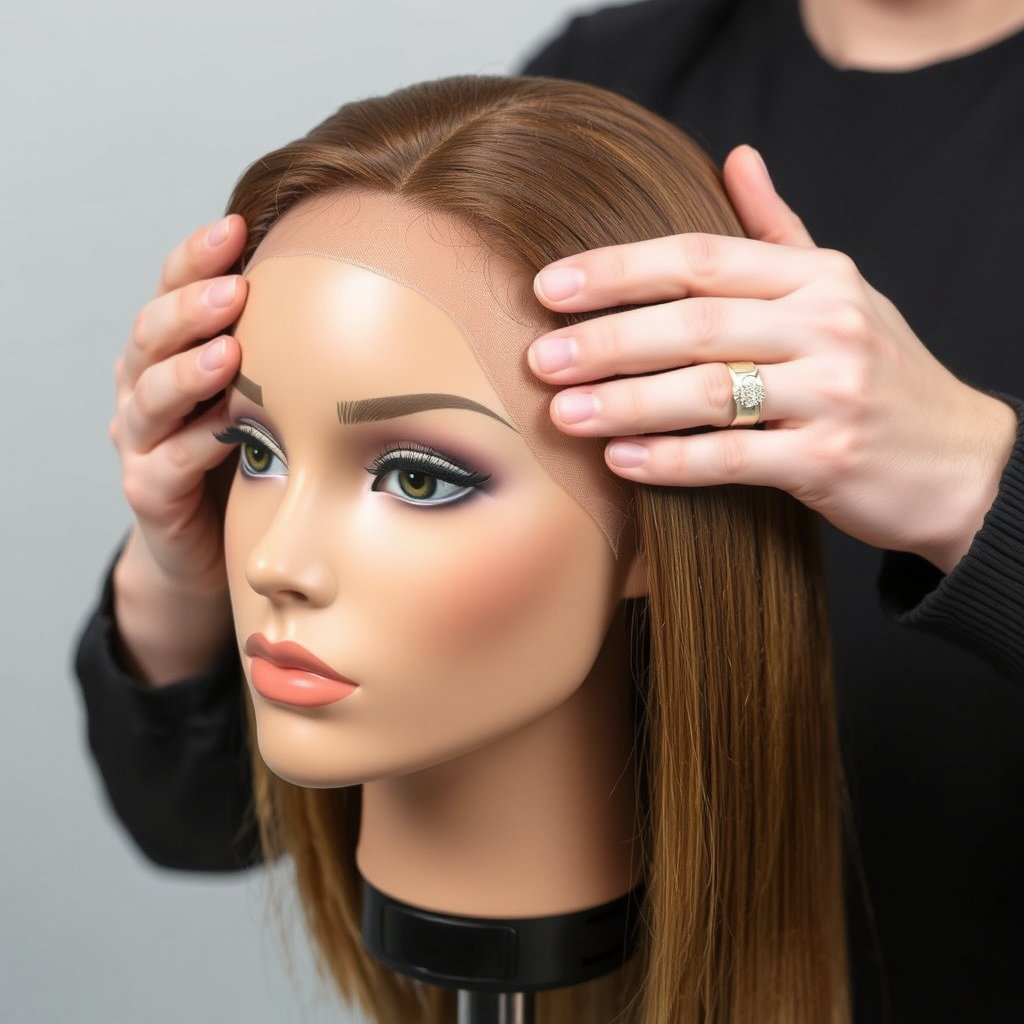
Proper Wig Placement on the Head
Place your wig starting from the front hairline and pull it back towards the nape. Aligning the wig’s front lace or edge correctly ensures it looks natural and matches your face shape.
Check that the wig covers all natural hair and that straps or combs inside the wig sit flush with your scalp to avoid discomfort or visible misplacement.
Techniques to Secure Your Wig
Wigs can be secured using adjustable straps, clips, combs, or adhesives like wig tape and glue depending on your activity level and wig type. For active days, adhesive provides the safest hold but requires careful removal.
Always ensure your skin is clean and dry before applying adhesives, and test products for allergies. Adjustable straps are suitable for everyday use, allowing quick adjustments without damage.
- Use bobby pins for extra hold
- Avoid overtightening straps
- Use adhesive remover for gentle wig removal
Styling and Customizing Your Wig
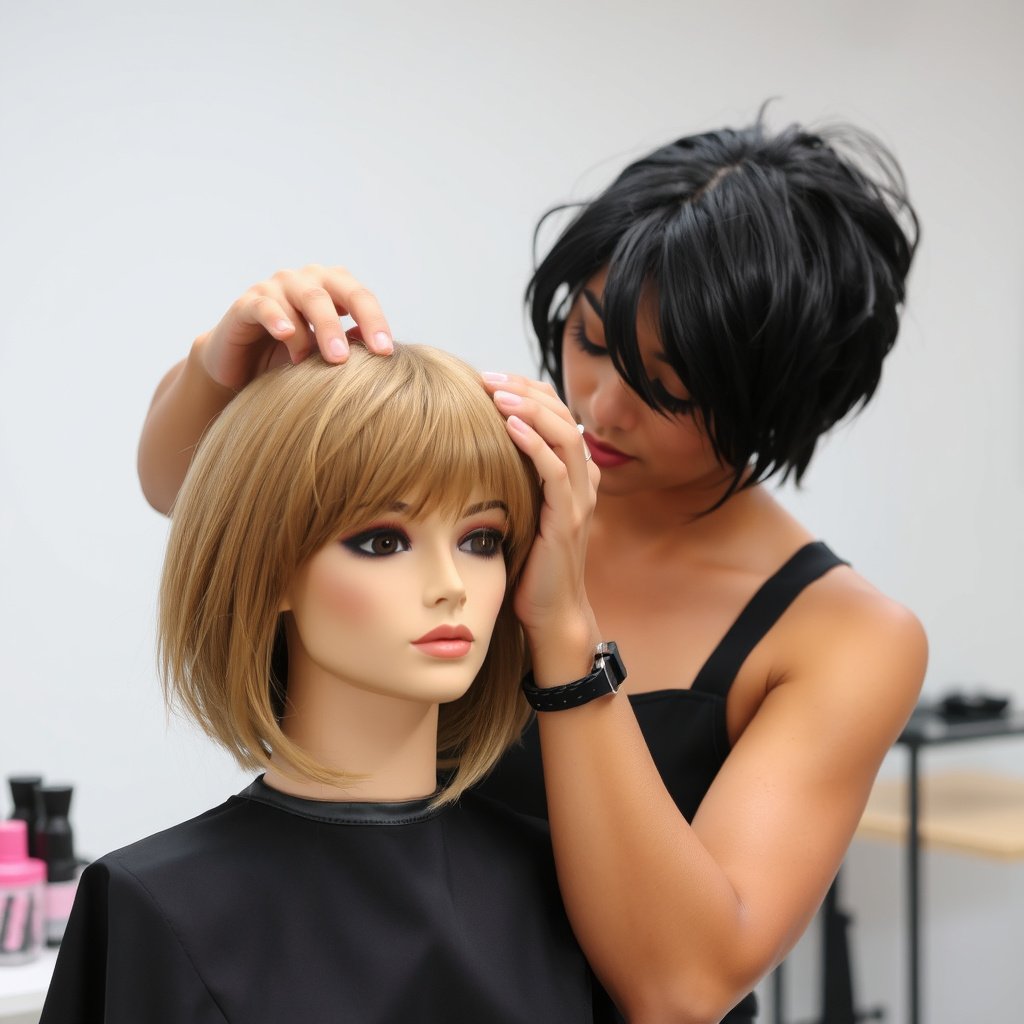
Basic Wig Styling Tips
Styling your wig enhances its natural appearance. Use low-heat tools for synthetic wigs and standard heat styling for human hair wigs. Adjust parting lines or add volume using styling products specially made for wigs.
Regularly washing and conditioning the wig maintains fiber softness and shine. Avoid heavy products that cause buildup or stiffness, which reveal the wig’s artificial nature.
- Use wide-tooth combs to prevent fiber breakage
- Apply wig-specific mousse or sprays
- Comb fibers gently from tips to roots
For more on this, see our related guide: How to Wear a Wig: A Practical Guide for a Natural Look.
Customizing the Hairline and Fit
Trimming the lace or baby hairs along the wig’s front edge creates a more realistic hairline. You can also pluck excess hairs lightly to mimic natural hair growth.
Adjust wig caps and straps to fit your scalp snugly but comfortably to avoid shifting during wear. Tailoring these details transforms a generic wig into a personalized look.
- Use scissors carefully to trim lace
- Pluck sparse areas gradually for effect
- Secure edges with wig glue or tape
Maintaining Your Wig for Longevity
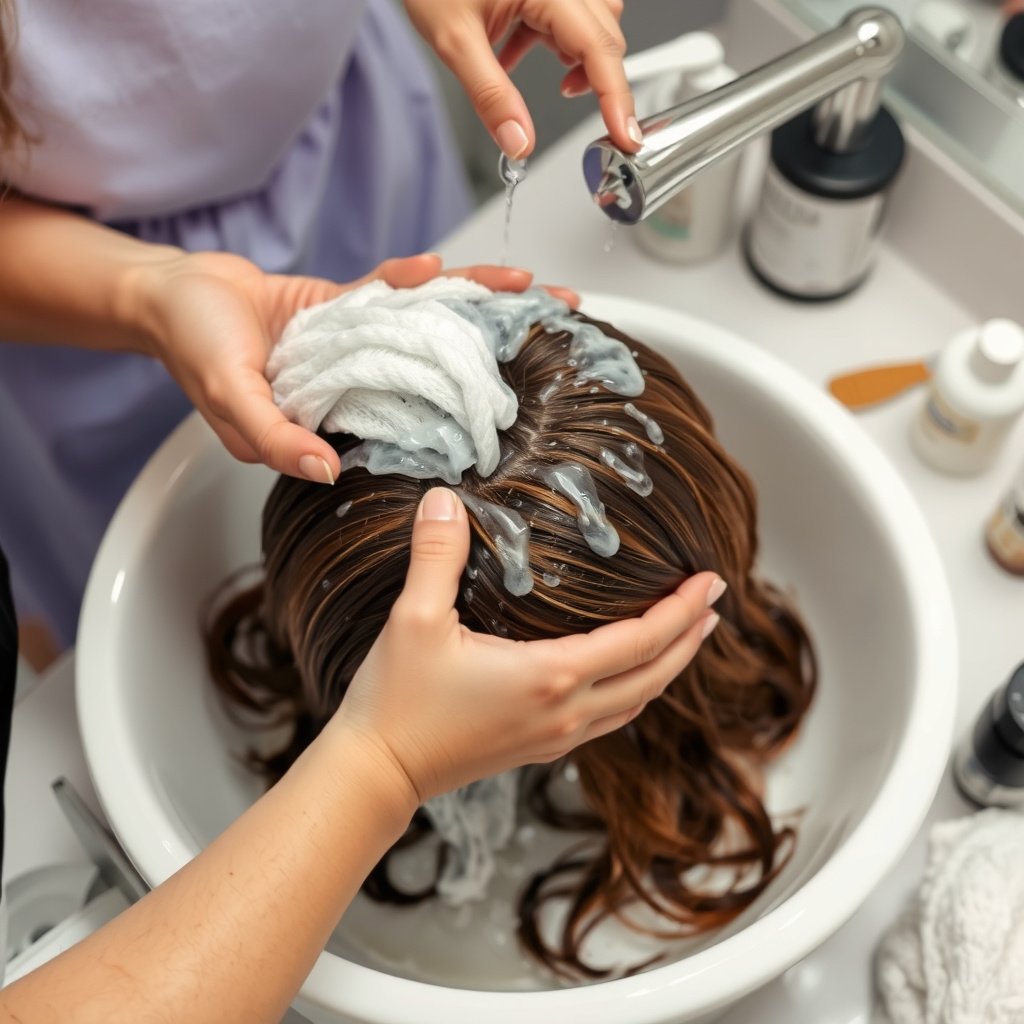
Cleaning Frequency and Methods
Regular cleaning depends on wear frequency but typically every 7-14 days keeps the wig fresh. Use sulfate-free shampoos and conditioners designed for wigs to avoid fiber damage.
Soak and gently wash without twisting. Always air dry your wig on a stand to keep its shape intact and prevent heat damage.
- Avoid everyday shampooing to extend life
- Use cold or lukewarm water only
- Pat dry with towel, do not rub
Storage and Handling Tips
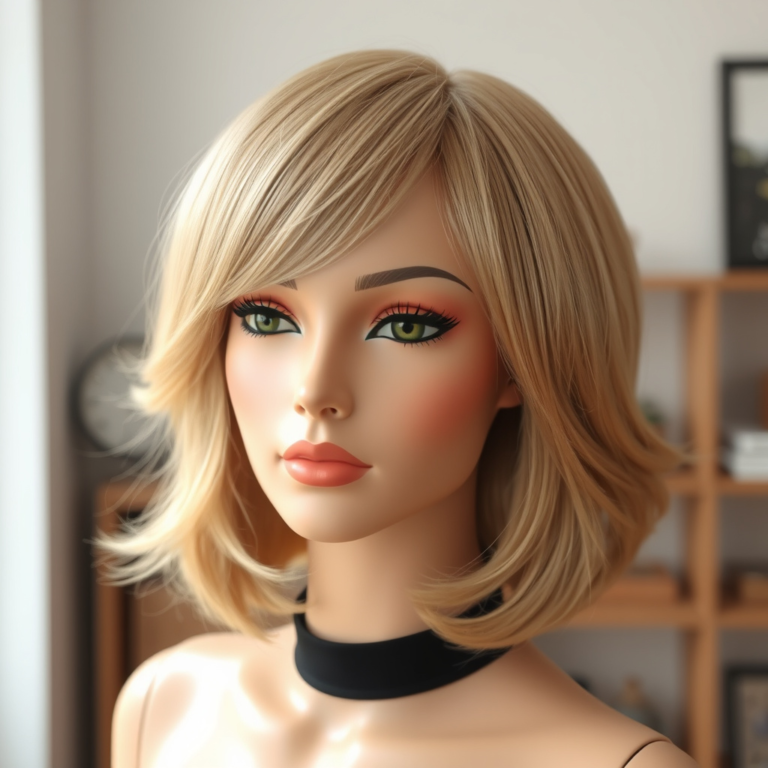
Store wigs on a wig stand or mannequin head when not in use to preserve shape. Keep away from direct sunlight and dust to prevent fading and dirt accumulation.
Handle wigs gently during styling and application to avoid fiber shedding or stretching of cap materials, ensuring your wig remains wearable longer.
- Cover wigs with a breathable bag for dust protection
- Avoid folding synthetic wigs
- Keep away from heat sources
Choosing the Right Wig Type for Your Needs
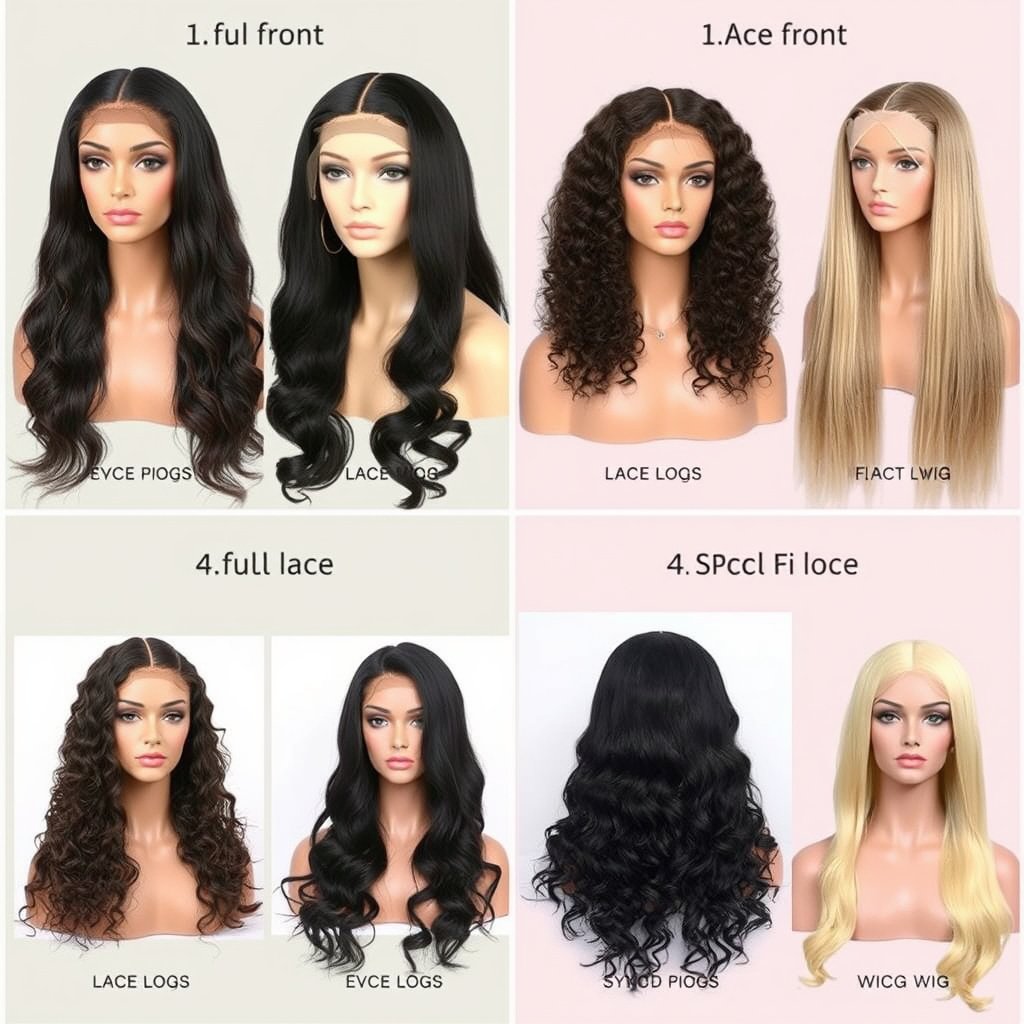
Differences Between Synthetic and Human Hair Wigs
Synthetic wigs come pre-styled and are budget-friendly but less versatile in heat styling. Human hair wigs offer natural texture and can be styled like your own hair but require more care and investment.
Choosing depends on lifestyle, budget, and how often you plan to wear the wig. For special occasions, human hair wigs look more realistic; synthetic types suit casual or shorter use.
- Synthetic: easy maintenance, fixed style
- Human hair: customizable, more durable
- Price varies significantly between types
For more on this, see our related guide: How to Choose a Wig: A Practical Guide for Every Style and Budget.
Understanding Wig Cap Constructions
Wig caps come in many designs like lace front for a natural hairline, full lace for all-around flexibility, and monofilament for scalp-like appearance. The cap affects comfort, styling options, and breathability.
Select a cap type matching your activity level and preference for realism. Lace front caps are popular for everyday natural looks while full lace suits updos and complex styles.
- Lace front: natural forehead line
- Full lace: versatile styling on all sides
- Monofilament: scalp-like appearance, breathable
Common Mistakes to Avoid When Wearing a Wig

Ignoring Scalp and Hair Preparation
Skipping the step of flattening or braiding hair can cause bumps and an unnatural look under the wig. It also leads to discomfort and wig slippage.
Neglecting scalp health or wearing dirty hair underneath can cause itching, irritation, or infections, reducing comfort and confidence in your wig.
For more detailed information on wig basics and care, visit this helpful resource. wig basics and care.
Overstyling and Improper Maintenance
Using too much heat on synthetic wigs or harsh chemicals degrades fibers quickly. Over-washing or using the wrong products strips wigs of their luster and natural feel.
Failing to store wigs properly causes tangling, deformation, and color fading, shortening the life and appearance of your wig.
Comparison of Common Wig Types and Features
The table below compares popular wig categories based on material, styling flexibility, maintenance needs, and typical cost, helping you pick the best fit.
| Wig Type | Material | Styling Options | Maintenance Level | Average Cost |
|---|---|---|---|---|
| Synthetic Wig | Synthetic fibers | Limited heat styling | Low to medium | $50–$150 |
| Human Hair Wig | Real human hair | Full styling freedom | High | $200–$1000+ |
| Lace Front Wig | Synthetic or human hair | Natural hairline, moderate flexibility | Medium | $100–$500 |
| Full Lace Wig | Mostly human hair | Versatile styling and updos | High | $300–$1500 |
| Monofilament Wig | Synthetic or human hair | Natural scalp appearance | Medium to high | $150–$700 |
Frequently Asked Questions
How often should I wash my wig?
Wash your wig every 7 to 14 days depending on how often you wear it, using shampoo formulated specifically for wigs to preserve fibers and maintain appearance.
Can I use regular hair products on my wig?
It is best to use wig-specific products because regular shampoos and conditioners can damage wig fibers, especially synthetic ones, reducing lifespan and style retention.
How do I prevent my wig from slipping?
Proper preparation with a wig cap, securing the wig with adjustable straps, combs, or adhesives, and ensuring a snug but comfortable fit can prevent slippage.
Is it safe to sleep with my wig on?
Sleeping with a wig is not recommended as friction can tangle fibers and damage the cap. Remove the wig before sleeping and store it on a stand.
Can I heat style a synthetic wig?
Only heat-friendly synthetic wigs can be styled with low heat; most synthetic wigs will melt or frizz under heat styling tools, so always check the wig's specifications.
Key Takeaways
- Prepare your natural hair and scalp properly before wearing a wig for comfort and natural look.
- Secure the wig using straps, combs, or adhesives tailored to your activity level.
- Choose the wig type and cap construction based on styling needs and budget.
- Regular maintenance and proper storage extend your wig’s lifespan significantly.
Conclusion
Understanding how to wear a wig involves preparation, secure application, and thoughtful styling while considering your hair type and lifestyle needs. Each step contributes to a natural appearance and comfortable fit that boosts confidence and suits your daily routine. Paying attention to wig materials and cap designs allows for a personalized experience with the right balance of style and practicality.
For individuals seeking ease and affordability, synthetic wigs with lace fronts provide a natural look with minimal upkeep. Those prioritizing versatility and realism may prefer human hair full lace wigs, ideal for elaborate styling and long-term use. Using wig caps appropriate to your scalp condition and ensuring proper hair preparation reduces common issues like slipping or irritation significantly, making regular wear enjoyable.
Begin by selecting a wig type that matches your lifestyle, and practice the techniques outlined for placement and security. Don't overlook maintenance routines like washing and storage to protect your investment. By mastering these essentials, you can confidently wear your wig with a natural, flattering style every day.