Braiding Hair Guide: What to Know Before You Buy
Finding the perfect braiding hair can feel overwhelming, especially if you want your style to look flawless and last long. You’re not alone—many people struggle with choosing the right type, texture, and color to match their natural hair.
But with the right guidance, picking the best braiding hair becomes a lot easier and more enjoyable.
When choosing braiding hair, pick between synthetic for durability and easy styling, or human hair for a natural look and versatility.
Consider texture—silky for sleek styles or coarse for volume—and match the length and thickness to your desired braid size.
Color matching your natural shade is key for seamless blending.
Prepare by detangling and moisturizing your hair, then maintain it gently to keep braids fresh.
To avoid mistakes and damage, there’s plenty more you can learn to guarantee perfect braids.
Key Takeaways
- Choose between synthetic hair for durability and heat resistance, or human hair for natural appearance and styling versatility.
- Select hair texture based on your desired style: silky for sleek braids, coarse for volume and grip.
- Match braiding hair color accurately by identifying natural hair tones and testing strands under natural light.
- Buy from trusted sources like manufacturer websites, reputable online marketplaces, or local beauty supply stores.
- Prepare hair by detangling and washing properly, then maintain braids with gentle care and regular moisturizing.
Which Braiding Hair Types Work Best for Your Style
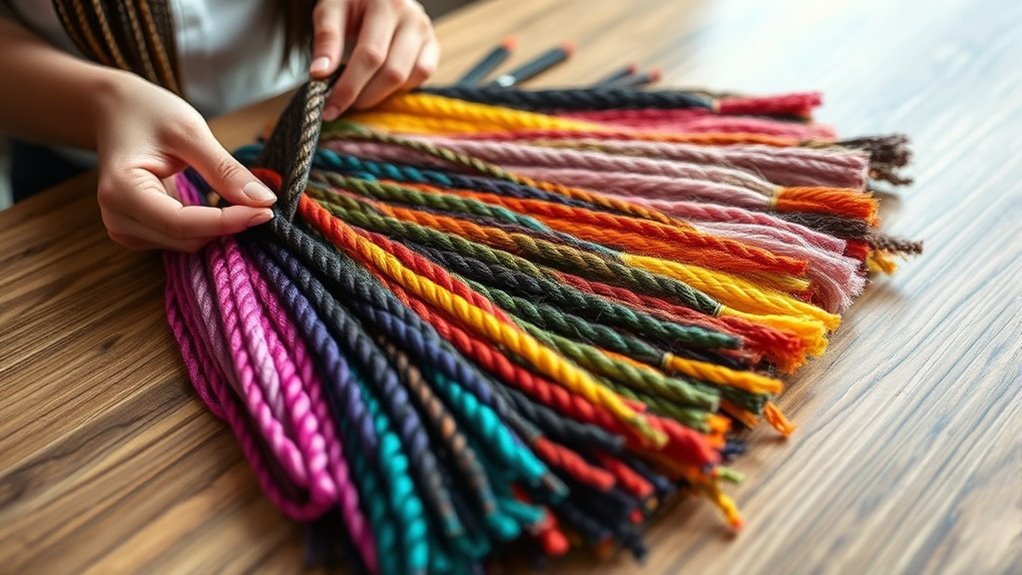
Choosing the right braiding hair can make all the difference in achieving your desired look. You’ll want to match the hair type to the braiding techniques you plan to use, whether it’s box braids, twists, or cornrows.
Synthetic hair tends to hold shapes better and lasts longer, making it ideal for intricate styles. On the other hand, human hair offers a more natural appearance and blends seamlessly, perfect if you’re aiming for a softer finish.
Don’t forget how hair accessories can elevate your style. Lightweight extensions work best if you want to add beads or cuffs without weighing down your braids. Also, consider how the hair feels. Some types might be rougher and less comfortable, especially if you’re wearing braids for weeks.
How to Choose the Right Braiding Hair Texture
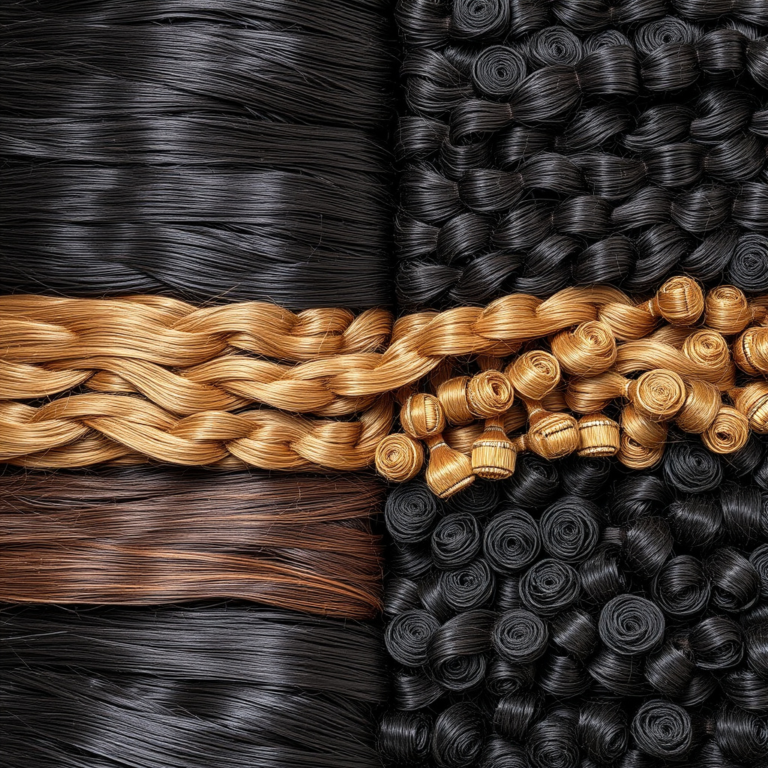
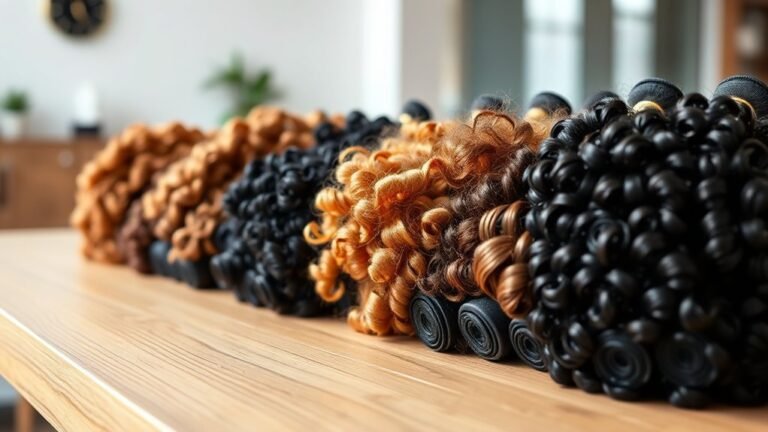
Matching the right hair texture to your braiding style can improve both the look and feel of your finished hairstyle. When choosing braiding hair, consider texture variations like silky, coarse, or kinky, as each complements different styles and natural hair types.
For example, silky textures work well for sleek braids, while coarse textures add volume and grip for protective styles. Think about the styling techniques you plan to use, too. Some textures hold up better when twisted or curled, while others blend seamlessly with your natural hair for a more natural finish.
Silky textures suit sleek braids; coarse textures add volume and grip, enhancing protective styles and natural finishes.
Also, factor in how the texture will feel against your scalp. Comfort matters during long wear. By matching the texture to both your style and technique, you’ll achieve a polished, durable look that feels good all day.
Taking time to investigate texture variations guarantees your braids look professional and suit your personal hair care routine perfectly.
Synthetic vs. Human Braiding Hair: Pros and Cons
While deciding on braiding hair, you’ll want to weigh the benefits and drawbacks of synthetic versus human hair. Synthetic hair offers impressive synthetic durability, making it resistant to heat and retaining style longer. It’s also generally lighter and more affordable.
However, synthetic hair has limited color blending options and can feel less natural due to texture differences. On the other hand, human hair boasts superior human versatility. You can style it with heat tools, dye it, and it blends seamlessly with your own hair color.
Installation ease varies: synthetic hair often installs faster but may tangle more, while human hair requires more careful handling but lasts longer with proper care. Keep in mind the maintenance needs; synthetic hair usually demands less upkeep but can’t be restyled. Meanwhile, human hair needs more attention to stay fresh but offers greater styling freedom.
Your choice depends on your priorities for durability, look, and care.
Picking the Right Length and Thickness for Your Braids
When you’re picking your braid length, think about how long you want them to hang and how easy they’ll be to manage every day. It’s all about finding that sweet spot that works for your lifestyle.
Now, when it comes to thickness, what kind of vibe are you going for? Chunky braids definitely make a bold statement, while thinner ones give off a more delicate, subtle look.
Getting the length and thickness just right will not only make your braids look amazing but also keep them feeling comfortable throughout the day.
Choosing Ideal Hair Length
Because the length and thickness of your hair directly affect the style and durability of your braids, you’ll want to select a length that complements both your hair type and desired look. When considering hair length, think about how much volume and weight you want.
Longer hair offers more versatility for intricate braid patterns, while shorter hair suits simpler, quicker styles. Hair length considerations also depend on maintenance. Longer braids may require more care.
If you prefer bold, statement braids, longer hair is ideal. For subtle or casual braid styles, medium to short lengths work well. Understanding these factors helps guarantee your braids look great and last longer.
Determining Appropriate Thickness
Deciding on the right thickness for your braids plays a crucial role in achieving both the look and durability you want. Start by evaluating your hair density. If you have thick hair, thicker braids may work better, providing fullness and strength. For finer hair, thinner braids often look more natural and prevent excessive tension.
Consider your chosen braid type too. Box braids usually require medium to thick sections, while micro braids need thinner strands. Also, think about maintenance. Thicker braids tend to last longer but take more time to install.
Balancing your hair density with the braid type guarantees your style looks great and stays intact. By paying attention to thickness, you’ll enjoy comfortable, long-lasting braids tailored just for you.
How to Match Braiding Hair Color to Your Natural Hair
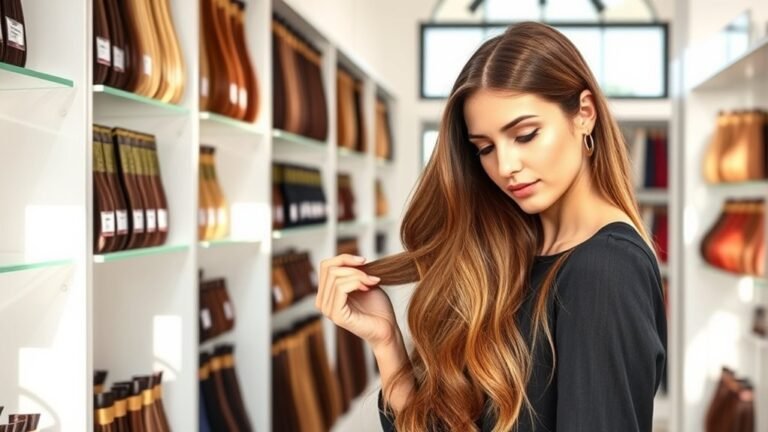
Matching braiding hair color to your natural hair can improve your style and create a seamless, polished look. Start by identifying your natural shades, whether warm, cool, or neutral tones. This helps you select braiding hair that blends smoothly without stark contrasts.
Use color matching tools or swatches to compare hair samples under natural light, ensuring accuracy. If you’re between shades, choose a slightly darker tone to add depth and dimension without looking unnatural. Avoid colors that clash with your skin tone or hair undertones.
Where to Find Quality Braiding Hair at a Great Price
You can find quality braiding hair at great prices by checking out trusted online retailers. They usually have a wide variety and some pretty good deals. Also, don’t forget to stop by your local beauty supply stores. It’s nice to see and feel the hair before you buy it, right? And if you braid often, buying wholesale in bulk can save you a lot of money over time. It’s definitely worth considering!
Trusted Online Retailers
Finding quality braiding hair at a great price can be simple when you know where to look. Trusted online retailers offer a wide range of options from well-known trusted brands, ensuring you get authentic, durable hair.
When shopping online, always check customer reviews to see how others rate the texture, longevity, and ease of use. These reviews help you avoid low-quality products and find the best deals.
Websites like Amazon, SheaMoisture, and Mayvenn are popular choices because they consistently carry reputable brands and provide detailed feedback from buyers. Plus, many online stores run sales or bundle deals, so you can save more.
Local Beauty Supply
Although online shopping offers convenience, local beauty supply stores provide a hands-on experience that helps you choose quality braiding hair at competitive prices. When you visit these stores, you can feel the texture and check the color in person, ensuring it matches your desired look perfectly.
Plus, local beauty supply shops often stock products that align with local trends, so you’ll find styles and hair types that suit your community’s preferences. Don’t hesitate to ask store staff for product recommendations. They’re usually knowledgeable and can guide you to the best options for your hair type and style goals.
Shopping locally also supports small businesses, and you might uncover unique brands you wouldn’t find online. Overall, local beauty supply stores offer a personalized, cost-effective way to get quality braiding hair.
Wholesale Bulk Options
When buying braiding hair in large quantities, opting for wholesale bulk options can save you significant money without sacrificing quality. Wholesale suppliers often provide bulk pricing, letting you stock up while ensuring quality assurance through trusted brands. Here’s where to look:
1. Online Wholesale Marketplaces
Platforms like Alibaba or DHgate offer vast selections at competitive rates, often with buyer reviews for quality checks.
2. Direct Manufacturer Websites
Buying straight from manufacturers cuts out middlemen, guaranteeing authentic products and consistent quality assurance.
3. **Wholesale Beauty Supply Stores
Physical stores specializing in bulk sales let you inspect the hair before purchasing, ensuring texture and color meet your standards.
How to Prepare Braiding Hair Before Installation
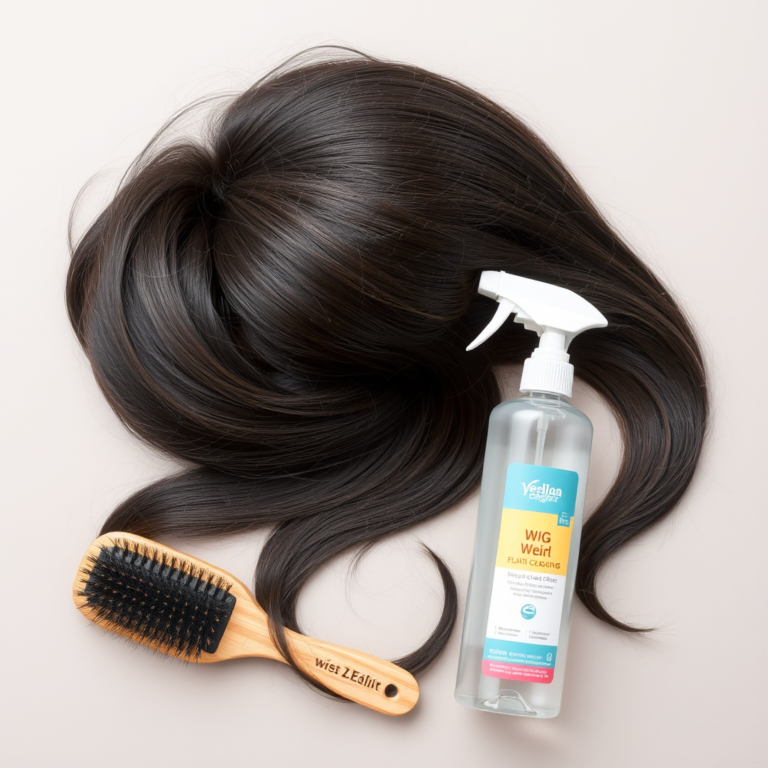
Start by carefully detangling the braiding hair to prevent knots and guarantee a smooth installation. This step is one of the key pre-installation techniques that sets the foundation for a flawless look. Use a wide-tooth comb or your fingers to gently remove any tangles, working from the ends upward.
Next, rinse the hair with cool water if it’s synthetic, or wash with a mild shampoo if it’s human hair, ensuring it’s clean and ready to style. After washing, let the hair air dry completely to maintain its texture and prevent frizz.
Don’t skip moisturizing the hair lightly with a leave-in conditioner or natural oil to keep it soft and manageable. These hair preparation essentials help maintain the hair’s integrity and make the braiding process easier and neater.
Proper preparation saves time and frustration during installation, giving you the best results.
Tips for Maintaining and Caring for Braiding Hair
To keep your braiding hair looking fresh, you’ll want to use proper washing techniques that won’t cause damage. It’s all about being gentle and avoiding harsh scrubbing. And don’t forget to moisturize regularly — this helps prevent dryness and frizz, keeping your braids looking smooth and healthy. Plus, storing your braids the right way can really make a difference. When you put them away carefully, it can extend their lifespan and help maintain the style you worked hard to create.
Proper Washing Techniques
Although braiding hair doesn’t require daily washing, keeping it clean is essential to prevent buildup and maintain its texture. Proper washing supports scalp care and overall hair health, helping your braids look fresh longer.
When washing your braids, follow these steps:
- Use a diluted shampoo mix to gently cleanse without disturbing the braids.
- Focus on your scalp, massaging gently to remove dirt and excess oils.
- Rinse thoroughly with lukewarm water, ensuring no residue remains.
Avoid harsh scrubbing or heavy products that can weigh down the braids or cause frizz. Pat your braids dry with a towel, never rub, and allow them to air dry completely.
These proper washing techniques keep both your scalp and braiding hair healthy and manageable.
Moisturizing and Storage Tips
When you want your braiding hair to stay soft and manageable, moisturizing regularly is key. Focus on products designed for moisture retention, like leave-in conditioners or light oils, to prevent dryness and frizz. Apply sparingly to avoid buildup but enough to keep the hair hydrated.
After moisturizing, proper storage solutions will extend the life of your braiding hair. Keep it in a cool, dry place, ideally in a sealed plastic bag or satin pouch to minimize exposure to dust and humidity. Avoid stuffing it in tight spaces, which can cause tangling.
Common Mistakes to Avoid When Buying Braiding Hair
If you want your braiding experience to go smoothly, you need to avoid common mistakes that many buyers make. Paying attention to details like color matching and texture selection is vital. Choosing the wrong shade can make your braids look unnatural, while ignoring texture can lead to an uncomfortable fit or a style that doesn’t hold well.
Smooth braids start with careful color and texture choices to ensure a natural, comfortable style.
Here are three common mistakes to avoid:
- Ignoring Color Matching: Don’t pick braiding hair that clashes with your natural hair or desired look. Test strands under natural light before buying.
- Overlooking Texture Selection: Match the braiding hair texture to your hair type and the style you want. Smooth hair with coarse braids can cause slippage.
- Buying Without Quantity Planning: Underestimating the amount of hair needed can leave your style incomplete. Always buy a bit extra for thickness and length.
Avoid these pitfalls to guarantee your braids look flawless and last longer.
How to Remove Braiding Hair Safely Without Damage
Removing braiding hair carefully guarantees you protect your natural strands from breakage and scalp irritation. To start, use proper removal tools like a wide-tooth comb and hair clips to keep the process smooth. Begin by gently unraveling the braids with your fingers or the comb, avoiding forceful pulling. Patience is key. Rushing increases the risk of damage.
Employ removal techniques such as applying a detangling spray or conditioner to loosen the synthetic hair. This softens the bonds and makes detangling easier. Work section by section, making sure you don’t tug on your scalp. Safe practices also include washing and moisturizing your hair immediately after removal to restore hydration and reduce breakage.
Frequently Asked Questions
Can Braiding Hair Cause Allergic Reactions?
Yes, braiding hair can cause allergic reactions, especially if you’re sensitive to certain materials or chemicals used in synthetic hair. You might notice allergic symptoms like itching, redness, or swelling on your scalp.
Different hair types react differently, so it’s important to test a small section first. Opt for hypoallergenic or natural hair options if you have sensitive skin.
Always wash new braiding hair before use to reduce the risk of irritation.
How Long Does Braiding Hair Typically Last?
You might be surprised how long braiding hair can last, usually between 4 to 8 weeks. Its durability depends on quality and how well you care for it.
If you skip maintenance tips like moisturizing your scalp and avoiding heavy products, your braids won’t hold up as long. Keep your hair clean and protected at night, and you’ll enjoy your style longer without sacrificing your natural hair’s health.
Is It Safe to Sleep With Braiding Hair?
Yes, you can sleep with braiding hair, but it’s important to prioritize sleep comfort and proper hair maintenance. Use a satin or silk scarf or bonnet to protect your braids and reduce friction. This helps prevent frizz and breakage.
You might also want to sleep on a satin pillowcase for extra comfort. Keeping your scalp moisturized and your braids neat will extend their lifespan and keep your hair healthy while you rest.
Can Braiding Hair Be Reused After Removal?
Yes, you can reuse braiding hair after removal if you take good care of it. After taking down your braids, gently wash and condition the hair to keep it soft and tangle-free.
Proper hair maintenance, like drying it thoroughly and storing it properly, helps maintain its quality. Different braiding techniques might affect how often you can reuse the hair, but with the right care, you can enjoy multiple uses.
What Tools Are Essential for Braiding Hair Installation?
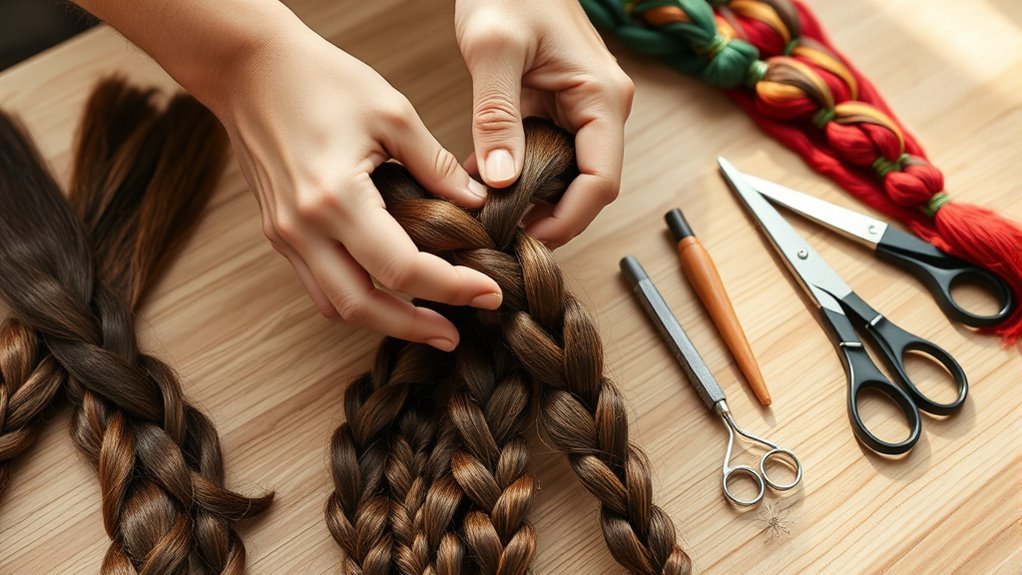
Think of your tools as the paintbrushes to your masterpiece. For braiding hair installation, you’ll need a rat-tail comb to part precisely, hair clips to hold sections like anchors, and a spray bottle to keep hair hydrated. This is key for hair care.
Don’t forget a crochet needle if you’re using crochet braiding techniques. These essentials help you weave creativity with care, ensuring your braids look flawless and stay healthy.
Conclusion
Choosing the perfect braiding hair is like painting your canvas. It sets the tone for your masterpiece. With the right texture, length, and color, your braids will shine with confidence and style.
Remember, caring for your braiding hair is the secret to keeping your look fresh and vibrant. Avoid common pitfalls, and when it’s time to remove, be gentle.
Welcome the journey, and let your hair tell a story as unique as you are. Taking good care of your braiding hair will ensure your style stays beautiful and lasts longer.