Hair Closures Guide: What to Know Before You Buy
Struggling to find the perfect hair closure that looks natural and protects your hair? You’re not alone. Many people face the challenge of choosing closures that blend seamlessly while keeping their hair healthy. It can feel overwhelming with so many types and materials out there, but understanding what to look for makes all the difference.
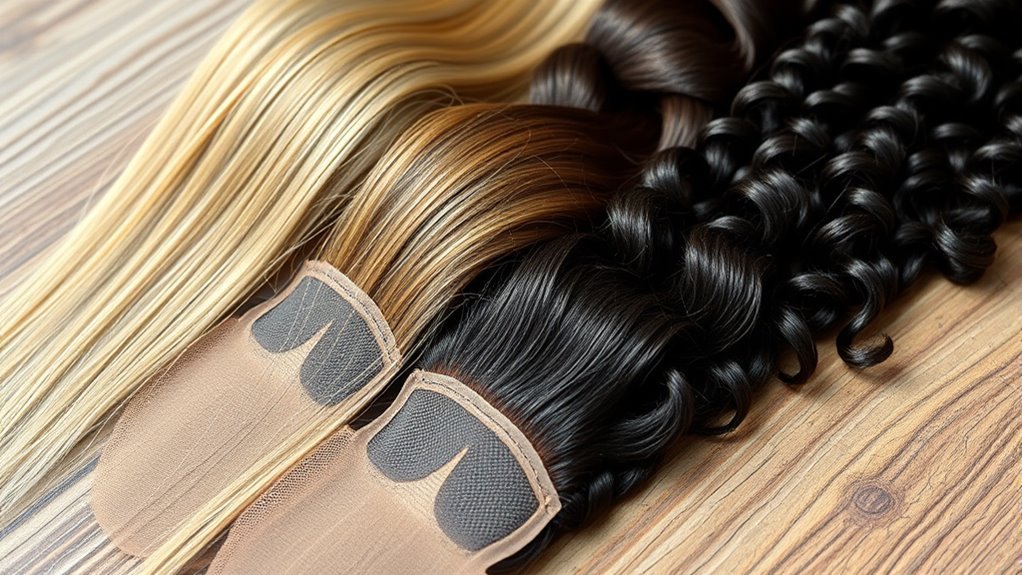
Before buying hair closures, you’ll want to know they cover your scalp’s crown or parting area to create a natural finish while protecting your hair from damage. Closures come in materials like breathable silk or durable polyurethane and types including lace and HD for different looks.
Sizes vary, so pick one that suits your style and hair type. Proper installation and care keep them lasting longer and looking natural.
Keep exploring to find out how to choose, style, and maintain the perfect closure for you.
Key Takeaways
- Hair closures cover the scalp’s crown or parting area, providing a natural finish while protecting your natural hair from heat and damage.
- Closure materials vary: silk offers a natural scalp look, polyurethane provides durability, and lace is great for longer wear.
- Sizes range from 4×4 to 6×6 inches, which affects coverage and styling options. Proper installation is key for seamless blending.
- Maintenance includes gentle detangling, washing with sulfate-free products, avoiding excessive heat, and proper storage to extend the closure’s lifespan.
- Choose breathable, hypoallergenic materials and perform allergy tests to prevent irritation and keep your scalp healthy under closures.
What Are Hair Closures and Why Use Them?
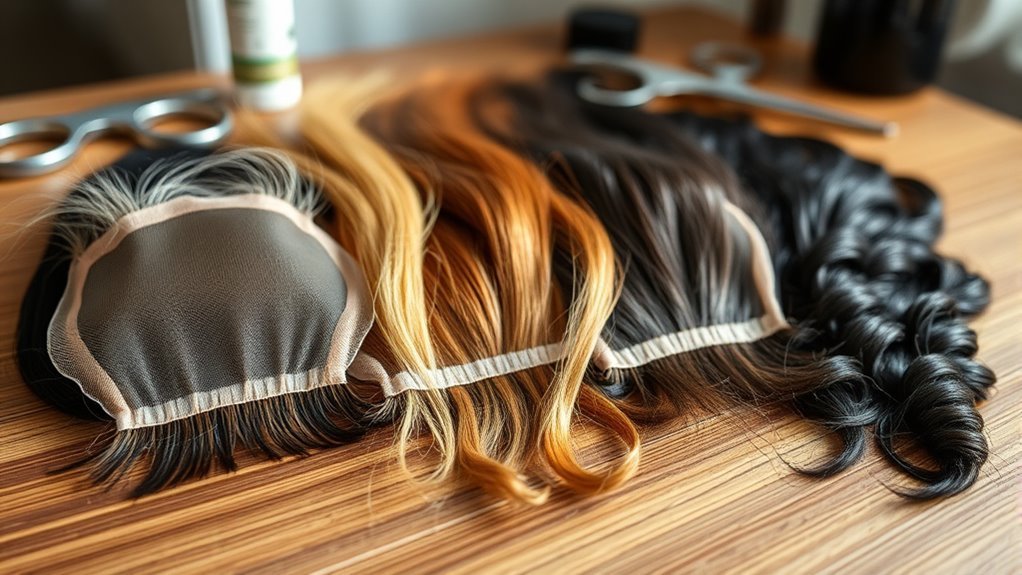
Hair closures are small hairpieces that cover the crown or parting area of your scalp, giving your hairstyle a natural finish. You’ll find that hair closures offer several benefits, such as protecting your natural hair from heat and styling damage while allowing you to achieve a seamless look. They’re especially useful if you want to add volume or cover thinning spots without sacrificing comfort.
When it comes to installation techniques, you have options like sewing, gluing, or clipping the closure onto your natural hair or wig cap. Each method has its perks. Sewing provides a secure hold, gluing offers a quick application, and clipping allows easy removal. Choosing the right installation technique depends on your lifestyle and how often you want to change styles.
Types of Hair Closures You Should Know
You’ll want to get familiar with the common materials used in hair closures, like lace and silk, so you can pick what suits you best. Closures come in different sizes too, and knowing your options will help you get that natural look you’re after. So, let’s dive into these key types to help you make the right choice.
Common Closure Materials
Although selecting the right closure material might seem overwhelming at first, understanding the common types can make your choice much easier. Silk closures offer a natural scalp look with excellent breathability factors, ideal if you want comfort and realism.
Polyurethane closures provide superior heat resistance and durability but tend to be less breathable and a bit heavier, so consider weight considerations carefully. Cotton closures are lightweight and breathable but may lack the smooth finish silk offers.
Before buying, perform compatibility testing with your hair type and preferred installation techniques to guarantee a perfect match. Price ranges vary widely, with silk closures often costing more due to their natural texture variations and realistic appearance.
Knowing these materials helps you pick a closure that suits your style and needs.
Closure Size Options
Choosing the right closure size can make a huge difference in achieving a seamless, natural look. Closures come in various sizes, typically ranging from 4×4 inches to 6×6 inches, and even larger. Smaller closures offer a more natural parting space, while larger ones provide greater coverage and styling flexibility.
Knowing closure shape variations like square, rectangular, or rounded edges helps you select the best fit for your hairline and desired style. When choosing, consider your closure placement tips: position the closure to blend well with your natural hair, ensuring it aligns with your parting and allows for easy styling.
Best Materials to Make Your Hair Closure Last
To make your hair closure last, you’ll want to choose durable materials that hold up well over time. It’s not just about the material, though—knowing how to take care of it properly can really help extend its lifespan.
Let’s take a look at the benefits of different materials, so you can find the best option that suits your needs.
Durable Closure Materials
When you want your hair closure to stand the test of time, selecting the right materials plays a crucial role. Understanding durability factors like material strength, breathability, and resistance to wear helps you make informed choices.
Lace closures, especially Swiss lace, offer excellent breathability but may be less durable than silk closures, which provide a stronger base with a natural scalp appearance. HD lace is thin and blends well but requires careful handling due to fragility.
Comparing materials, silk closures generally last longer than lace because they’re sturdier and better at withstanding daily use. Keep in mind that your lifestyle and how often you wear the closure also impact which material suits you best.
Choosing wisely guarantees your hair closure remains secure and looking fresh for longer.
Maintenance Tips For Longevity
Although selecting high-quality materials is essential, how you maintain your hair closure plays a likewise significant role in extending its lifespan. For daily upkeep, gently detangle your closure with a wide-tooth comb to prevent breakage.
Always wash it with sulfate-free, moisturizing shampoos and conditioners to keep the hair soft and manageable. When choosing products, opt for those free from harsh chemicals, as they can degrade the fibers and shorten wear time.
Avoid excessive heat styling, and if you do use heat, apply a heat protectant to shield your closure. Store your closure properly on a mannequin head or silk scarf to maintain its shape and prevent tangling.
Material Comparison Benefits
Choosing the right material for your hair closure can greatly impact its durability and appearance. When you compare materials, consider options like Swiss lace, French lace, and silk bases.
Swiss lace offers breathability and a natural look but may be less durable. French lace is sturdier, making it ideal if you want longer-lasting wear. Silk bases provide a realistic scalp appearance but tend to cost more.
Including sustainability factors in your decision helps you choose eco-friendly options that reduce environmental impact. A thorough cost analysis also matters. You’ll want a balance between quality and price to maximize value without overspending.
Lace Hair Closures vs. HD Hair Closures: What’s the Difference?
How do lace hair closures differ from HD hair closures, and which one suits your needs better? Lace closures offer excellent lace durability, making them sturdy for longer wear. HD closures stand out with their superior transparency, blending seamlessly with your scalp for a natural look. Your choice depends on whether you prioritize strength or invisibility.
| Feature | Lace Hair Closures | HD Hair Closures |
|---|---|---|
| Material | Swiss or French lace | Ultra-thin HD film |
| Durability | High lace durability, lasts longer | Moderate, more delicate |
| Transparency | Less transparent, visible edges | High transparency, nearly invisible |
| Application | Requires careful installation | Easier to blend with skin tone |
Choosing the Right Hair Closure for Your Hair Type
Choosing the right hair closure means matching it to your hair texture so it looks natural. You’ll also want to think about the closure material and how sensitive your scalp might be. These things really help make sure it’s comfortable and blends in seamlessly.
Hair Texture Compatibility
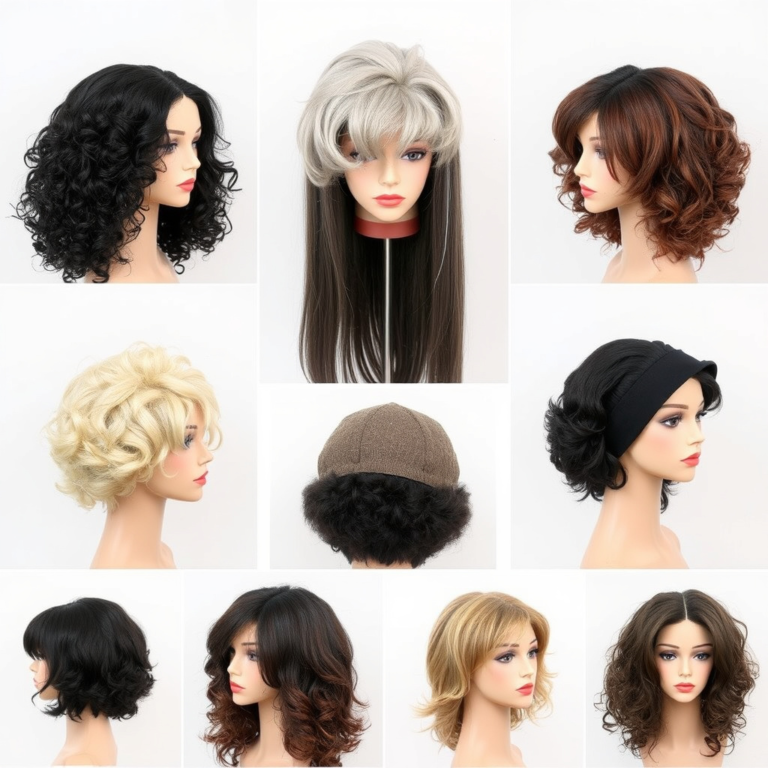
Finding the perfect hair closure starts with understanding your hair texture. Ensuring curly compatibility, straight compatibility, or wavy compatibility will help your closure blend seamlessly. Consider texture blending to avoid noticeable differences, and pay attention to density differences for a natural look.
Here are three key points to keep in mind:
- Texture blending: Match your closure’s texture with your hair for smooth shifts.
- Color matching: Choose a closure that complements your hair color to avoid stark contrasts.
- Styling versatility: Pick closures that work well with your preferred styling products and techniques to maintain product compatibility.
Closure Material Options
Because your hair type influences how a closure feels and behaves, selecting the right material is essential. Silk closures offer a natural scalp appearance and provide a smooth, breathable base that works well if you want a seamless blend with finer or straighter hair textures.
They’re lightweight and comfortable for daily wear. On the other hand, polyester closures tend to be more durable and affordable, making them a good fit if you have thicker or coarser hair that requires a sturdier foundation.
While polyester closures might not mimic the scalp as closely as silk, they hold up well under frequent styling. Consider your hair’s density, styling routine, and comfort needs when choosing between silk closures and polyester closures to guarantee you get the best match for your look and lifestyle.
Scalp Sensitivity Considerations
Your scalp’s sensitivity plays a big role in how comfortable a hair closure will feel throughout the day. To protect your scalp and choose the best closure, prioritize scalp care and consider allergy testing before committing. Here’s what you should focus on:
- Material Choice: Opt for breathable, hypoallergenic materials to reduce irritation and promote scalp health.
- Adhesive Type: Use gentle adhesives designed for sensitive skin to avoid discomfort and allergic reactions.
- Maintenance Routine: Clean your scalp regularly and moisturize to prevent dryness and itching under the closure.
Installing Hair Closures Like a Pro
Mastering the art of installing hair closures can instantly improve your hairstyle and give it a flawless finish. To get started, gather professional tools like a weaving needle, thread, clips, and adhesive. These essentials guarantee your installation is secure and looks polished.
Begin by preparing your natural hair, braiding it into cornrows or flat twists to lay a smooth foundation. Next, position the closure precisely where you want it, aligning it with your natural hairline. Use your chosen installation technique, whether sewing, gluing, or a combination, to attach the closure firmly.
Take your time to avoid bumps or gaps, which can make the closure look unnatural. Remember, clean sections and tight stitches matter. After securing the closure, blend it with your natural hair, but save detailed styling for later. By following these installation techniques and using professional tools, you’ll achieve a seamless, long-lasting result that boosts your confidence every time you wear your closure.
Styling Tips That Make Hair Closures Look Natural
Once your closure is securely installed, the next step is making it blend seamlessly with your natural hair. Achieving natural blending takes a few thoughtful styling techniques that help your closure look undetectable.
- Customize the hairline: Use tweezers to gently pluck the closure’s hairline, mimicking your natural hair density. This prevents a bulky, unnatural look.
- Match textures: Style your closure to match your natural hair texture. Whether you’re rocking curls or sleek straight strands, blending textures guarantees a cohesive appearance.
- Use minimal heat: Apply low heat when styling to avoid damaging the closure and maintain its natural luster. This keeps your hair looking fresh and realistic.
How to Care for Your Hair Closures
Maintain the longevity and appearance of hair closures by adopting a consistent care routine. Proper hair closure maintenance guarantees your closure stays fresh and natural-looking. Start by gently detangling with a wide-tooth comb to avoid damage.
When washing, use mild shampoos and lukewarm water to prevent dryness. Apply conditioner, focusing on the ends, then rinse thoroughly.
Master closure cleaning techniques by carefully cleansing the lace base to remove buildup without pulling or stretching. After washing, pat your closure dry with a towel; never rub it harshly.
Let it air dry on a flat surface or mannequin head to maintain its shape. Avoid excessive heat styling, but if you must, use heat protectants.
Store your closure in a breathable bag or on a mannequin to prevent tangling. By following these straightforward hair closure maintenance steps, you’ll keep your closure looking natural and extend its lifespan, saving you time and money in the long run.
Common Mistakes When Using Hair Closures
Taking good care of your hair closure helps it last longer, but even with proper maintenance, certain mistakes can still affect its look and durability. To avoid common pitfalls, watch out for these frequent errors:
- Application errors and installation errors: Placing your closure incorrectly or using the wrong adhesive choices can cause lifting or discomfort. Make sure to secure it properly and pick the right products for your scalp.
- Fitting issues and blending problems: If your closure doesn’t fit your head shape or hairline well, it’ll look unnatural. Also, poor blending with your natural hair leads to visible seams and color mismatches.
- Styling mistakes and maintenance oversights: Over-styling or neglecting proper upkeep weakens the hair fibers and shortens the closure’s lifespan. Use gentle techniques and follow a consistent care routine to keep it looking fresh.
Avoid these mistakes, and your hair closure will look seamless and last much longer.
Where to Buy Quality Hair Closures Affordably
Although finding quality hair closures can seem overwhelming, knowing where to shop makes all the difference in getting great results without overspending. Start by exploring affordable retailers that specialize in hair products. They often balance cost and quality well.
Don’t overlook online marketplaces. They offer a wide range of options from budget brands to premium closures, with plenty of quality reviews and customer feedback to guide your choice.
Local salons can also be a valuable resource. They sometimes sell trusted brands and provide personalized advice based on your hair type and style goals.
When browsing, focus on closures with consistently positive customer feedback to avoid low-quality purchases. Comparing prices across these sources helps you spot the best deals without compromising quality.
Frequently Asked Questions
Can Hair Closures Be Dyed or Chemically Treated Safely?
Yes, you can dye or chemically treat hair closures, but you need to take chemical safety into account carefully. If you choose human hair closures, you’ll have more color options and can treat them like natural hair.
Synthetic closures, however, don’t handle chemicals well and might get damaged. Always test a small section first and use gentle products to avoid weakening the closure. Proper care guarantees your color options last without compromising the hair’s integrity.
How Long Does It Take to Install a Hair Closure Professionally?
The installation time for a hair closure professionally usually takes about 2 to 4 hours. It depends on your stylist’s experience and the method used.
Professional tips include preparing your natural hair properly and ensuring the closure matches your hair texture for a seamless look. Don’t rush the process. Taking your time during installation guarantees the closure lays flat and looks natural, giving you the best results.
Are Hair Closures Suitable for Sensitive Scalps?
Yes, hair closures can be suitable for sensitive scalps if you choose the right closure materials. You’ll want to avoid synthetic fibers that might irritate your scalp sensitivity.
Opt for closures made from breathable, natural materials like 100% human hair and make sure the lace or base is soft and gentle. Taking these steps can help you enjoy a protective style without discomfort or irritation, keeping your scalp healthy and happy.
Can Hair Closures Be Reused After Removal?
Think of your hair closure like a delicate butterfly, beautiful but fragile. Yes, you can reuse your hair closure after removal if you handle it with care.
Use gentle removal techniques to avoid damage, and follow closure maintenance tips like washing, conditioning, and storing it properly. Taking these steps guarantees your closure stays vibrant and lasts longer, letting you flutter confidently with every wear.
What Is the Average Lifespan of a Hair Closure With Proper Care?
With proper care, you can expect your hair closure to last around 6 to 12 months. Lifespan factors like the material quality, how often you wear it, and your maintenance tips play a big role.
To extend its life, gently wash it with sulfate-free products, avoid excessive heat, and store it properly when not in use. Following these steps helps keep your closure looking fresh and durable longer.
Conclusion
Now that you know the key components of choosing and caring for your hair closure, you’re set to shine with seamless style. By selecting the perfect piece, preserving its pristine quality, and styling smartly, you’ll boost your beauty boldly.
Avoid avoidable errors and always aim for affordable, authentic options. Adopt effortless elegance every day. Your hair closure journey just got a whole lot easier and more exciting with these tips for hair closures!